Offered by Galerie PhC
REQUEST INFORMATION

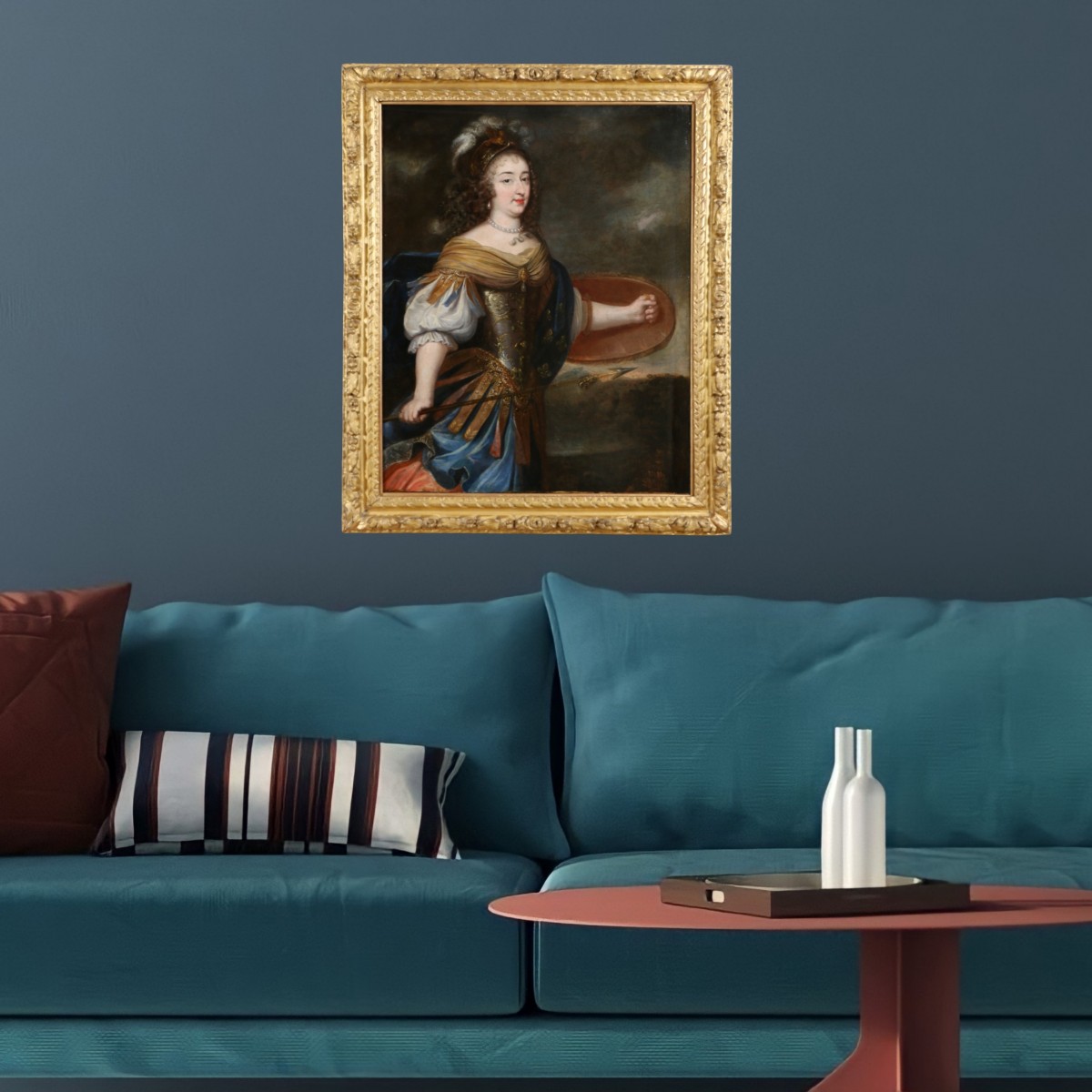
European paintings from the 17th, 18th and 19th centuries.
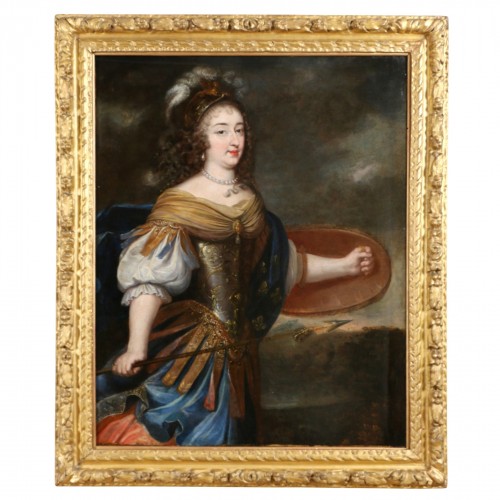
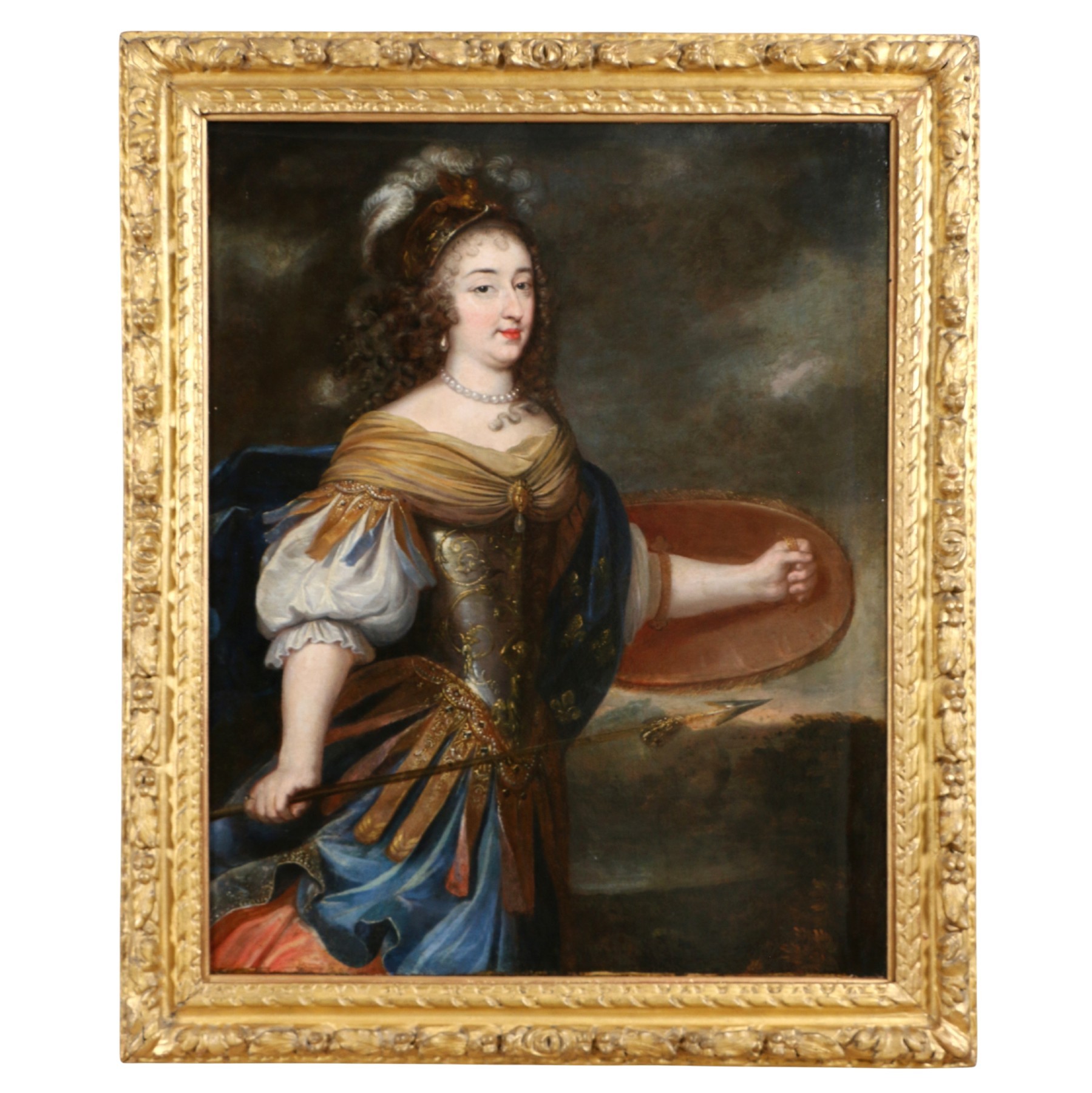
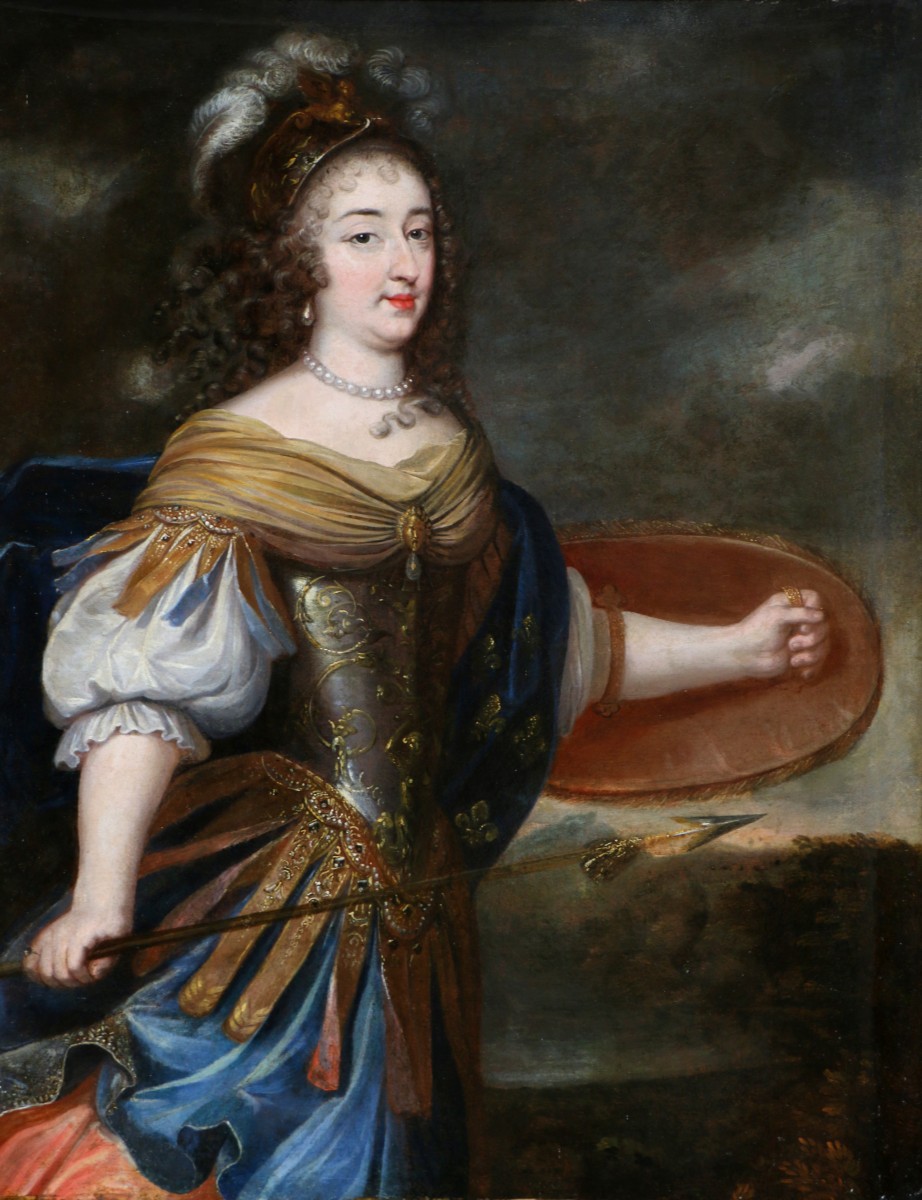
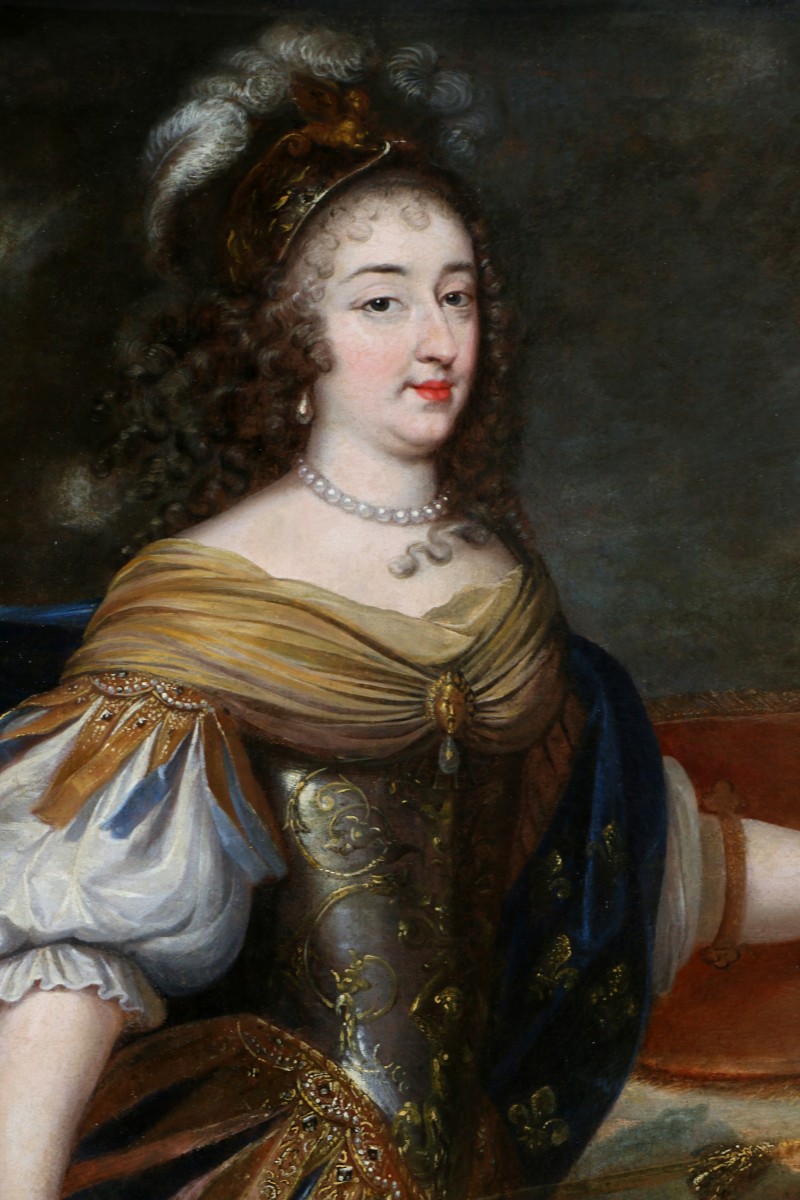
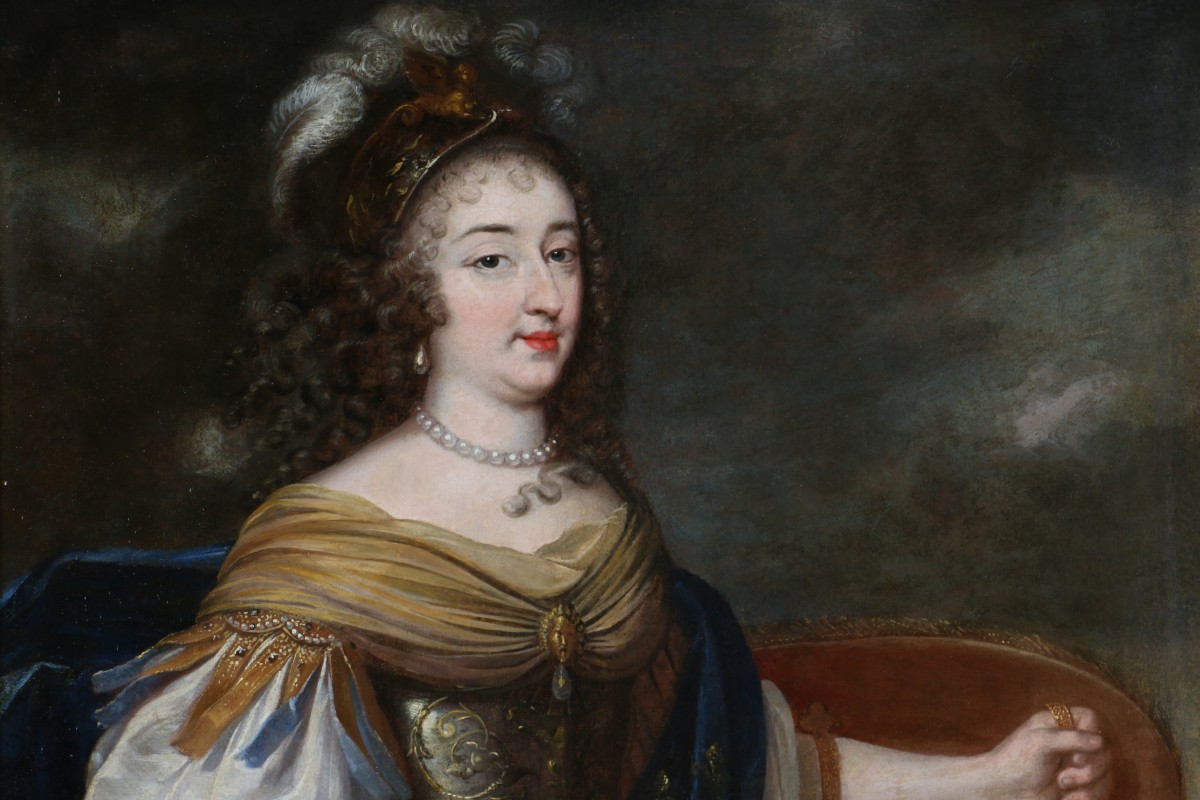
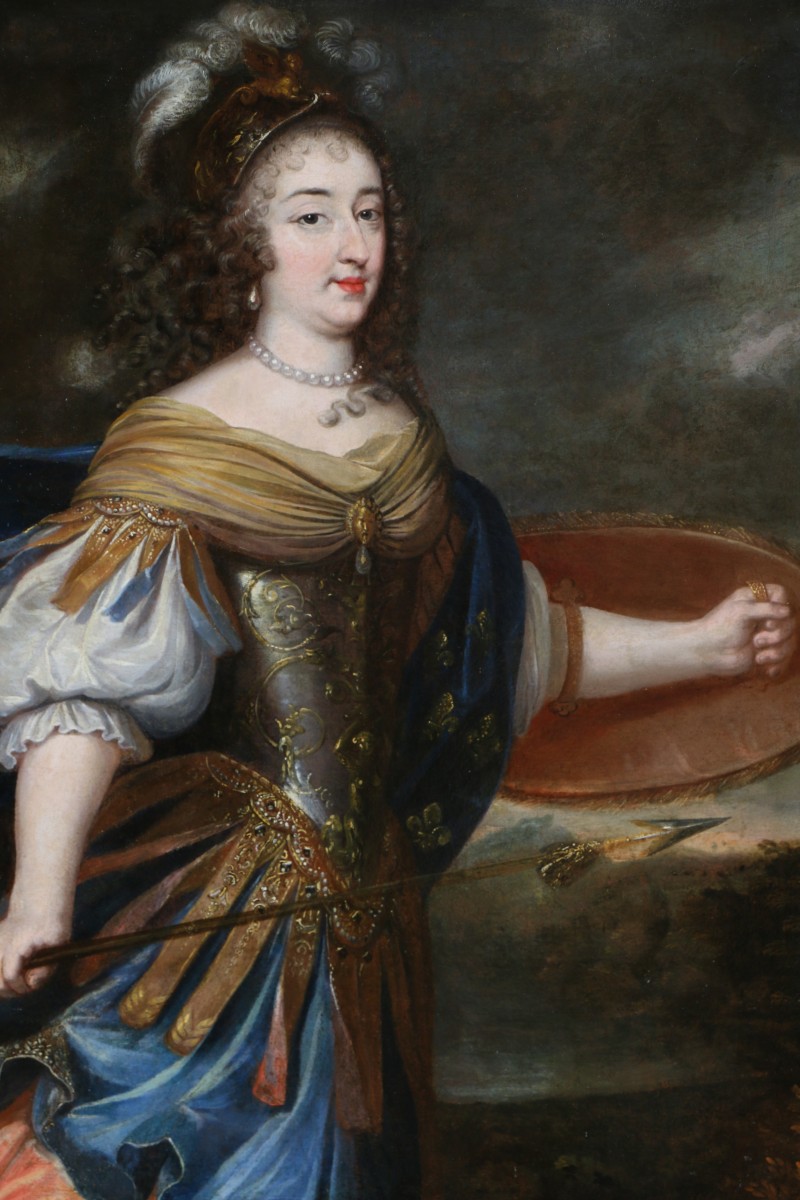
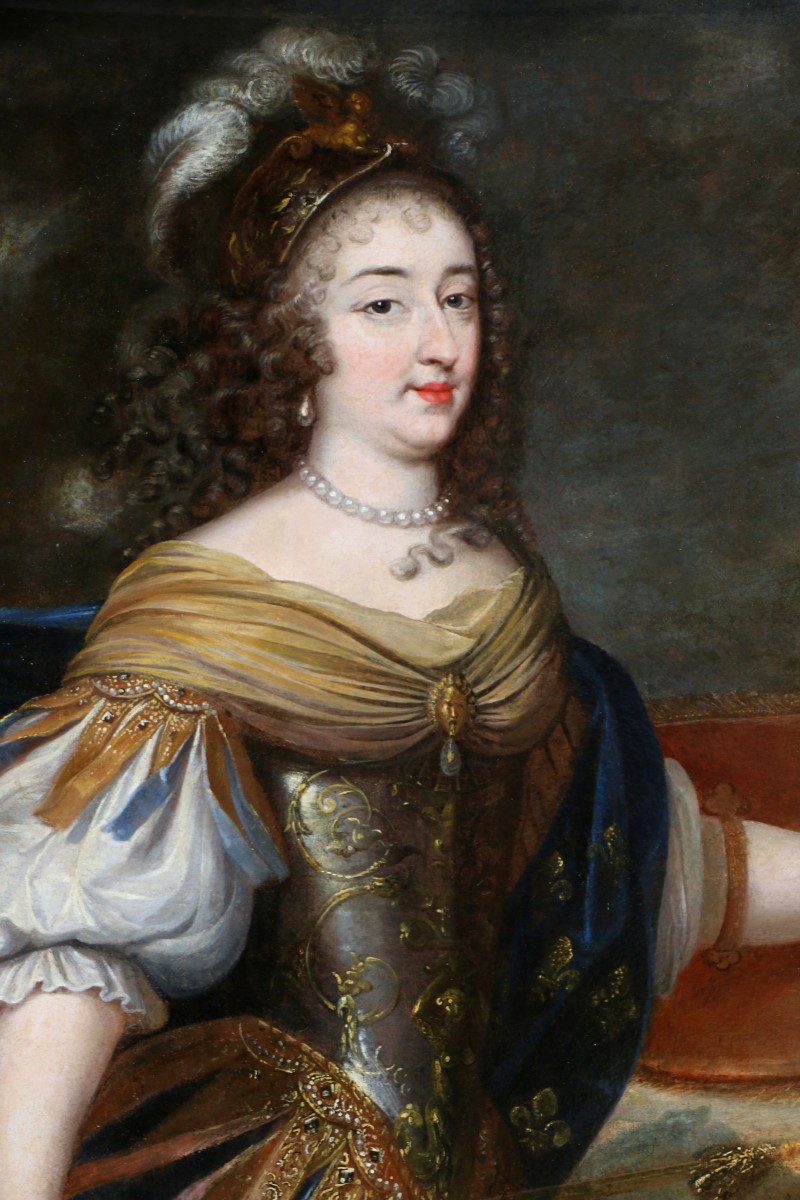
Portrait of Anne-Marie-Louise d’Orléans, known as "la Grande Mademoiselle," attributed to the Beaubrun brothers, c. 1660.
Oil on relined canvas, 91 cm by 73.5 cm.
Period frame, 108 cm by 91 cm.
Anne-Marie-Louise d’Orléans, known as "la Grande Mademoiselle"
Anne-Marie-Louise d’Orléans, Duchess of Montpensier (1627–1693), known as "la Grande Mademoiselle"
She was the daughter of Gaston d’Orléans—brother of Louis XIII—and Marie de Bourbon-Montpensier. As the granddaughter of Henry IV and first cousin of Louis XIV, she held the highest rank within the French royal house; thanks to the immense maternal inheritance she received at birth, she was one of the wealthiest princesses in Europe.
An independent figure keenly aware of her rank, she played a particularly active role during the Fronde. In 1652, she sided with the Prince of Condé against royal forces and intervened directly in events in Paris. Her involvement led to her temporary exile from court and helped cement her enduring image as a warrior princess and a rebel.
Having gradually regained Louis XIV’s favor, she lived the life of a great princess, patronized artists and writers, and left behind significant memoirs—a valuable record of the court and aristocratic society during the *Grand Siècle*. Her late-life passion for Antonin Nompar de Caumont, Duke of Lauzun, and the difficulties surrounding their union form one of the most famous episodes of her life.
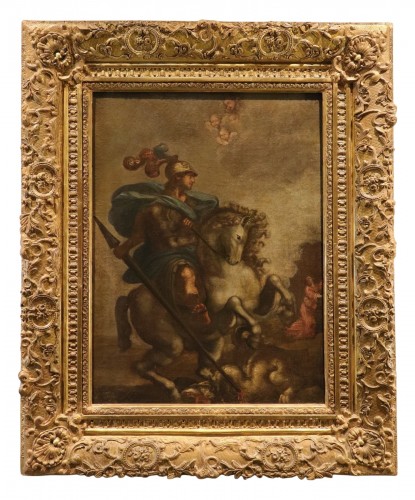
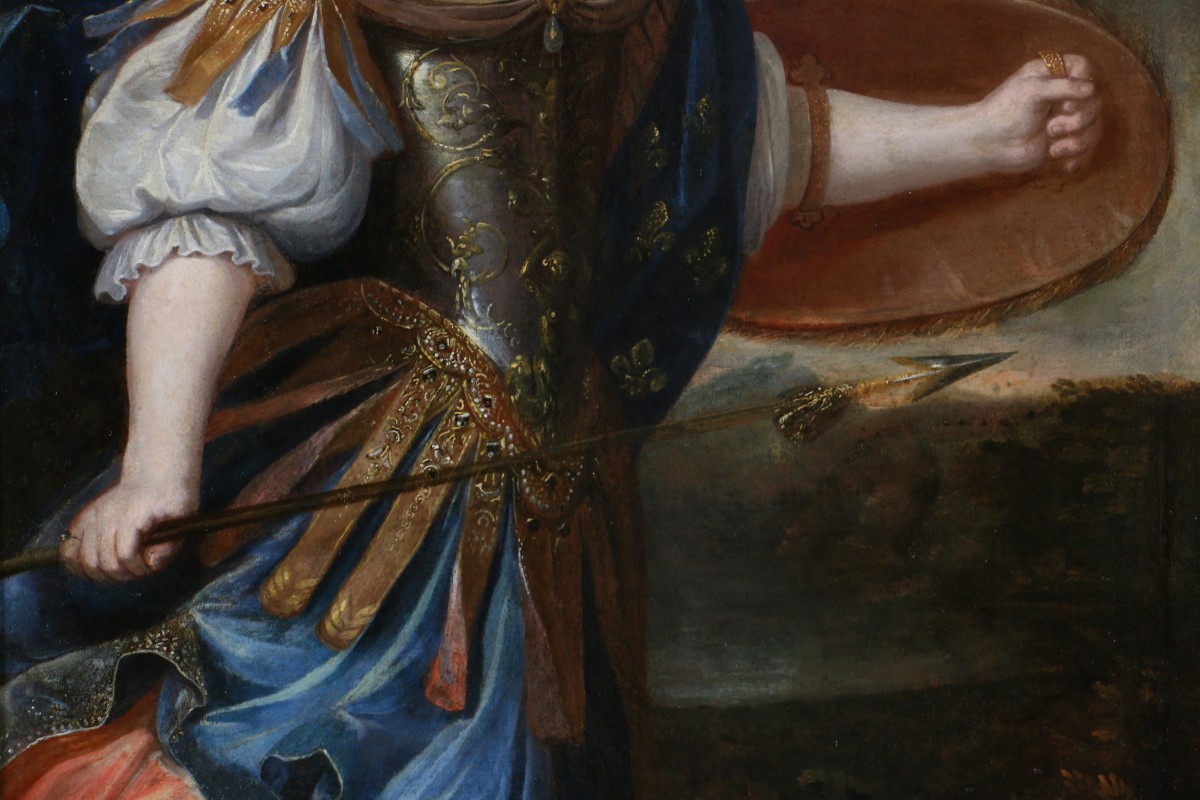
"La Grande Mademoiselle" was the subject of numerous portraits, sometimes depicted in allegorical or heroic guises. Her depiction as Pallas-Minerva—armed with a helmet, spear, and shield—takes on special significance given her personality and her involvement in the Fronde; the ancient goddess embodies the virtues of wisdom, authority, and martial courage.
The Musée Carnavalet holds a portrait of Anne-Marie-Louise d’Orléans showing her wearing a helmet and carrying a shield—a testament to this heroic iconography.
https://www.parismuseescollections.paris.fr/fr/musee-carnavalet/oeuvres/portrait-d-anne-marie-louise-d-orleans-duchesse-de-montpensier-dite-la?utm
She died in Paris on April 5, 1693, leaving behind the unique image of a *princesse du sang* (princess of the blood royal) who, through her wealth, character, and ambitions, holds a distinctive place among the great female figures of the 17th century.
Henri and Charles Beaubrun
Henri Beaubrun (1603–1677) and Charles Beaubrun (1604–1692) were cousins, born in Amboise, who ranked among the leading portraitists at the French court during the mid-17th century. Their careers were closely linked to the royal family and, in particular, to the women of the court. The Louvre Museum lists the dates 1603–1677 for Henri and 1604–1692 for Charles.
The two artists collaborated so closely that it is often difficult, if not impossible, to distinguish one’s hand from the other’s. This partnership is a distinctive feature of their body of work. The Palace of Versailles notes that they liked to present themselves as capable of swapping brushes while painting a single portrait; this explains why many of their paintings are today jointly attributed to "Henri and Charles Beaubrun." Introduced to court circles at an early age, the Beaubrun family enjoyed the particular favor of Anne of Austria. They portrayed the queen on significant occasions—notably during her pregnancy—and painted the future Louis XIV just days after his birth. Their closeness to the royal family allowed them to become privileged witnesses to the young sovereign’s childhood and the monarchy’s female entourage.
A particularly significant example of this work is the *Portrait of Anne of Austria, Regent of France, and Her Son Louis XIV*, painted around 1644–1645 and acquired by the Palace of Versailles in 2025. This piece combines a family portrait with a genuine political representation of the monarchy during Anne of Austria’s regency.
The Beaubruns gradually specialized in female court portraiture. Princesses, queens, and noblewomen made up a substantial part of their clientele. They developed a visual style perfectly suited to this aristocratic society: carefully modeled faces, fair complexions, elaborate hairstyles, pearls and jewelry, fine fabrics, embroidery, and sumptuous costumes all played a major role in their compositions.
Their approach thus addressed the need to capture the sitter’s likeness while simultaneously conveying her rank, beauty, and status within court society. The portrait became a social and dynastic statement as much as an individual likeness.
Their reputation reached its peak during the reign of Louis XIV. The King himself commissioned them to paint portraits of royal princesses and noblewomen.
Delevery information :
All our paintings benefit from careful and secure packaging. No geographic restrictions.