Offered by Jan Muller
REQUEST INFORMATION

In the seventeenth century the sea became a popular subject in painting. No wonder: the Netherlands was a seafaring nation, and the sea was everywhere. Painters such as Willem van de Velde and Jan Porcellis brought this subject to life. Their seascapes show the beauty of the sea, but also how dangerous and unpredictable it can be.
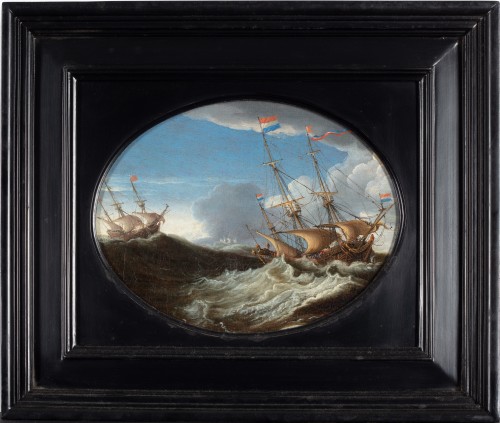
Seascapes often depicted important historical events, such as the trade voyages of the Dutch East India Company (VOC) or famous naval battles. They did not need to portray the event literally: what mattered was that the viewer understood what the scene meant, and that sea and sky were captured with verve and energy. Nature played the starring role.
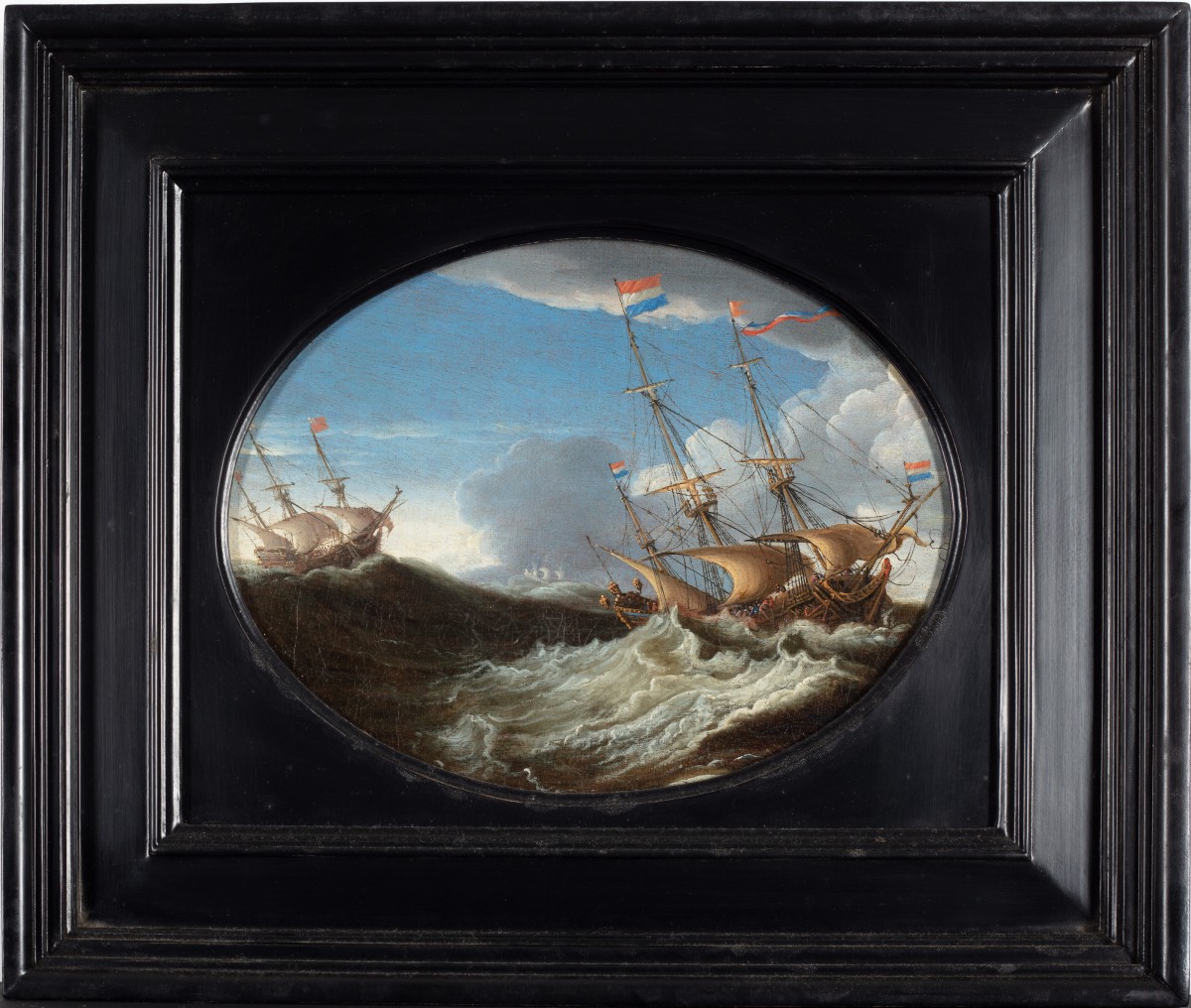
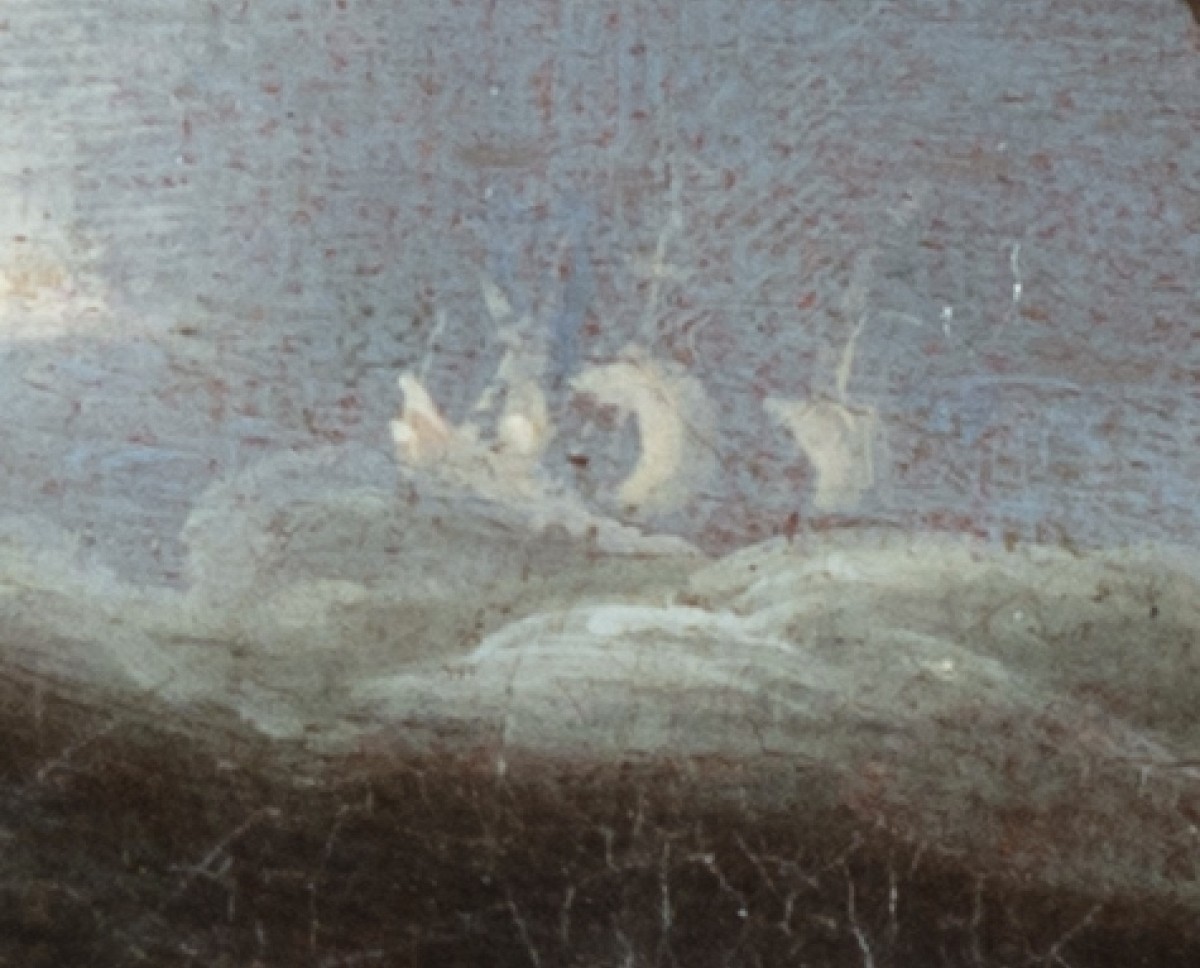
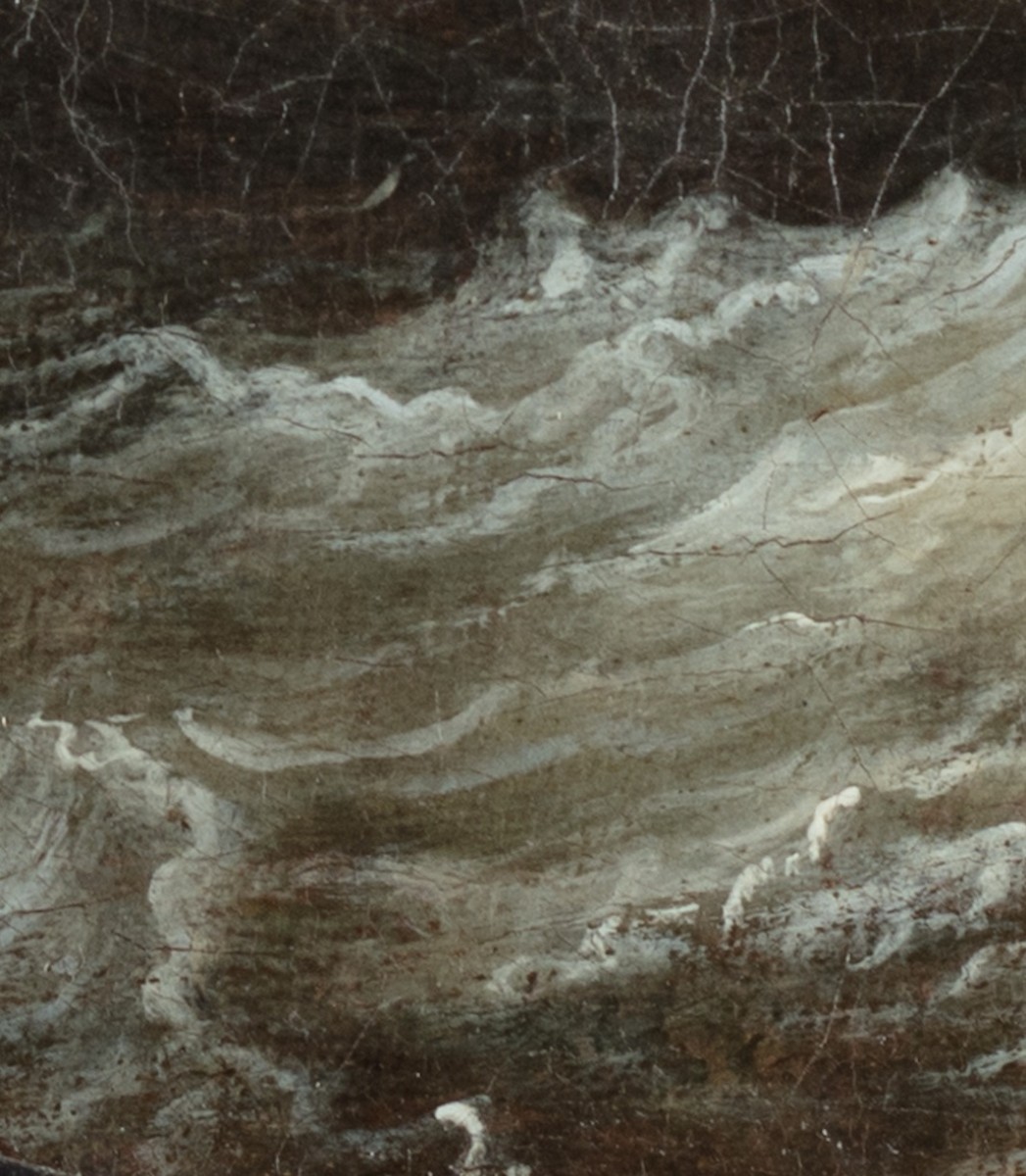
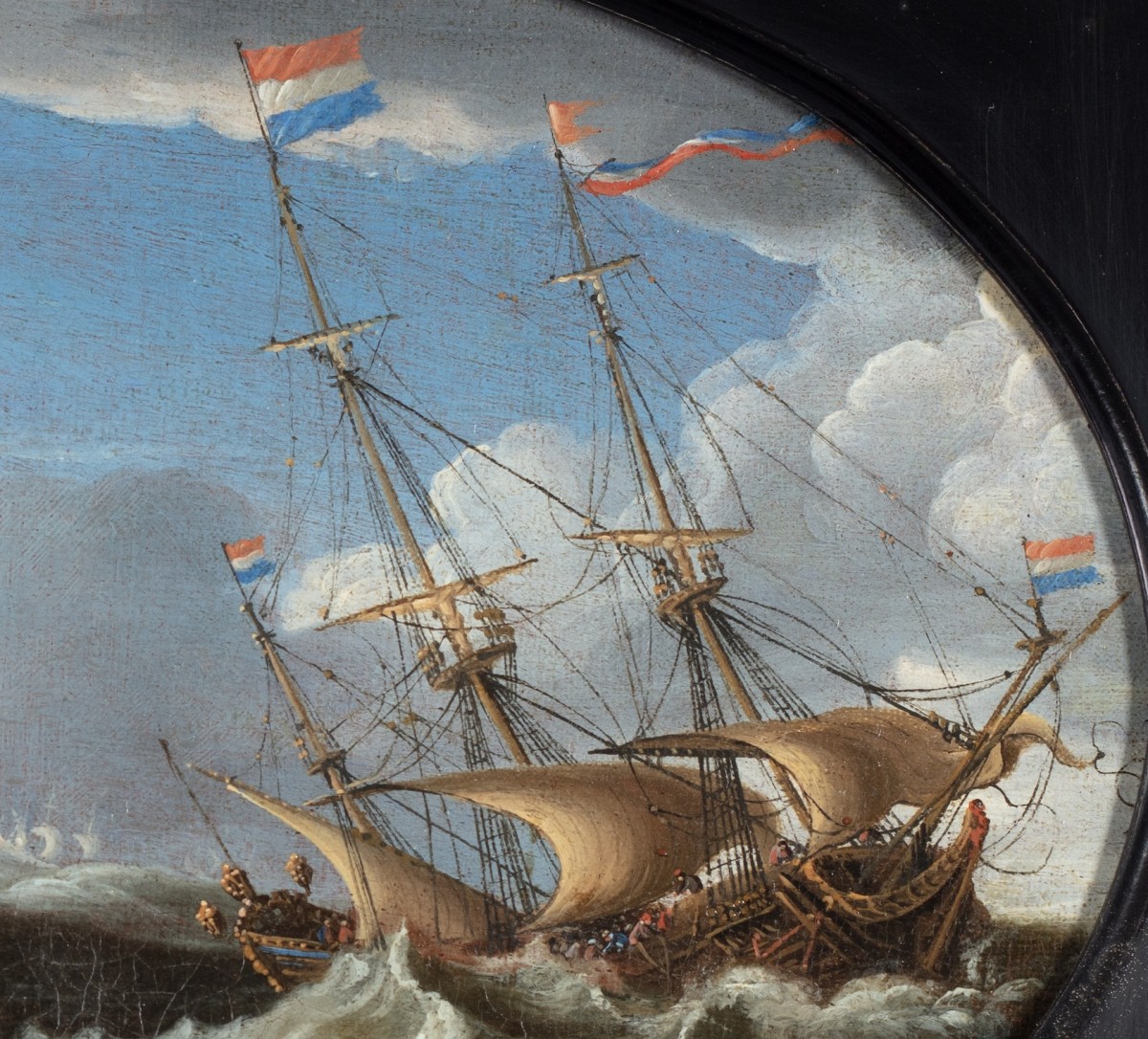
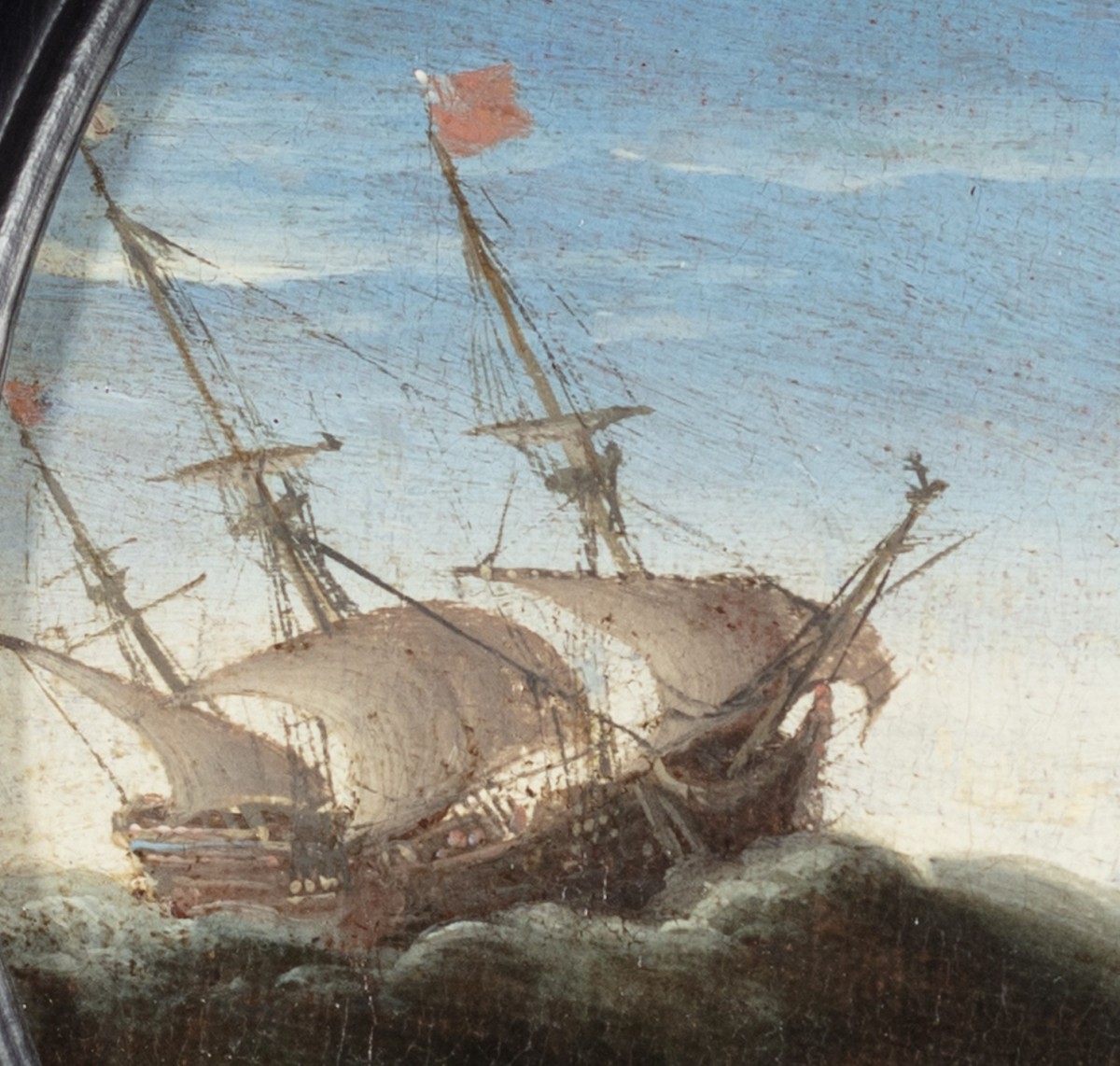
We see two ships braving the restless waves. At front right sails a three-master with Dutch flags, and to the left another ship with red flags. Perhaps they are engaged in battle. On the horizon, in the distance, we see another small ship. The sky seems to be clearing: the grey clouds are drifting away. Perhaps a storm has just raged, which would explain why the waves are so fierce.
Seascapes were not merely accurate representations of ships and harbours. They could also convey a message about life and impermanence, like a ship tossed about in a violent storm. A seascape could show man’s power over the water, or the other way round. Standing before a painting by Porcellis or Van de Velde, you can almost feel the cold wind, the pouring rain and the spray of seawater.
Delevery information :
After reception of payment we can box and ship our items all over the world. Estimates of this service can be provided.