Offered by Jan Muller
REQUEST INFORMATION
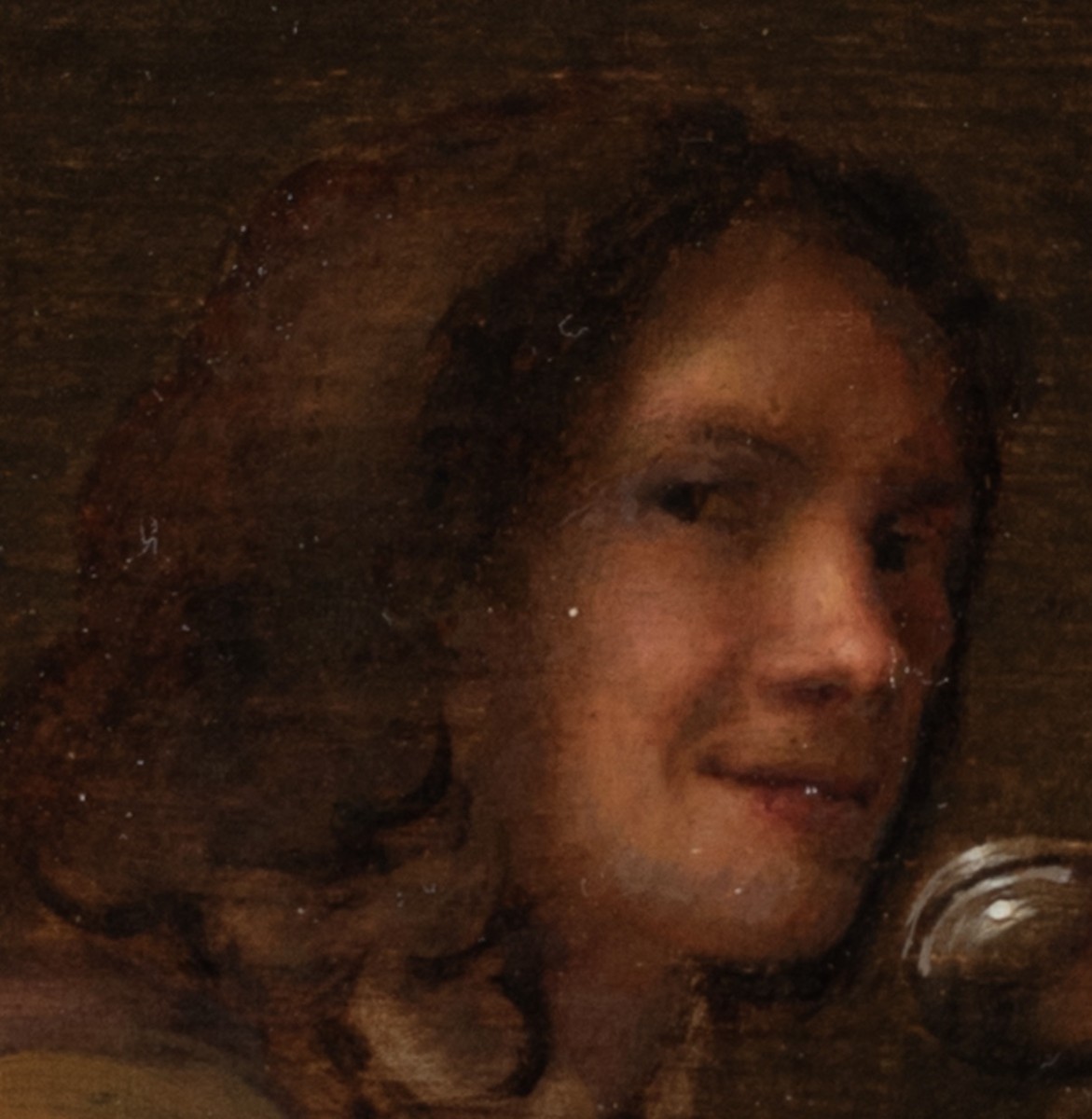

Pieter Hermansz. Verelst was a Dutch Golden Age painter who was active in Dordrecht, The Hague and later London. He was trained by Gerard Dou and Jacob Gerritsz. Cuyp, two artists deeply rooted in the naturalistic and Rembrandtesque traditions of Dutch painting. Born in Dordrecht, Verelst began his career there in the 1630s, but in 1643 he moved to The Hague, where he joined the Guild of Saint Luke. Living near Jan van Goyen, he adapted his style to suit the city’s clientele, painting formal portraits in the refined manner of Adriaen Hanneman, alongside more informal tronies and genre scenes.
Verelst was versatile, producing portraits, still lifes, and lively scenes of Dutch and Italian village life. His work often reflected the influence of Rembrandt, especially in the use of chiaroscuro, expressive heads, and a preference for intimate half-length portraits. He also painted hermits, scholars, and genre figures with a dark, atmospheric background.
Despite his talents, Verelst’s life was marked by financial struggles. In 1651 he declared bankruptcy, and in 1656 he joined forces with Hanneman and others to establish the Confrerie Pictura in The Hague, a professional association founded as an alternative to the Guild of Saint Luke. Toward the end of his life, Verelst’s fortunes declined further, and after the death of his second wife he emigrated with some of his children to London in 1668. He died there shortly after arrival, leaving only modest possessions behind.
Verelst’s artistic legacy lived on through his family: four of his sons, including Herman, Simon, and John, all became painters. Over four generations, the Verelsts continued as a family of artists in England, producing portraits, still lifes, and genre works well into the 18th century.
THE ARTWORK
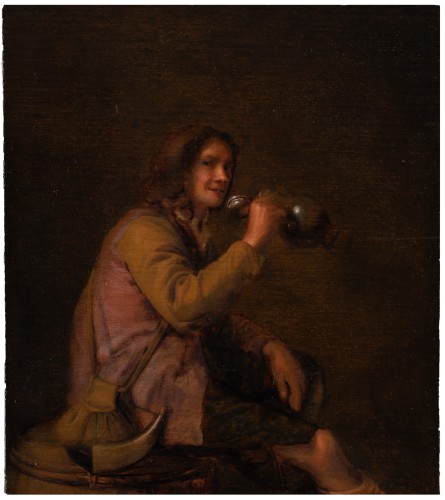
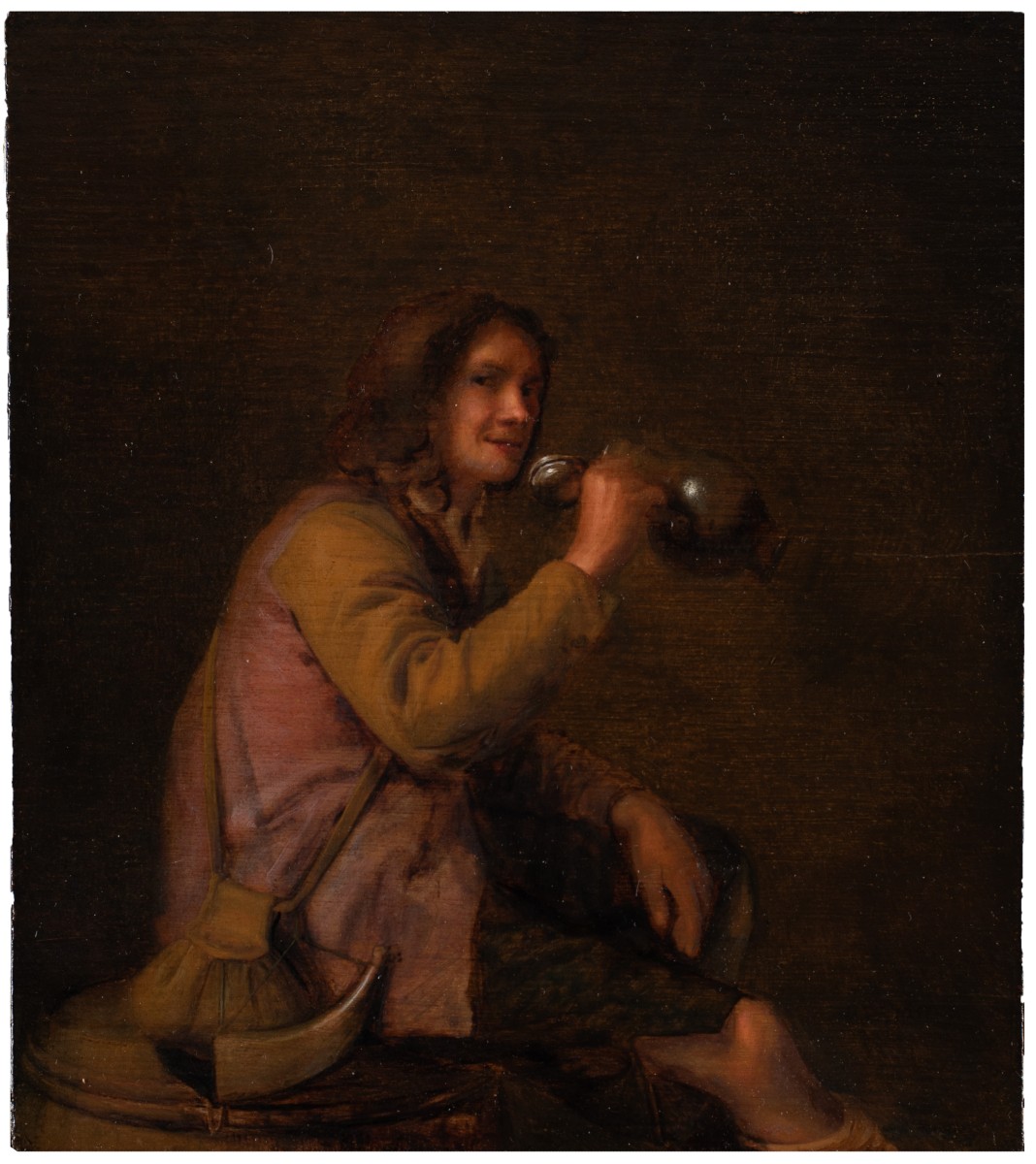
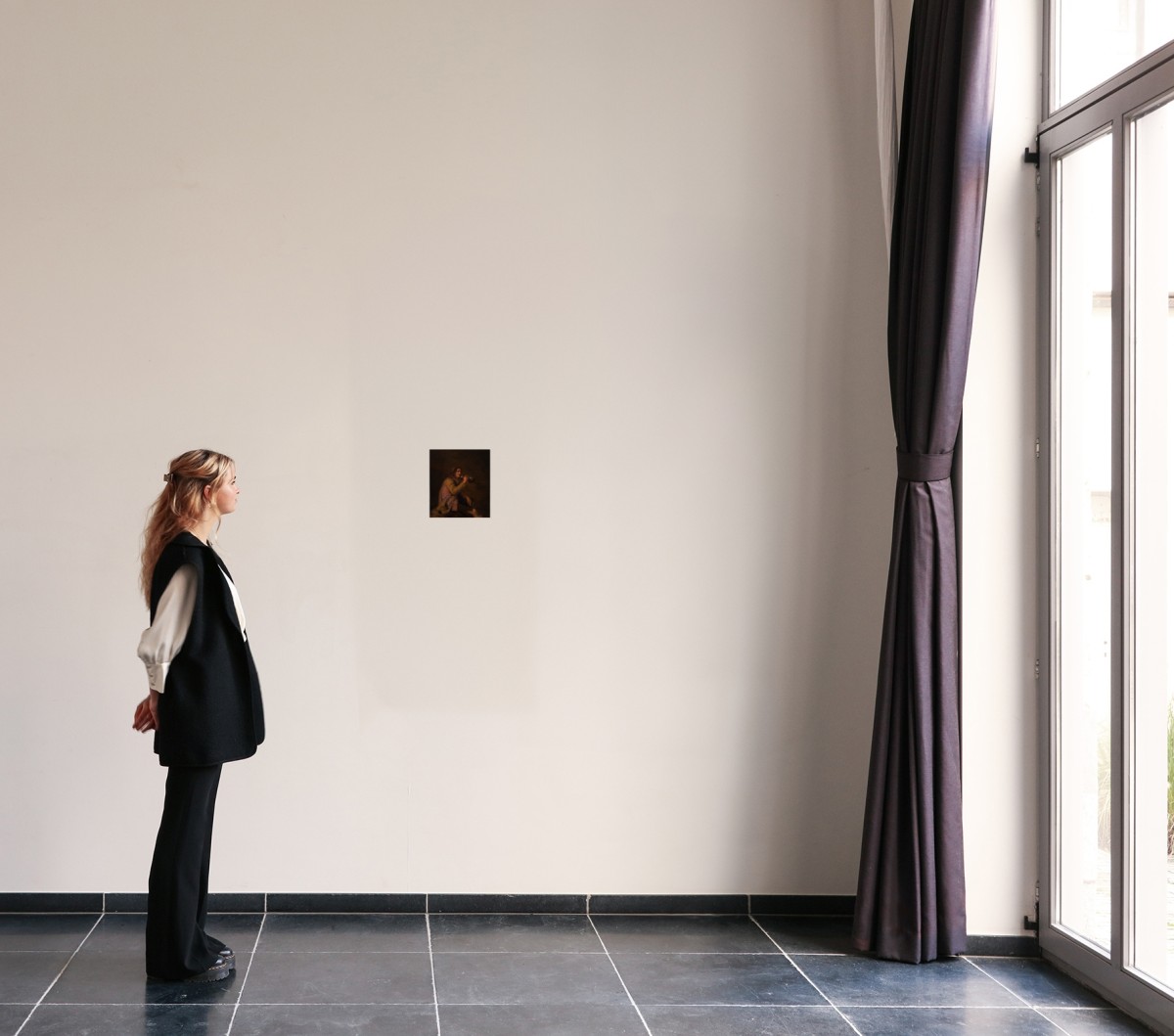
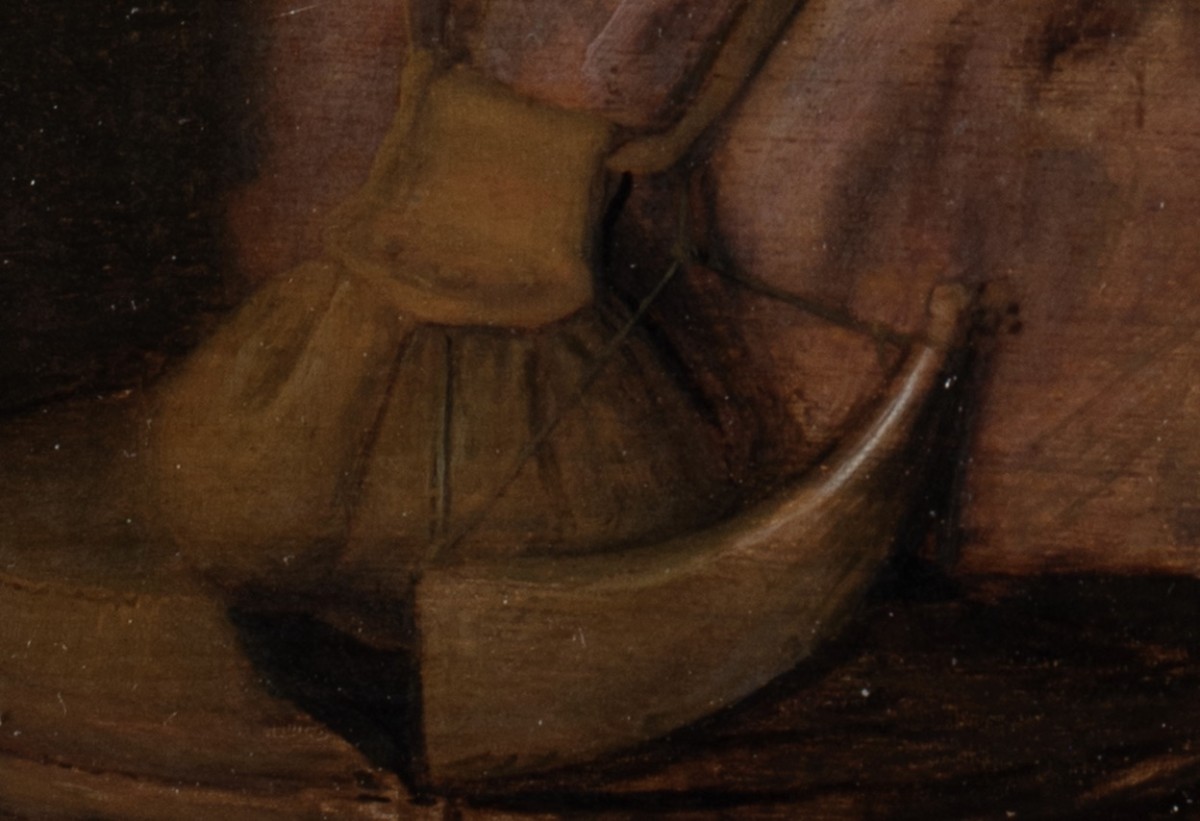
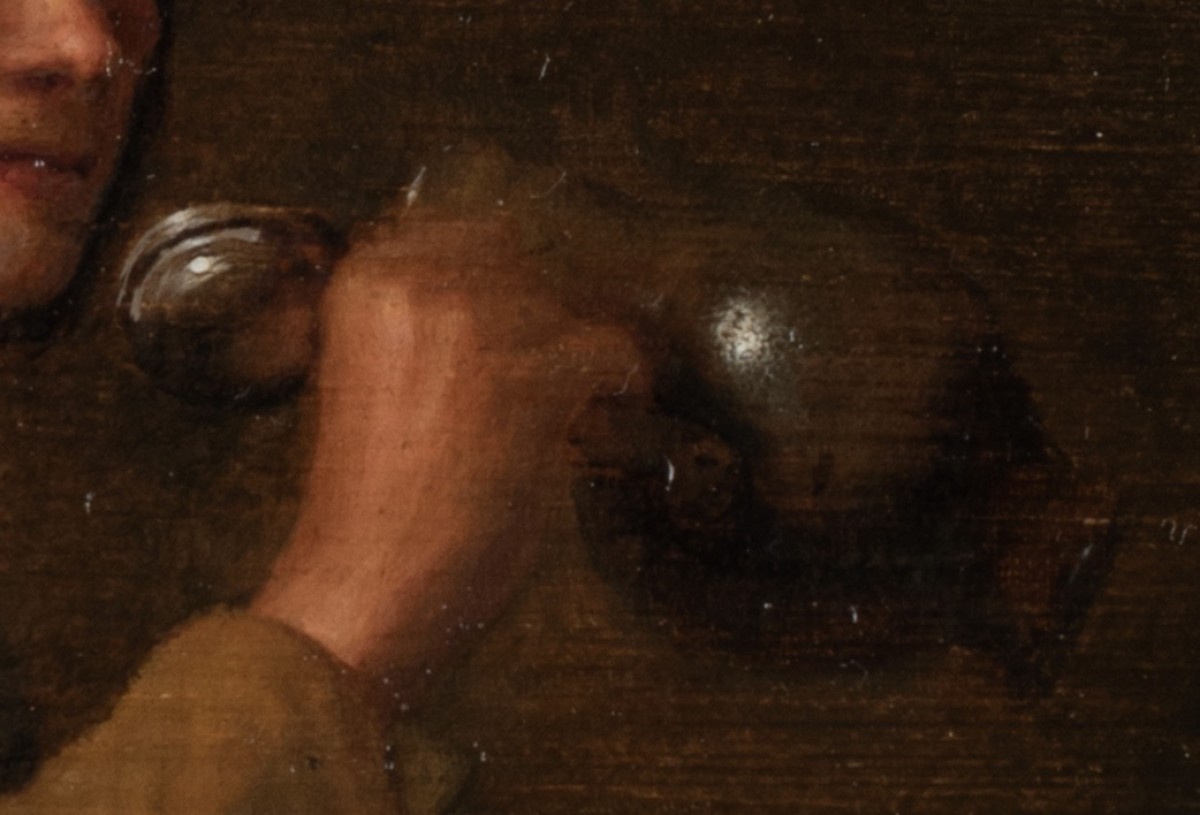
Man with a Jug shows Verelst’s talent as a portraitist and his willingness to explore less conventional subject matter. Rather than a stiff likeness, the viewer encounters a half-length male figure in a three-quarter view, holding a jug. This composition recalls the Dutch tradition of tronie painting: not always a formal portrait of a specific sitter, but rather a study of character, expression or costume.
The figure is shown in a relaxed and natural pose, drinking, which diverges from the more formal portrait conventions of the time. In this respect, Verelst aligns himself with the innovations of artists such as Rembrandt and Frans Hals, who broke with stiff portraiture by infusing their sitters with vitality and individuality. The strong contrasts of light and shadow further reinforce the Rembrandtesque character of the work, while the asymmetry of the features demonstrates Verelst’s mastery of human anatomy and subtle observation.
There is reason to believe that this painting might be a self-portrait. A work in The Leiden Collection, titled ‘Portrait of a Man’ (Possible Self-Portrait), shows striking similarities in physiognomy to the man depicted here. Self-portraits were highly popular among 17th-century Dutch and Flemish artists, who used them not only to present their likeness to the world but also as demonstrations of skill. Typically, such works were created with the aid of a mirror, resulting in a reversed image.
Whether this is a self-portrait or a tronie, ‘Man with a Jug’ reflects Verelst’s originality. By depicting the sitter in the act of drinking, he moved beyond the conventional attributes of painters’ self-portraits, such as brushes or palettes. Instead, he used an everyday gesture to display his technical ability, creating a sense of immediacy and presence that made his work stand out.
The painting also fits into a broader Dutch interest in portraying ordinary people and daily life. In this respect, it belongs to the genre tradition as much as to portraiture. The jug, a humble object, evokes themes of modesty and human warmth, echoing the taste of a 17th-century audience who delighted in images that balanced technical mastery with relatable subject matter.
Oil on panel
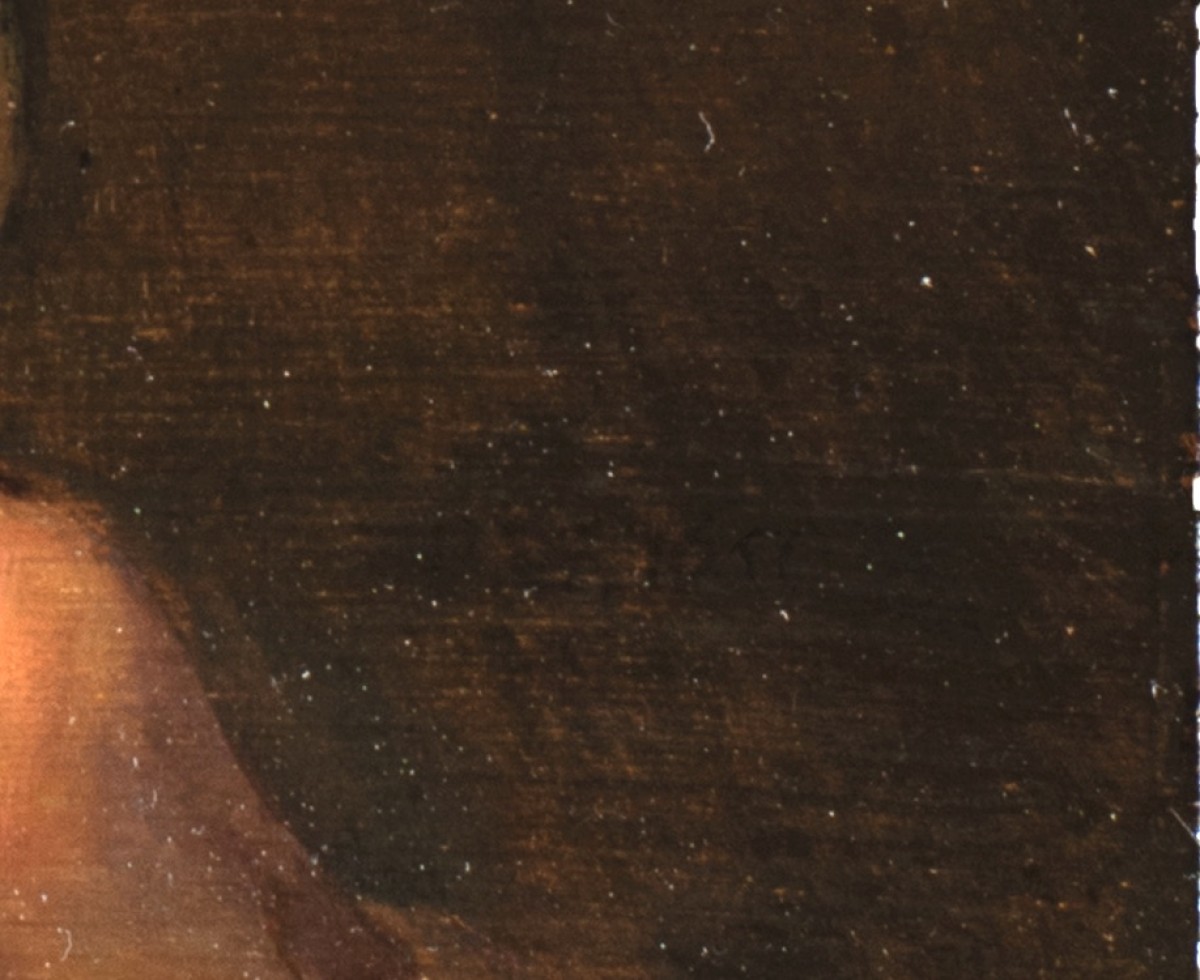
Signed lower right: “P. Verelst”
Dimensions: 21 x 19 cm, 32 x 29 cm
Delevery information :
After reception of payment we can box and ship our items all over the world. Estimates of this service can be provided.