Offered by Galerie Tarantino
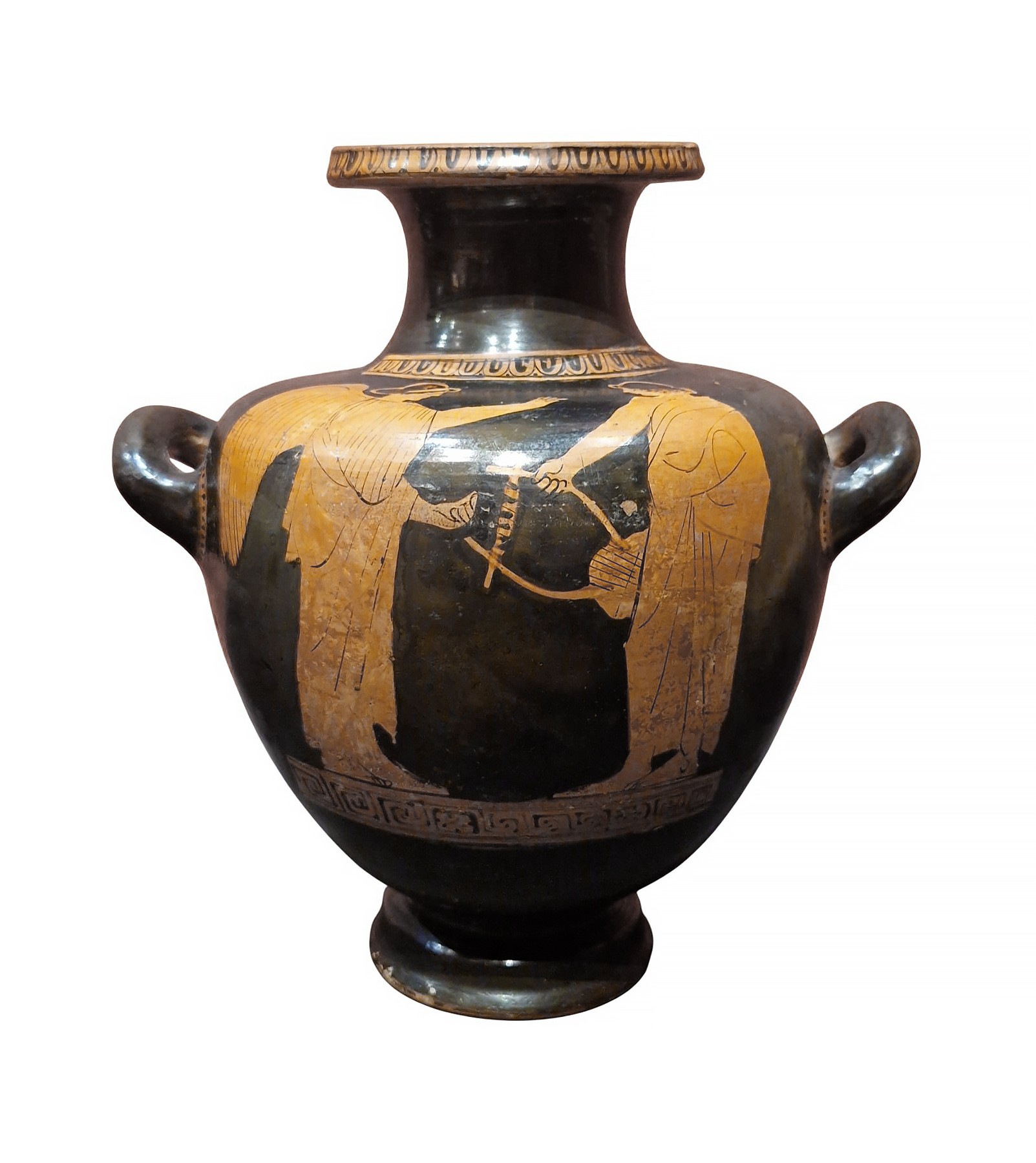
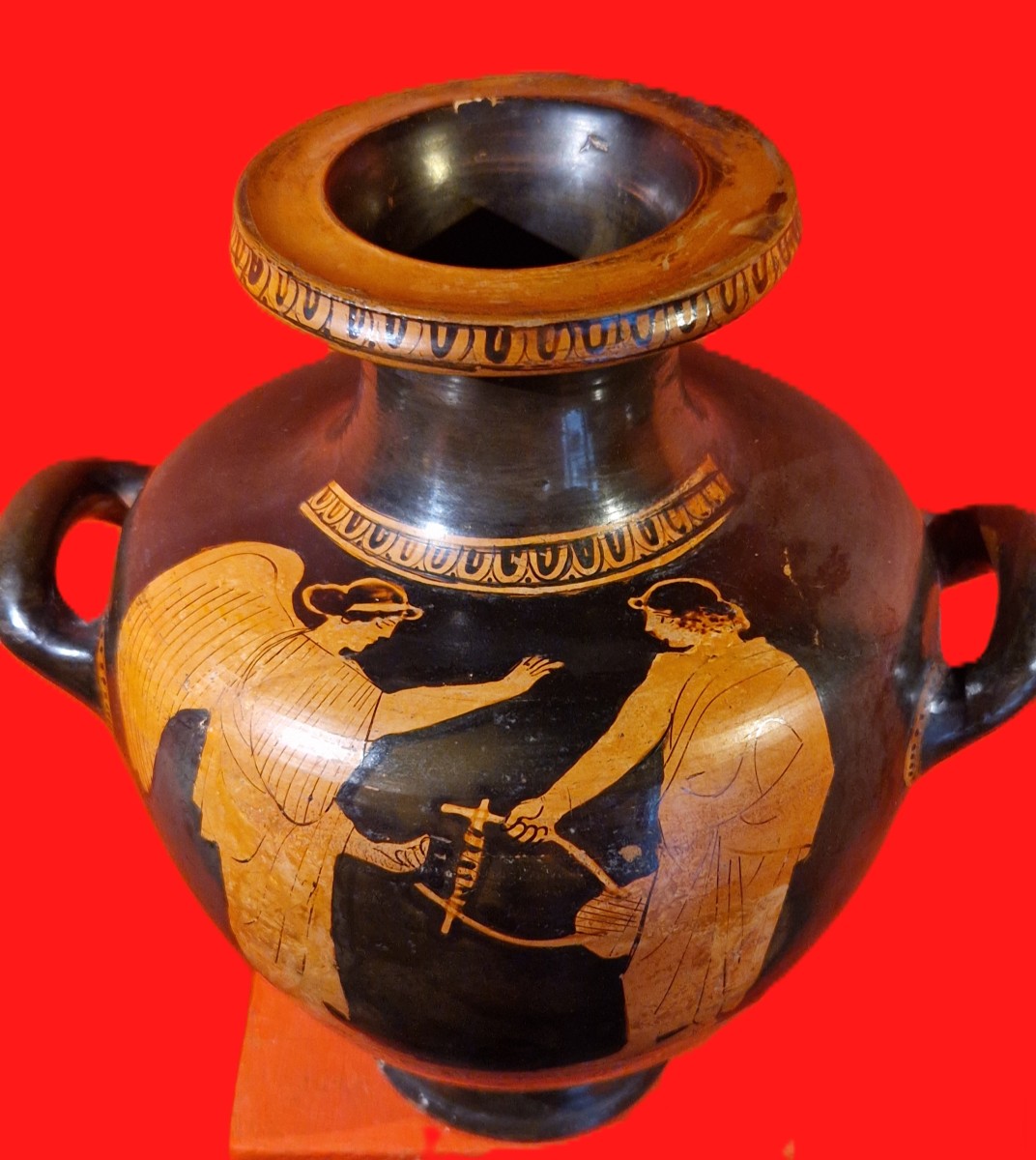

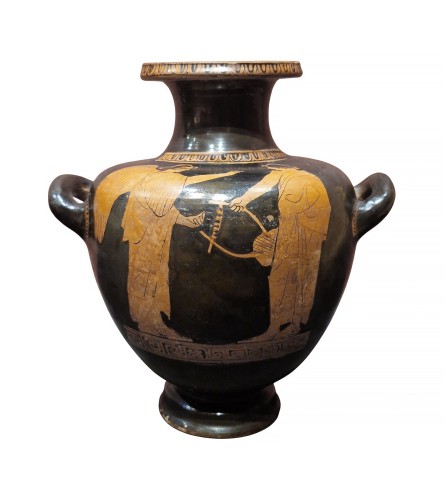
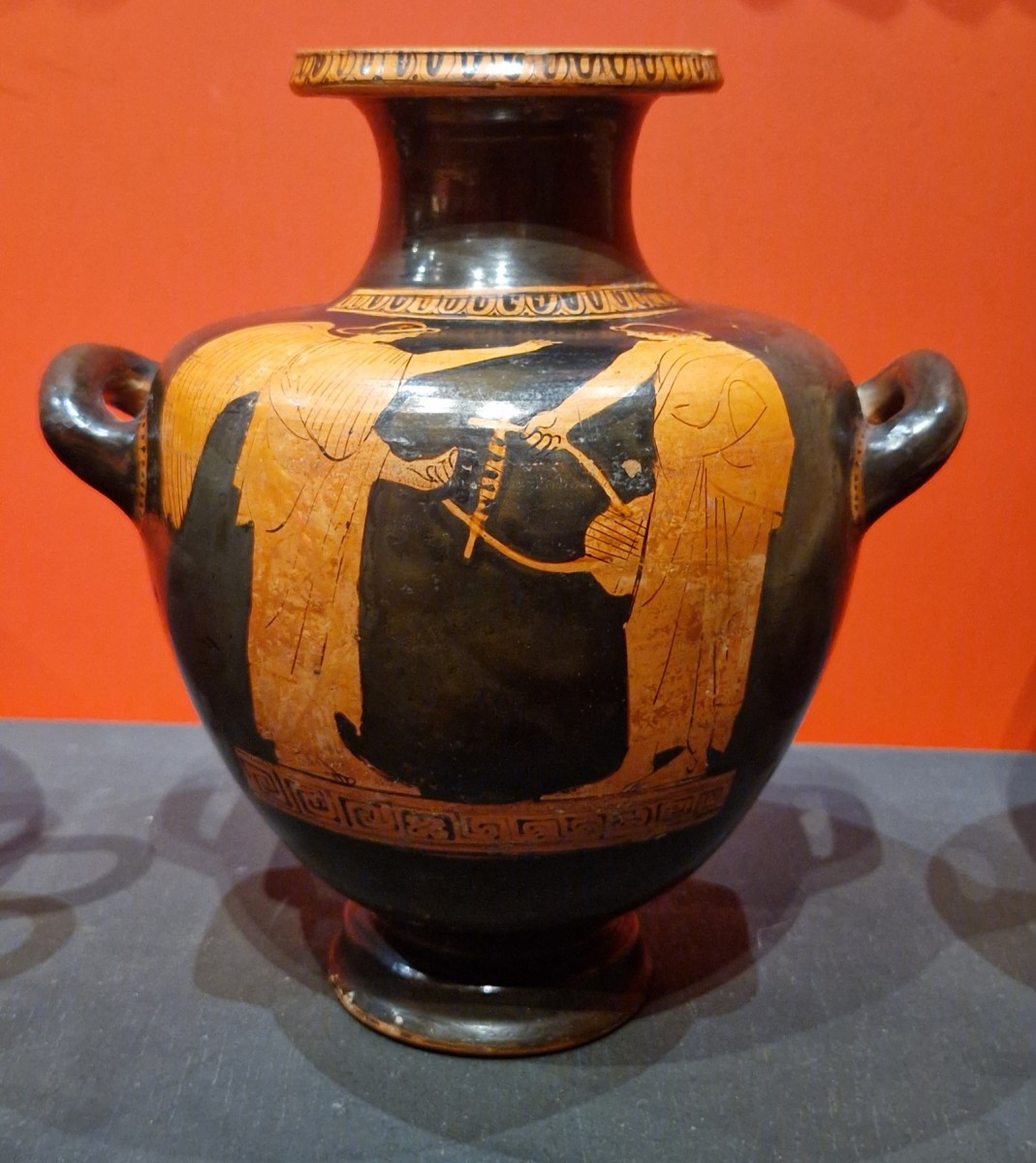
Attic Red-Figure Hydria
Circle of the Aischines Painter
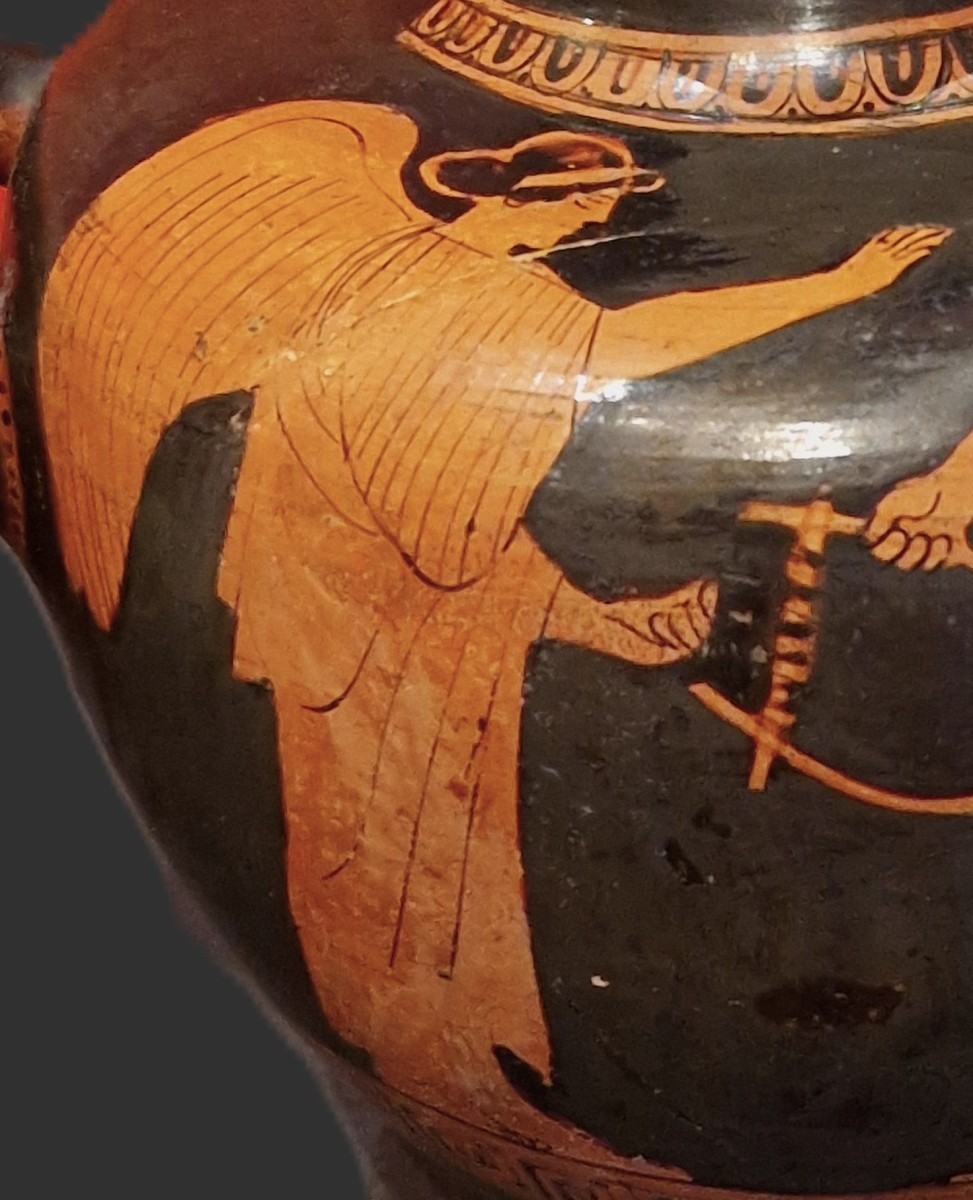
Nike Facing a Young Man Holding a Lyre
Greek Art, Attica, circa 450 BC.
Orange clay with black glaze and red painted highlights.
Height: 22 cm.
Breaks and old restorations using shellac.
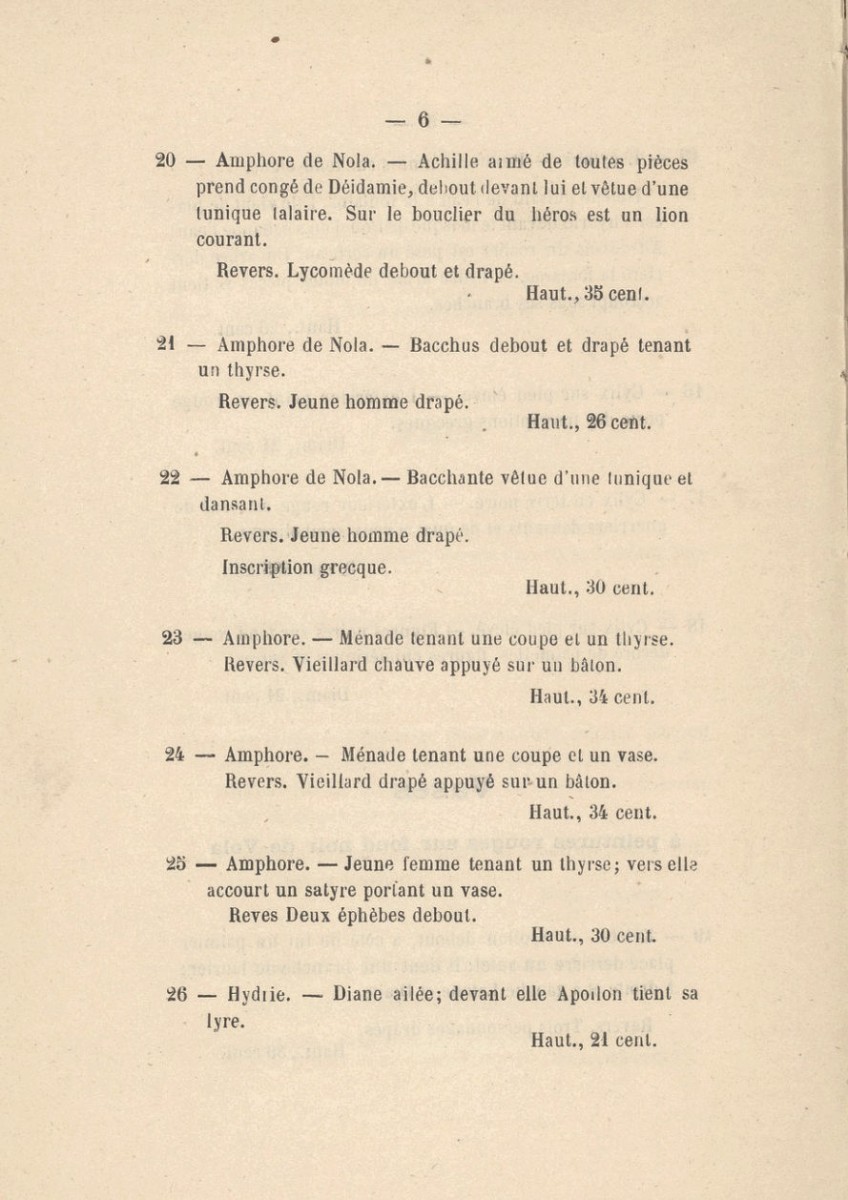
Provenance: Probably the collection of M. B. of Naples, 1868, no. 26.
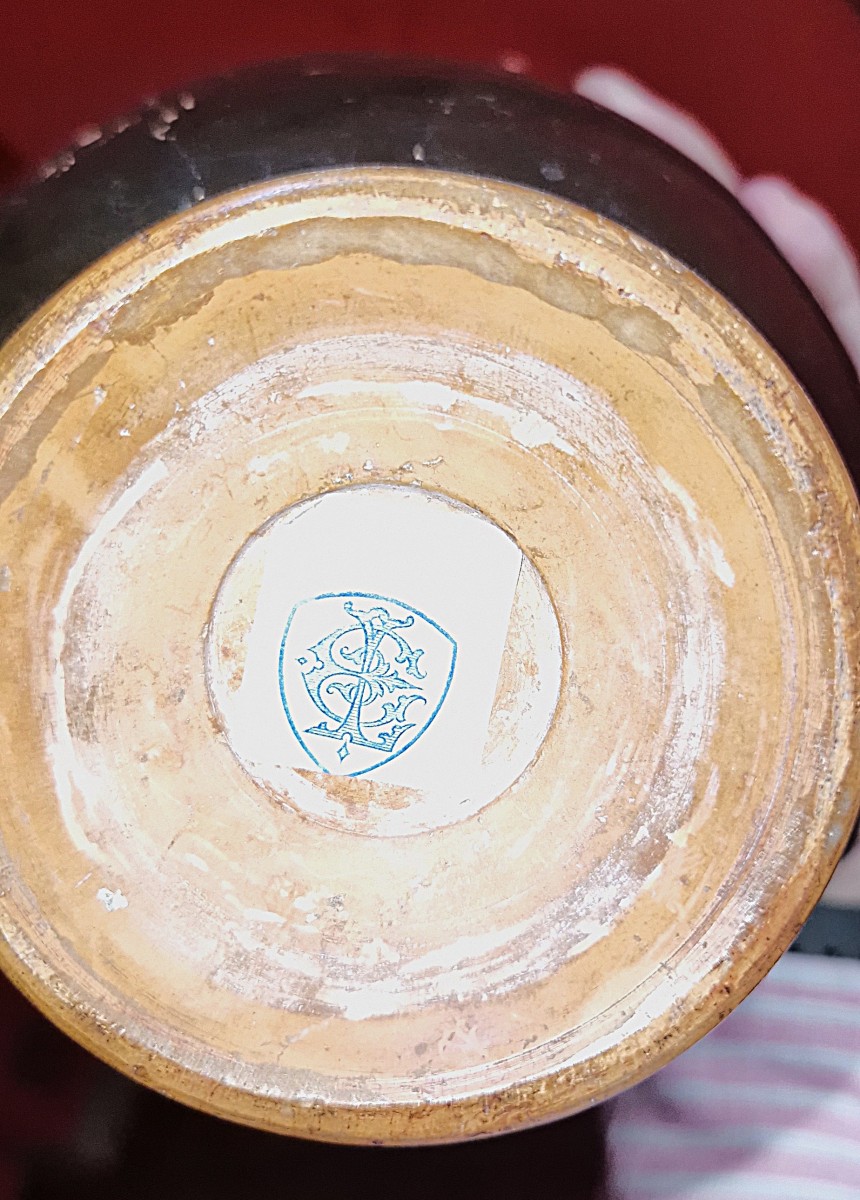
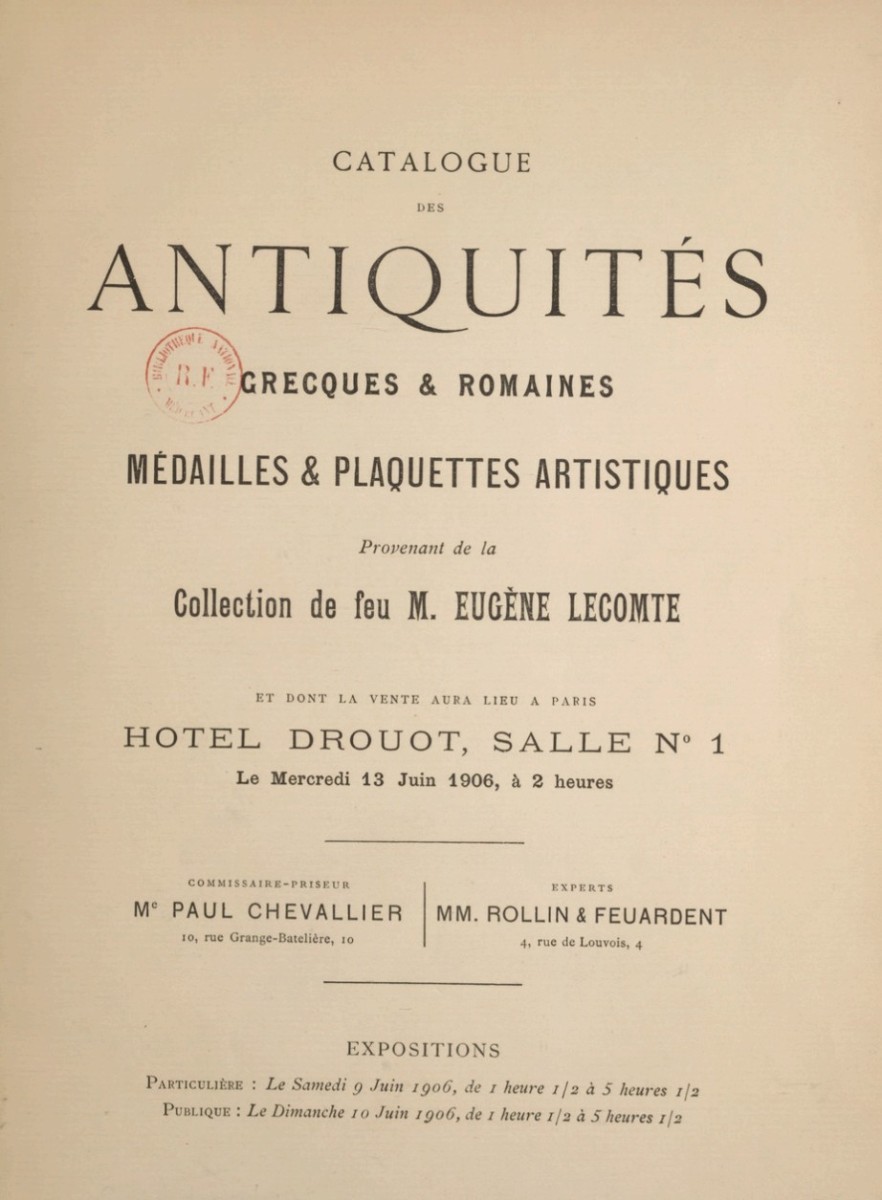
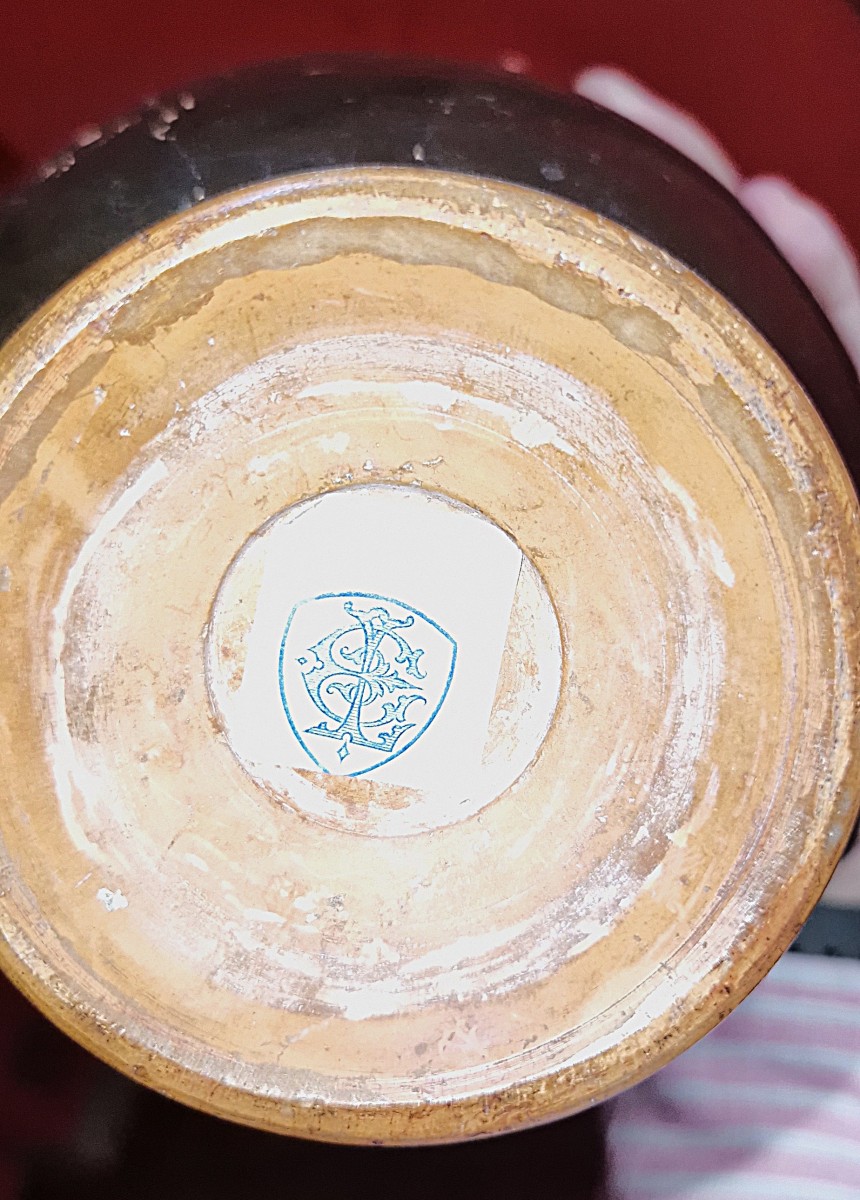
Then Eugène Louis Lecomte (1828–1906) (his monogrammed “LC” label beneath the foot of the vase), a French stockbroker and collector of the late 19th century, whose collection was dispersed at Drouot from June 11 to 13, 1906. He was the maternal grandfather of Jean Cocteau. He was a member of the Société des Amis du Louvre and a close associate of His de la Salle, whose obituary he wrote in 1903.
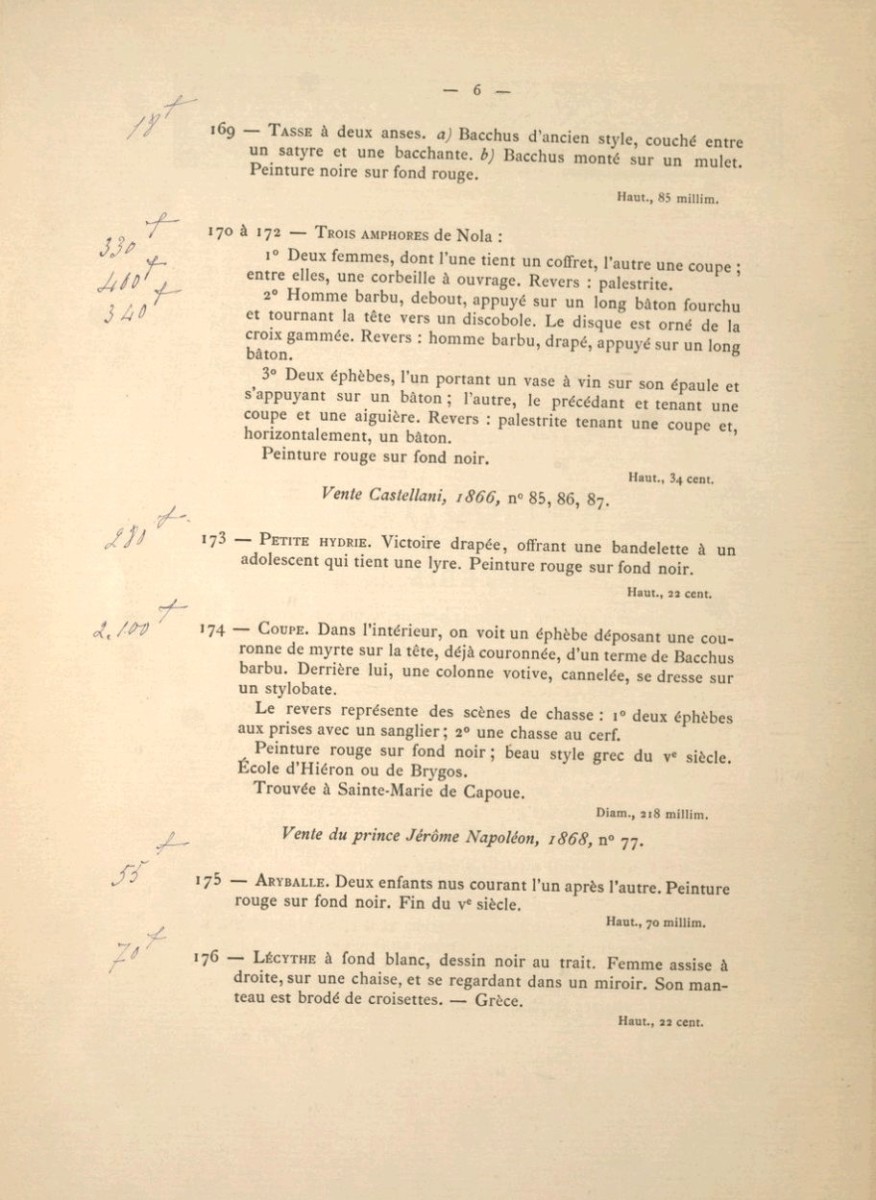
Bibliography: Catalogue des Antiquités grecques et romaines… provenant de la collection de feu M. Eugène Lecomte, Drouot, June 11–13, 1906, p. 6, no. 173 (sold for 280 francs).
Probably: Catalogue d’Antiquités et médailles provenant de M. B... de Naples, Drouot, February 26–27, 1868, p. 6, no. 26: “Hydria. Winged Diana; before her, Apollo holds a lyre, H. 21 cm.” (Could M. B. have been Raffaele Barone, an antiquities dealer in Naples?)
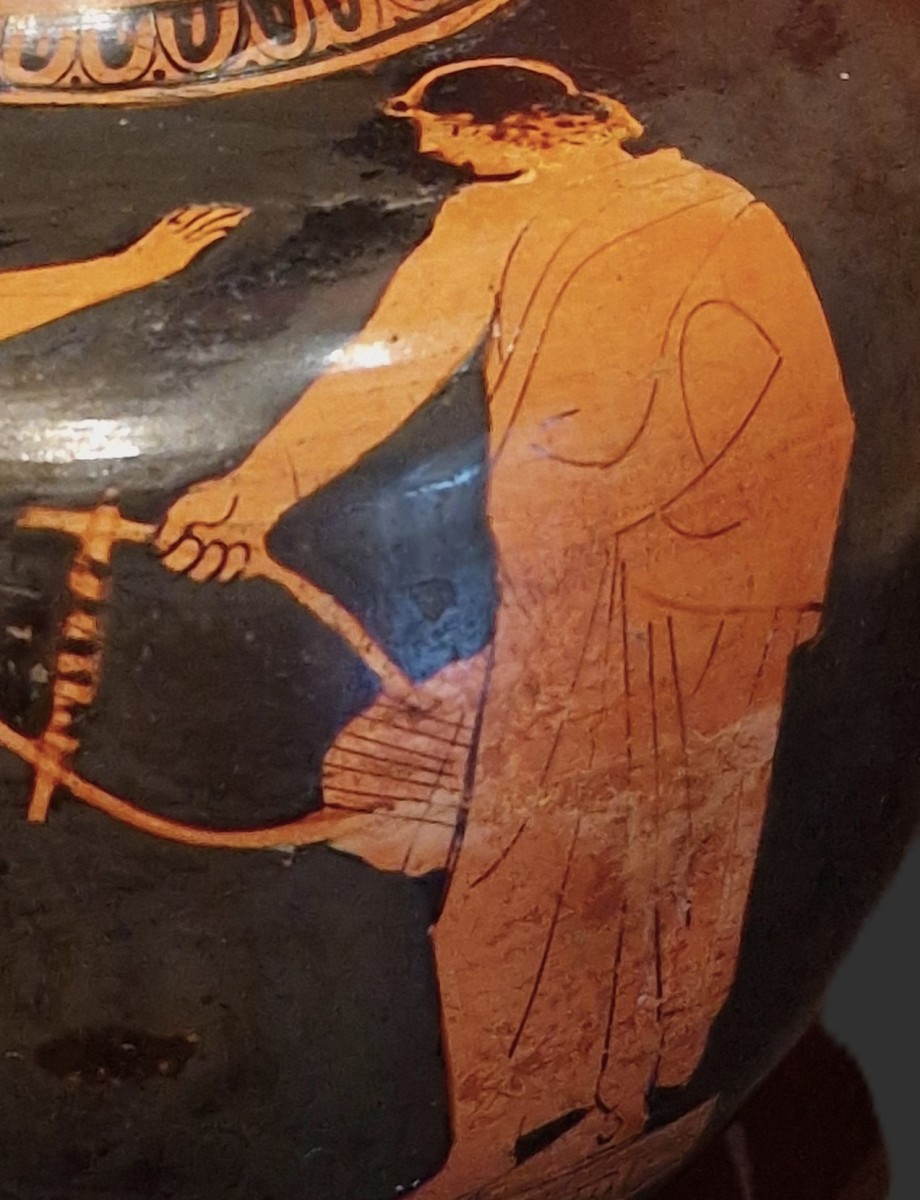
The scene depicted on this small hydria shows a winged woman (NIKE) facing a young ephebe holding a lyre (APOLLO?).
The treatment of the drapery is very close to that found on certain vases by the Aischines Painter, who nevertheless specialized in the extensive production of small red-figure or white-ground lekythoi.
Our hydria would therefore constitute a kind of unicum within the body of work of this artist, who was active in Athens around the middle of the Age of Pericles. A chous and at least one cup by this artist are also known.
The early provenance is confirmed by the vase's presence in the catalogue of the collection of Eugène Lecomte, whose monogrammed label is still found beneath the foot, and probably previously in the collection of M. B… of Naples in 1868, where it is described with a slight discrepancy of 1 cm, although it is very probably the same object.
The vase, which had been broken, was carefully restored using shellac to recover its original appearance.