Offered by Galerie de Frise
REQUEST INFORMATION

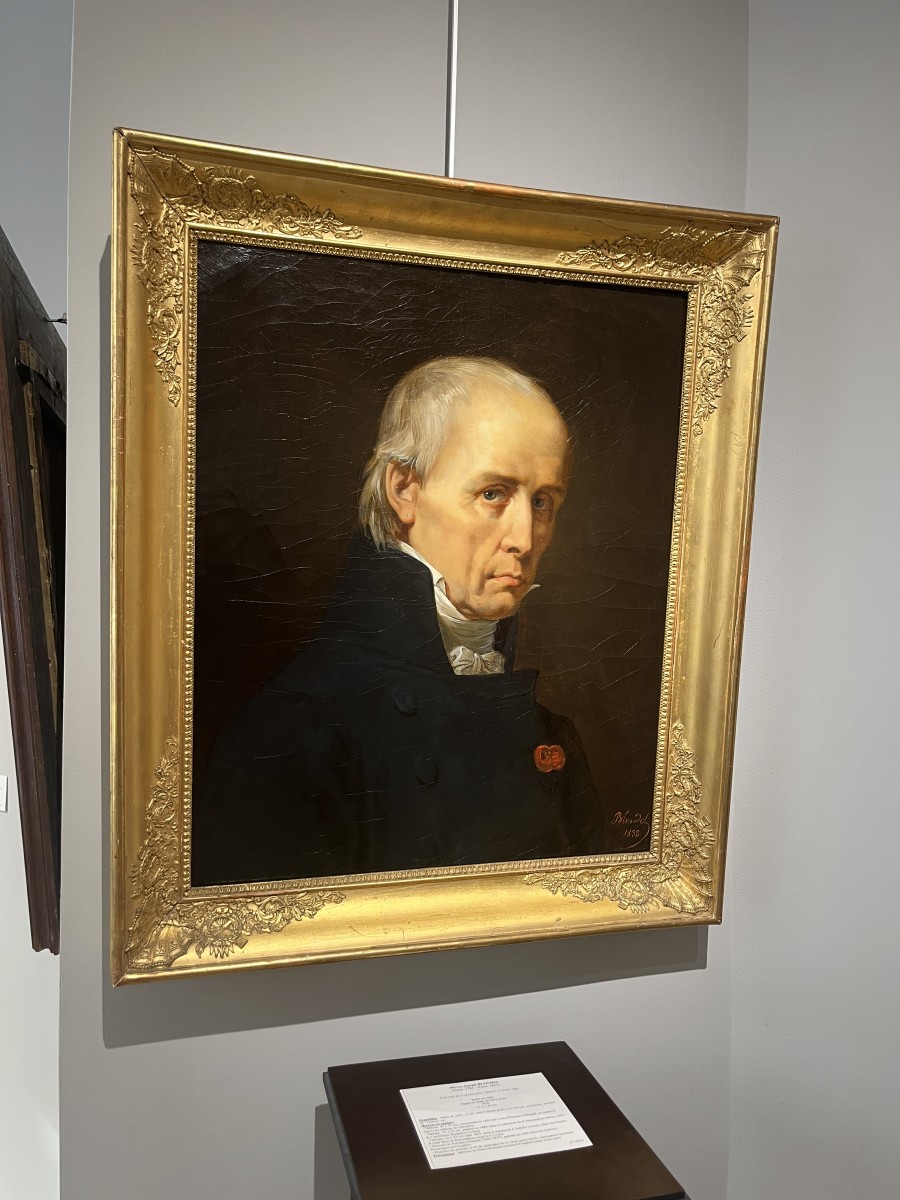
Merry-Joseph BLONDEL
(Paris, 1781 – Paris, 1853)
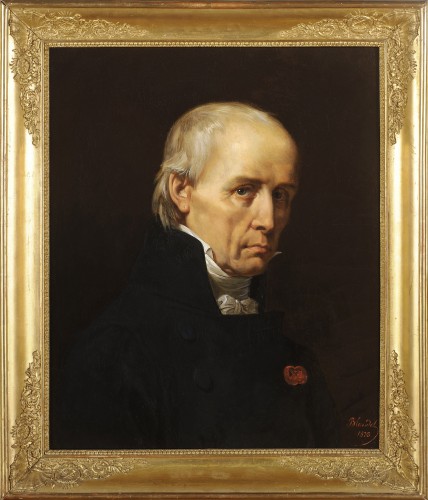
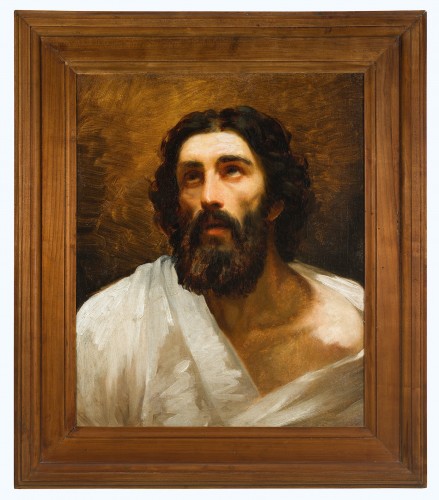
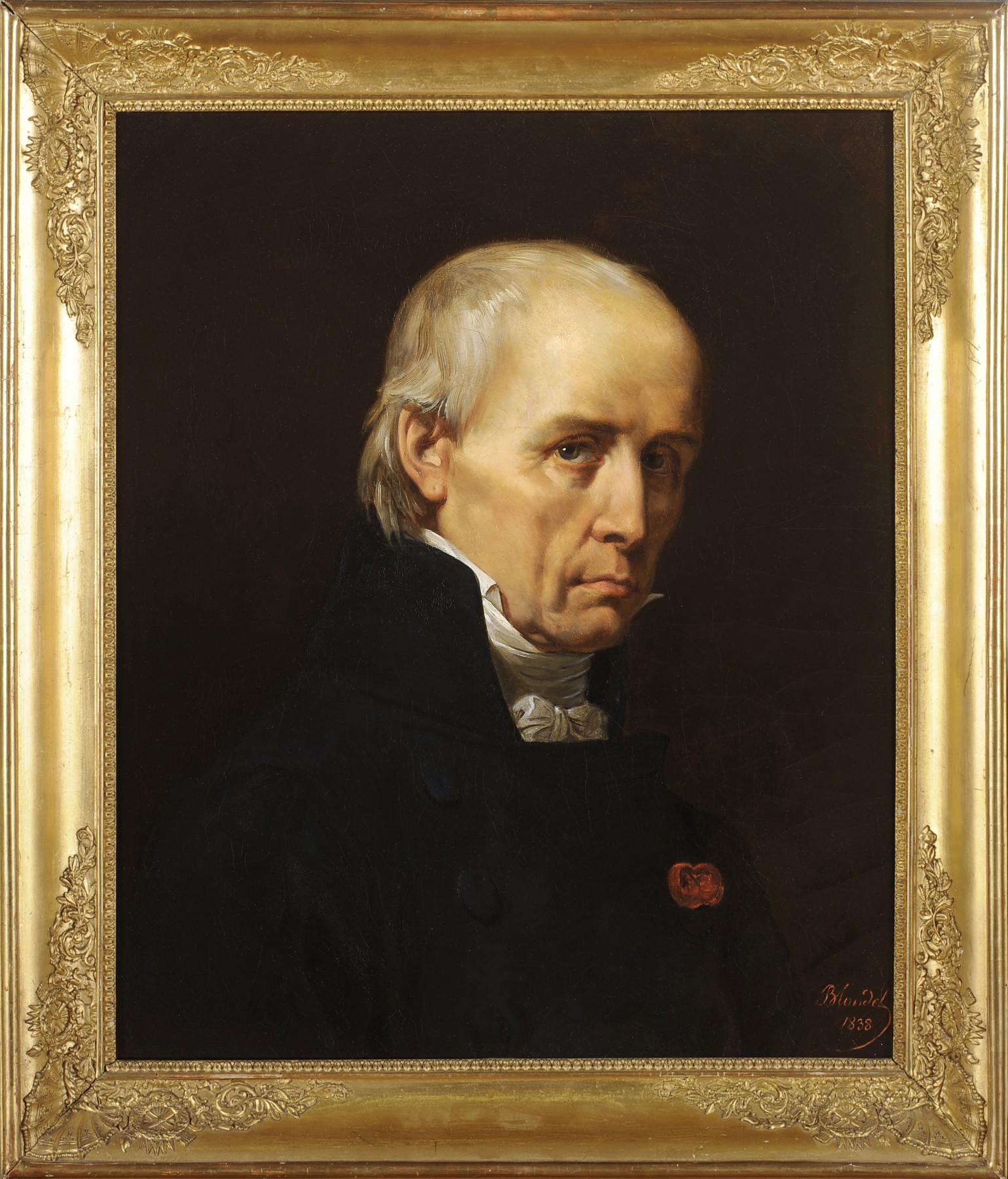
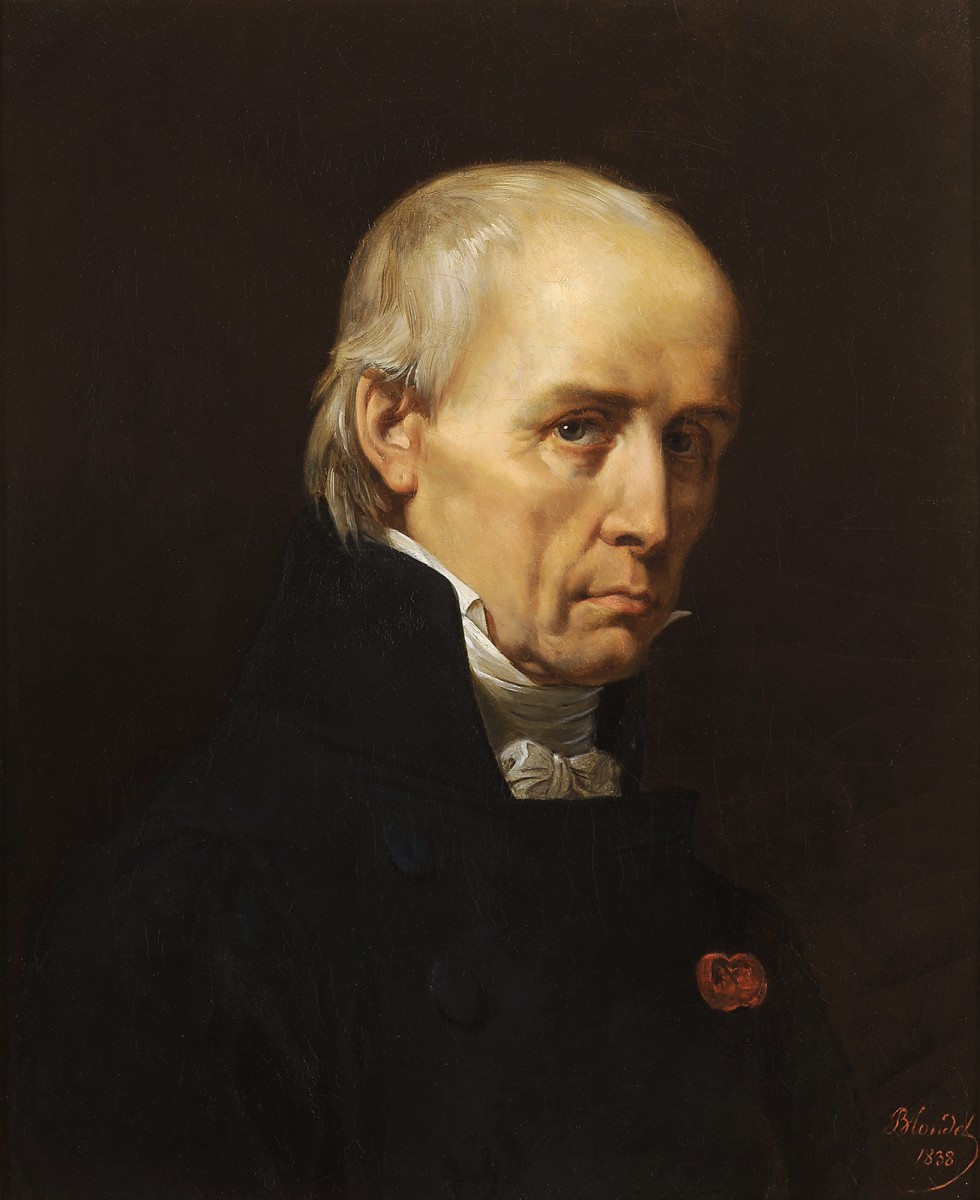
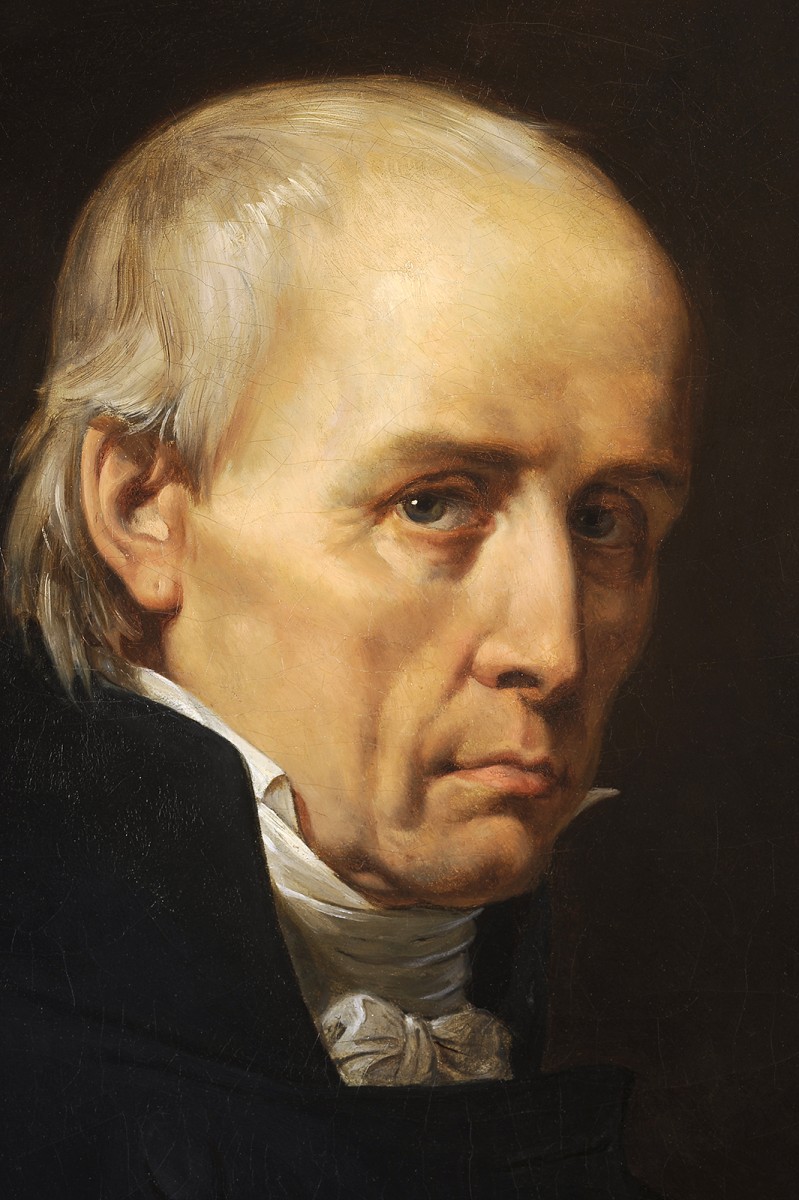
Portrait of Charles Percier in Old Age
Oil on canvas
H. 61.5 cm; W. 51 cm
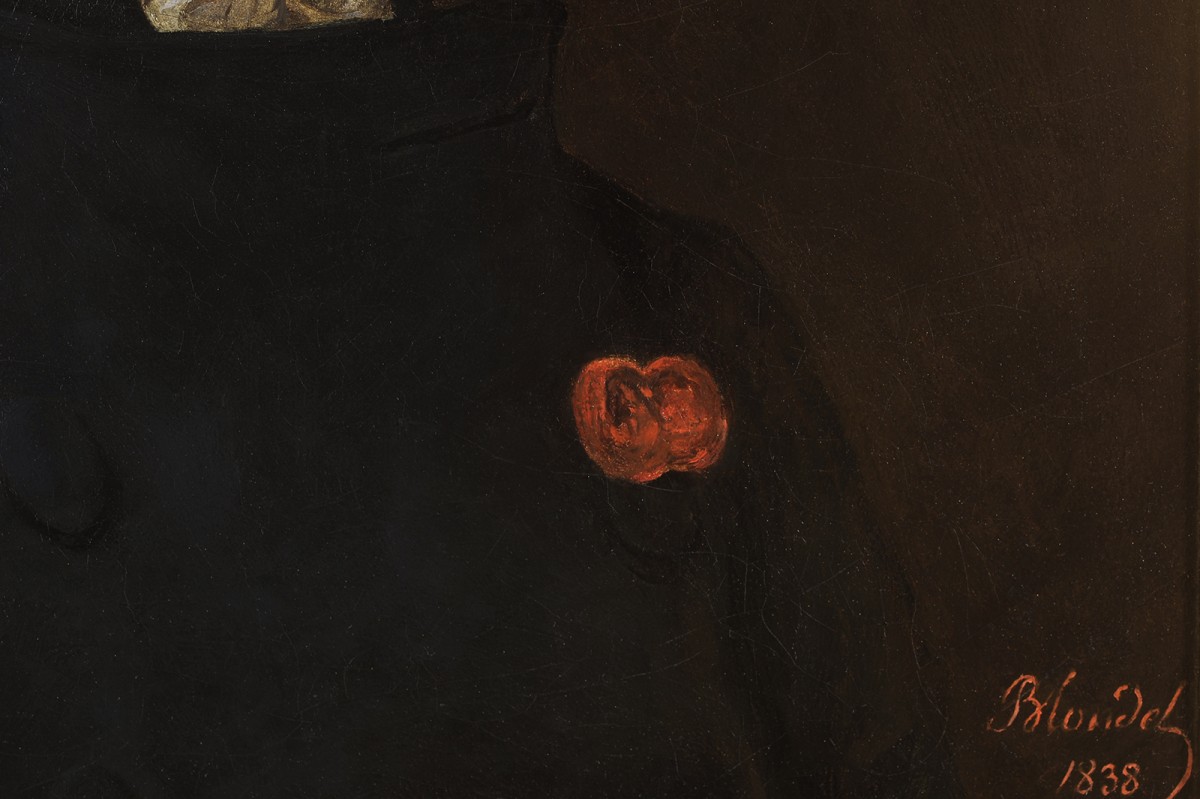
Signed and dated lower right
1838
Exhibition: Salon of 1839, no. 190, titled Portrait de feu Ch. Percier, architecte, membre de l’Institut, etc.
Related works:
- Painting, 64 × 53 cm, commissioned from Blondel by Louis-Philippe in 1840, and since preserved at the Palace of Versailles
- Painting, 30 × 20 cm, recorded in 1888 in the collection of Alexandrine Halévy (daughter of the architect Hippolyte Le Bas)
- Painting, 32 × 24 cm, dated 1839, in the collection of Achille Leclere, a pupil of Percier, and remaining in his descendants’ collection until recently
- Engraving by Polydore Pauquet (1800–1879), published in 1840 in the Galeries historiques de Versailles
- Sketch for the portrait, no. 49 in the catalogue of the posthumous sale, present location unknown
Provenance: heirs of Pierre-François Léonard Fontaine to the present day
Charles Percier (Paris, 1764 – Paris, 1838) needs little introduction: perhaps the greatest Neoclassical architect and decorator of the late 18th century and the first third of the 19th century, he is known, together with his colleague and friend Pierre-François Léonard Fontaine (1762–1853), as the inventor and principal representative of the Empire style.
Blondel was close to architectural circles. In 1811, in Rome, he painted the portrait of Hippolyte Le Bas, himself a pupil of Percier, and probably that of Achille Leclere. The second Exposition des Portraits du siècle, held at the École des Beaux-Arts in Paris in 1885, moreover presented this portrait of Le Bas and another of Percier, both belonging to Alexandrine Halévy, Le Bas’s daughter. At the Salon of 1824, he also exhibited a Portrait de M***, architecte (very probably that of Jean-Baptiste Lepère, painted in 1823) and the portrait of Hurtault (both paintings are preserved at the Louvre), followed in 1843 by that of Alphonse de Gisors.
Fontaine — of whom Blondel drew a portrait that appeared in the artist’s posthumous sale — was also a witness at his marriage in 1832 to the daughter of the painter Pierre Maximilien Delafontaine.
This closeness can probably be explained firstly by the fact that Blondel’s elder brother, Charles-François-Armand (1770–1854), was himself an architect. Secondly, through the nature of his decorative commissions, Blondel was brought into contact with architects on various projects, including those at the Louvre and Fontainebleau directed by Fontaine and Percier in the early 1820s; it was certainly during this period that the first ties between Blondel and Percier were formed. Having become friends, they would also have frequent opportunities to meet at the Académie des Beaux-Arts and on competition juries.
Described in the Salon catalogue as “painted from memory” — Percier died on September 5, 1838, implying that our painting was executed during the final quarter of that year — Percier appears here with a thoughtful and melancholic expression, wearing the clothes of his youth. Blondel nevertheless clearly depicts the pierced lobe of his ear, thus recalling that Percier — aptly named — was one of the first “celebrities” to embrace piercing!
Highly fashionable among men during the Renaissance, particularly in England (see King Charles I’s pearl earring), the wearing of an earring returned to fashion in France under the Directoire and became widespread during the First Empire, notably within the army. This aesthetic was also found in artistic circles in Rome at the end of the 18th century, as a symbol of a certain freedom or nonconformity. It was during his stay in Rome before the Revolution that Percier adopted this practice, which he continued after returning to Paris for almost his entire life, as several written accounts attest. This earring is clearly visible in a painting by Robert Lefèvre dated 1807.