Offered by Didascalies
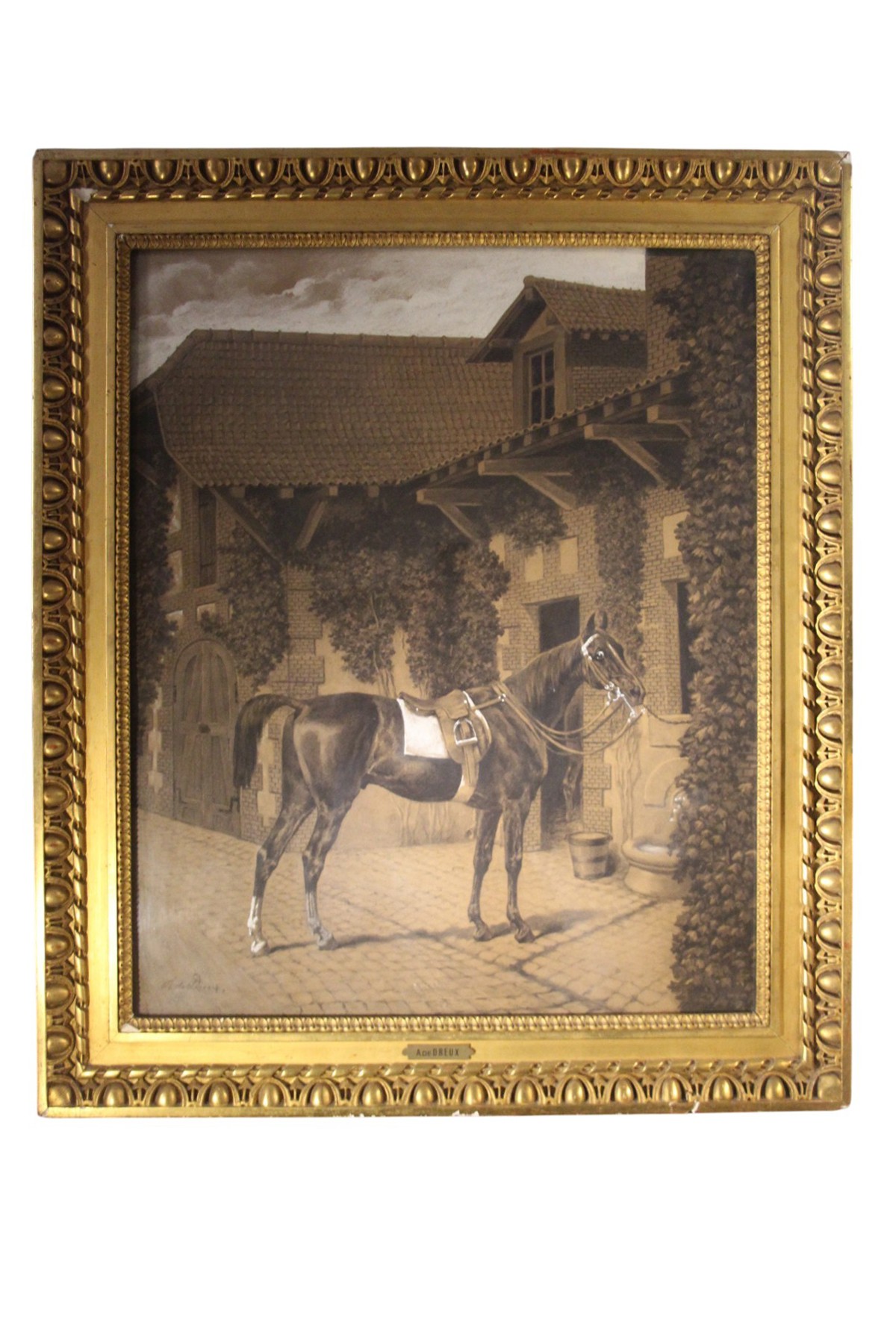
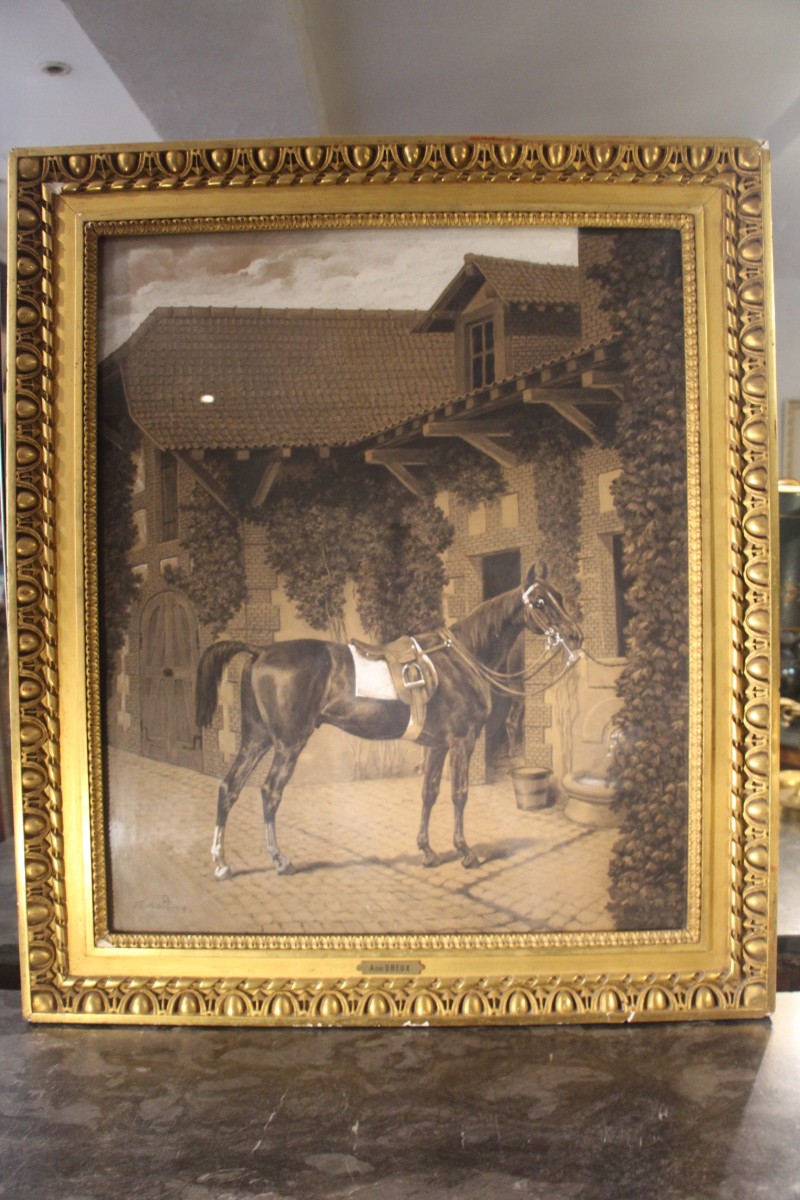
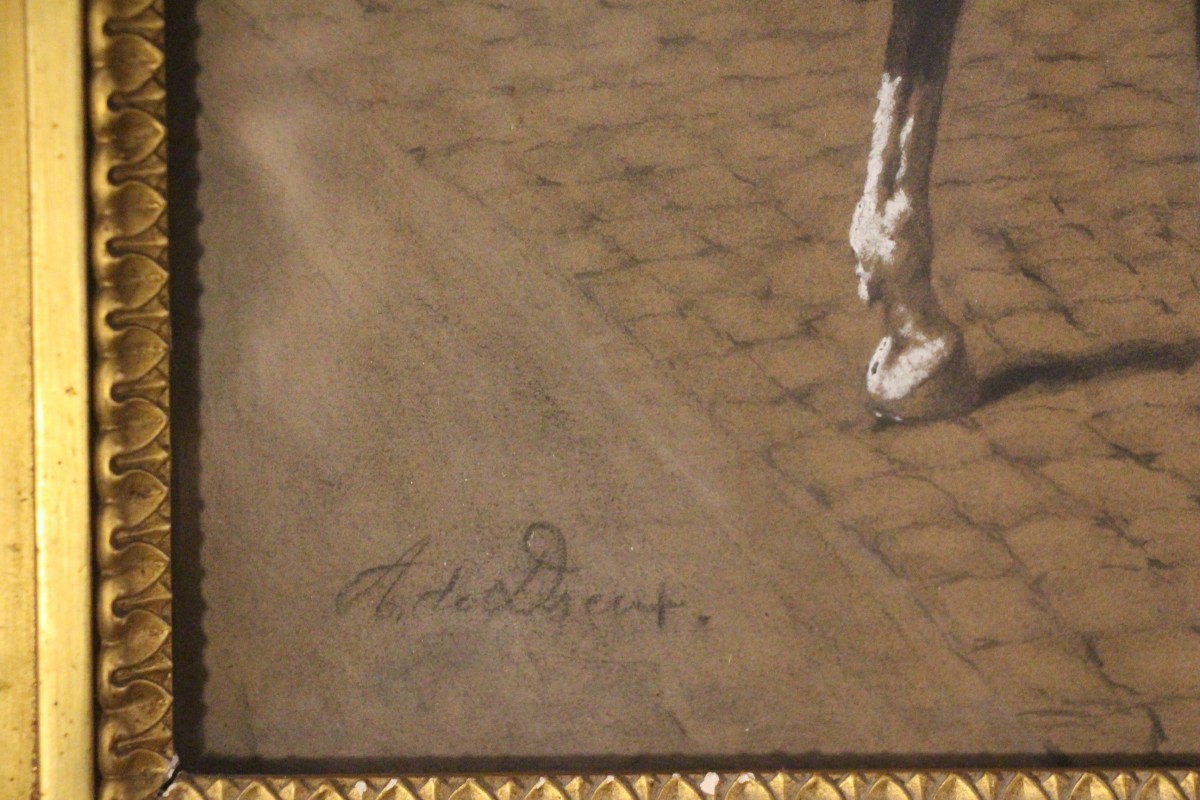
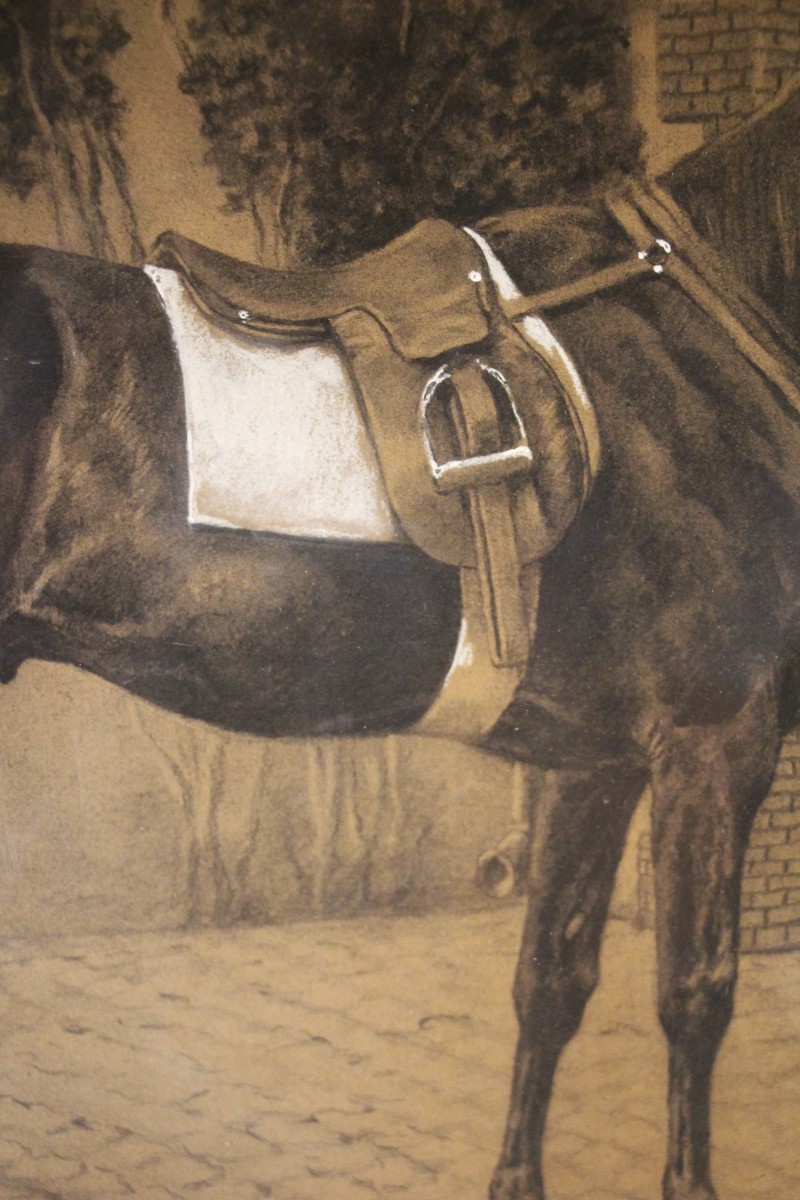
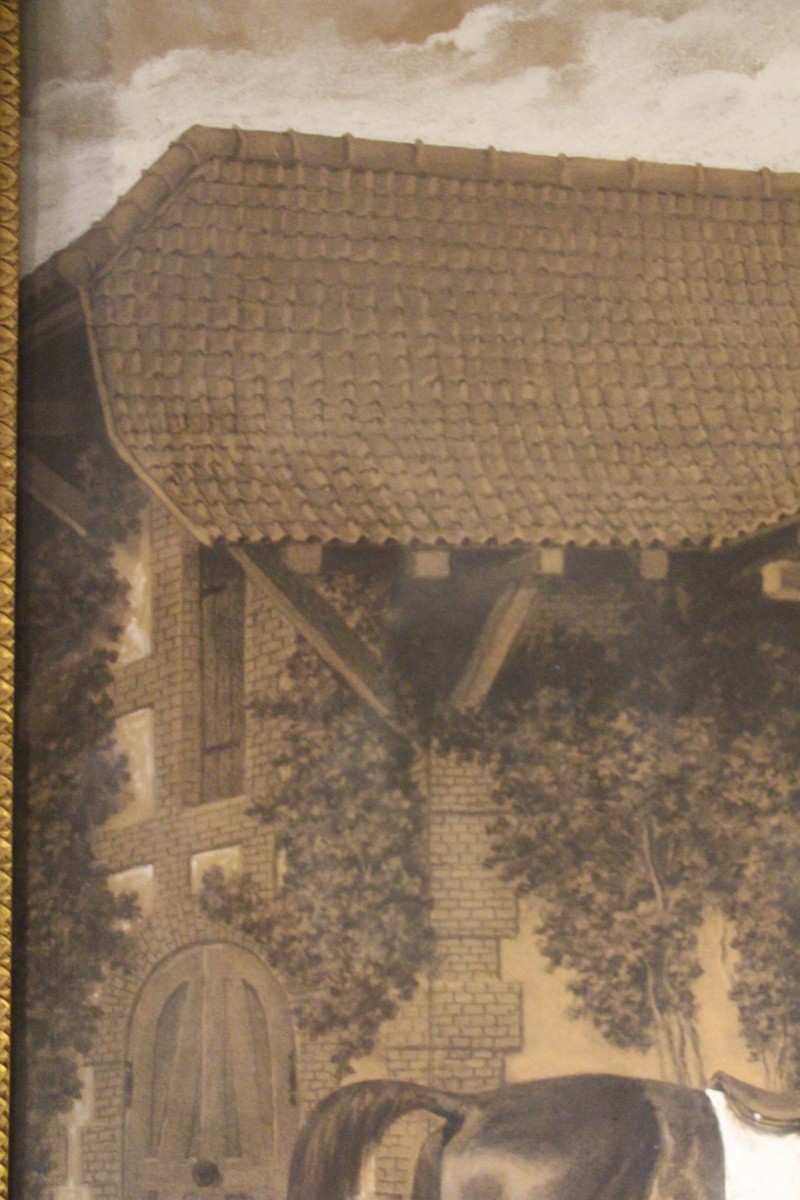

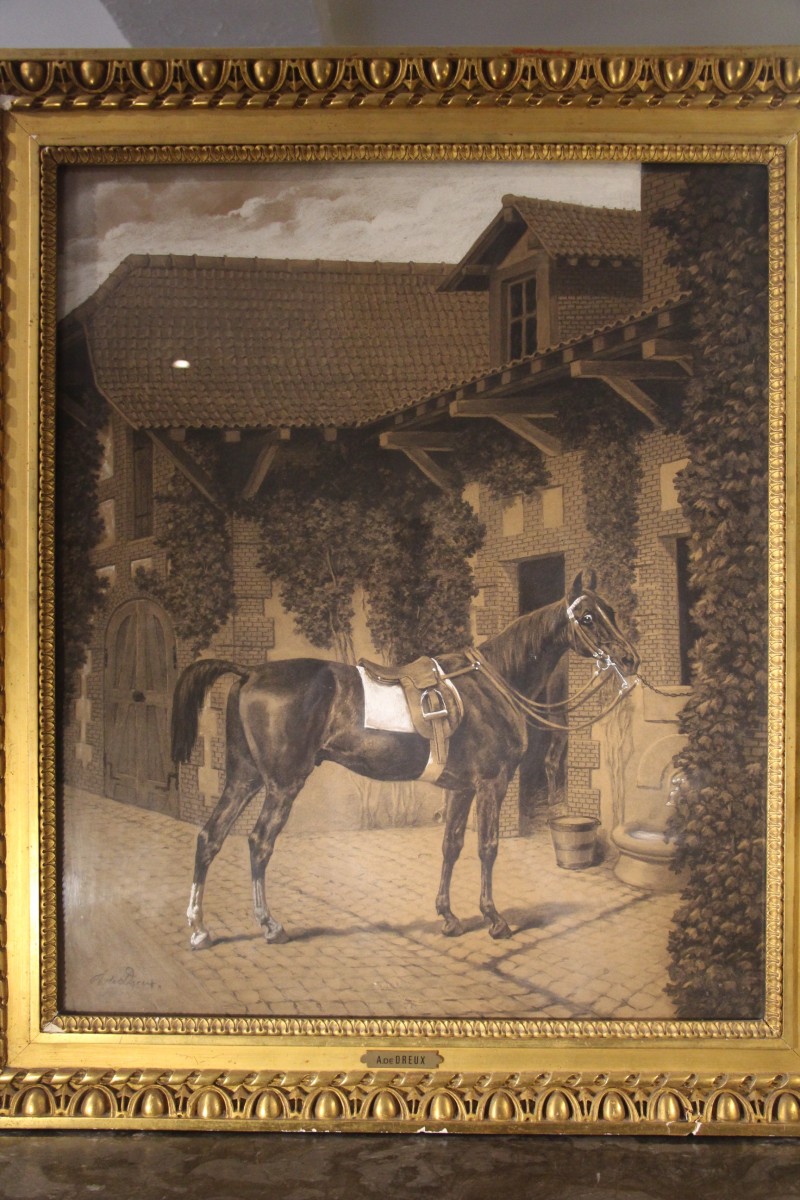
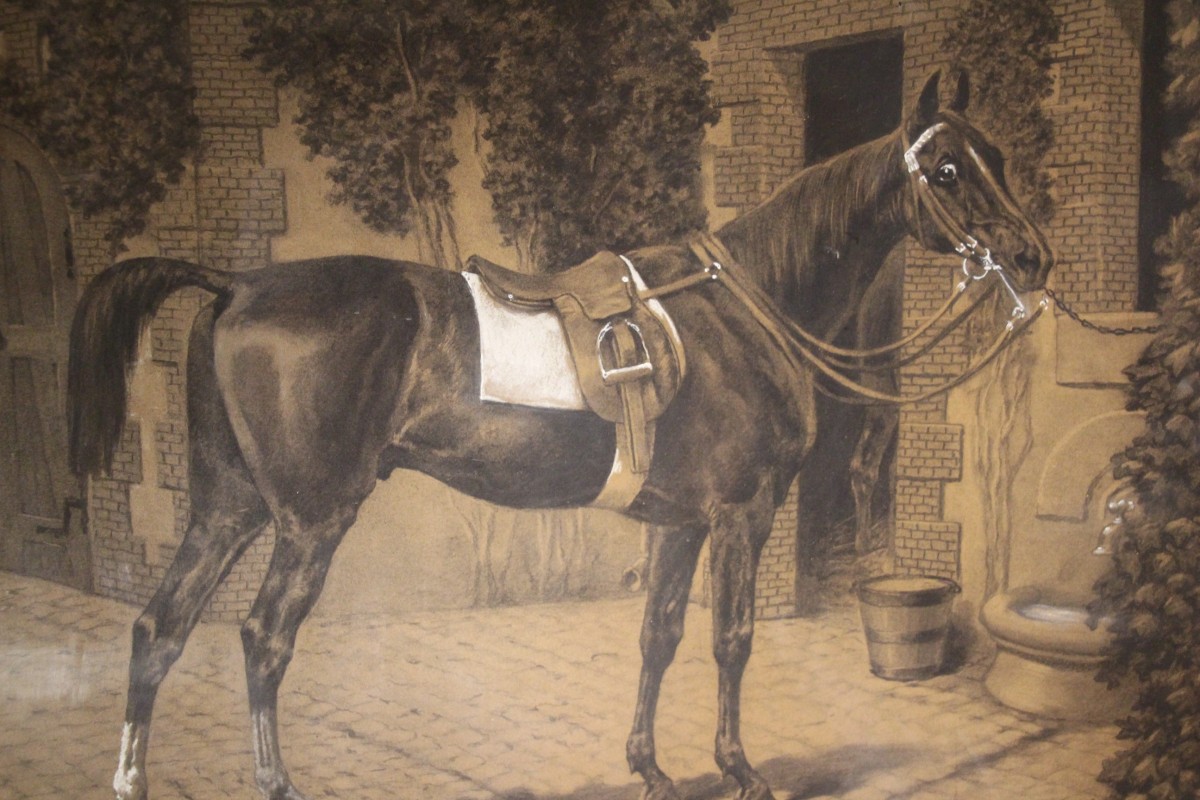
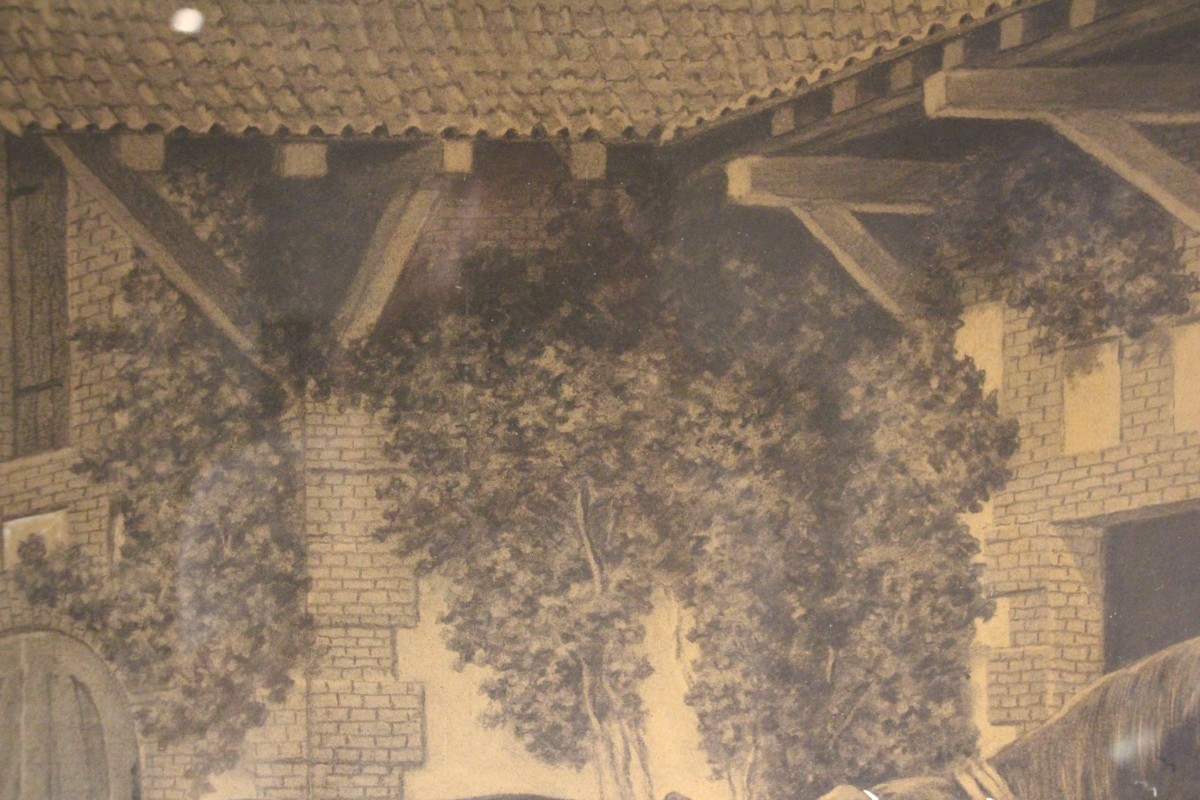
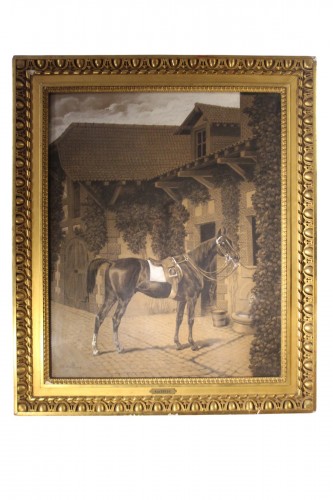
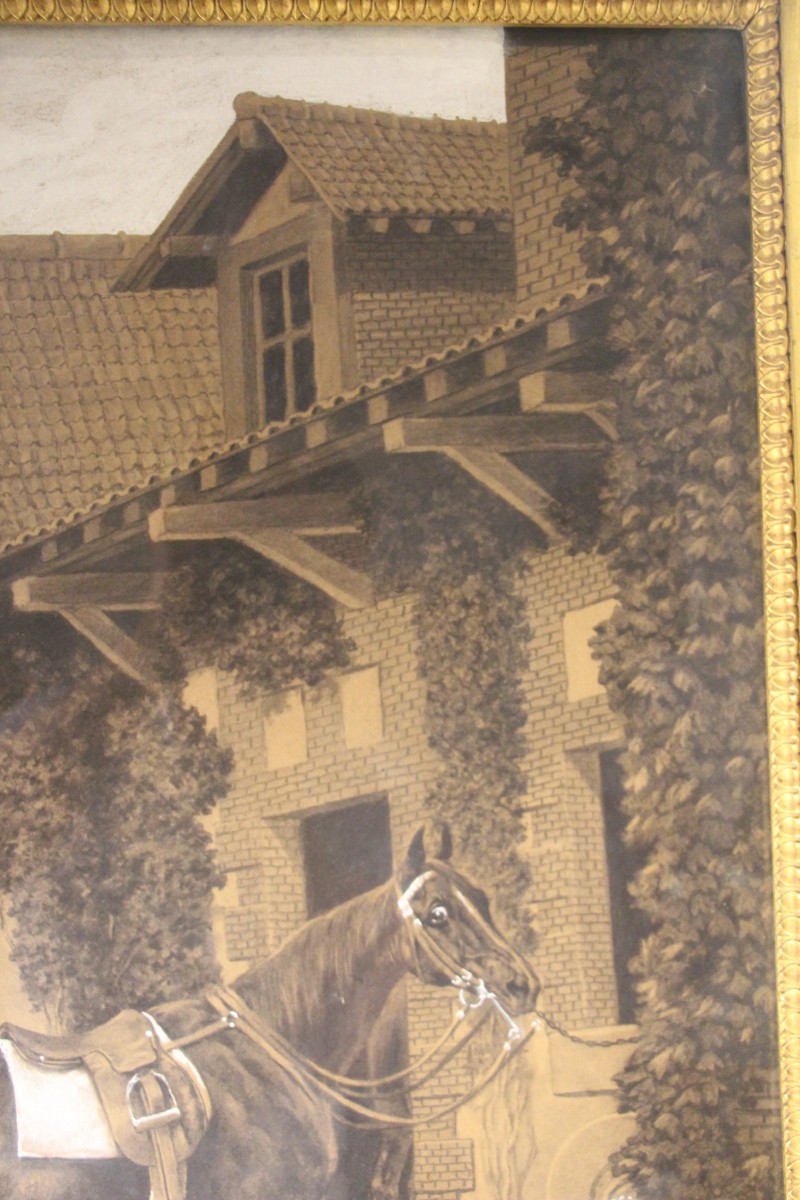
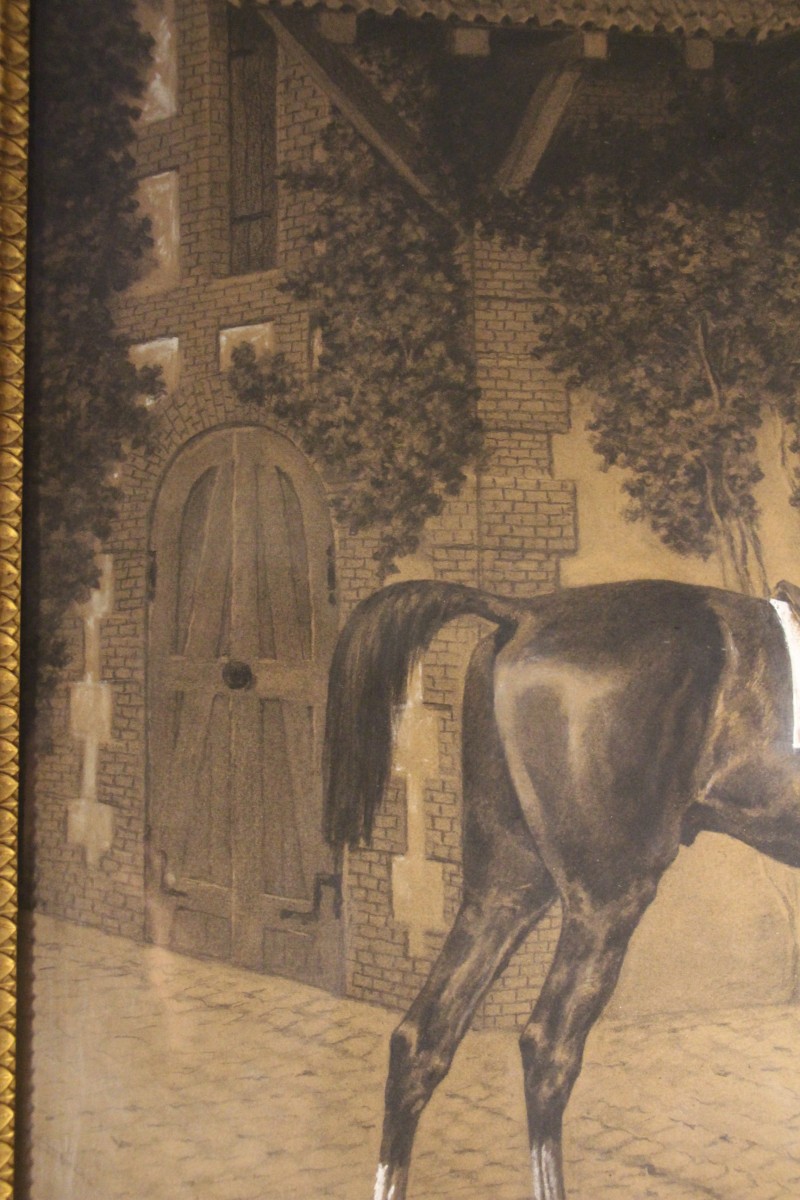
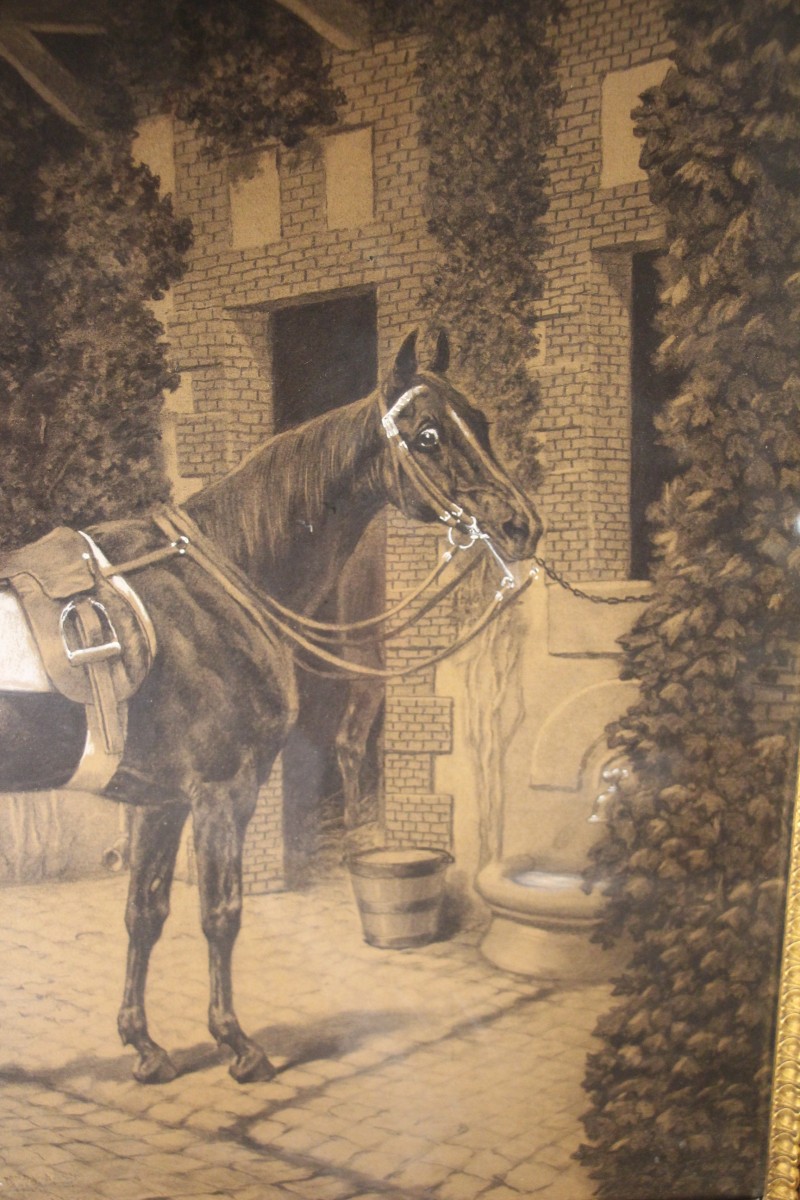
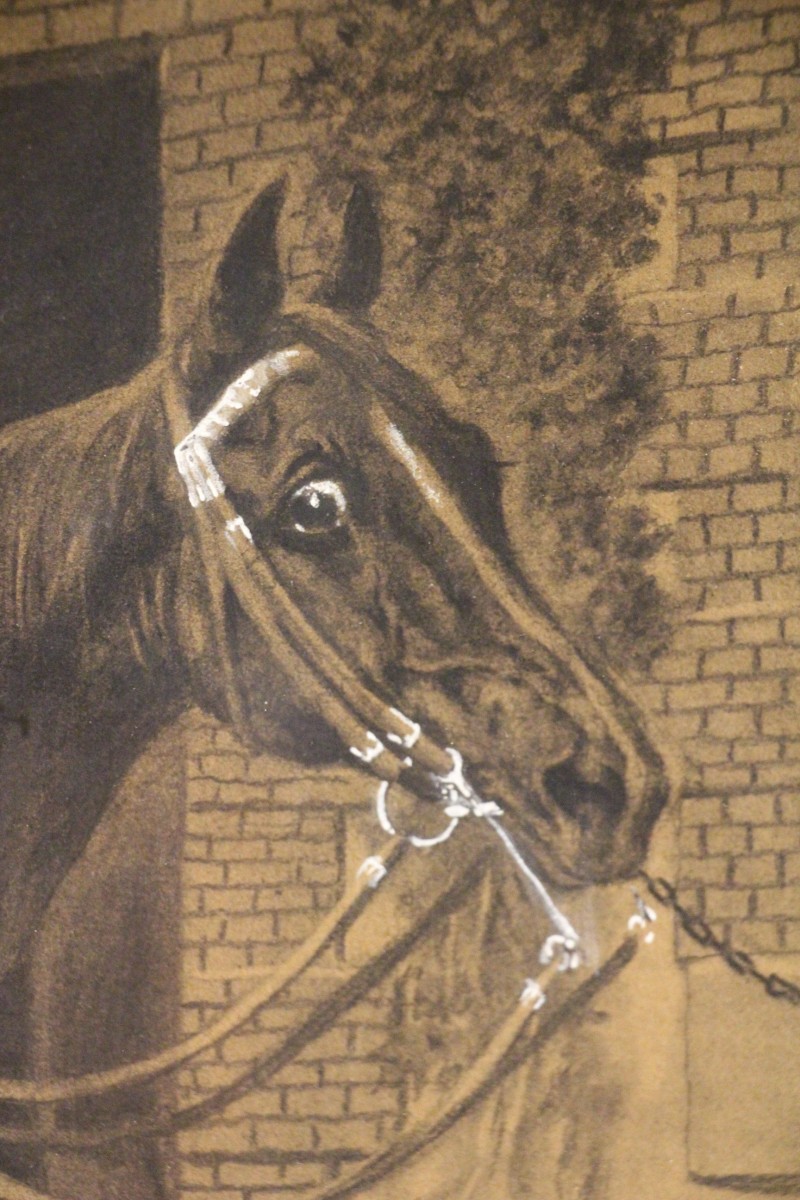
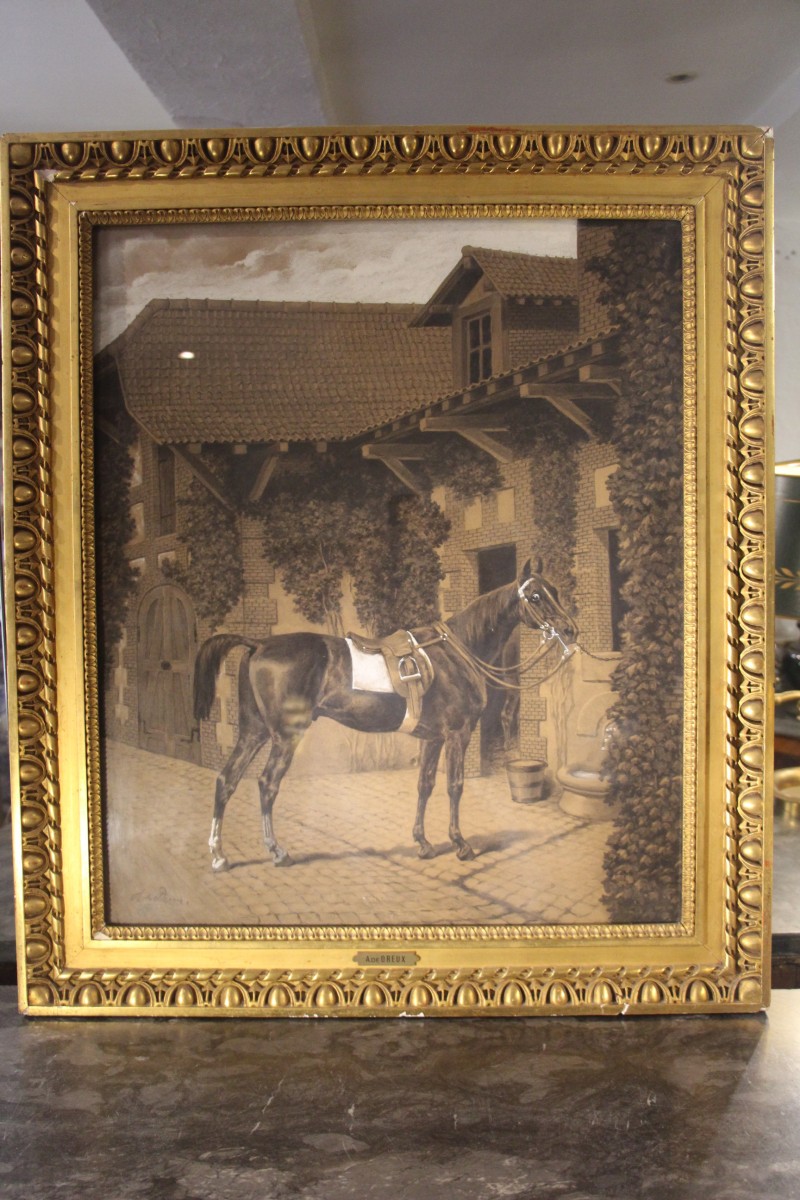
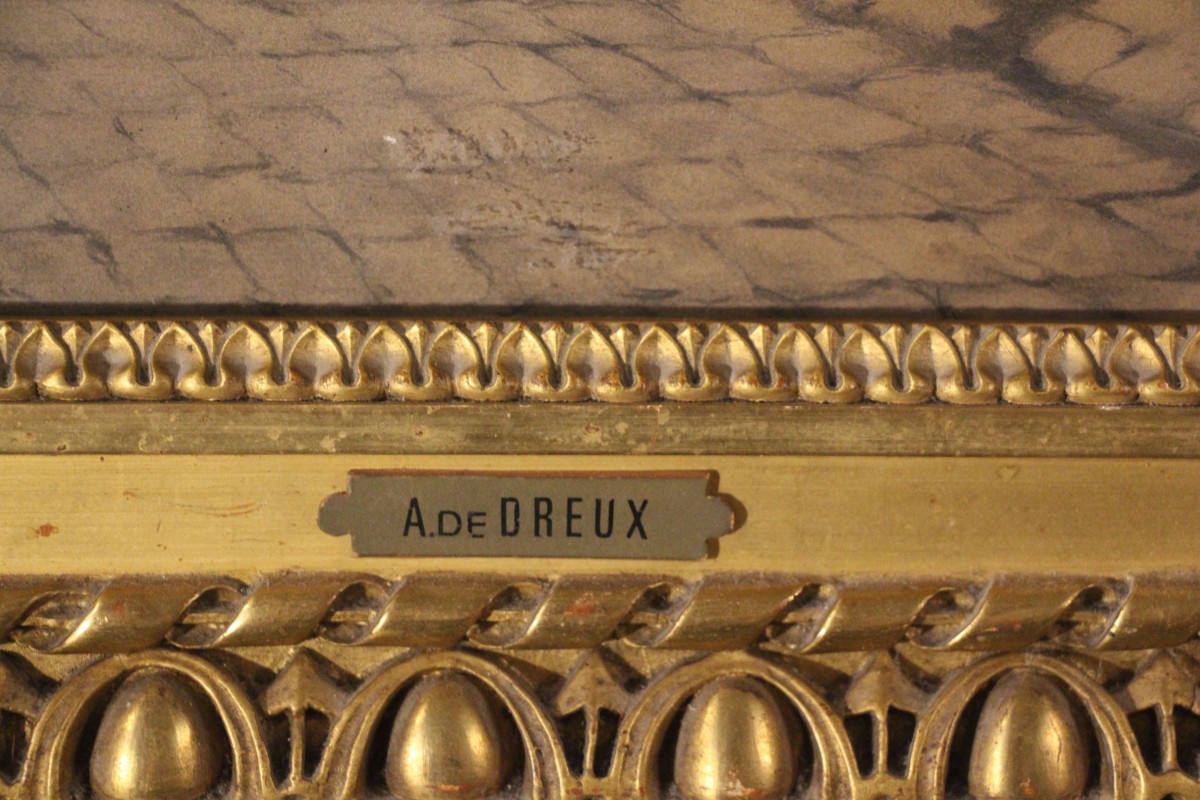
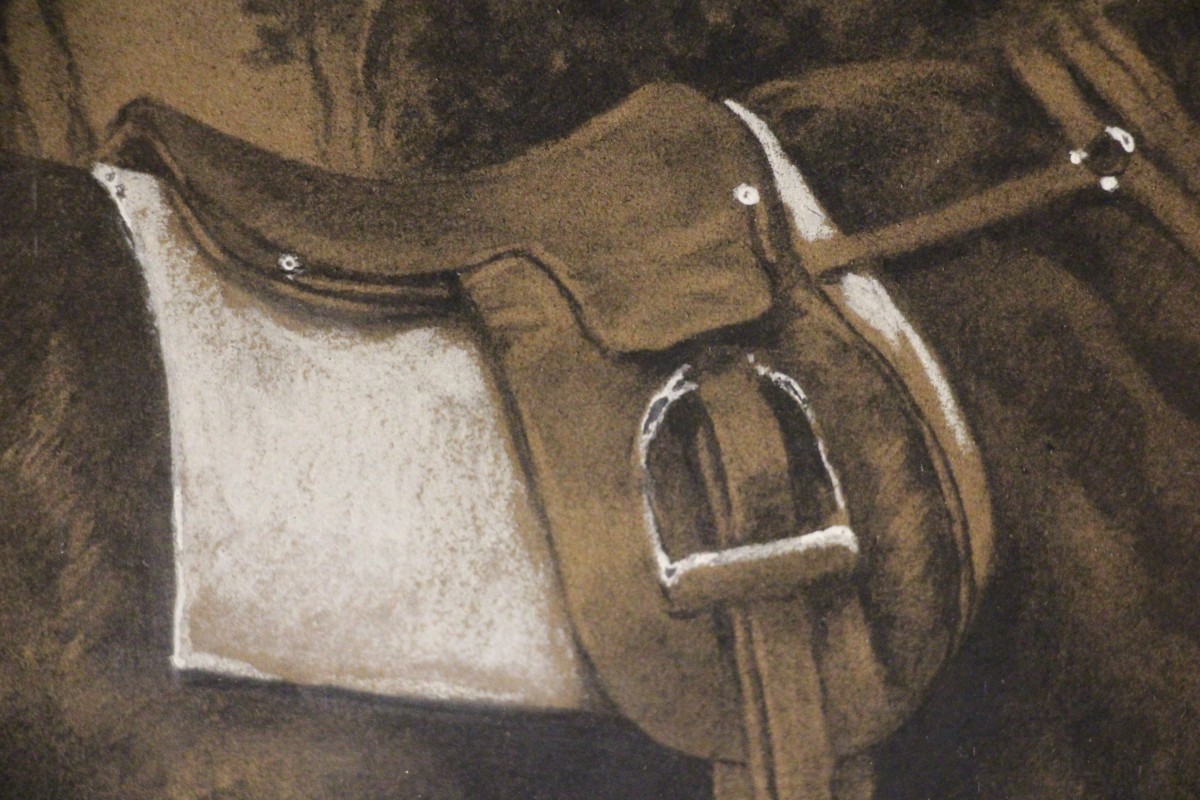
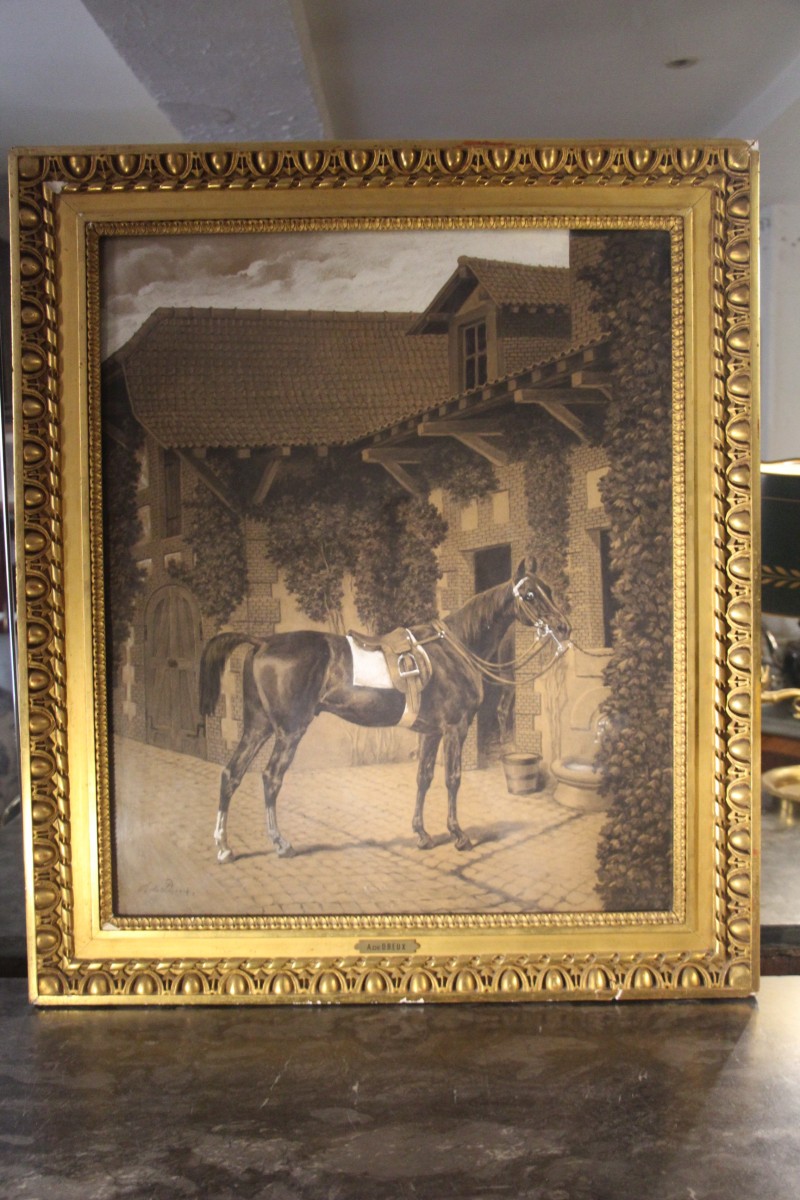
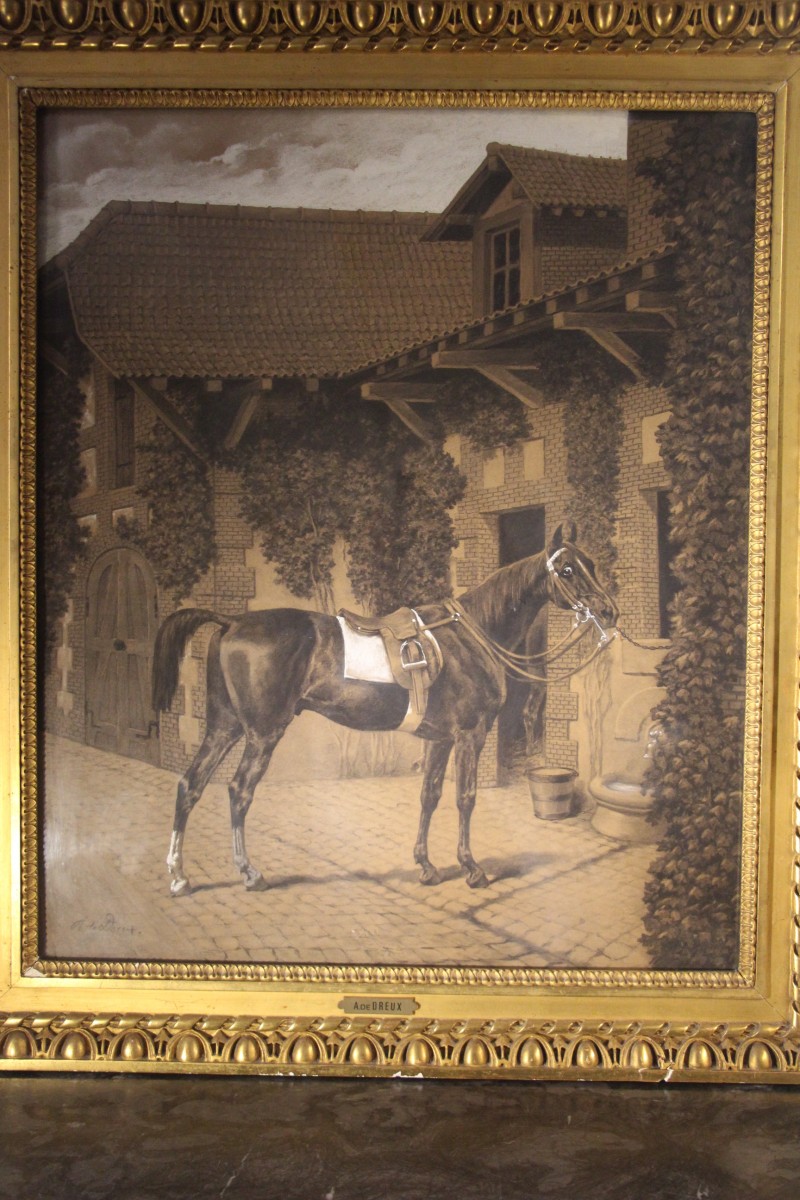
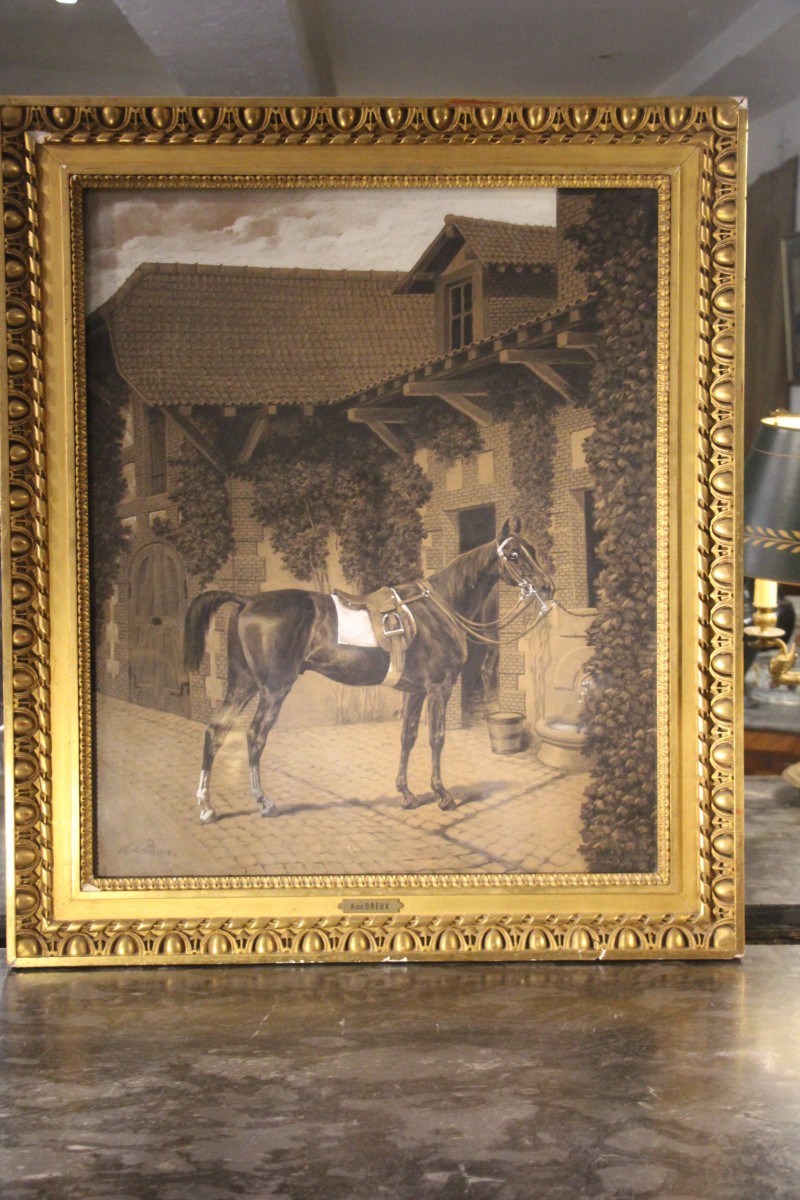
Rare gouache depicting a “Harnessed Horse,” signed by Alfred de Dreux, born and died in Paris (March 23, 1810 – March 5, 1860), a French portrait and animal painter who specialized in the depiction of horses.
Private collection.
In perfect condition.
Dimensions:
Frame: H. 80 cm × W. 69 cm
Gouache: H. 65.5 cm × W. 55.5 cm
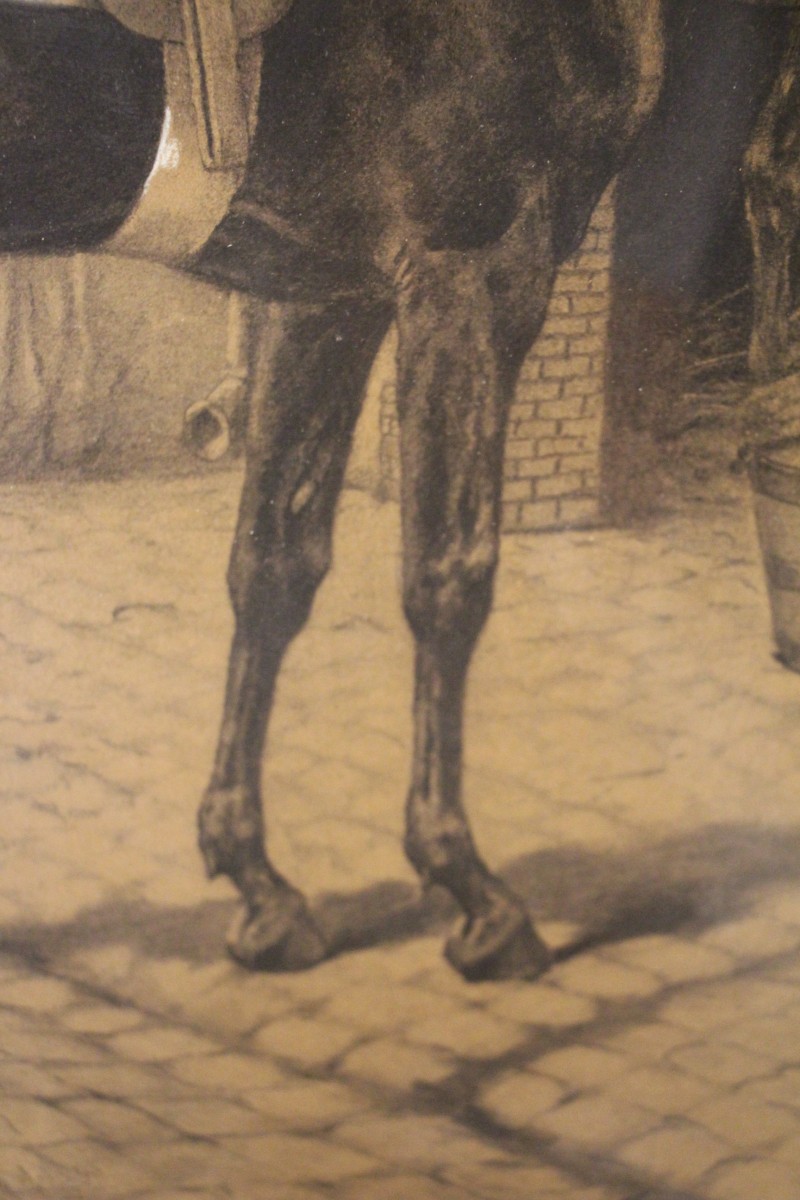
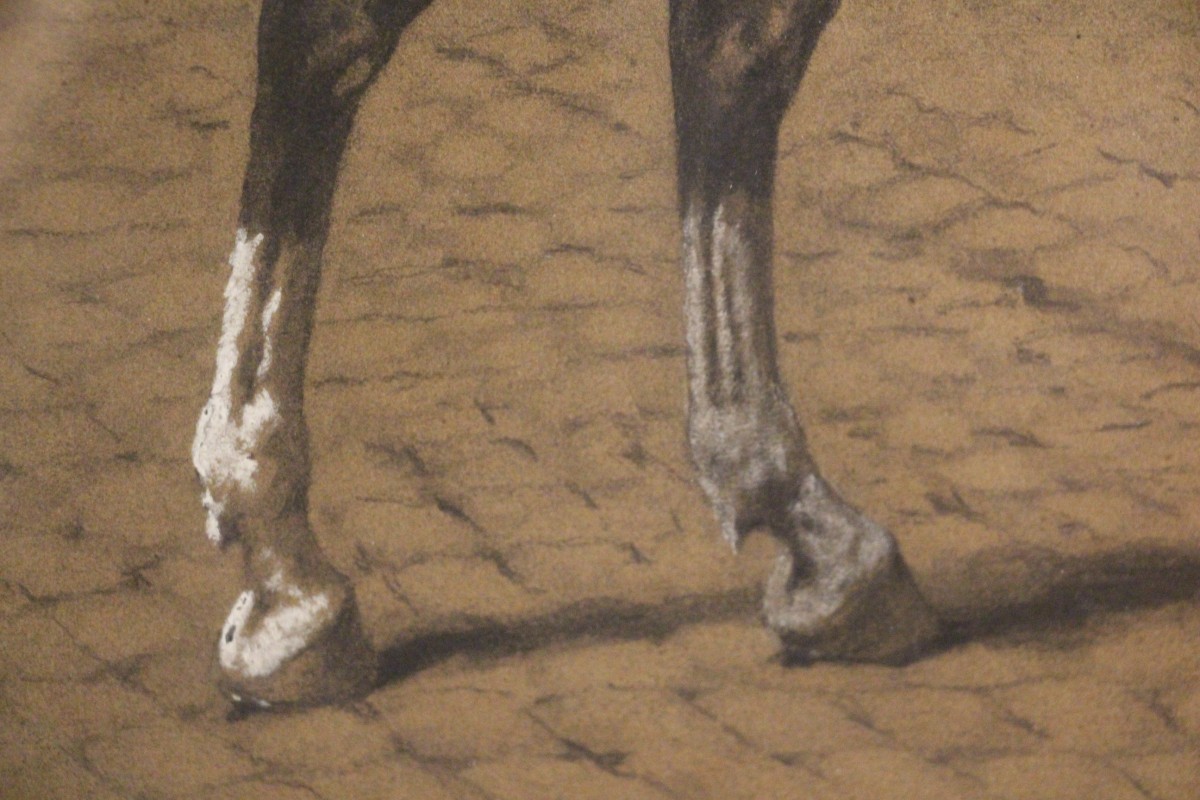
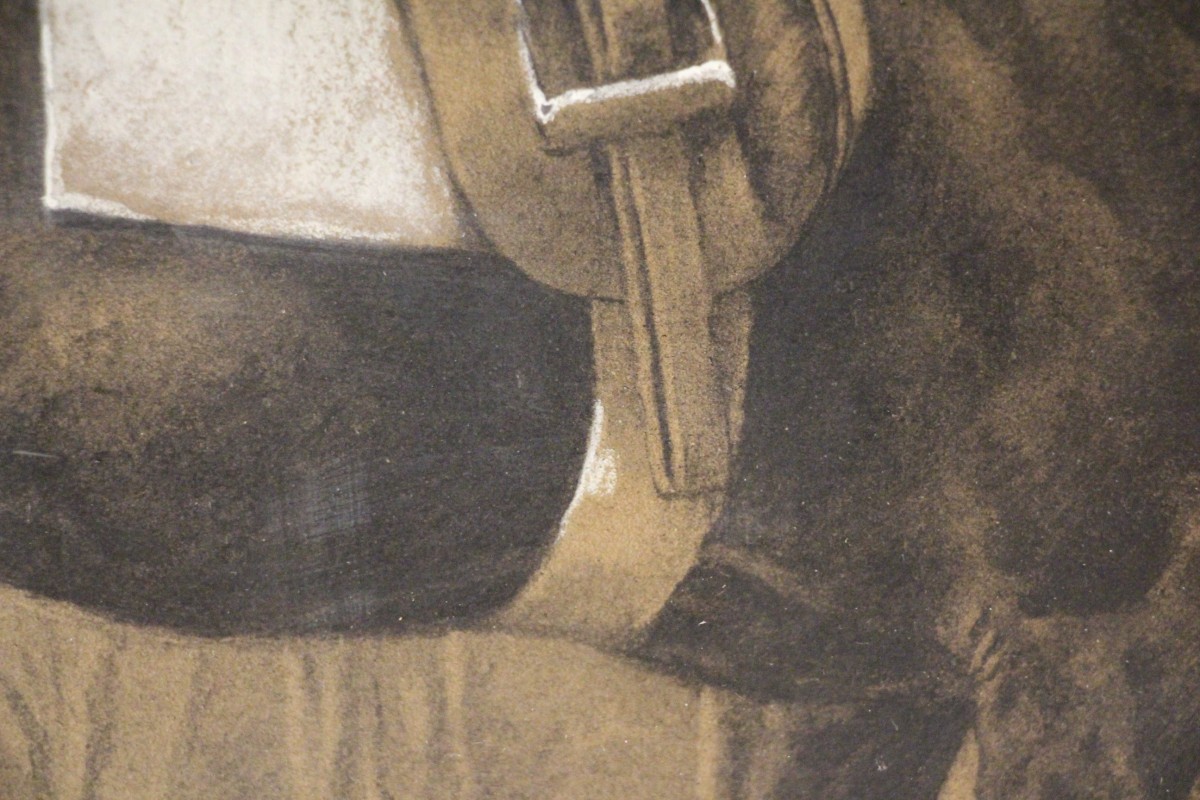
The gouache heightened with charcoal and pencil that we present is of remarkable quality, both for its attention to detail, the virtuosity of its technique, and its realism.
History:
Pierre Alfred was the first child and only son of Pierre Anne Dedreux (1788–1834), architect, and Elisabeth-Adélaïde Colin (1785–1874), who lived at 9 Rue Taitbout.
His two sisters were Thérèse Elisabeth, known as Elise (1812–1846), and Louise Marie Anaïs, known as Louise (1824–1891).
Alfred spent some time with his family at the Villa Medici, his father having won the Grand Prix de Rome for architecture in 1815.
In 1823, encouraged by his uncle, the painter Pierre-Joseph Dedreux-Dorcy (1789–1874), he studied painting under Théodore Géricault and later Léon Cogniet. The horse was already his favorite subject, as demonstrated by study sketches from this period.
His first major canvas dates from 1825 and is a copy of Théodore Géricault’s Mazeppa (1823).
In 1831, he exhibited at the Paris Salon for the first time. He would exhibit there regularly until 1859. The following year, he produced his first equestrian portrait of the Duke of Orléans (son of Louis-Philippe I).
In 1842, he received his first State commission for an equestrian portrait of the Duke of Orléans and his guard.
In 1848, he followed Louis-Philippe into exile in England and became highly appreciated by the English aristocracy, whose members he portrayed on numerous occasions.
In 1852, he returned to Paris and established his studio at 26 Rue de Douai. He produced numerous equestrian portraits of the family and circle of Emperor Napoleon III.
On August 16, 1857, he was appointed Chevalier of the Légion d’honneur.
He died on March 5, 1860, from a liver abscess and was buried in Père-Lachaise Cemetery in Paris.