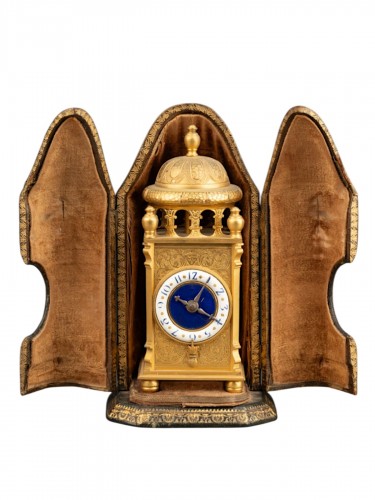
Offered by Franck Baptiste Provence
REQUEST INFORMATION
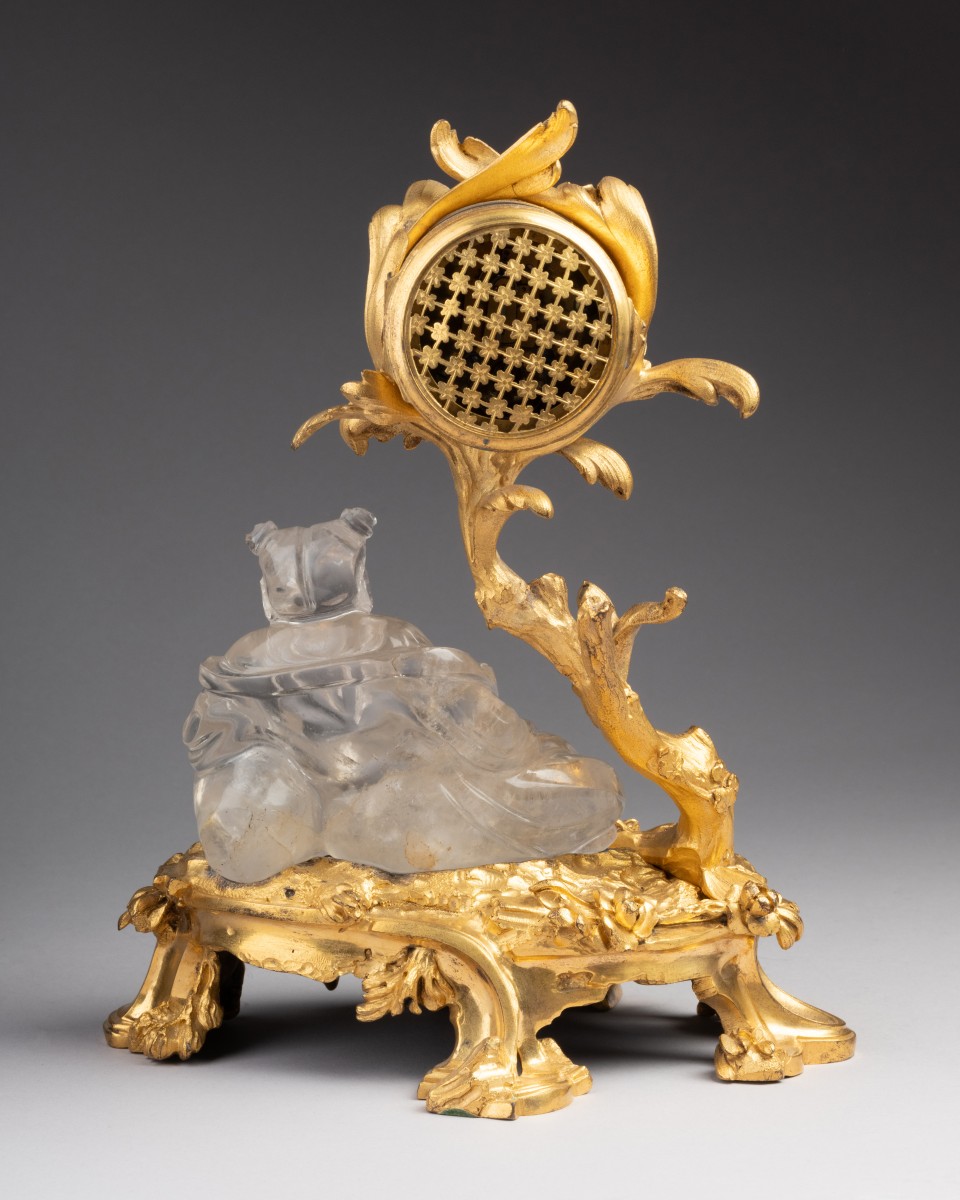

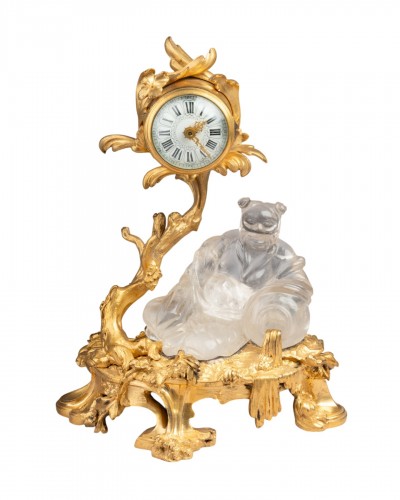
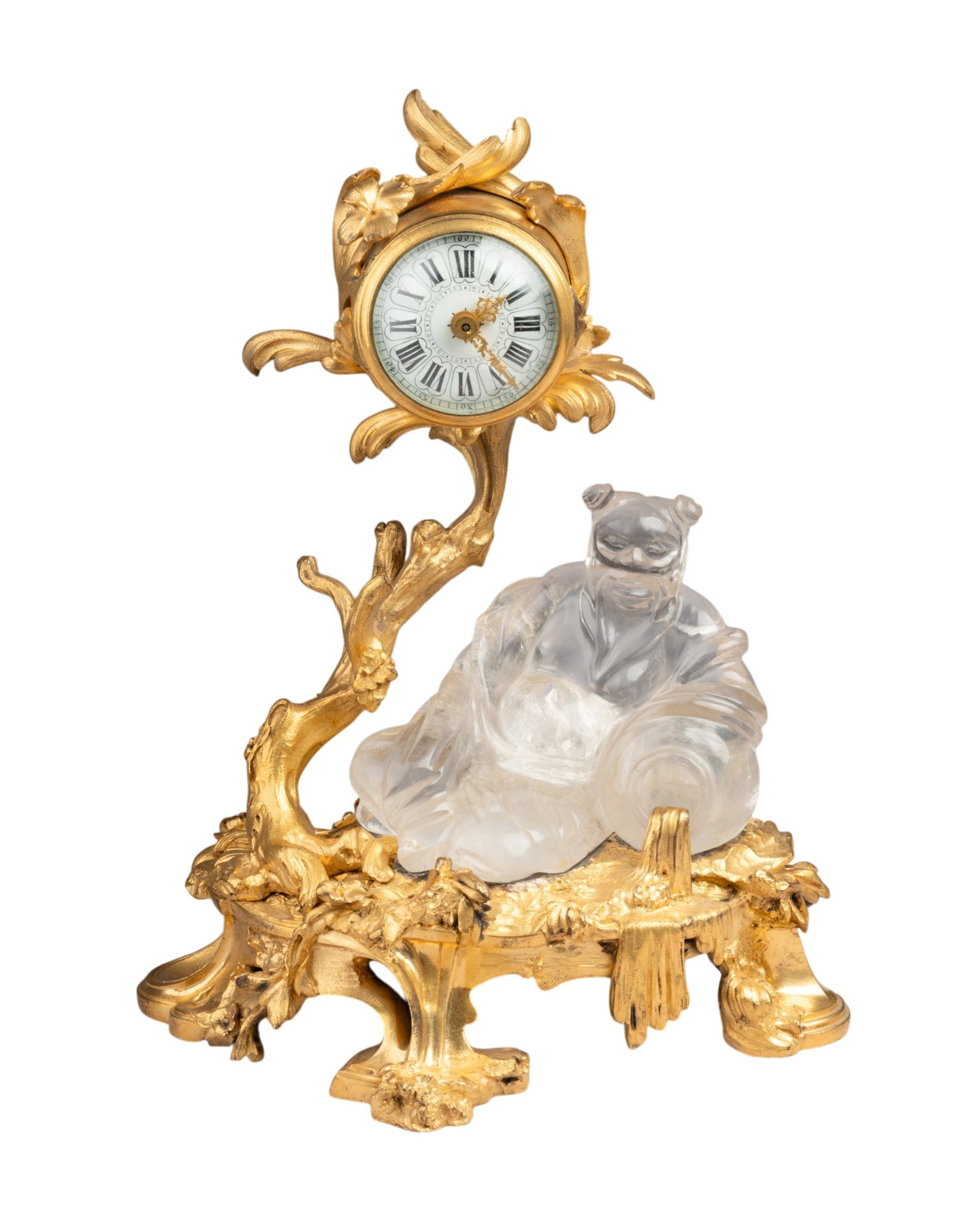
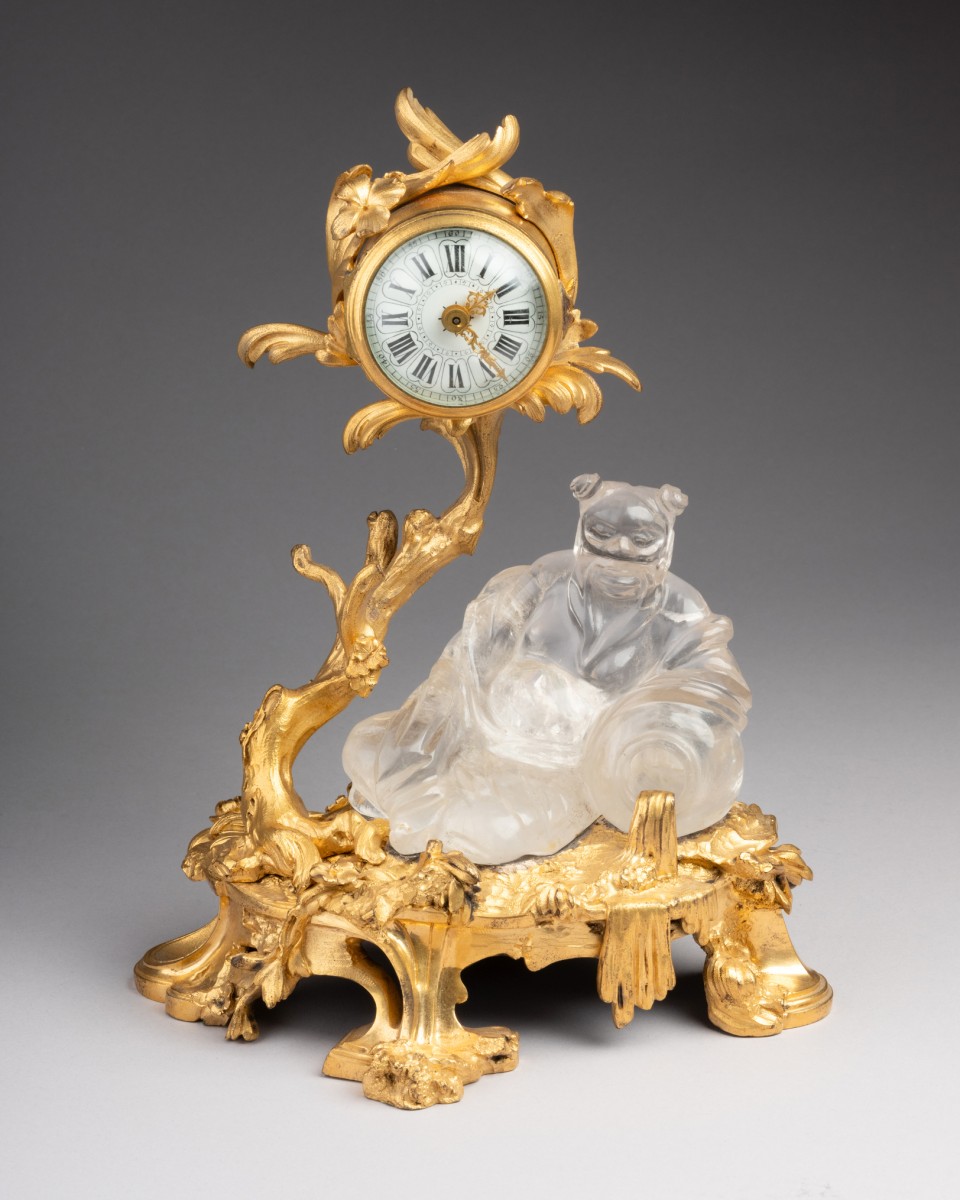
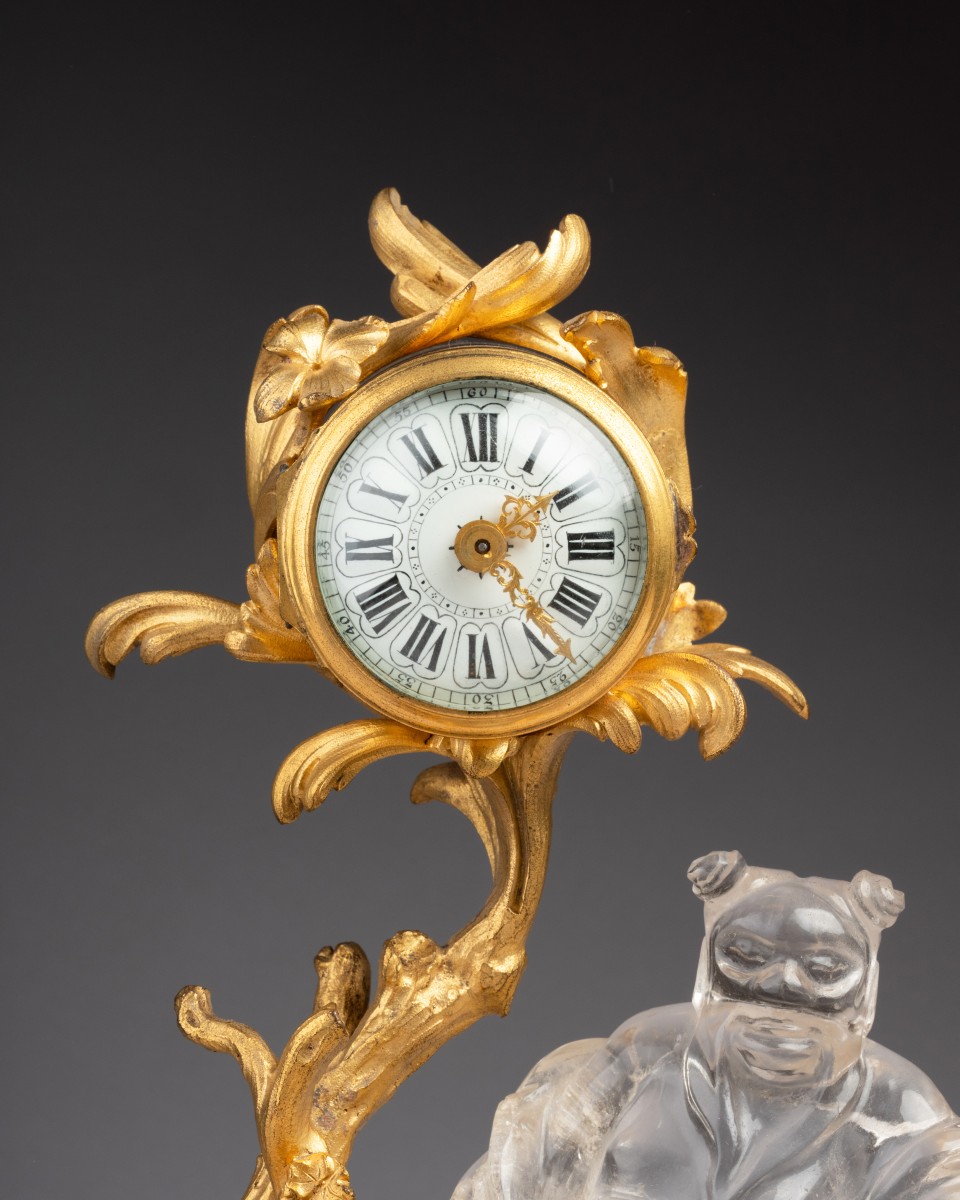
A rare and exquisite clock crafted from finely chased bronze.
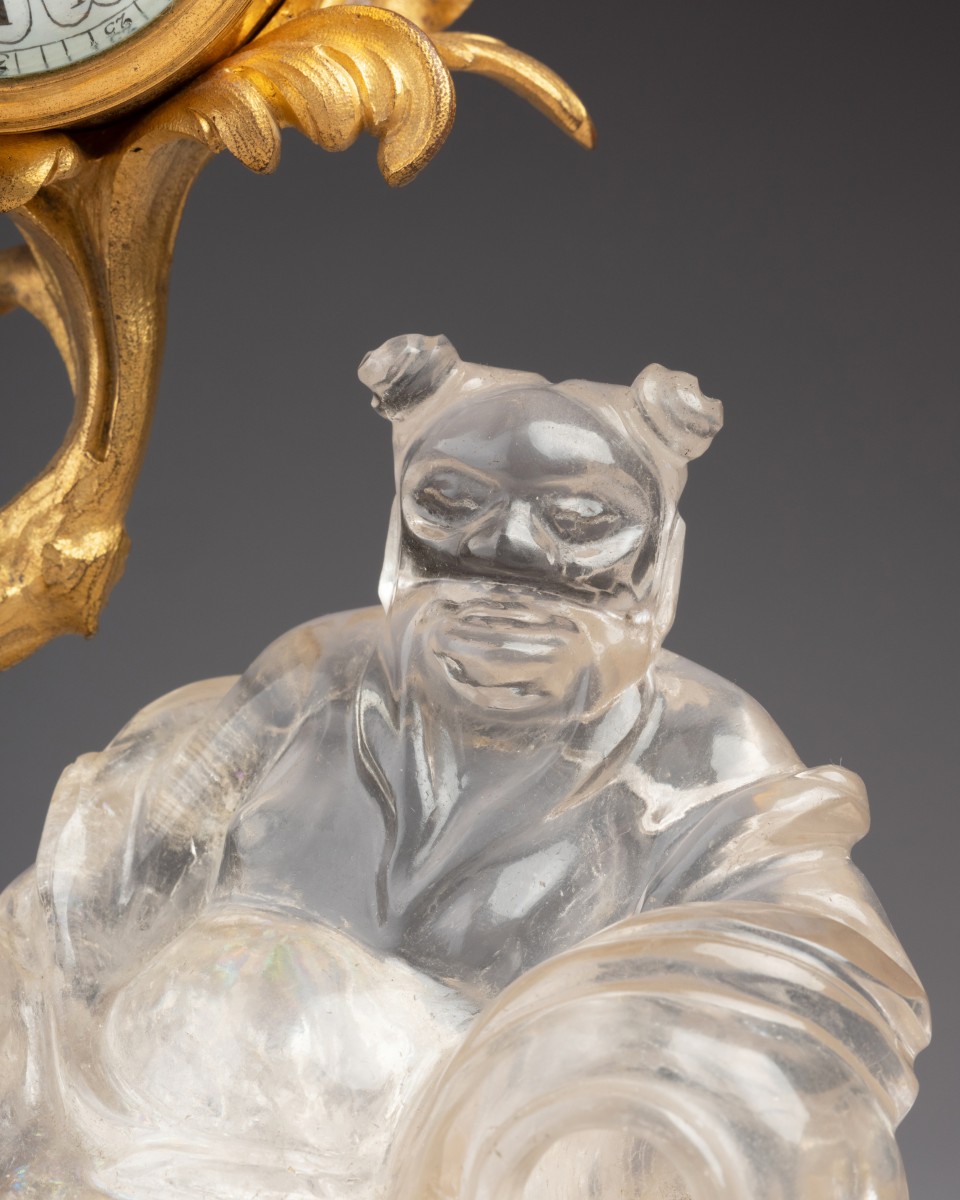
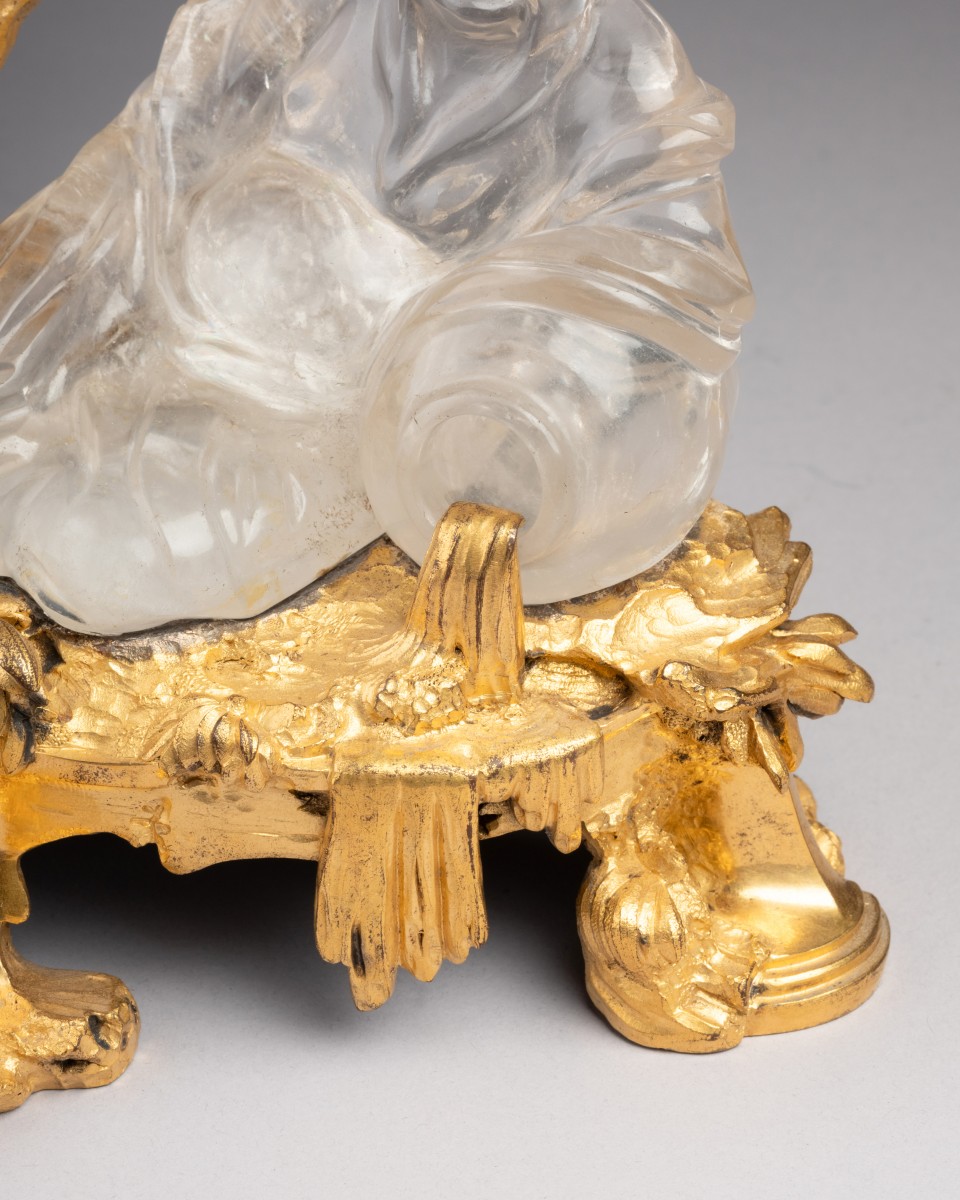
It features a rocky mound base adorned with foliage and a winding shrub, beneath which rests an Asian figure—a "magot"—carved from rock crystal.
The figure leans against a hollowed-out jar that pours forth a cascade of bronze water.
The shrub terminates in acanthus scrolls that support the clock movement.
The movement features a white enamel dial with Roman numerals for the hours and Arabic numerals for the minutes.
It displays exceptional quality in its chasing and mercury gilding, alongside the remarkable purity of the rock crystal, which shows minimal internal veining or inclusions.
In excellent condition.
A creation of the firm "L’Escalier de Cristal"*, Paris, circa 1880.
Dimensions:
Height: 25 cm; Width: 19 cm
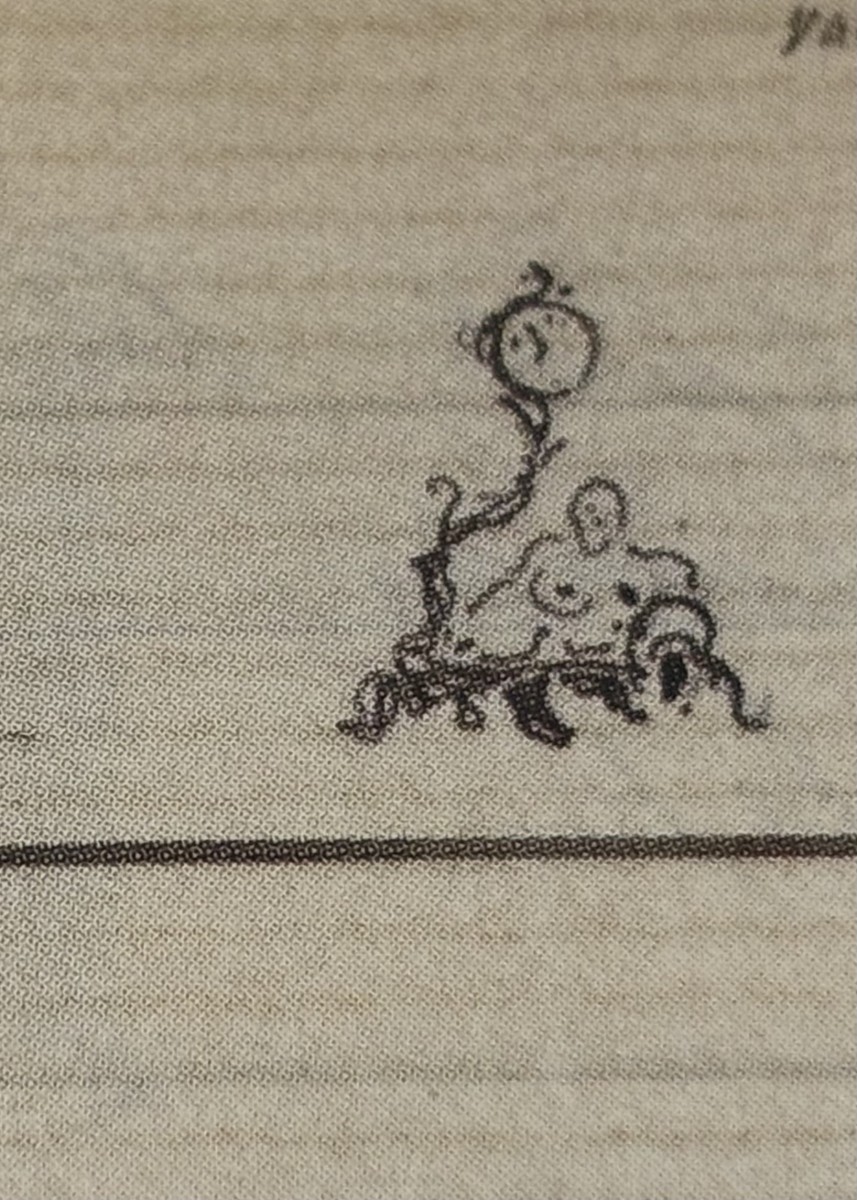
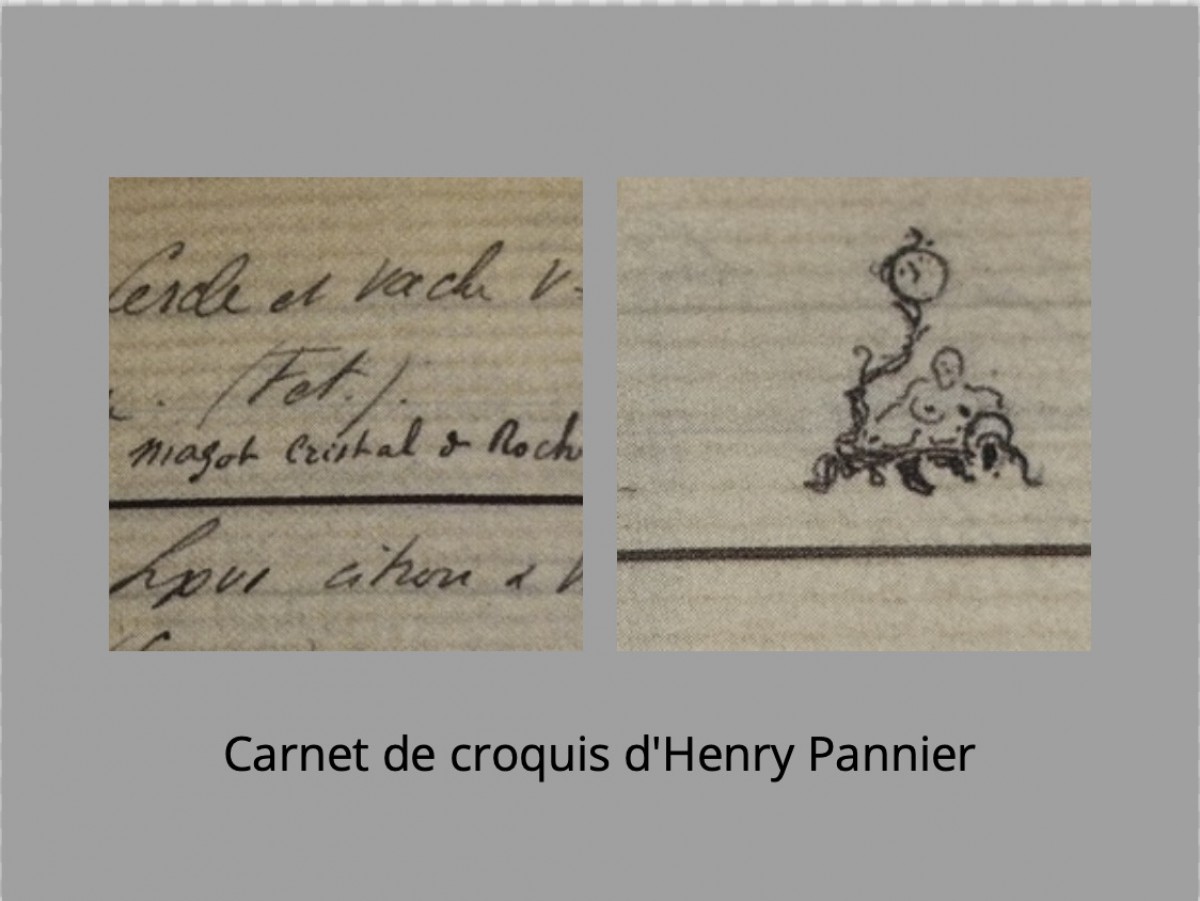
The design for this clock is preserved in the sketchbook known as the "Red Notebook" (*carnet rouge*) belonging to Henry Pannier (1853–1935); it is illustrated on page 277 of the book *L’Escalier de Cristal: Le luxe à Paris 1809–1883* by Annick and Didier Masseau (published by Monelle Hayot).
Our assessment:
With its exquisite quality and refinement, this clock perfectly embodies the luxury cultivated by the renowned firm "L’Escalier de Cristal."
The combination of gilt bronze and rock crystal was the key to the establishment's success; from the early 19th century onwards, it took up the mantle of the *marchands-merciers* (luxury goods dealers) of the *Ancien Régime* in the creation of luxury objects. Complementing these two materials is an Asian influence—featuring a *magot* (a seated Oriental figure) that echoes the *Japonisme* trend sweeping the French capital in the late 19th century—alongside a distinctly French touch that pays homage to the *objets montés* (mounted decorative objects) of the Louis XV era and the pinnacle of Ancien Régime French artistry.
Indeed, the scene of the *magot* perched on a mound draws heavily from the works of painter François Boucher (1703–1770), while the cascade of water flowing from a jar is closely linked to the portraits of women depicted as personifications of a spring (*en source*) by Jean-Marc Nattier (1685–1766).
This blend of precious materials and Asian and French artistic styles is the hallmark of this renowned firm—an epicenter of Parisian luxury in the 19th century—whose clientele included the French and Spanish royal families and the Russian imperial family.
Designed by director Henry Pannier around 1880, this piece was meticulously crafted by bronziers employing 18th-century techniques (sand casting, chasing, and mercury gilding) and by a highly skilled lapidary sculptor capable of hollowing out the jar’s interior without chipping the fragile rock crystal.
It represents the pinnacle of late 19th-century Parisian luxury.
*L’Escalier de Cristal was a luxury Parisian firm founded in the early 19th century within the arcades of the Palais-Royal; it became famous for its creations combining crystal and bronze. Its renown went global following the 1818 Exhibition of French Industrial Products and the Duchess of Berry’s purchase of a crystal dressing table and chair. Under the leadership of the Pannier brothers in the late 19th century, the firm became a major player in the *Japonisme* trend and the Art Nouveau movement. Its refinement and prestigious clientele find a unique echo today in the "Red Notebooks" kept by Henry Pannier—a precious record of a vanished craftsmanship.