Offered by Jan Muller
REQUEST INFORMATION

PIETER CLAESZ
Berchem c. 1596 - 1661
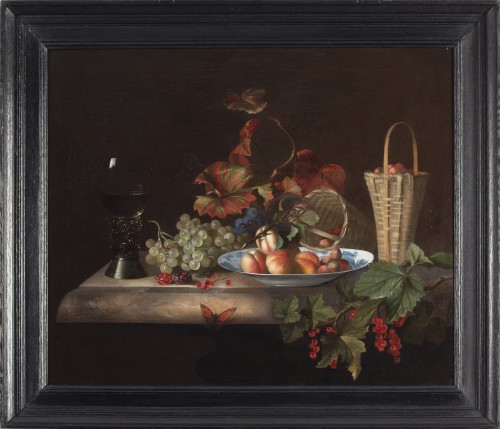
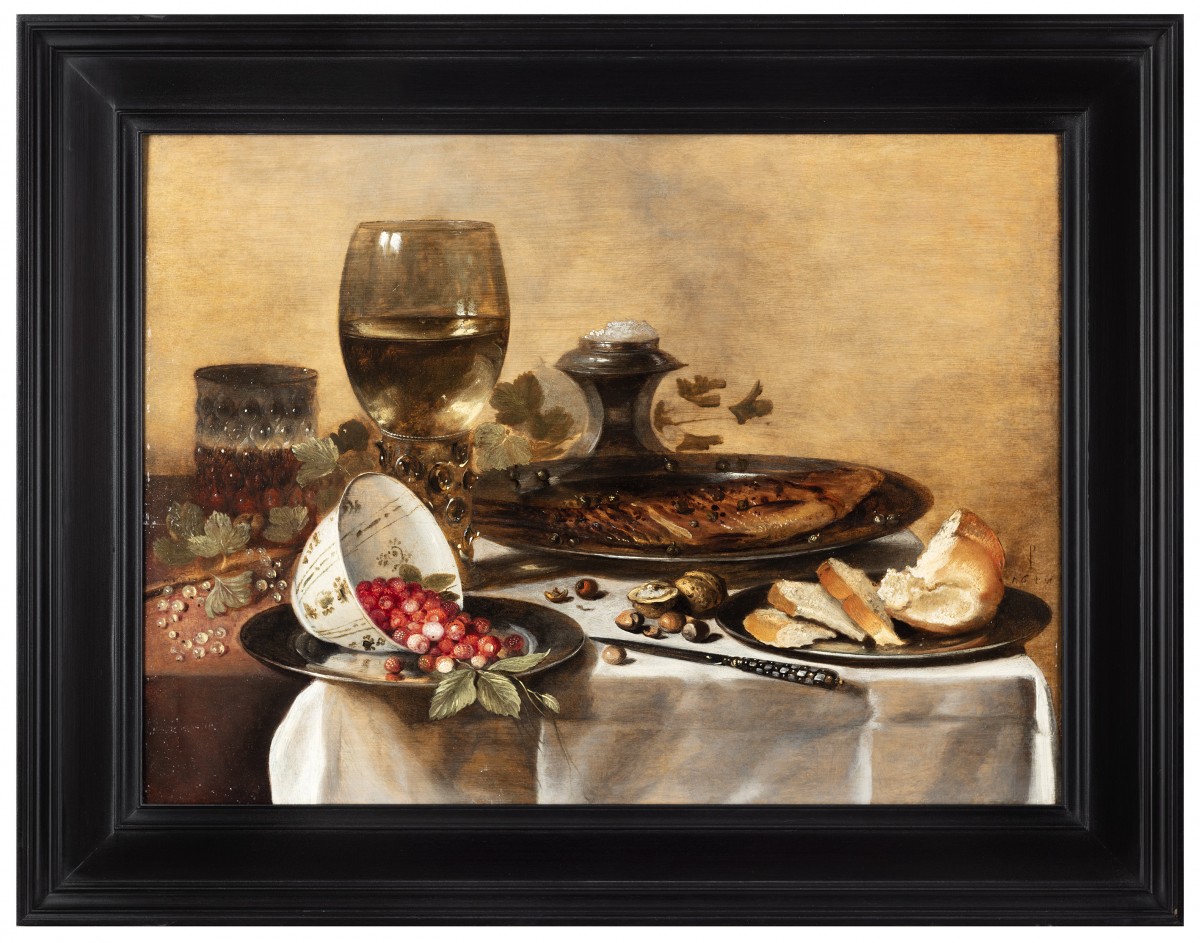
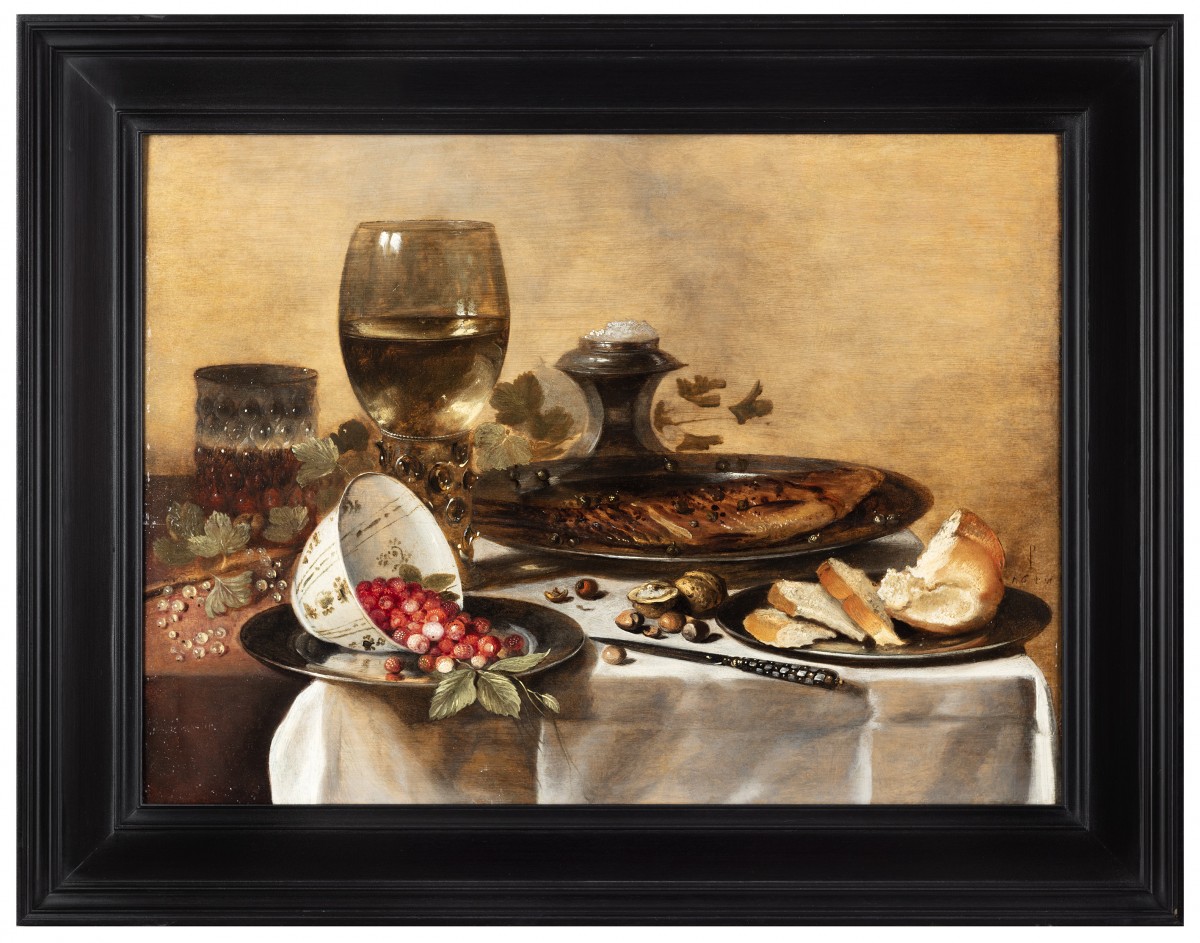
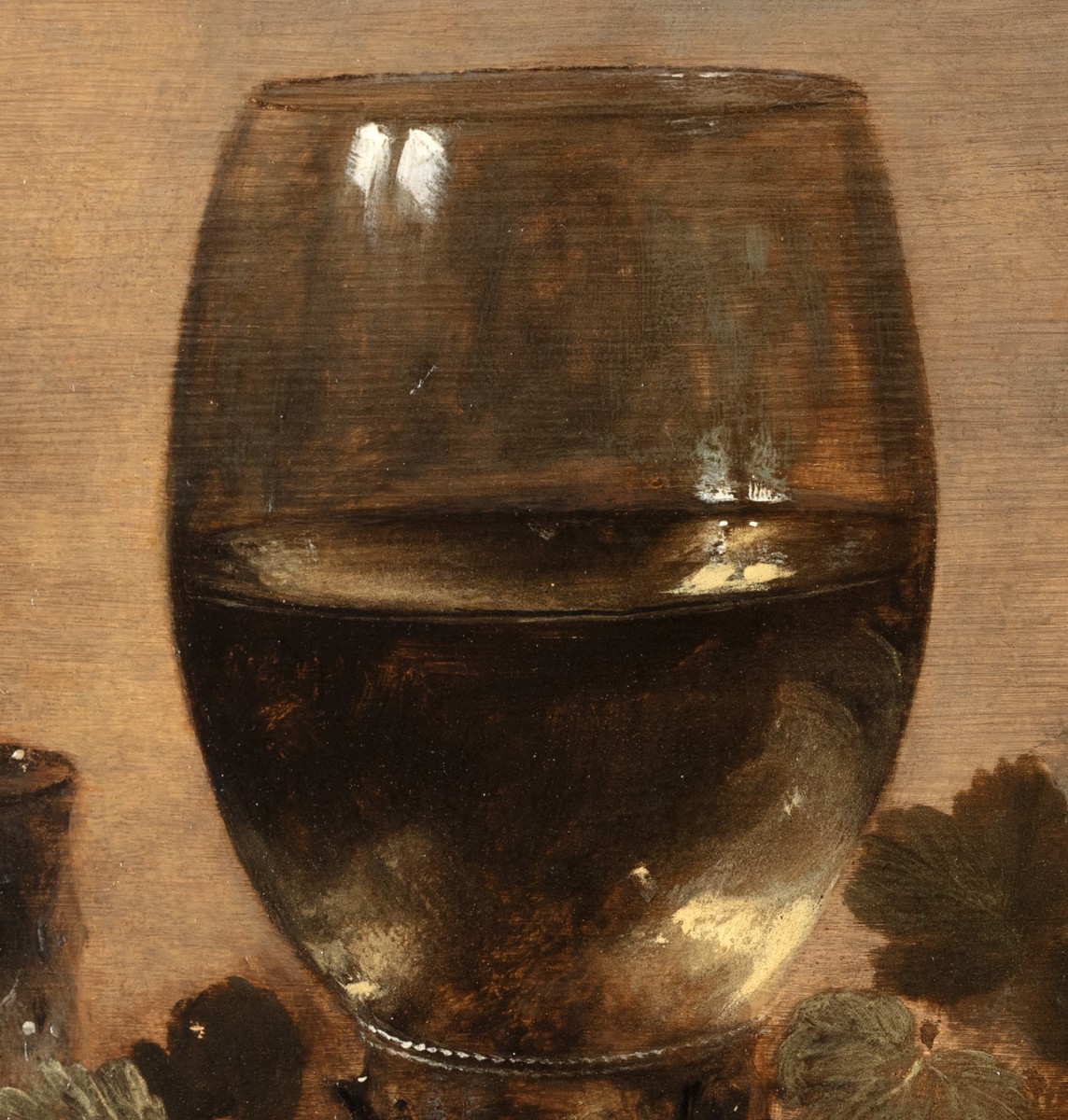
“Still life with roemer, smoked herring, walnuts, white currants and wild strawberries”
Oil on panel
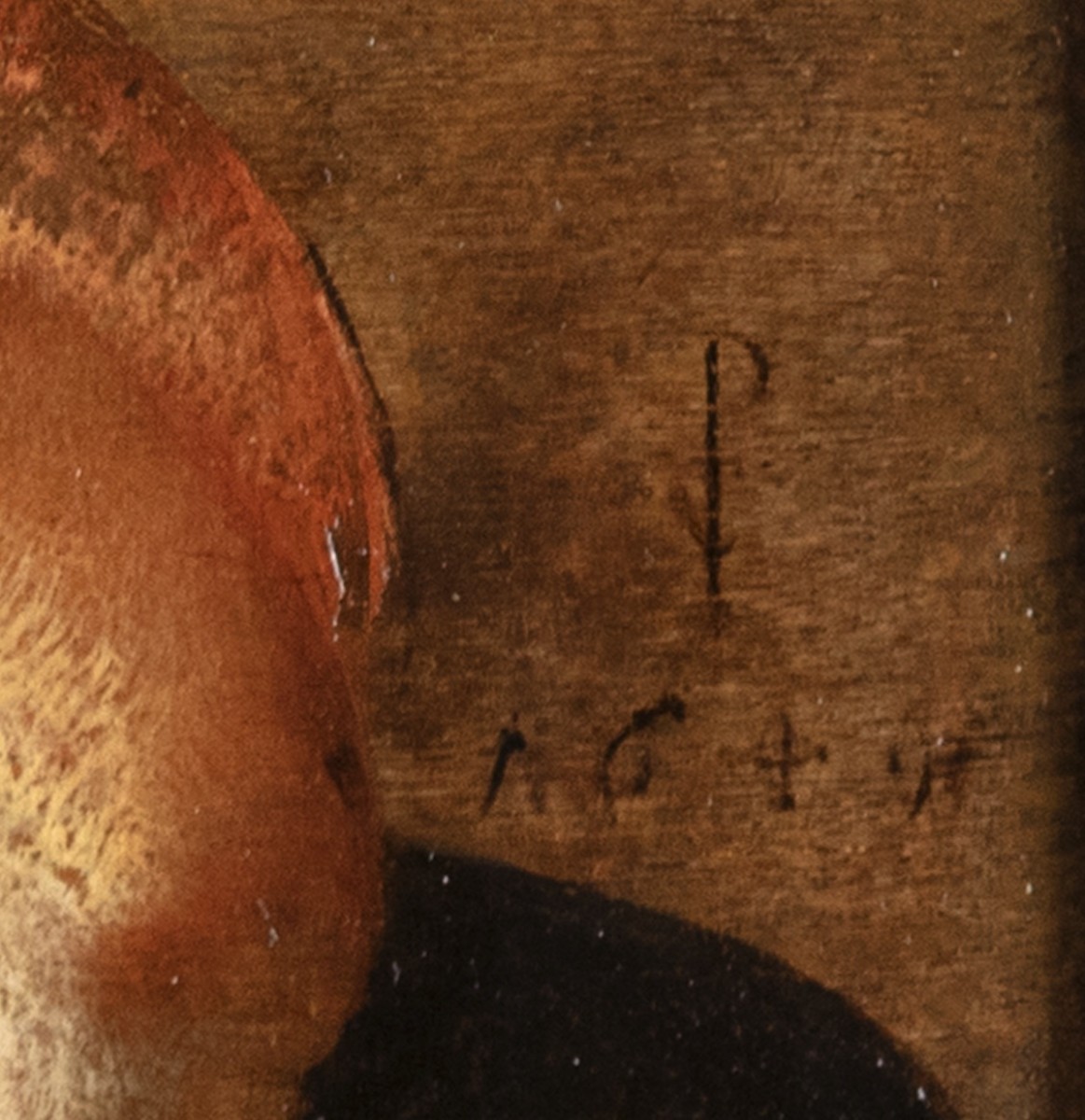
Monogrammed and dated: “PC. 1649” center right.
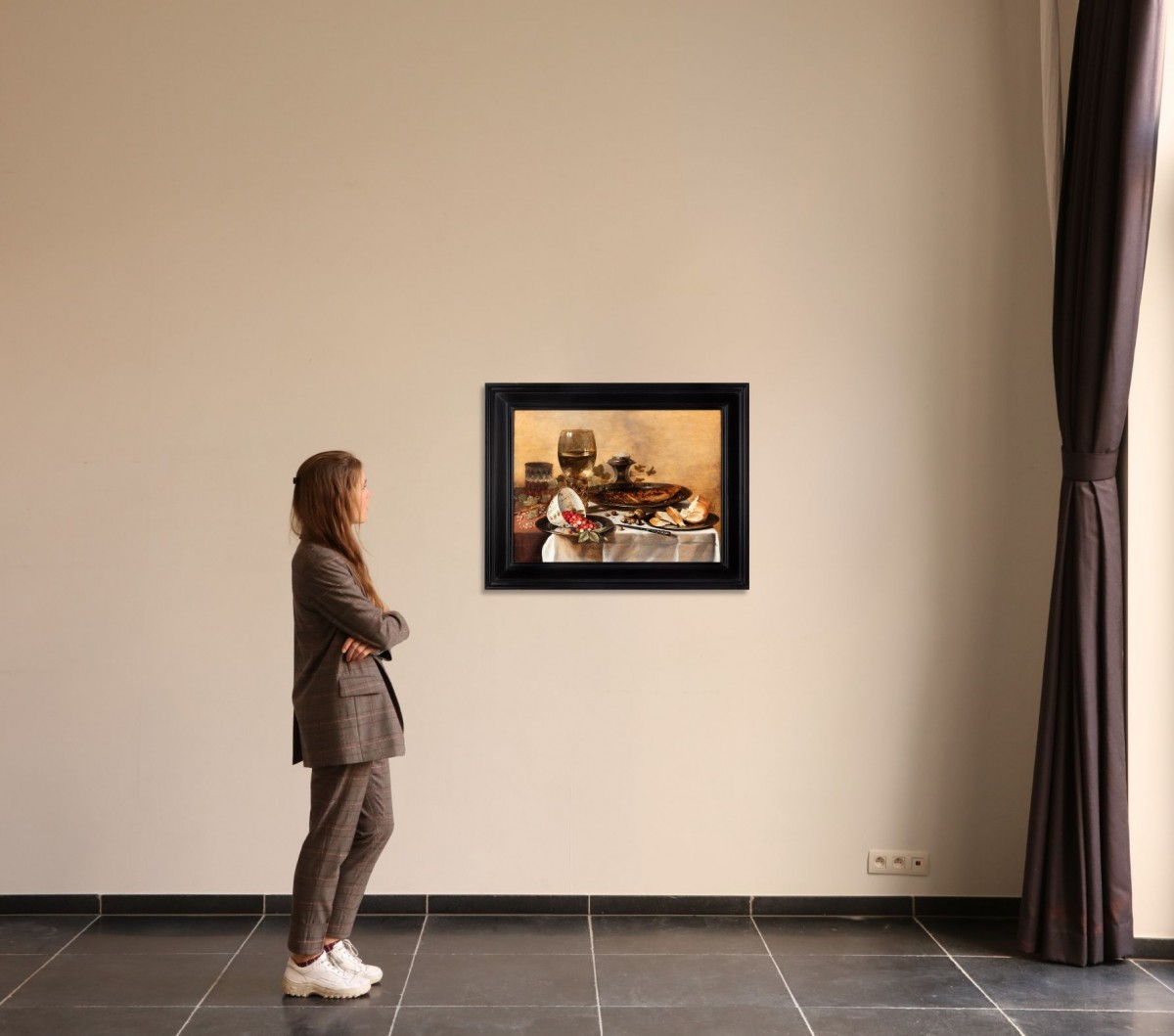
Dimensions: 45,5 x 63,3 cm, 63 x 77 cm (framed)
Provenance:
Anonymous sale, Sotheby & Co, London, 20 February 1974, lot 24.
At Richard Green, London, in 1975 (according to the RKD - Nederlands Instituut voor Kunstgeschiedenis).
Leegenhoek, Paris, circa 1980 (according to N. R. A. Vroom, 1980, op. cit. infra).
Private collection from the Paris region.
Literature:
The Burlington Magazine, February 1974, reproduced in black and white on p. xi.
Die Weltkunst, 15 October 1975, XLV, 20, reproduced in colour on p. 1655. N. R. A. Vroom, A Modest Message as intimated by the painters of the ‘monochrome banketje’, Schiedam, 1980, I, p. 47, reproduced in black and white on p. 31, fig. 32; II, p. 35, no. 149.
M. Brunner-Bulst, Pieter Claesz. der Hauptmeister des Haarlemer Stillebens im 17. Jahrhundert. Kritischer Oeuvrekatalog, Lingen, 2004, pp. 305-306, no. 176, reproduced in black and white on p. 306, Kat. 176.
THE ARTIST
Pieter Claesz was one of the preeminent still-life painters of the Dutch Golden Age, active primarily in Haarlem. Alongside Willem Claeszoon Heda, he pioneered the genre of the monochrome banketje (breakfast piece), working with a restricted tonal palette and subtle interplay of light to elevate ordinary table settings into meditative, almost spiritual compositions.
Born in Berchem, near Antwerp, Claesz moved to Haarlem in 1620, where he would remain for the rest of his career. His still lifes evolved from colourful, early works to more restrained, almost austere compositions, rich in textural detail and light modulation. Claesz’s mastery of reflections, on pewter, glass, and porcelain, is especially admired. Like many of his contemporaries, he infused his paintings with vanitas symbolism, inviting viewers to contemplate mortality and the fleeting nature of pleasure.
THE ARTWORK
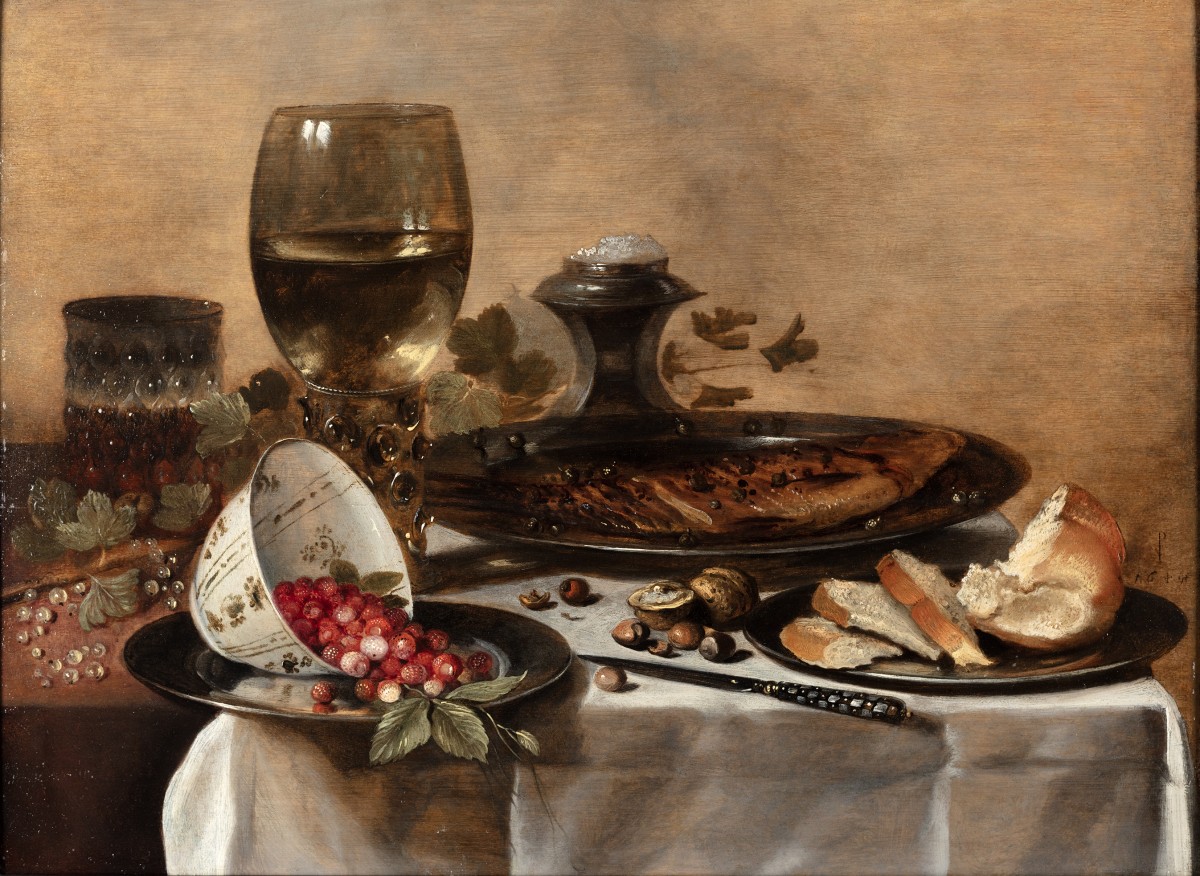
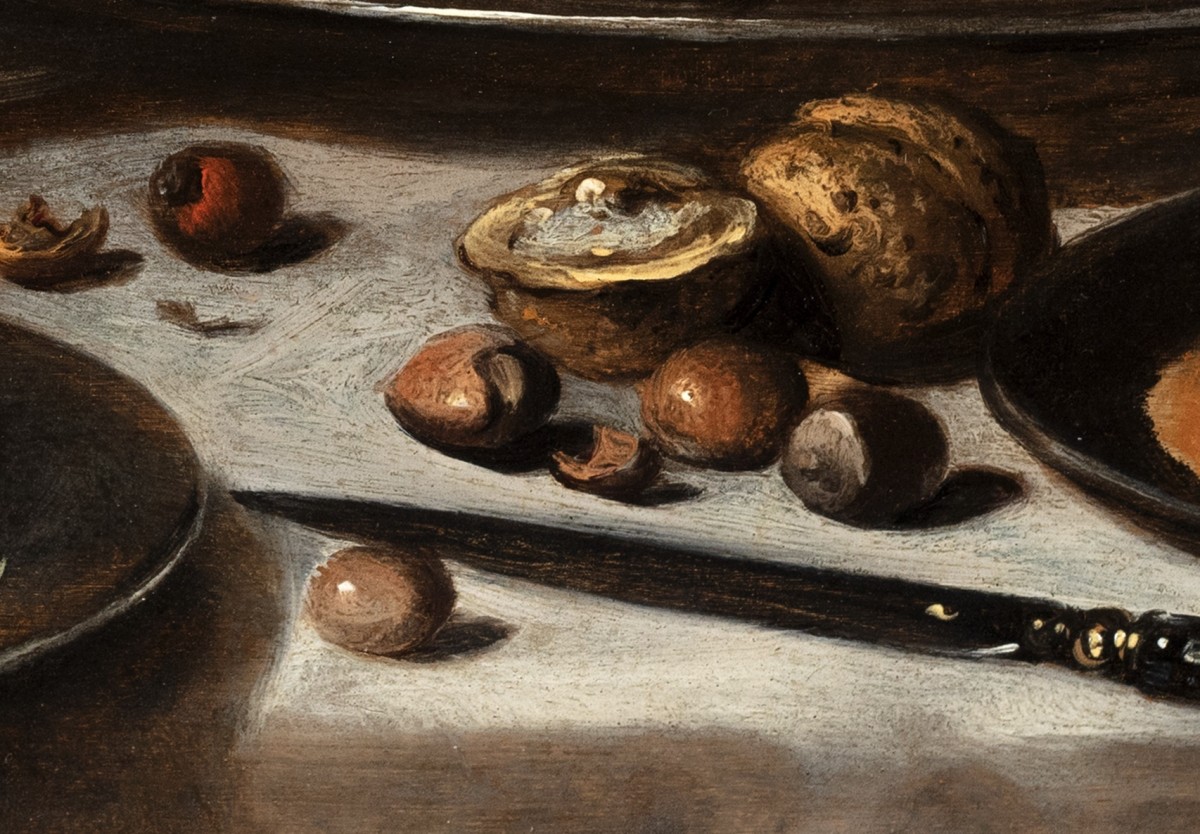
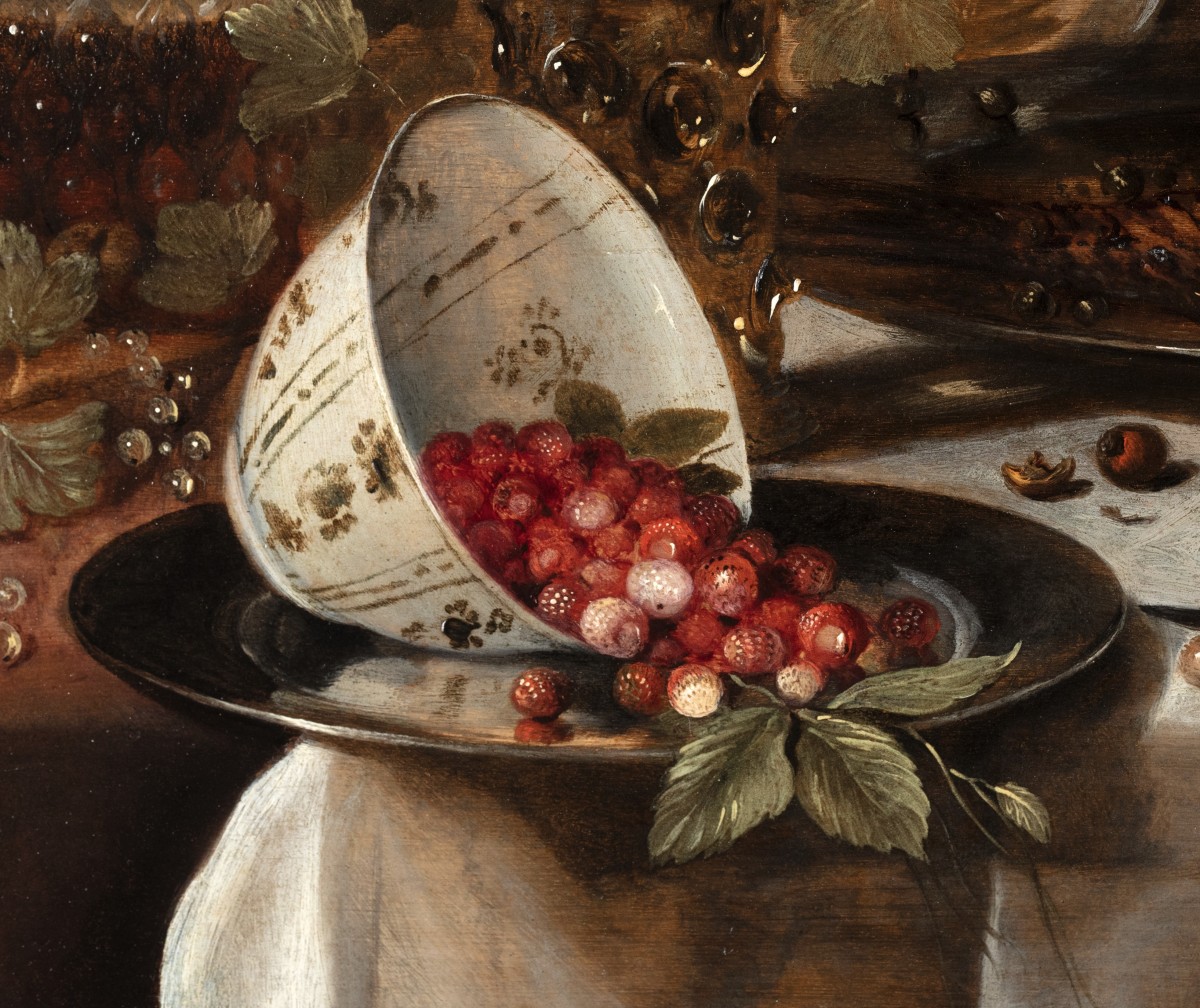
Arranged atop a pristine white tablecloth, the still life features a roemer filled with white wine, a richly reflective pewter plate bearing a smoked herring, an overturned porcelain bowl spilling ripe red currants, cracked walnuts, a crust of bread, and a tapering knife with a decorative handle. The deep shadows, warm light, and precisely rendered reflections contribute to the intimate and contemplative atmosphere.
The elegance lies in the subtle contrasts: the fragility of the overturned porcelain bowl with its scattered currants; the soft folds of the linen juxtaposed with the reflective glint of glass and pewter; the natural forms of bread and fish paired with man-made refinement. Despite its apparent simplicity, this composition reveals Claesz’s technical brilliance and his philosophical depth.
Vanitas Themes:
Though lacking overt memento mori symbols like skulls or extinguished candles, this panel gently suggests the brevity of pleasure through more subtle signs, half-eaten bread, a partially drained glass, cracked nuts, and the perishability of berries. The inclusion of the smoked herring, common in Northern fare, grounds the work in daily life, bridging the luxurious and the humble.
Claesz’s preference for monochromatic harmony is evident here, though the red touches of the berries bring delicate variation.
Claesz’s ontbijtgens or ontbijtjes (breakfast pieces) were never merely decorative. Unlike earlier, more exuberant still lifes intended to show wealth and abundance, Claesz’s works appeal to the viewer’s inner life: a quiet invitation to savour the modest beauty of the everyday, and to remember that all things, however beautiful, are temporary.
This painting dates from the height of Claesz’s powers, and is listed in several key monographs and surveys of his work.
Delevery information :
After reception of payment we can box and ship our items all over the world. Estimates of this service can be provided.