Offered by White Rose Fine Art

Claes Moeyaert (Durgerdam 1591 – 1655 Amsterdam)
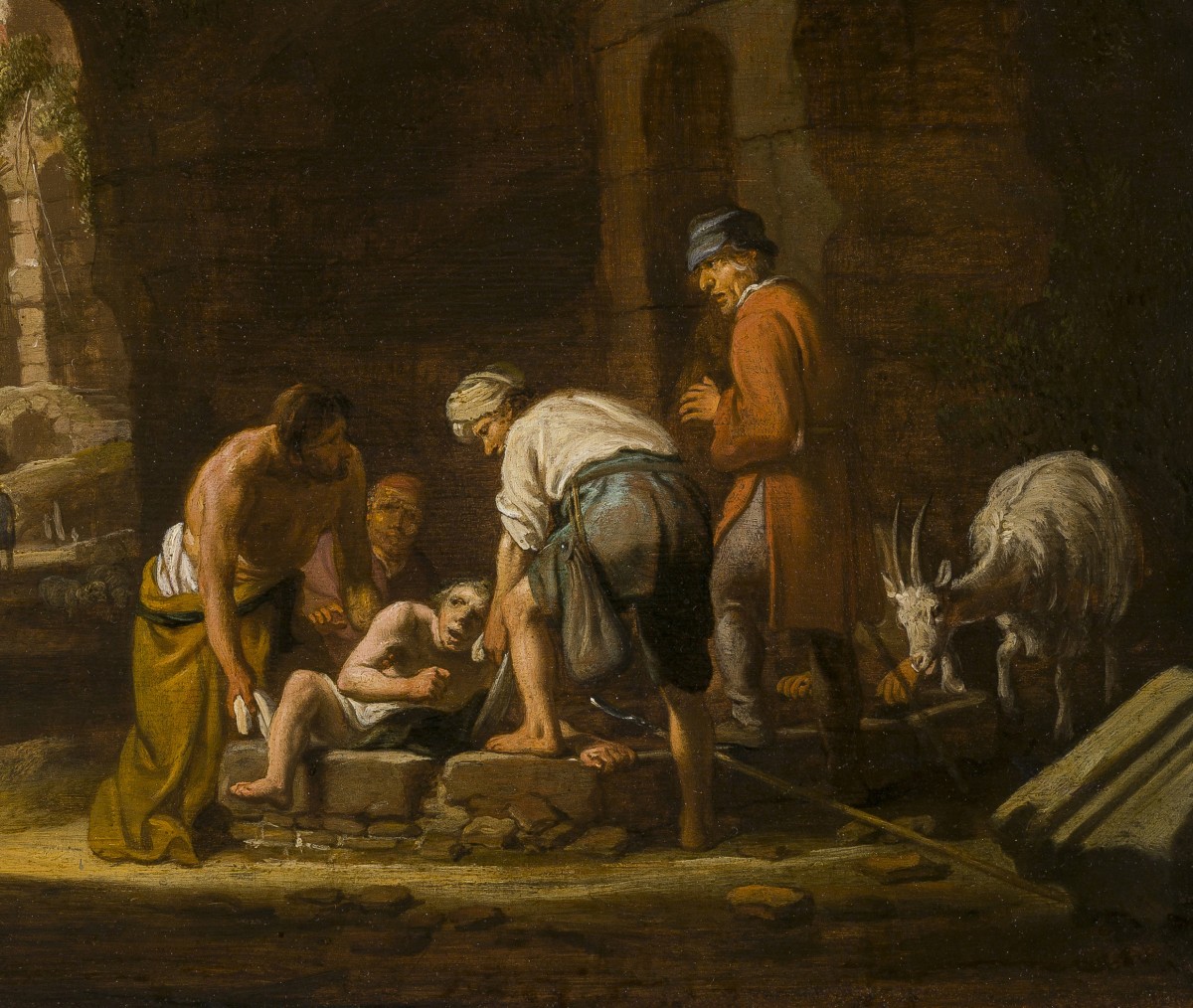
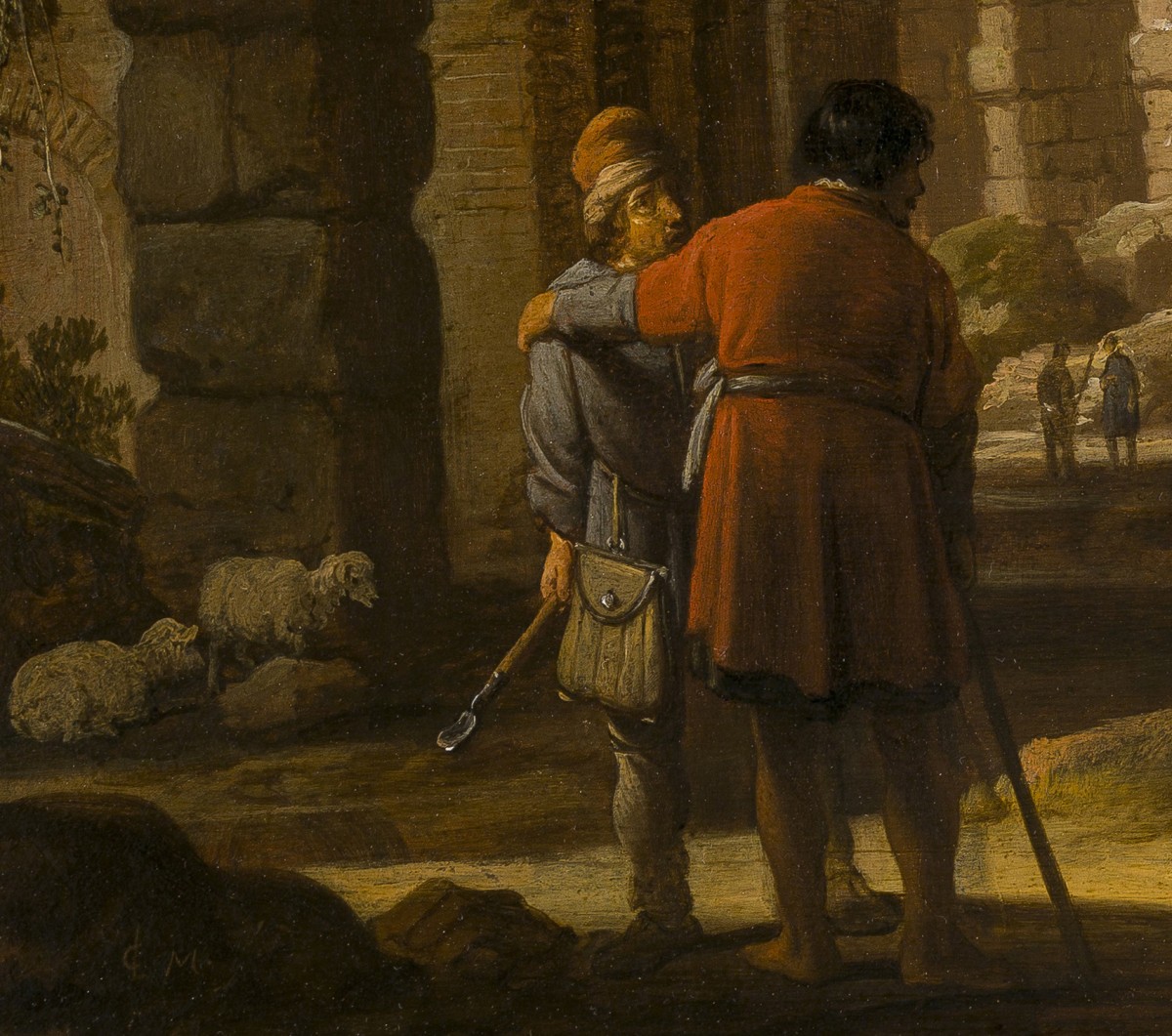
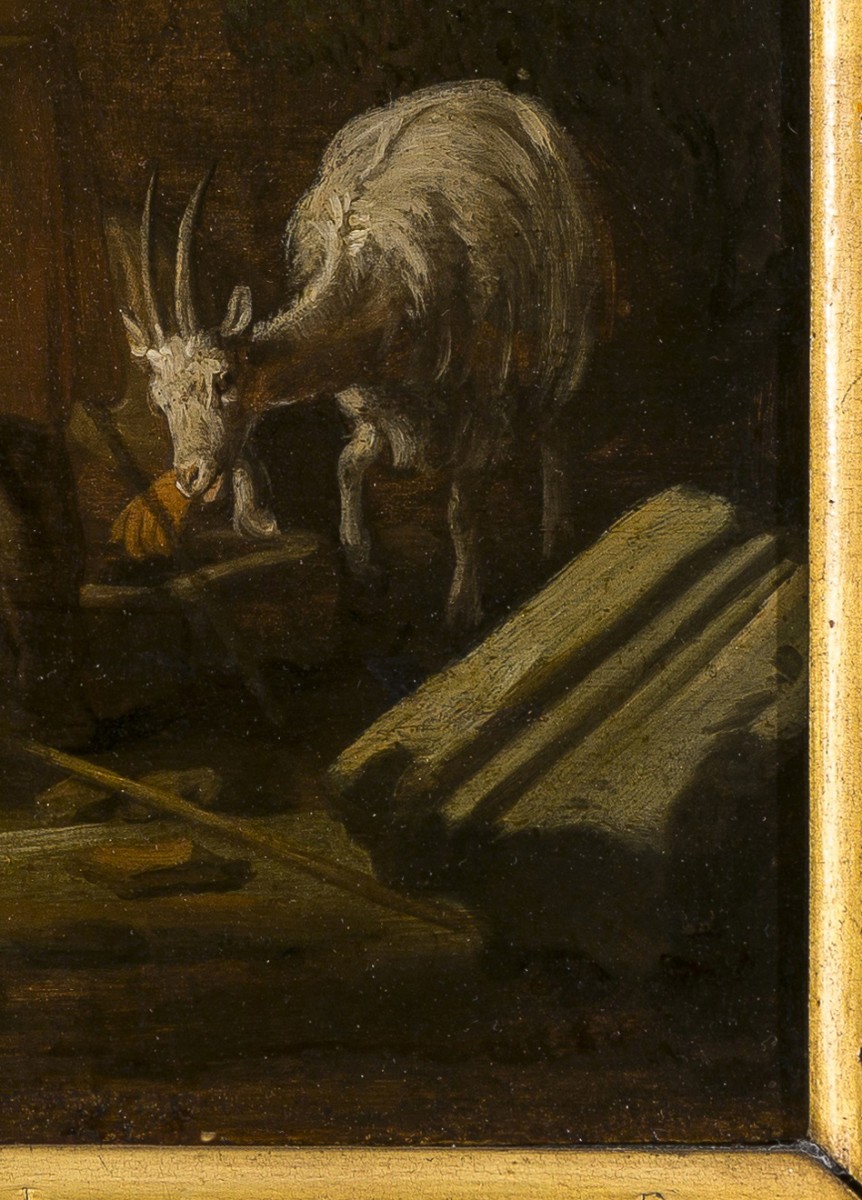
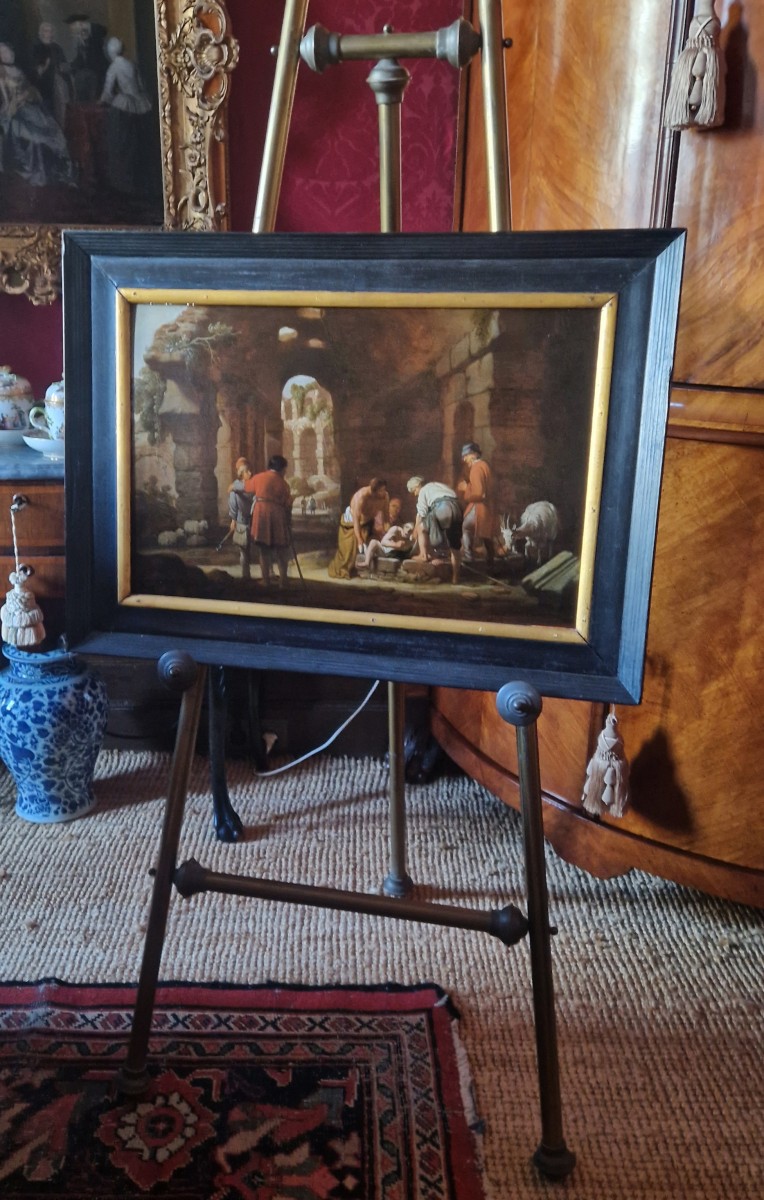
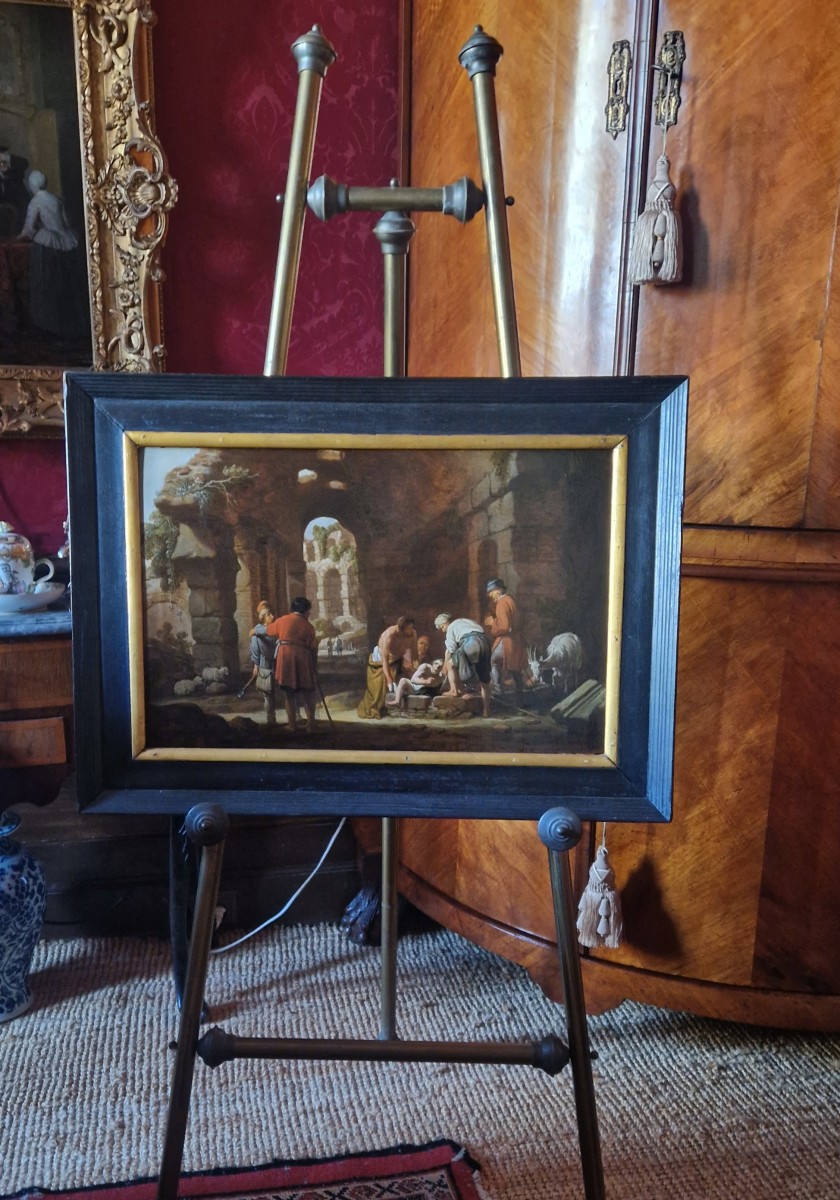
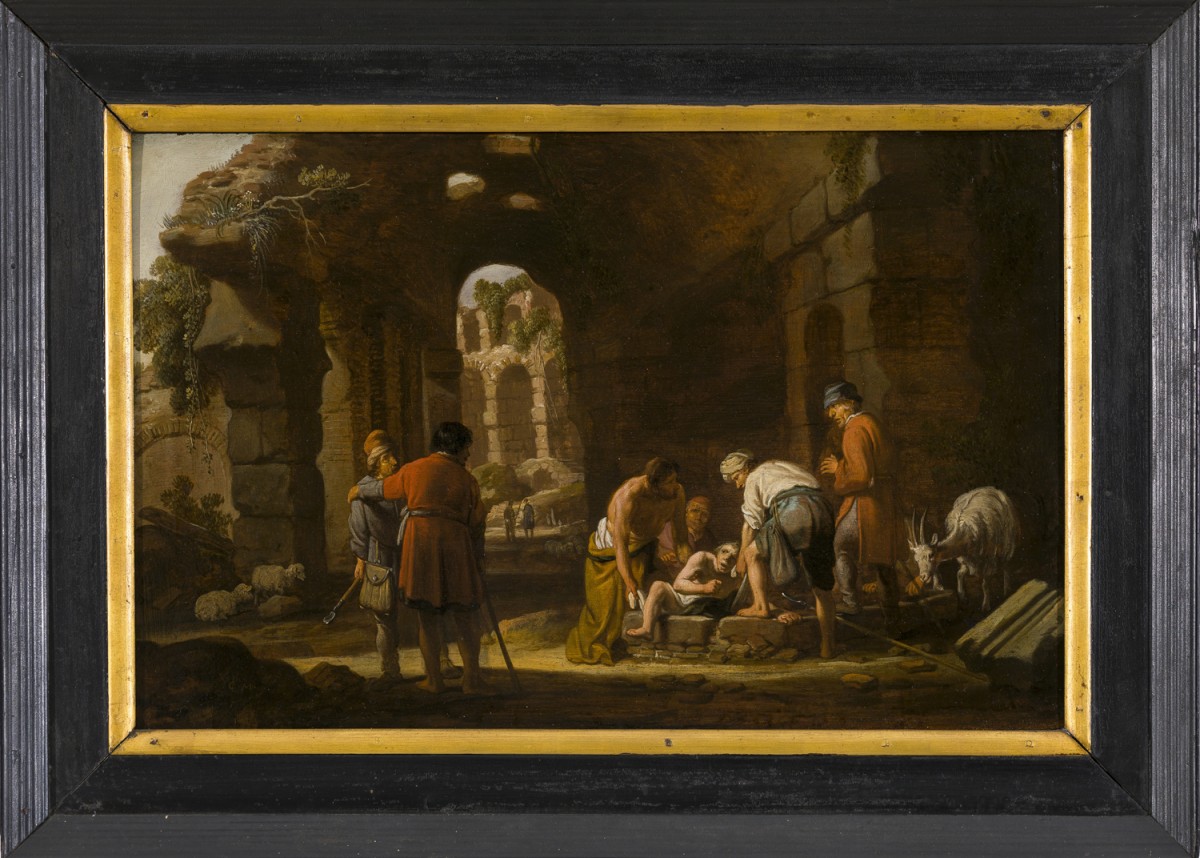
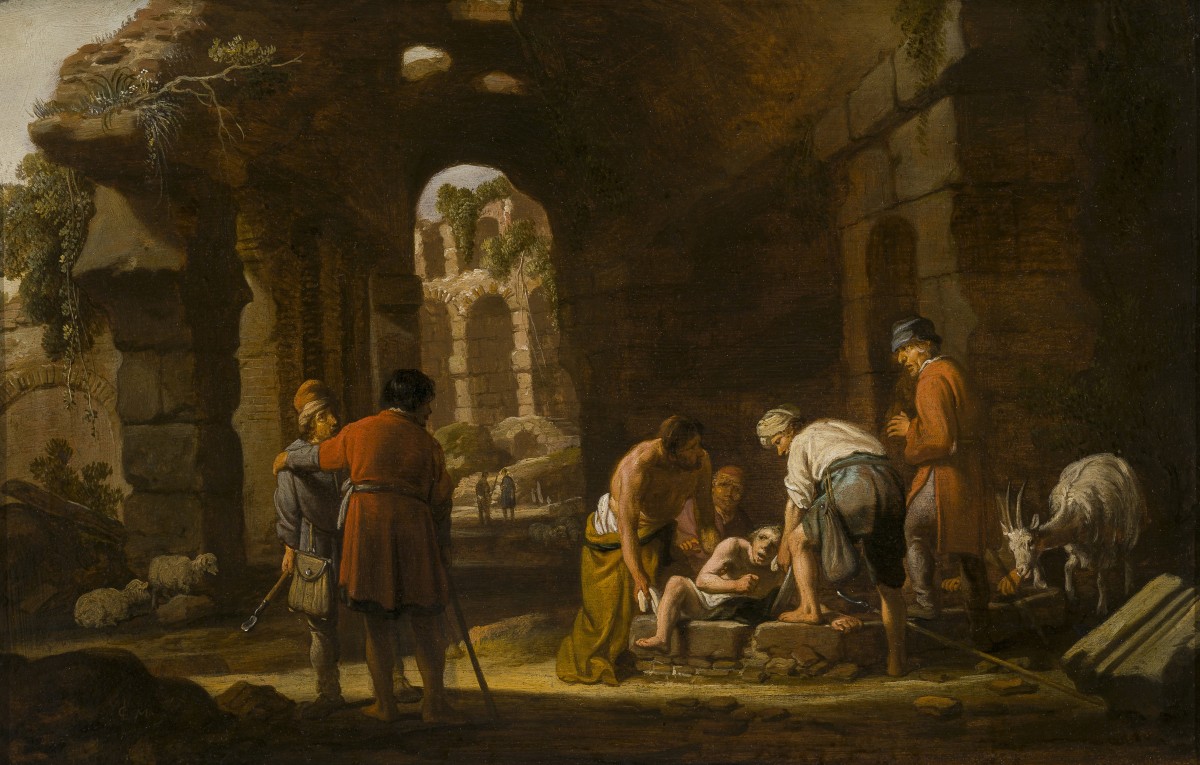
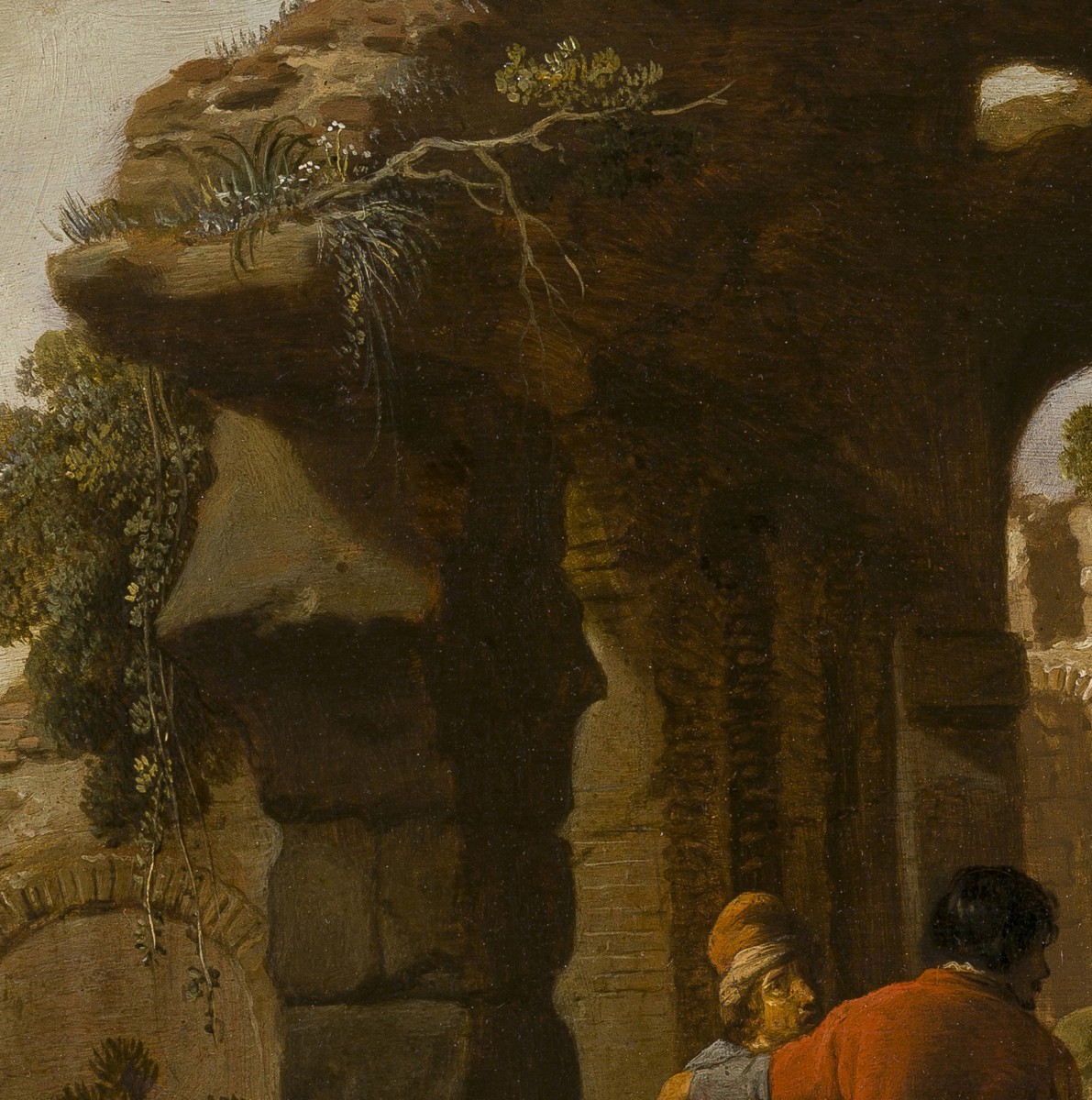
Joseph at the Well
Oil on panel, 35.8 x 55.6 mm (14.1 x 21.9 inch); framed 50.5 x 69 cm CHECKED
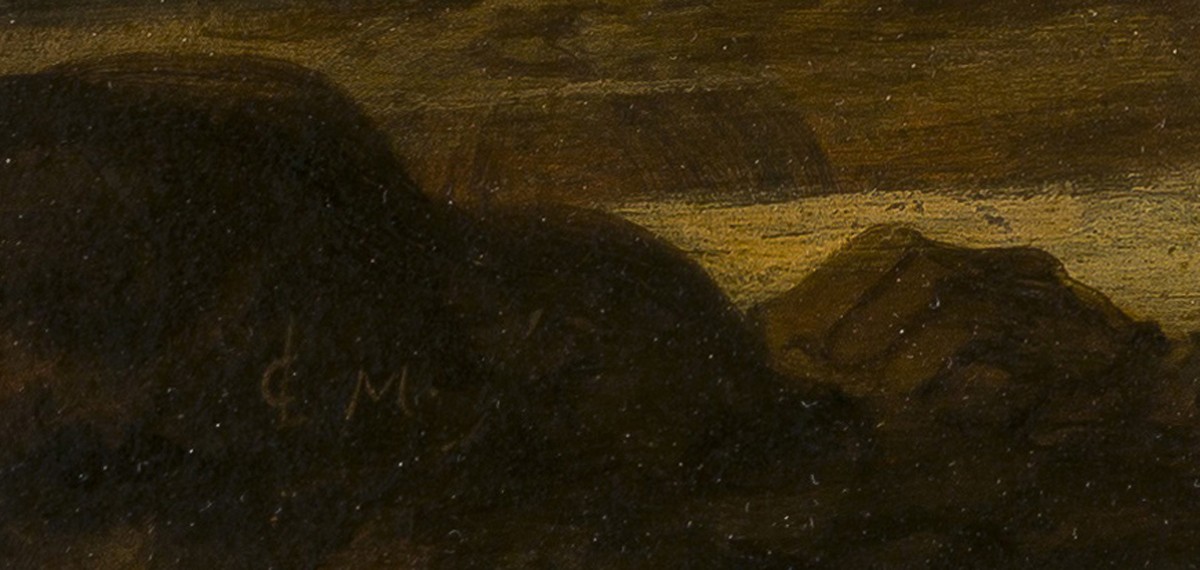
Signed with monogram ‘CLM’ (in ligature)
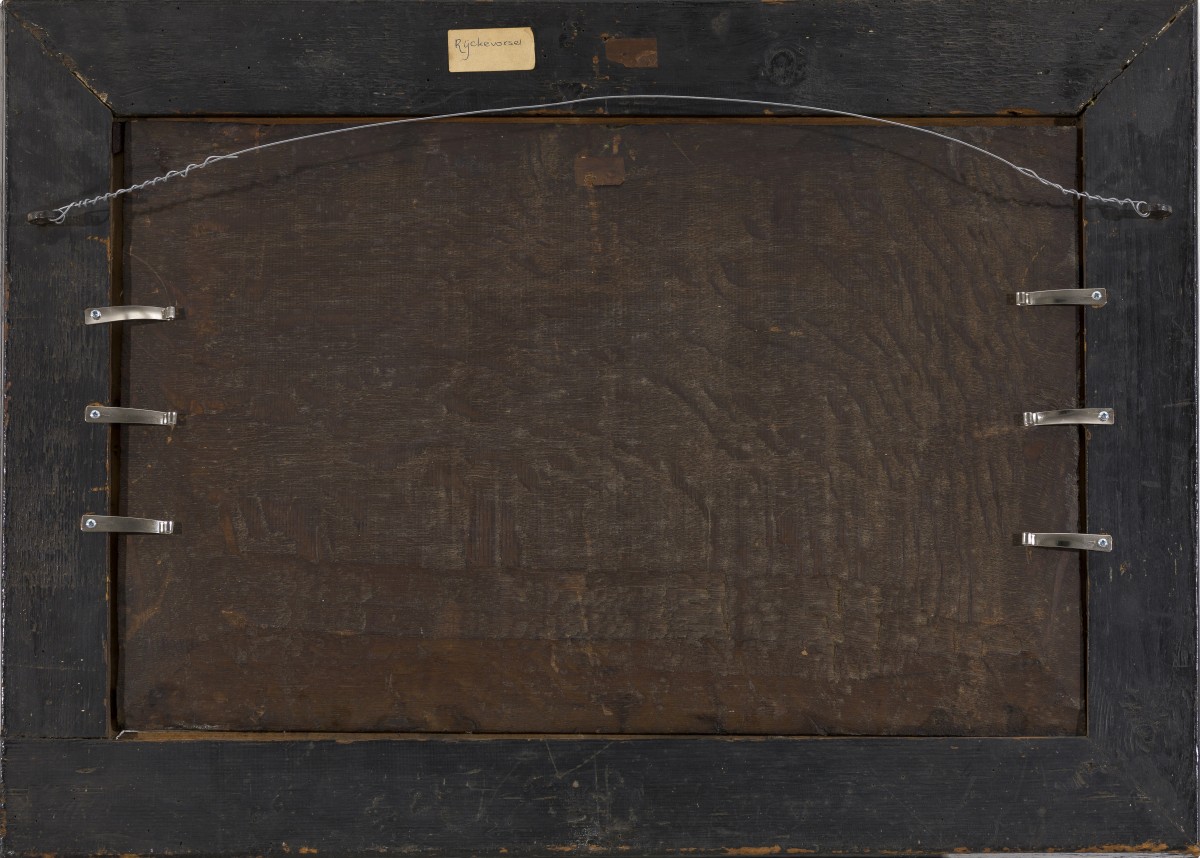
Provenance
For several generations by descent within the aristocratic Van Rijckevorsel family, until 2026
Claes or Nicolaes Moeyaert was born in 1591 in Durgerdam near Amsterdam.1 He came from an old Catholic Amsterdam family and returned to the city with his relatives around 1605. There, he was already mentioned in 1618 by Theodoor Rodenburgh in his list of the most famous Amsterdam artists – in the previous year, the artist had married Grietje Claesdr van Zijl. Nothing is known about Moeyaert’s apprenticeship, nor about a possible visit to Italy, despite the frequent occurrence of motifs from Antiquity in his works. Moeyaert died in 1655 as a wealthy man and was buried in the Oude Kerk. It is thought that Moeyaert was also active as a wine merchant.
Moeyaert’s work is associated with that of the Amsterdam history painters Jan and Jacob Pynas and Pieter Lastman, the so-called Pre-Rembrandtists, since Lastman was Rembrandt’s teacher. Like these masters, Moeyaert painted primarily historical subjects, frequently taken from the Old and New Testament, which was considered the highest and most noble form of art during the period. In addition, he received many commissions for portraits, especially from Catholics.2 Besides paintings and drawings, about twenty etchings by him are also known. His most important pupils include Nicolaes Berchem, Jan Baptist Weenix, Paulus Potter and Jacob van der Does.
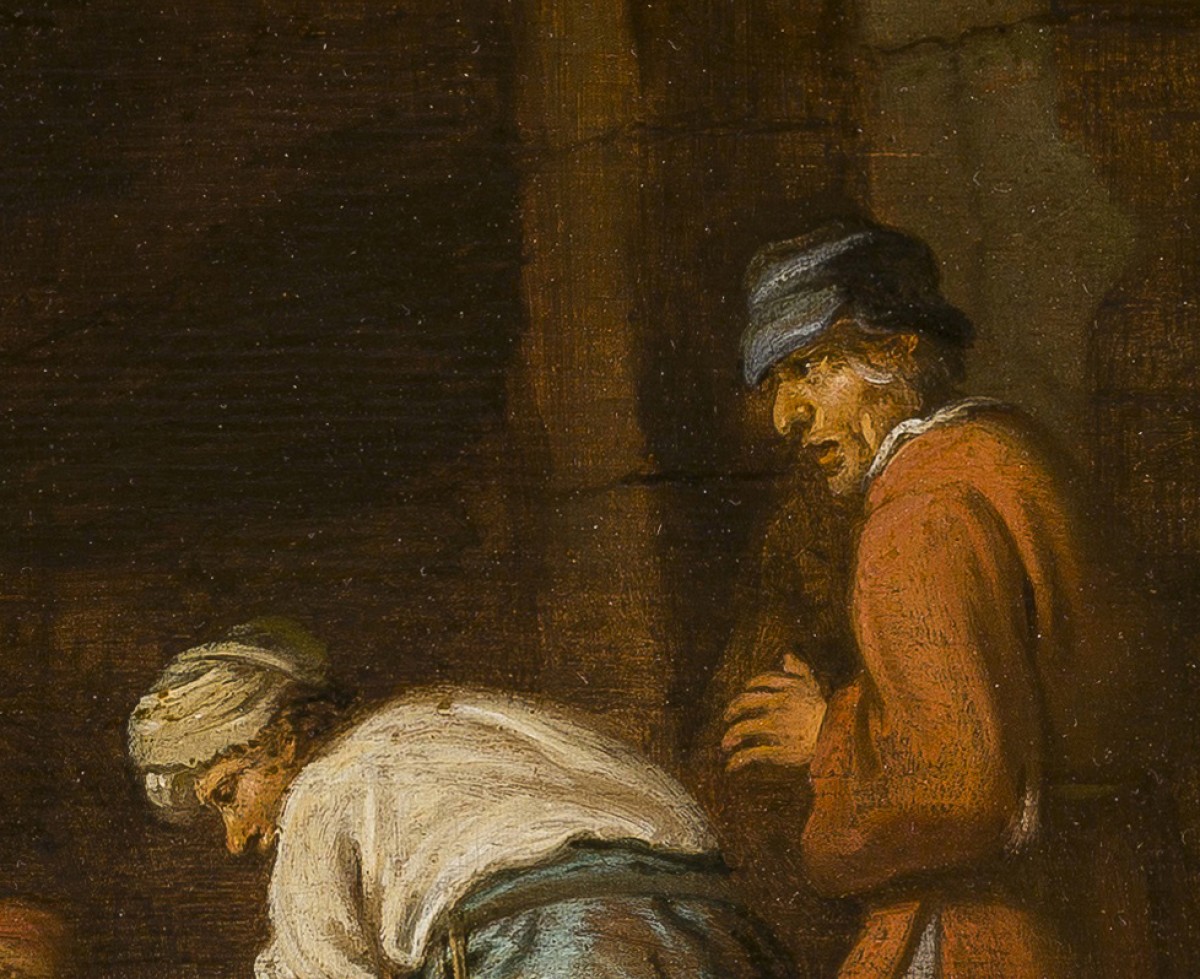
The present panel, recently discovered in the collection of an old Dutch aristocratic family, is a notable addition to the artist’s oeuvre. Presumably painted around 1625, is depicts the biblical story of Joseph, a son of the patriarch Jacob and his wife Rachel, who was thrown into a dry well by his jealous brothers who envied their father’s favouritism. Joseph was later taken out of the well and sold into slavery by his siblings for twenty pieces of silver, ending up in Egypt, where he became a favourite of Pharaoh upon explaining his dreams.
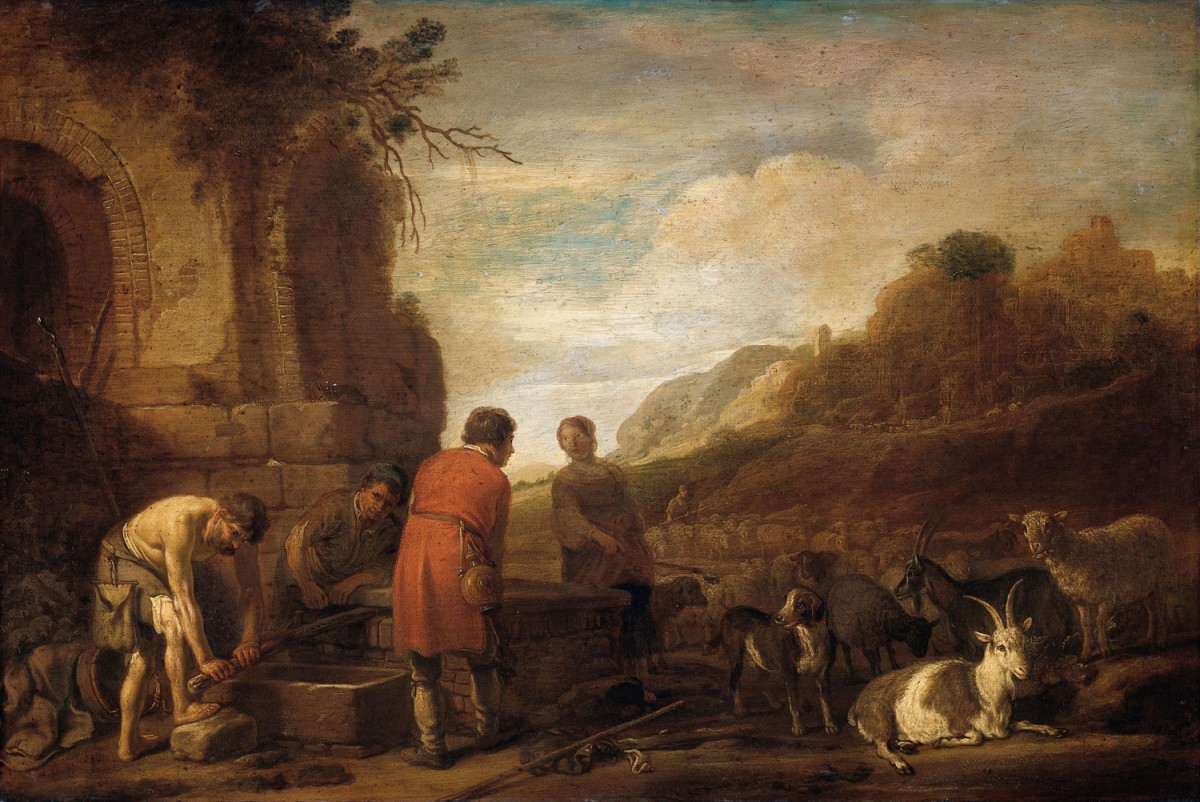
Paintings by Moeyaert are preserved in many leading museums, including the Amsterdam Museum in Amsterdam, the Hermitage in St Petersburg, the Nationalmuseum in Stockholm, the Mauritshuis in The Hague and the Museum Catharijneconvent in Utrecht. Our Jacob at the Well can for instance be compared to Moeyaert’s painting The Meeting of Jacob and Rachel at the Well in the Rijksmuseum, Amsterdam (fig.).3
1. For Moeyaert, see Astrid Tümpel, ‘Claes Cornelisz Moeyaert’, Oud Holland, 1974, pp. 1-164.
2. For his portraits, see S.A.C. Dudok van Heel, 'Een aartsvaderlijk geslacht. Claes Corneliszn Moyaert schildert zijn familie’, Maandblad Amstelodamum 85 (1998), pp. 97-106.
3. Oil on panel, 40.6 x 60.5 cm, inv. no. SK-A-1485; P.J.J. van Thiel, All the paintings in the Rijksmuseum, Amsterdam 1976, p. 391, repr.