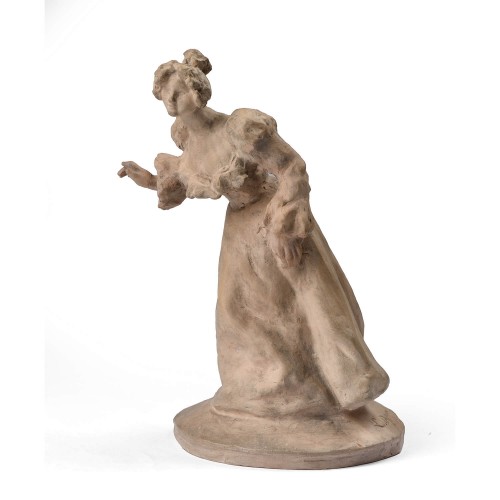
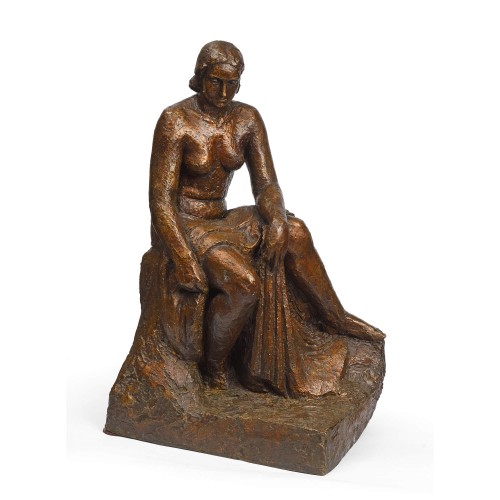
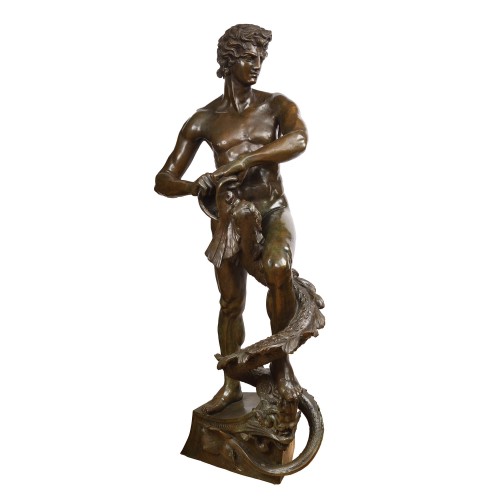
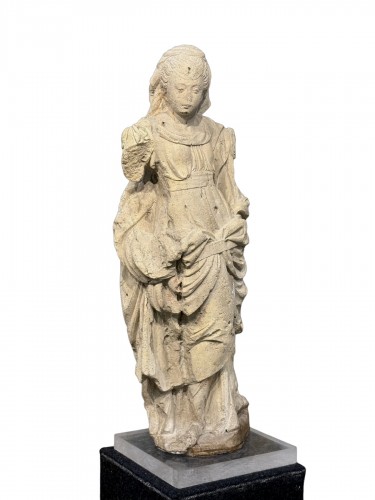
Offered by Galerie Paris Manaus
REQUEST INFORMATION

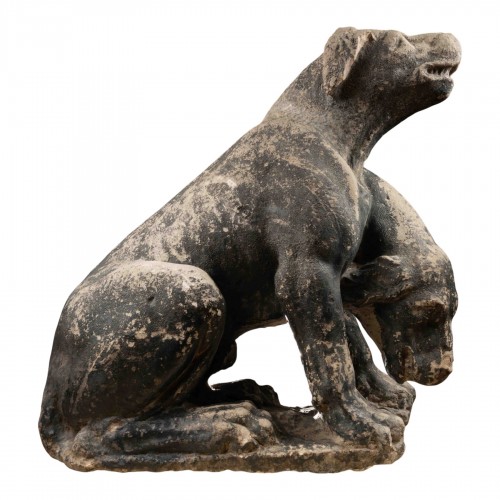
Decorative Arts of the 20th century
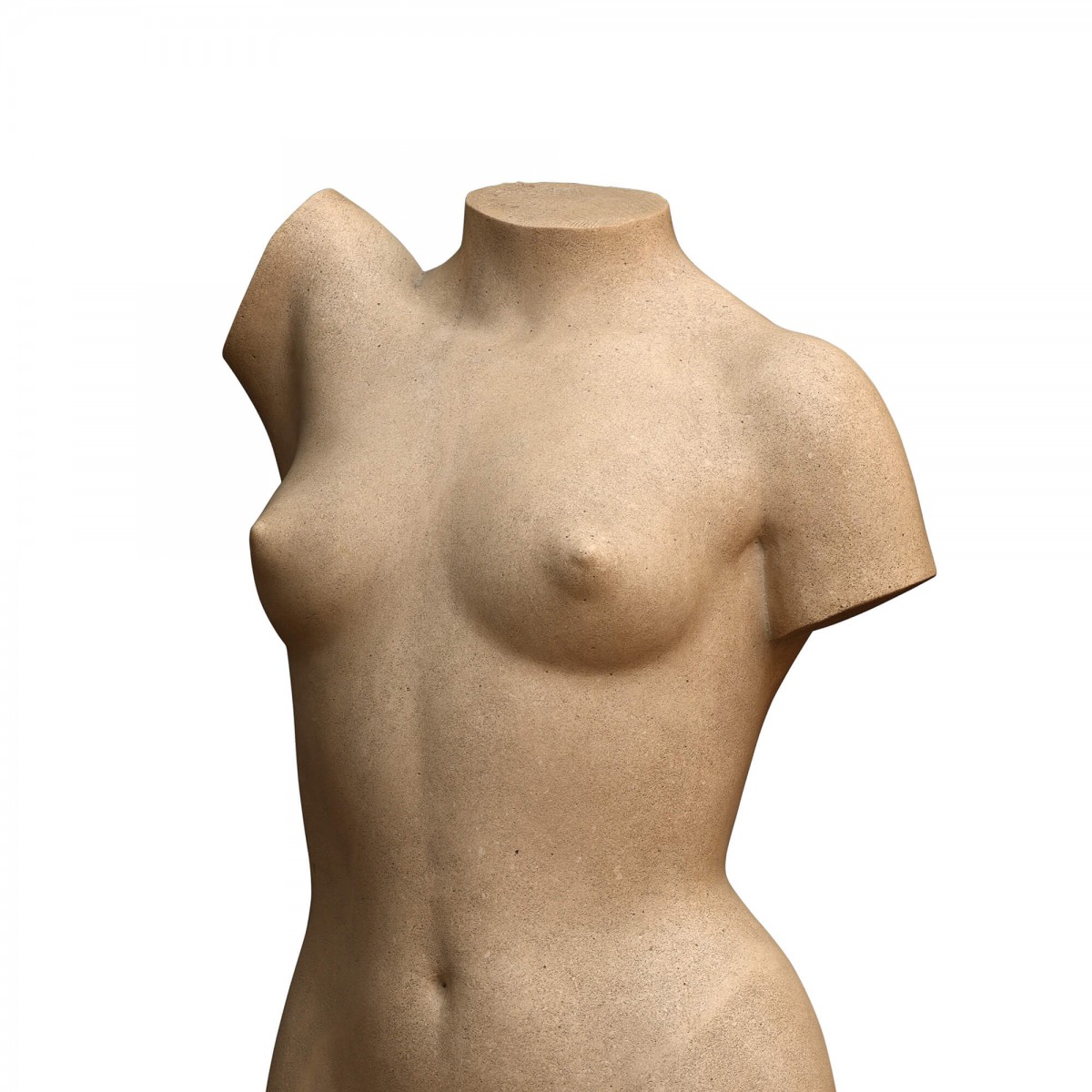
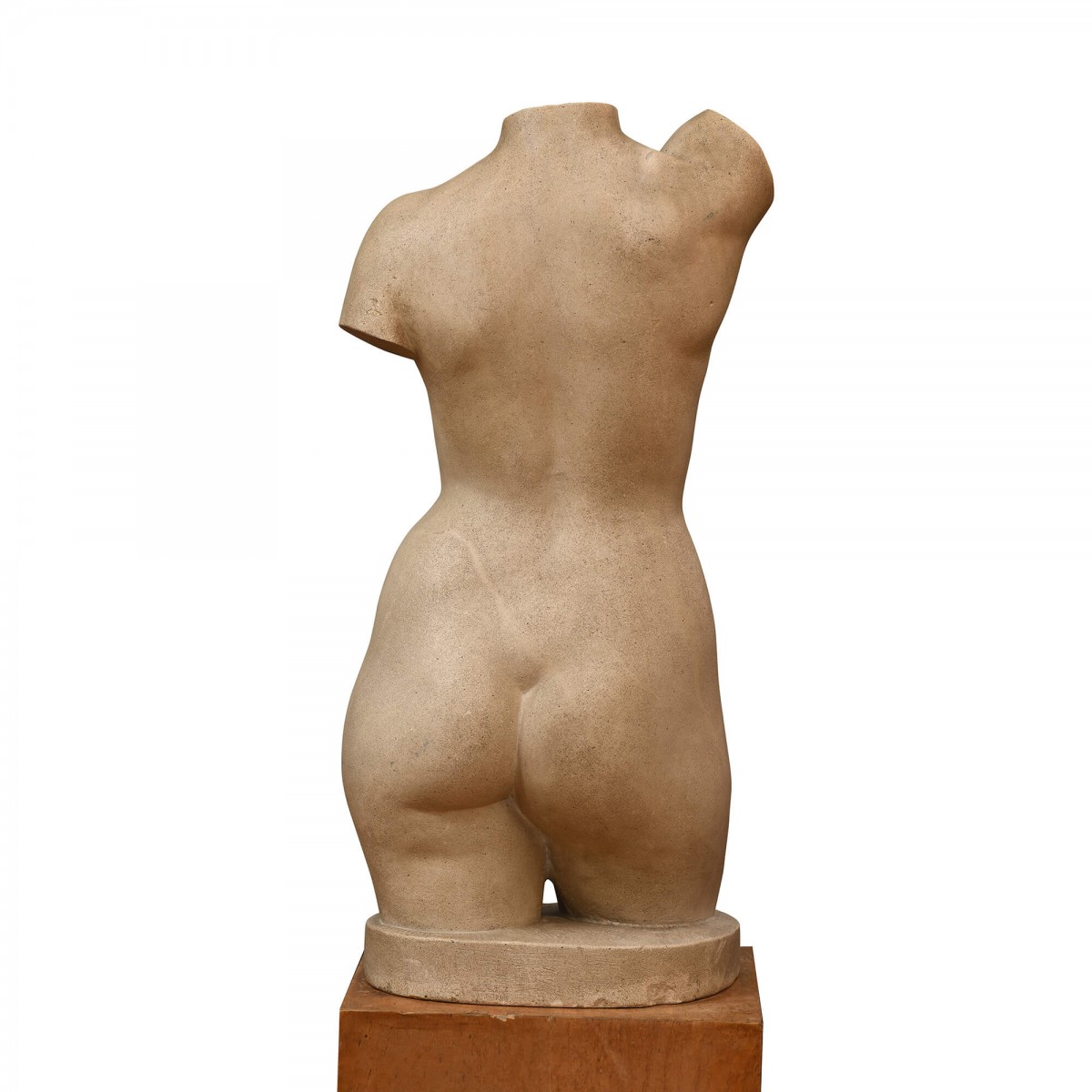
Belgian School
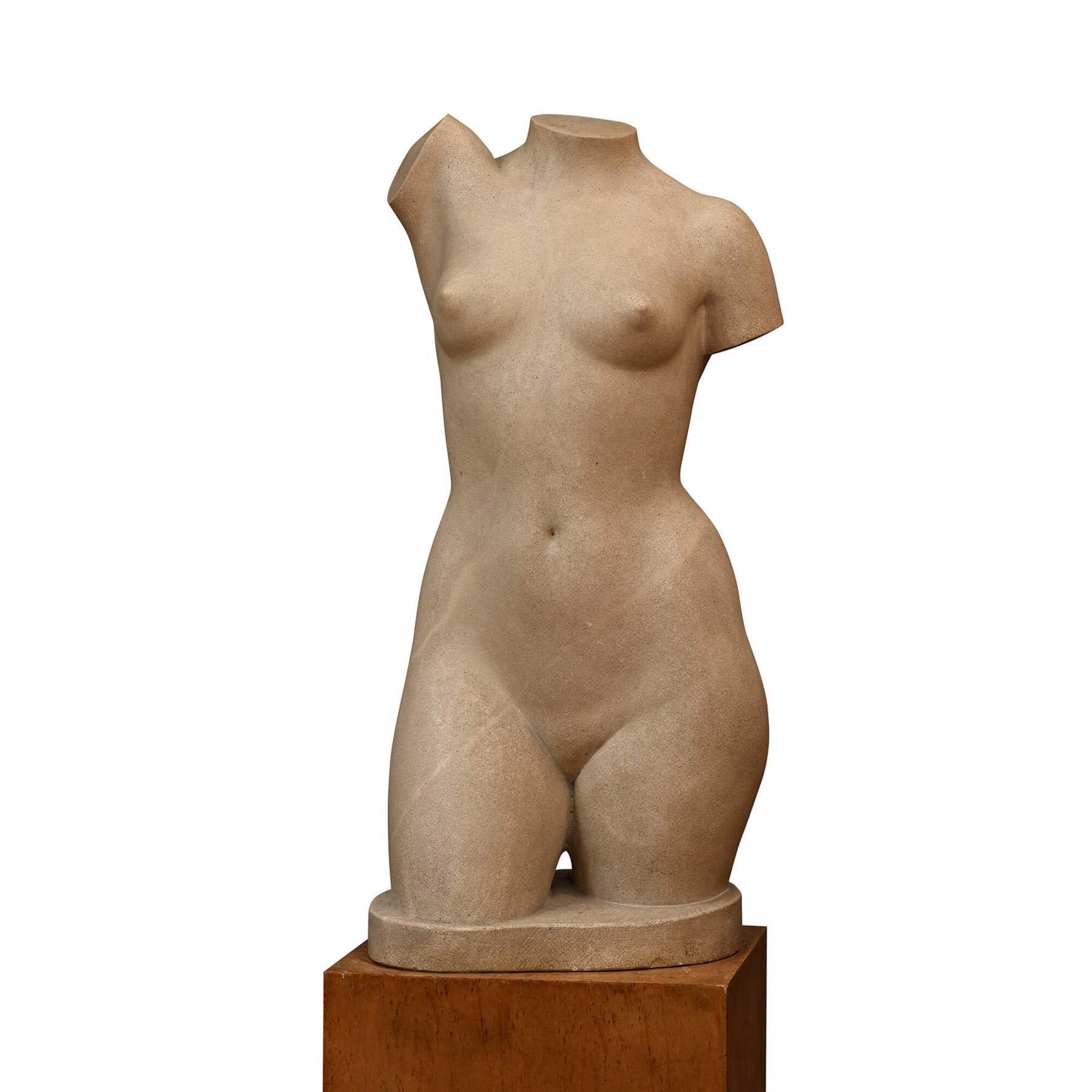
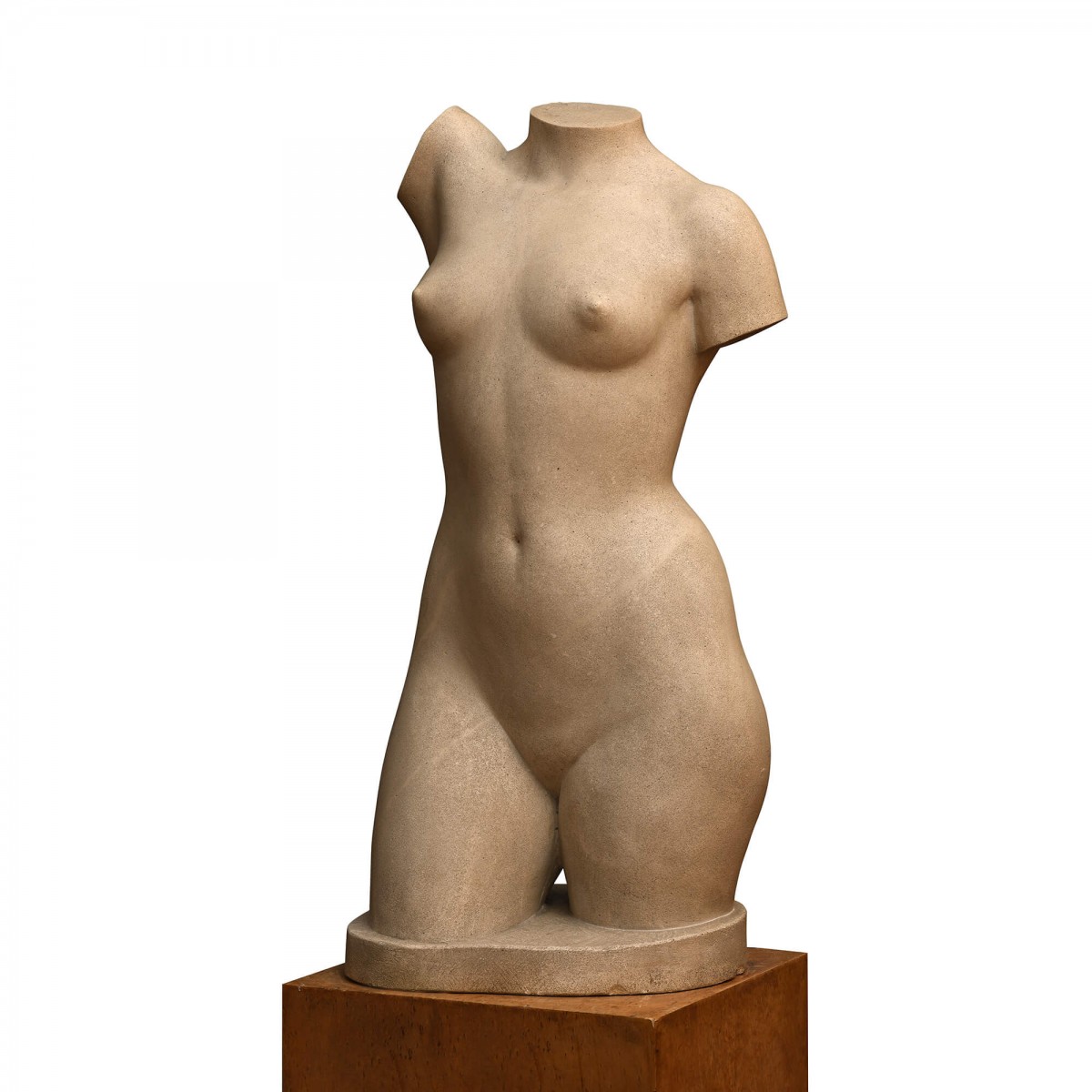
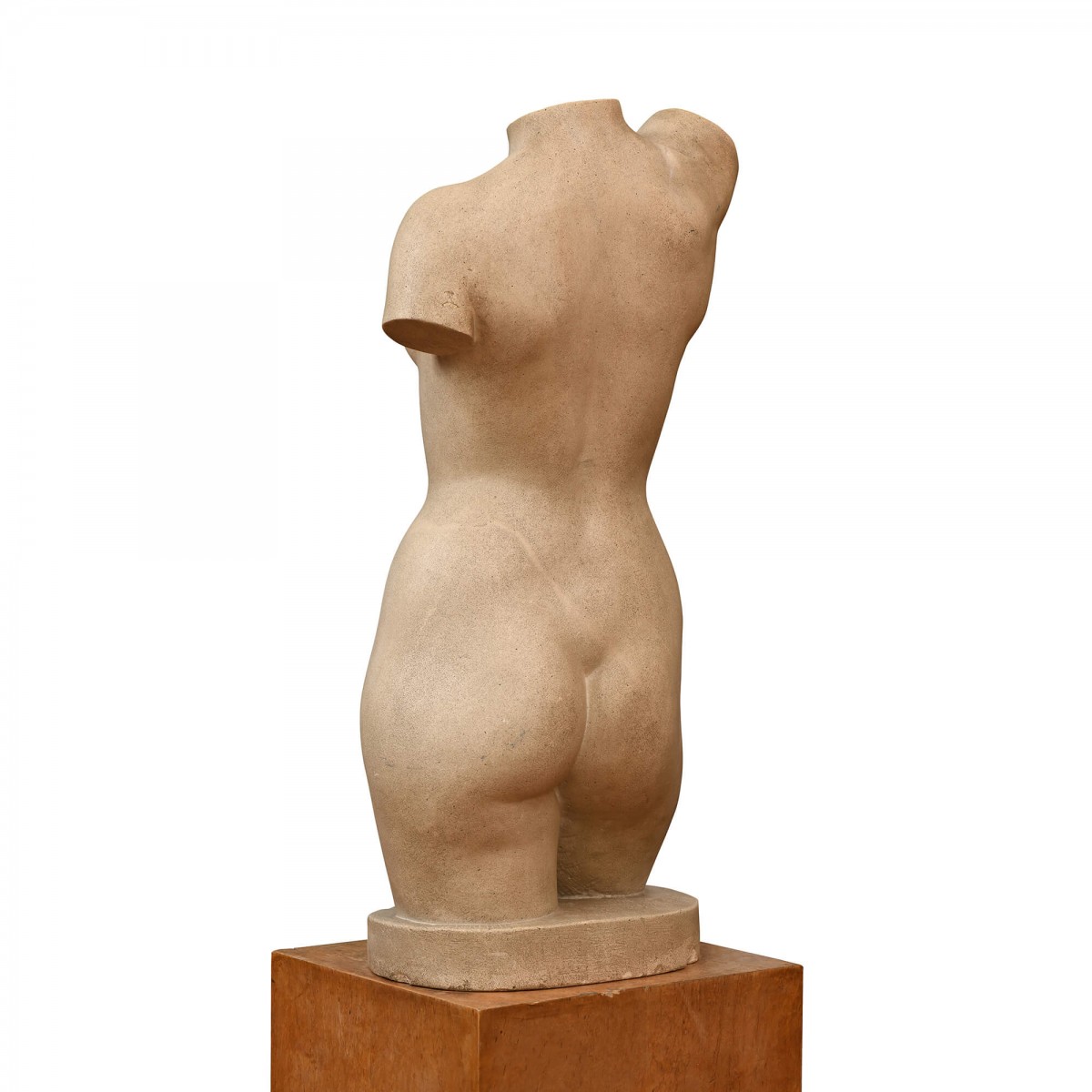
Direct carving in reconstituted stone
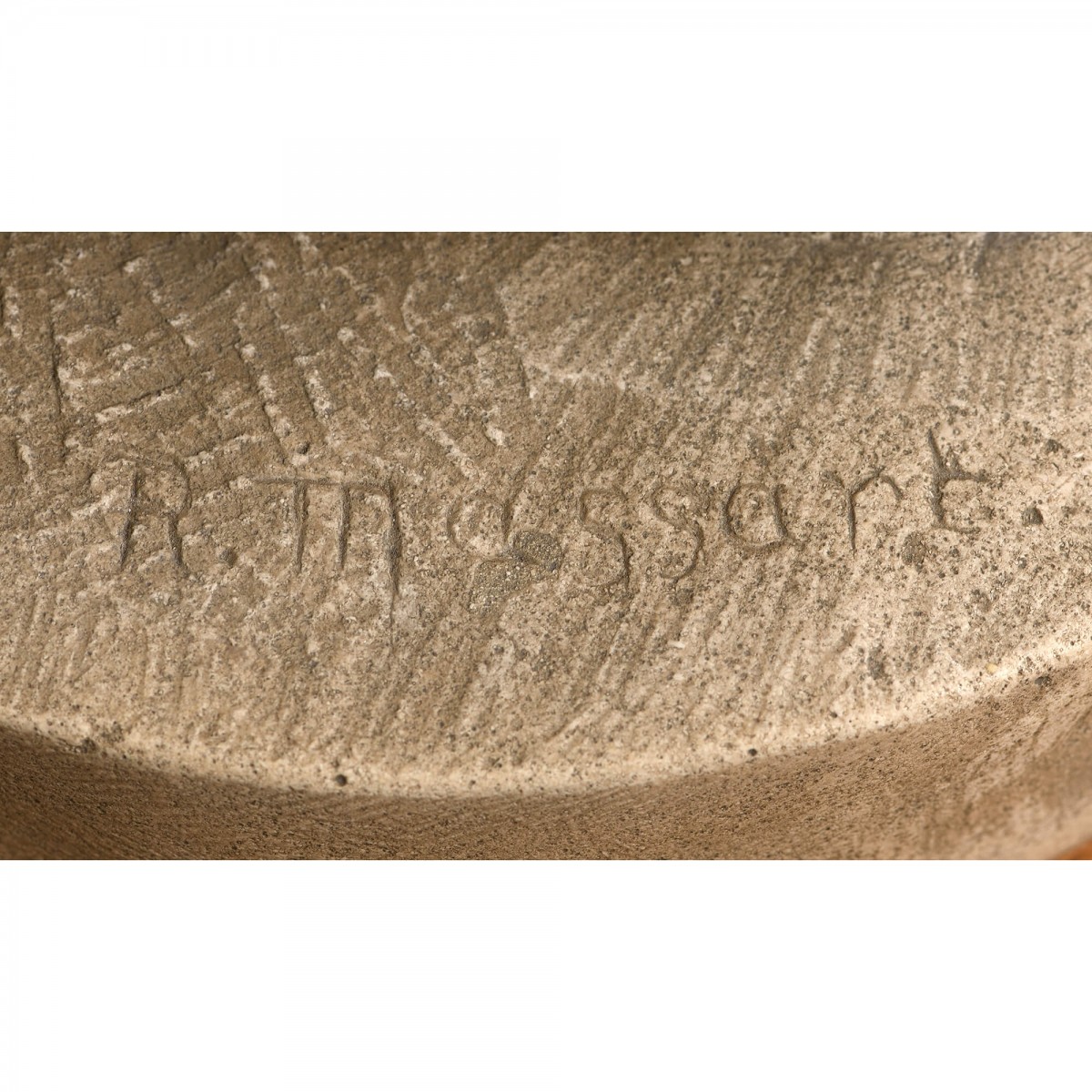
Signed “R. Massart” on the rear of the base
Circa 1915–1920
Dimensions:
Height: 84 cm
Width: 40 cm – Depth: 30 cm
Excerpt – Robert Massart by Jules Bosmant:
“The sculpture of Robert Massart… ‘these are happy and full forms, volumes that come together with grandeur, harmonious contours, rounded masses that spring from within toward the outside and fill the space, take their place, and satisfy a need for balance and for a calm, robust beauty that cannot easily be defined, yet soothes and delights.’”
Bibliography:
– Work reproduced in Jules Bosmant, Robert Massart, Monographies de l’Art Belge, Plate 17
– Work listed under Inventory No. 4598 – Belgian Ministry of Culture, Fine Arts Administration, Brussels
Biography:
Born on December 11, 1892, in Trooz (Belgium) and died in Paris on May 13, 1955
Belgian sculptor
A student of Joseph Rulot at the Academy of Fine Arts in Liège, he was awarded First Prize in 1915.
During the First World War, he rented a small studio in Verviers (Belgium), where he initially painted landscapes of the Vesdre Valley before quickly deciding to devote himself primarily to sculpture.
He worked mainly in stone, artificial stone, cement, and plaster.
His first exhibition took place in 1922.
In 1923, he exhibited a female torso at the Triennial Exhibition in Antwerp.
In 1925, following a special invitation, he presented 14 large-scale works in one of the main halls of the Palais des Beaux-Arts at the Salon de Mai organized by the city of Liège.
In 1926, he held an exhibition at the art gallery of the newspaper La Meuse. That same year, he received his first monumental commission: a war memorial for the municipality of Sougné-Remouchamps, carved from a single block of granite measuring nine cubic meters. Rejecting the usual allegorical representations, he depicted a lightly draped woman seated beside a fallen soldier. The work caused a scandal, as the local population disapproved of the figure’s perceived nudity.
Following this hostile reception, he went into permanent exile in 1927 and joined the painter and engraver Luc Lafnet in Paris, where he met his future wife, Suzanne Pappas.
He nevertheless maintained strong ties with Liège, where most of his monumental works are located. For the 1939 Water Exhibition, he was commissioned to create the northern section of the wall at the tip of Île Monsin, representing an Antwerp dockworker alongside a relief carving of the city of Antwerp.
After the Second World War, he worked on illustrations themed around “telecommunications in the service of science and leisure” and “telecommunications in the service of commerce and industry.”
In 1953, he lost his wife. His health declined, and in 1954 he began decorating the new building of the Public Assistance of Liège with three bas-reliefs symbolizing hospital, preventive, and charitable activities.
He died in May 1955 following surgery, before seeing these works installed.
In 1957, a retrospective exhibition of his work was held at the Museum of Fine Arts in Liège.