Offered by Galerie Lamy Chabolle
REQUEST INFORMATION

Decorative art from 18th to 20th century
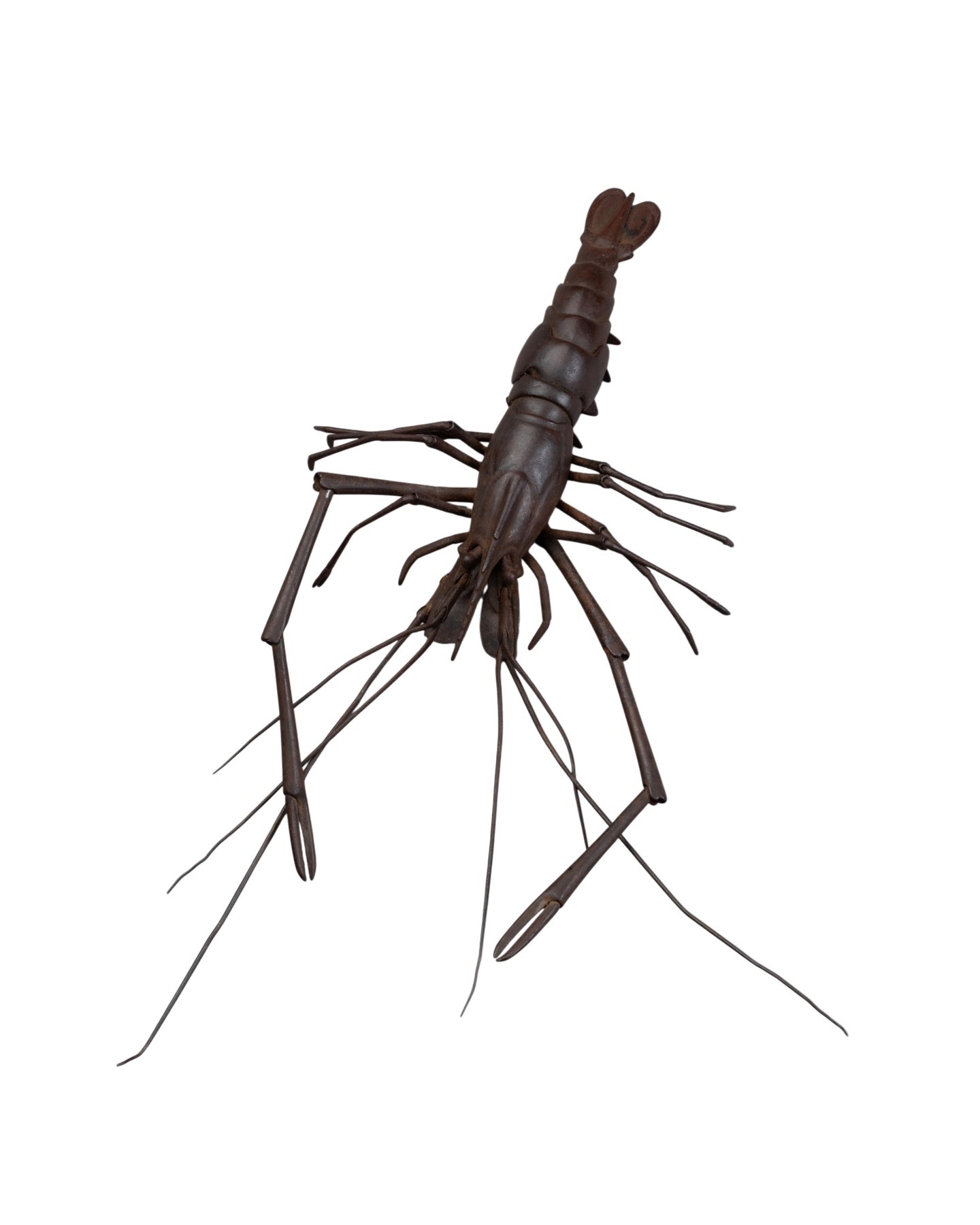
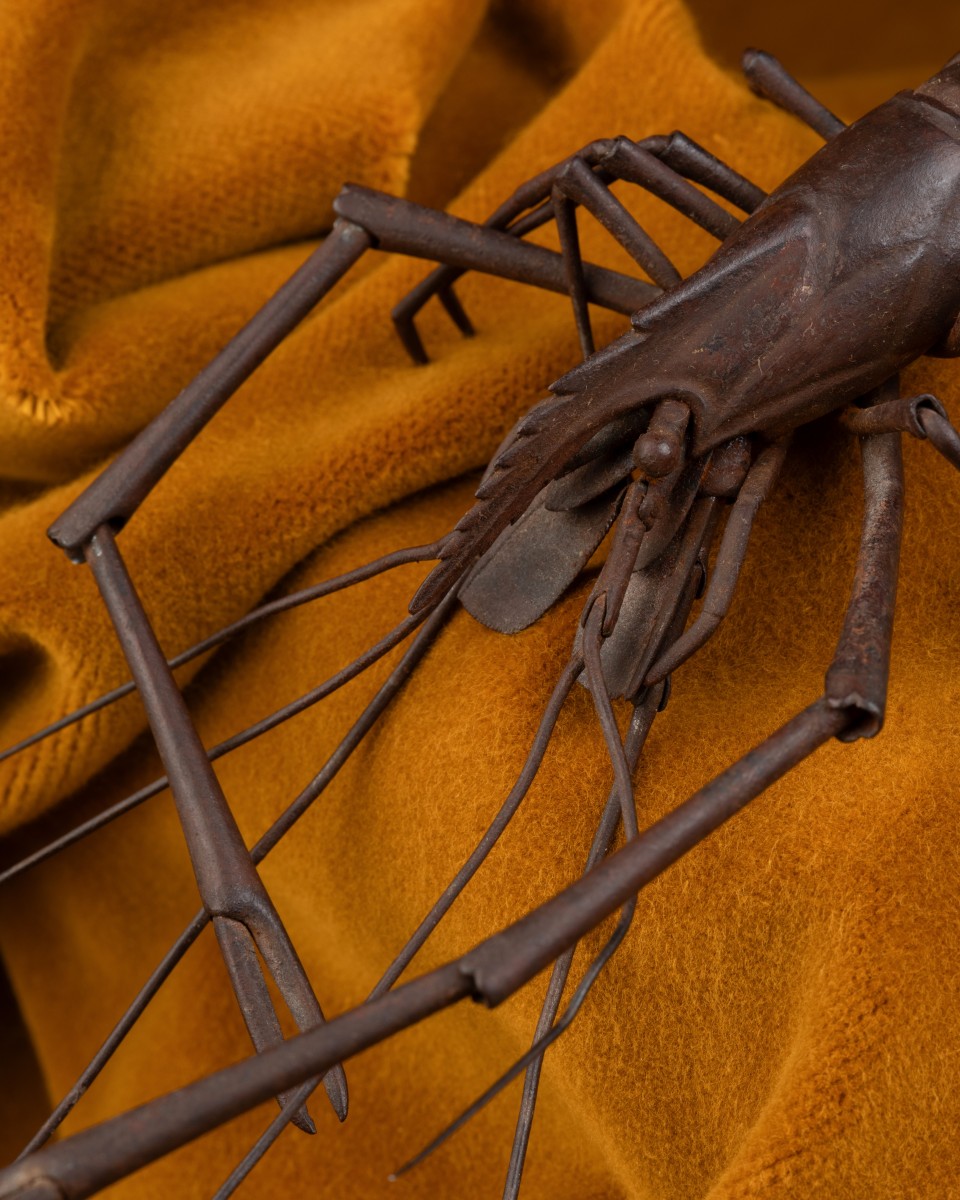
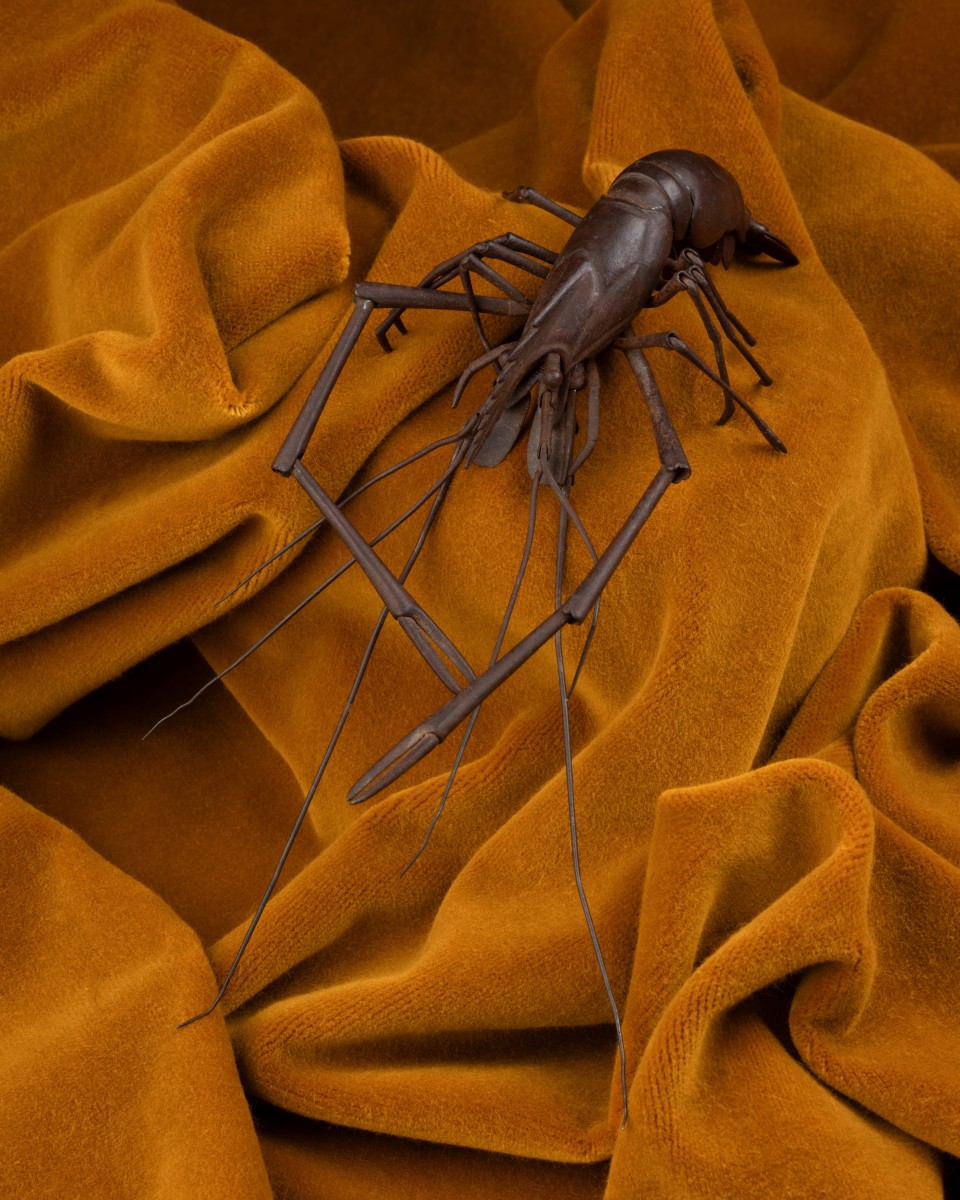
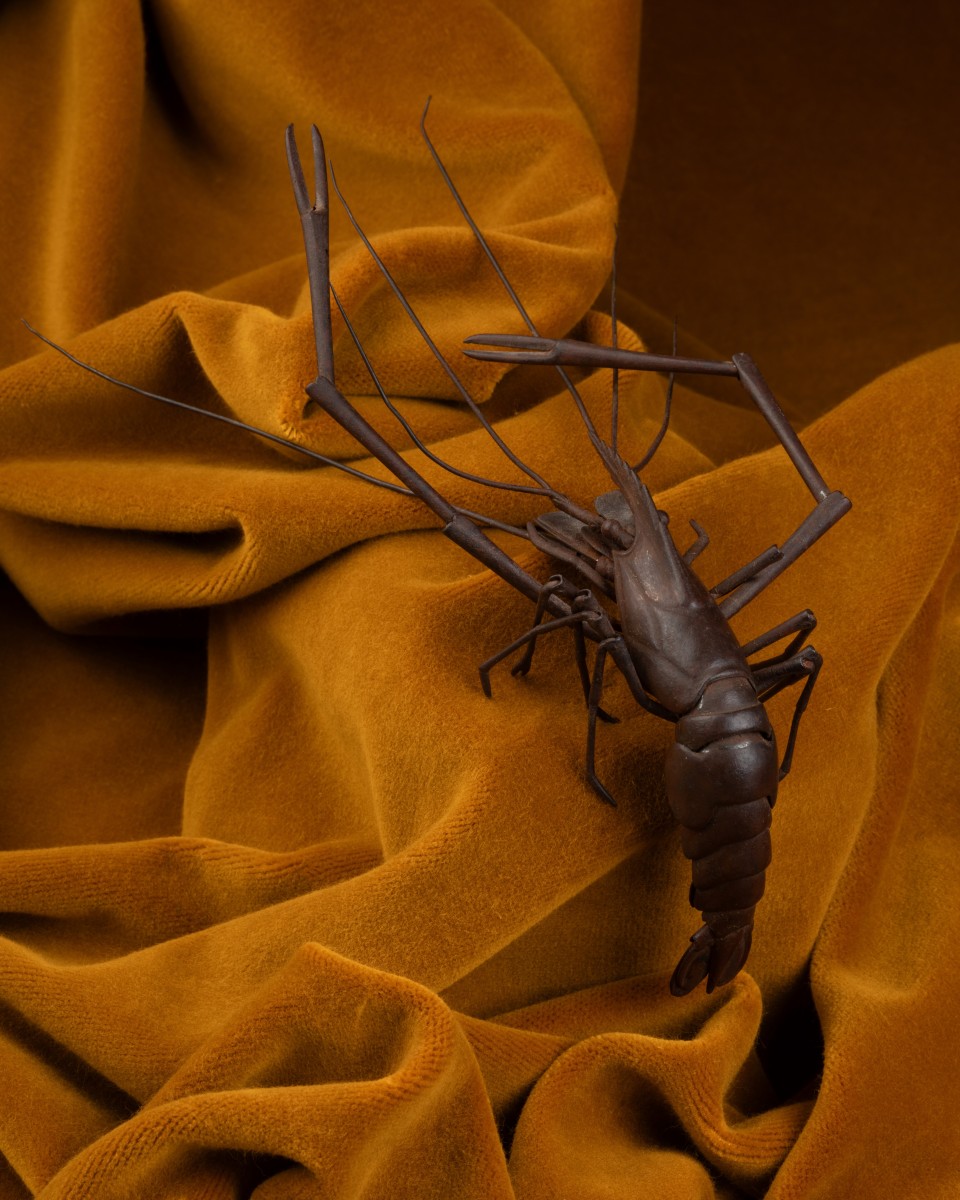
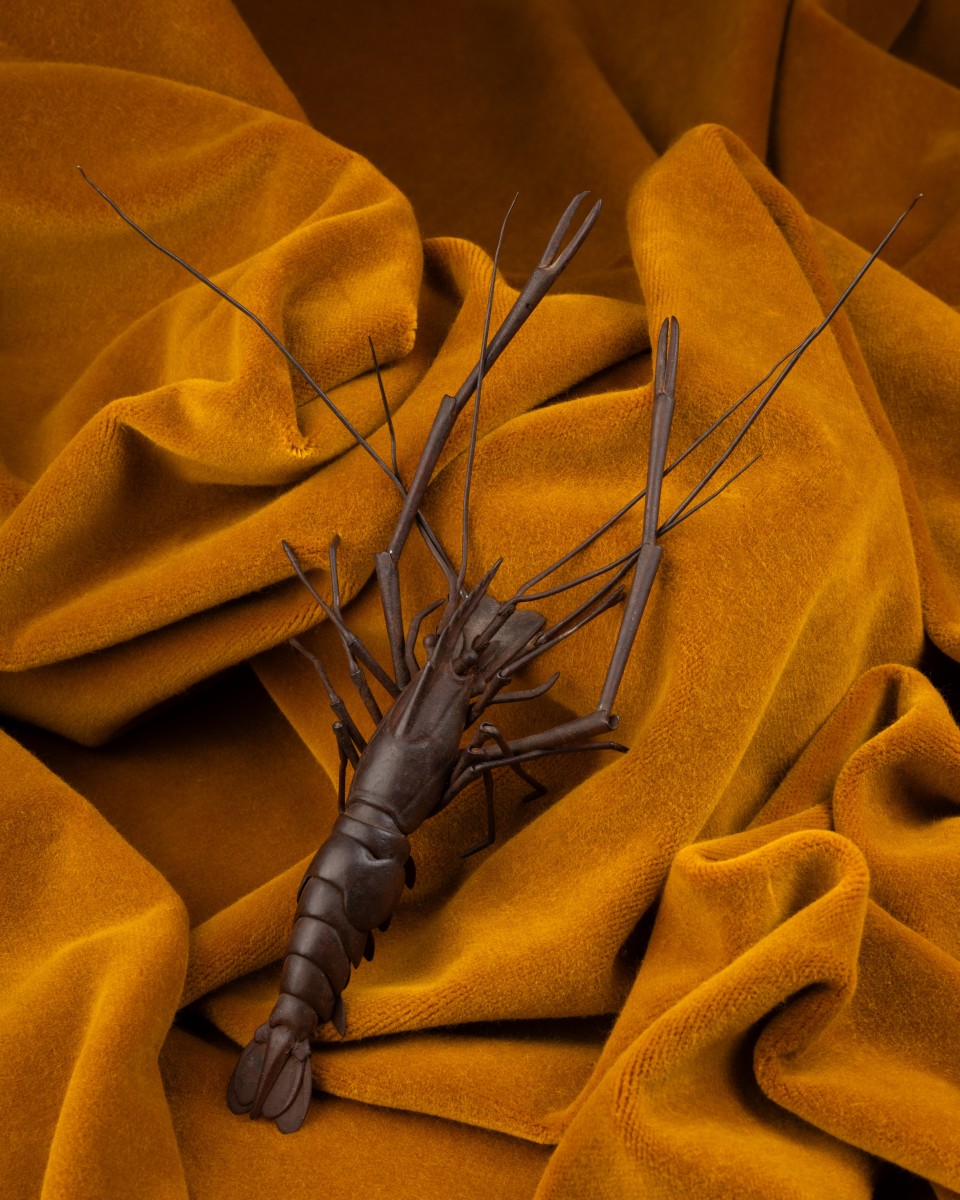
Edo-era, articulated iron prawn, attributed to Muneaki.
Iron.
Kyoto.
L. 20 cm (7,9 in).
Ingenious movable sculptures of animals are the invention of Japanese metalsmiths trained in the manufacture of samurai armor. The Myochin family of armorers is credited with the first sculptures of this type in the eighteenth century. In relative peacetime, the demand for arms and armor had slowed, leading armorers to expand their repertoire into decorative metalwork. Known as jizai okimono (????), literally “free display objects,” these intricate sculptures represent a unique genre of Japanese art. The influence of these craftsmen explains the preference for crustaceans as subjects, as their carapaces are structurally analogous to the articulated plates of traditional armor.
This life-size iron prawn, or kawa ebi (??) is a rare specimen of the jizai (??) craft. While the piece is unsigned, it is attributed to the master Ishikawa Musaburo, known as Muneaki. This identification is based on a remarkably similar specimen once held in the collections of Museum 50 in Taiwan. The survival of the original box, or tomobako (??), for the Taiwan piece confirms it as the work of Muneaki. Active within a prestigious lineage of Kyoto metalsmiths, Muneaki was the younger brother of Tanaka Yuikichi, also known as Muneyoshi, and the heir to the technical traditions of the Tomiki family, whose articulated assembly processes he perfected.