Offered by Galerie Lamy Chabolle
REQUEST INFORMATION

Decorative art from 18th to 20th century
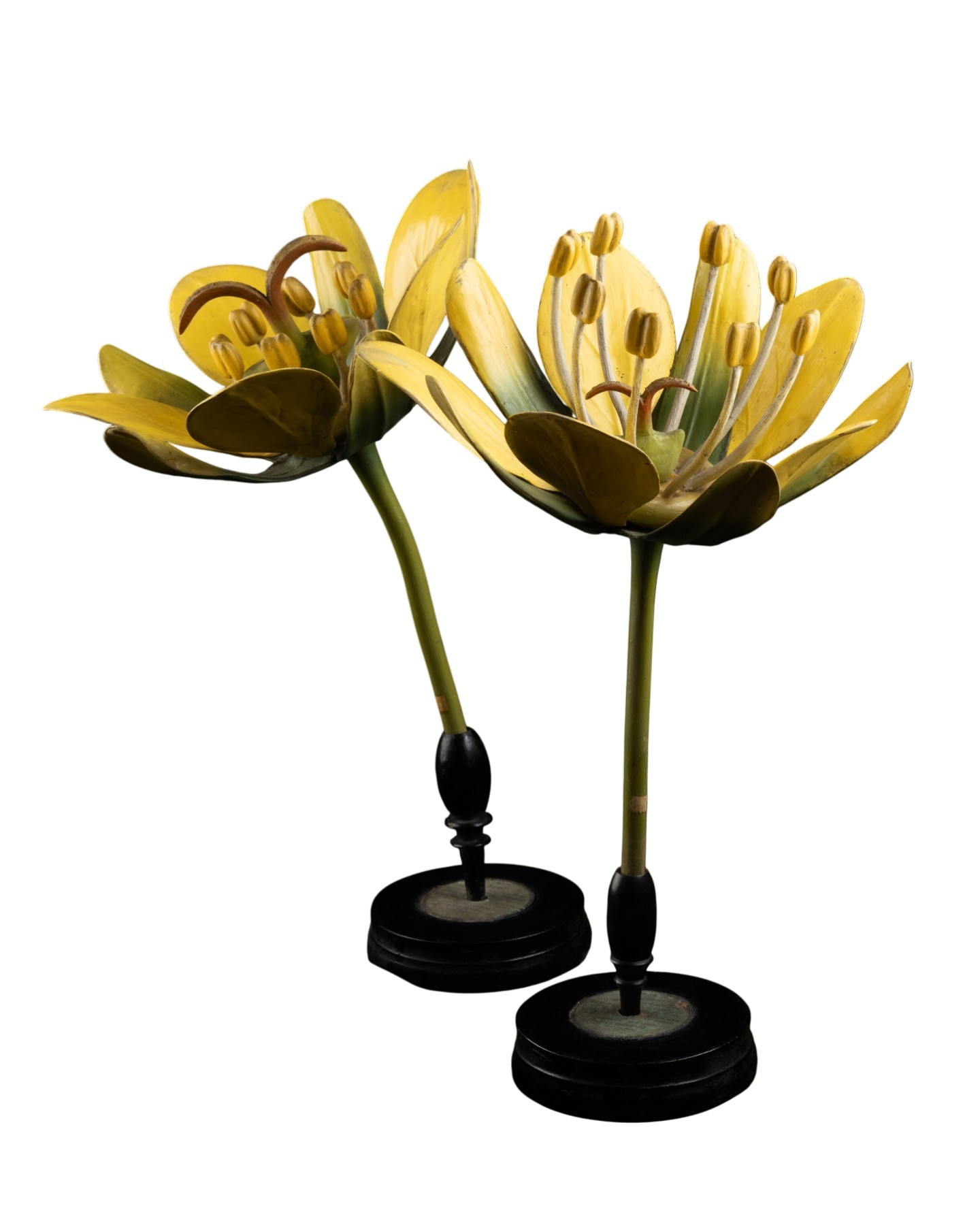
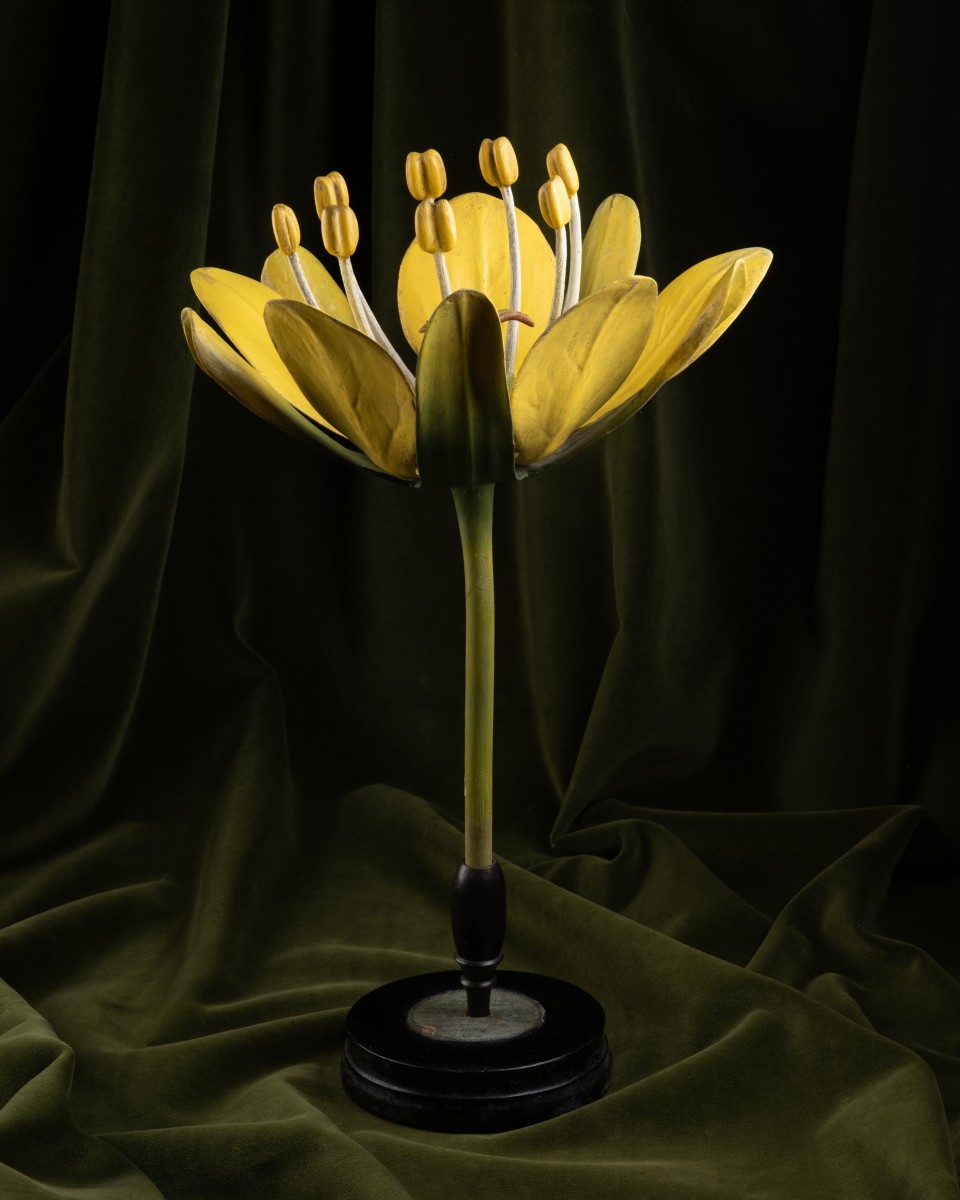
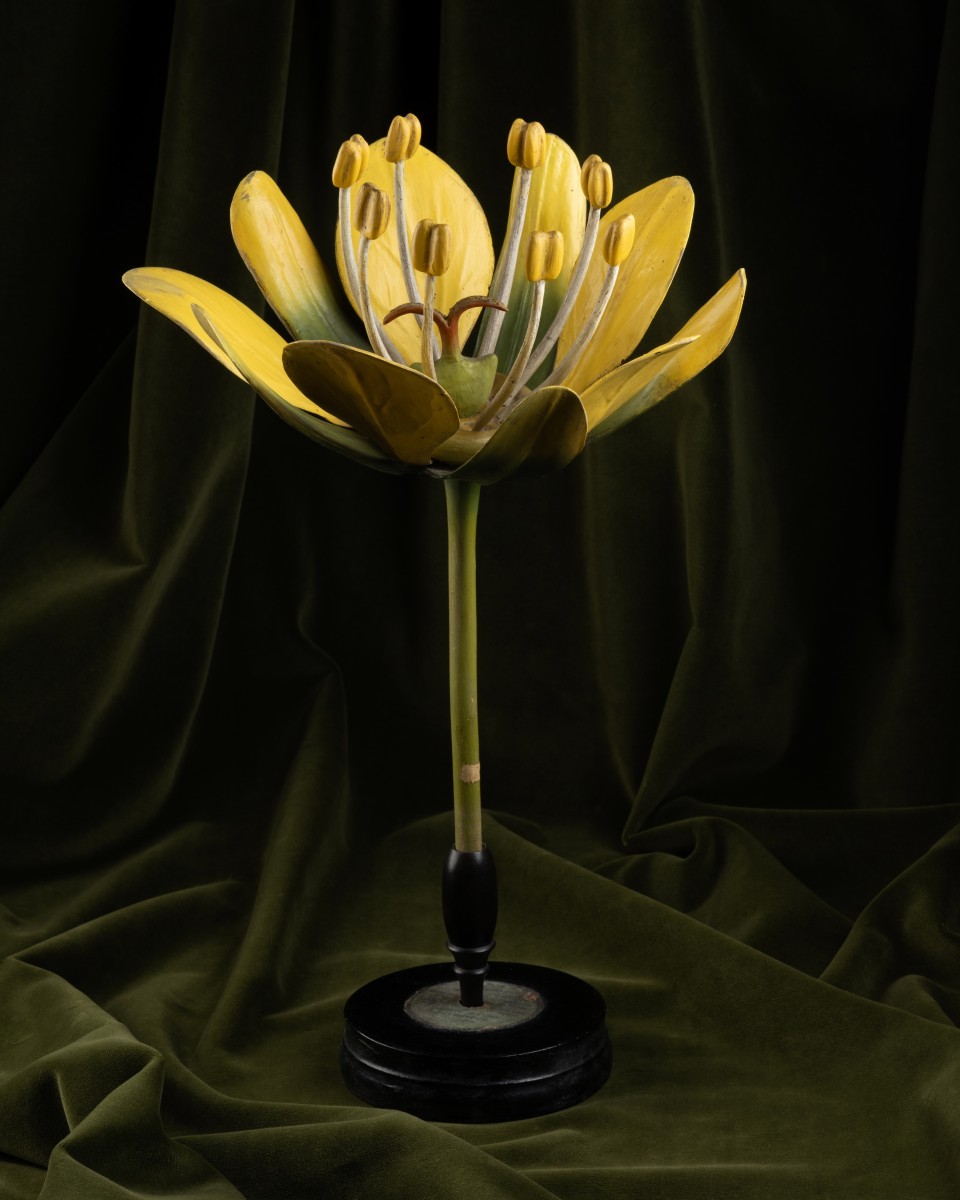
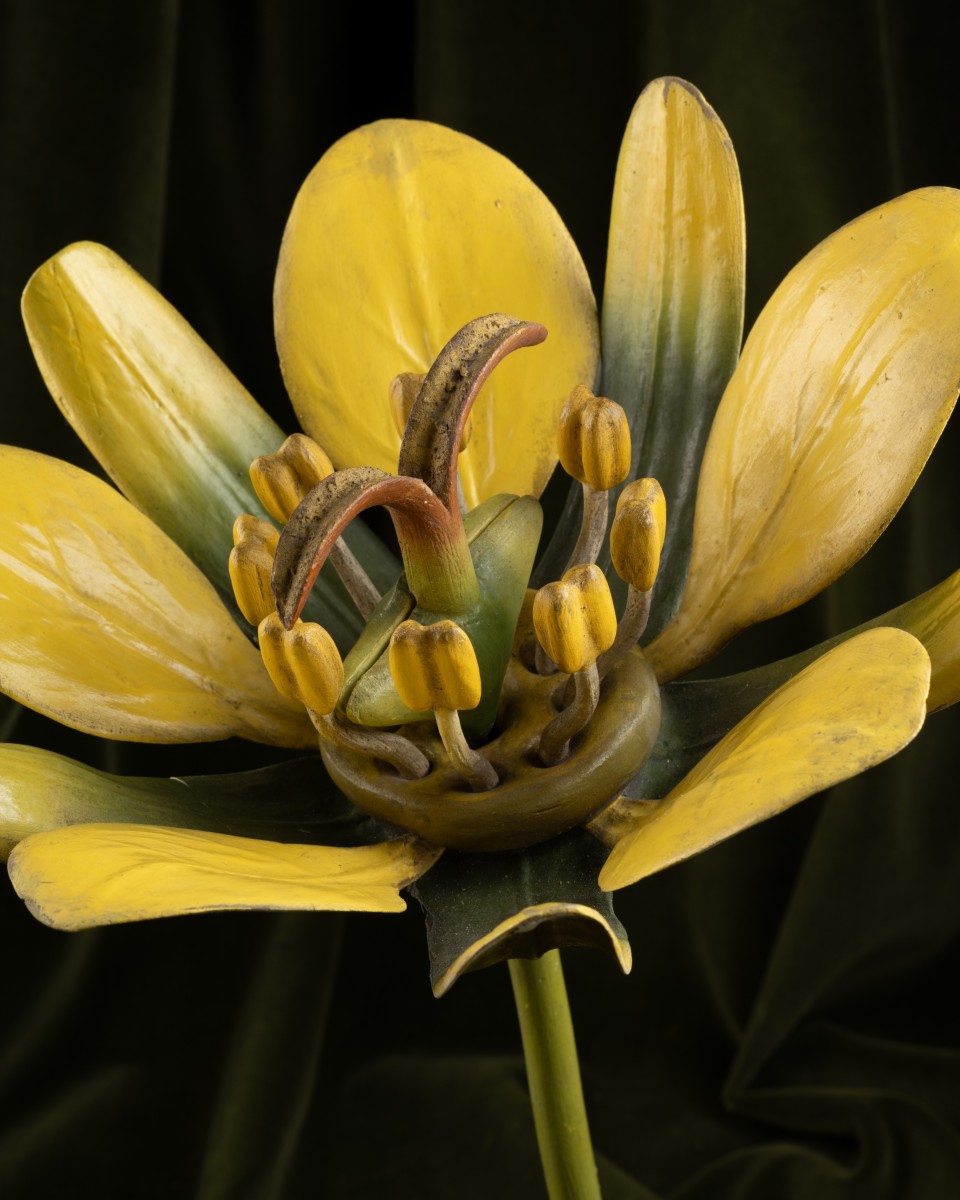
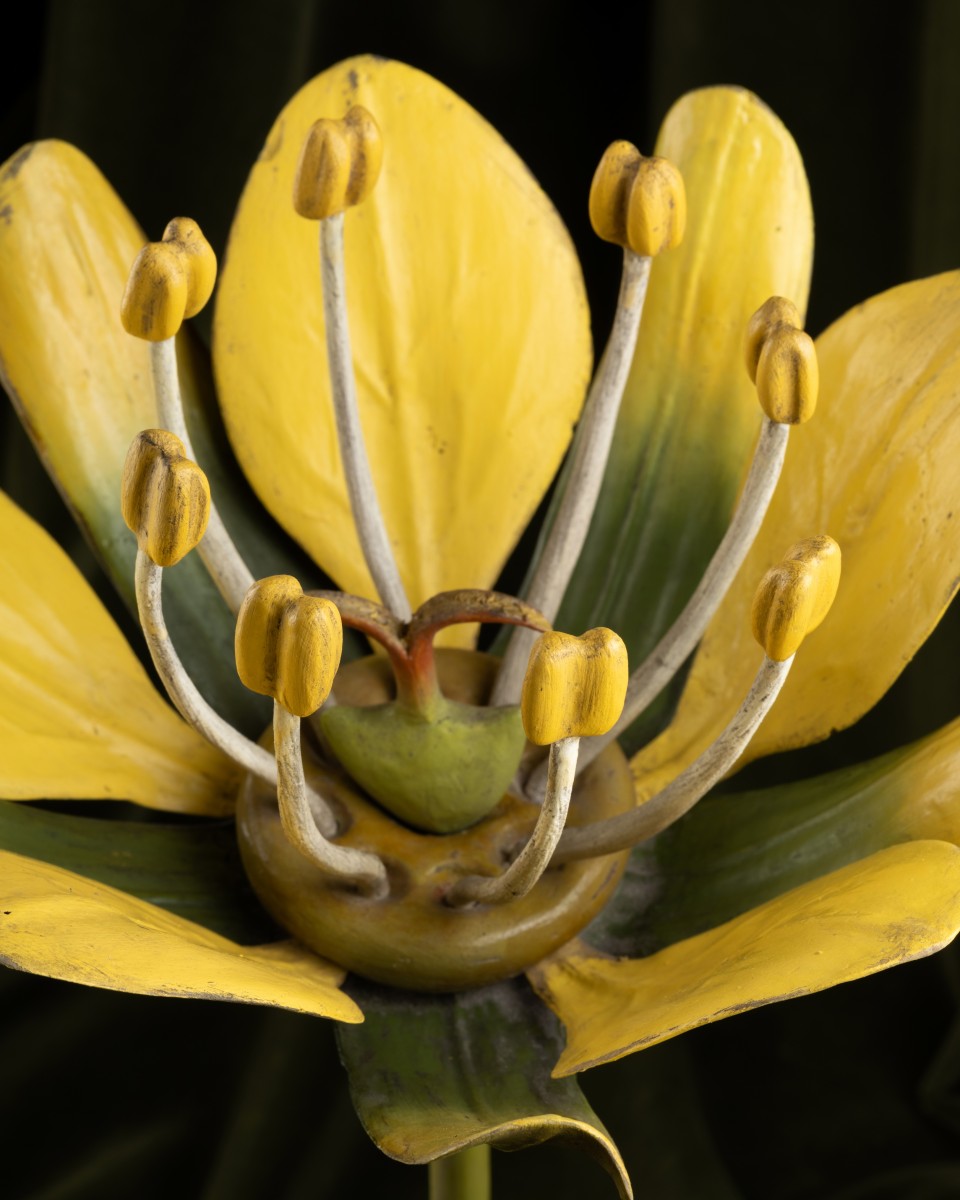
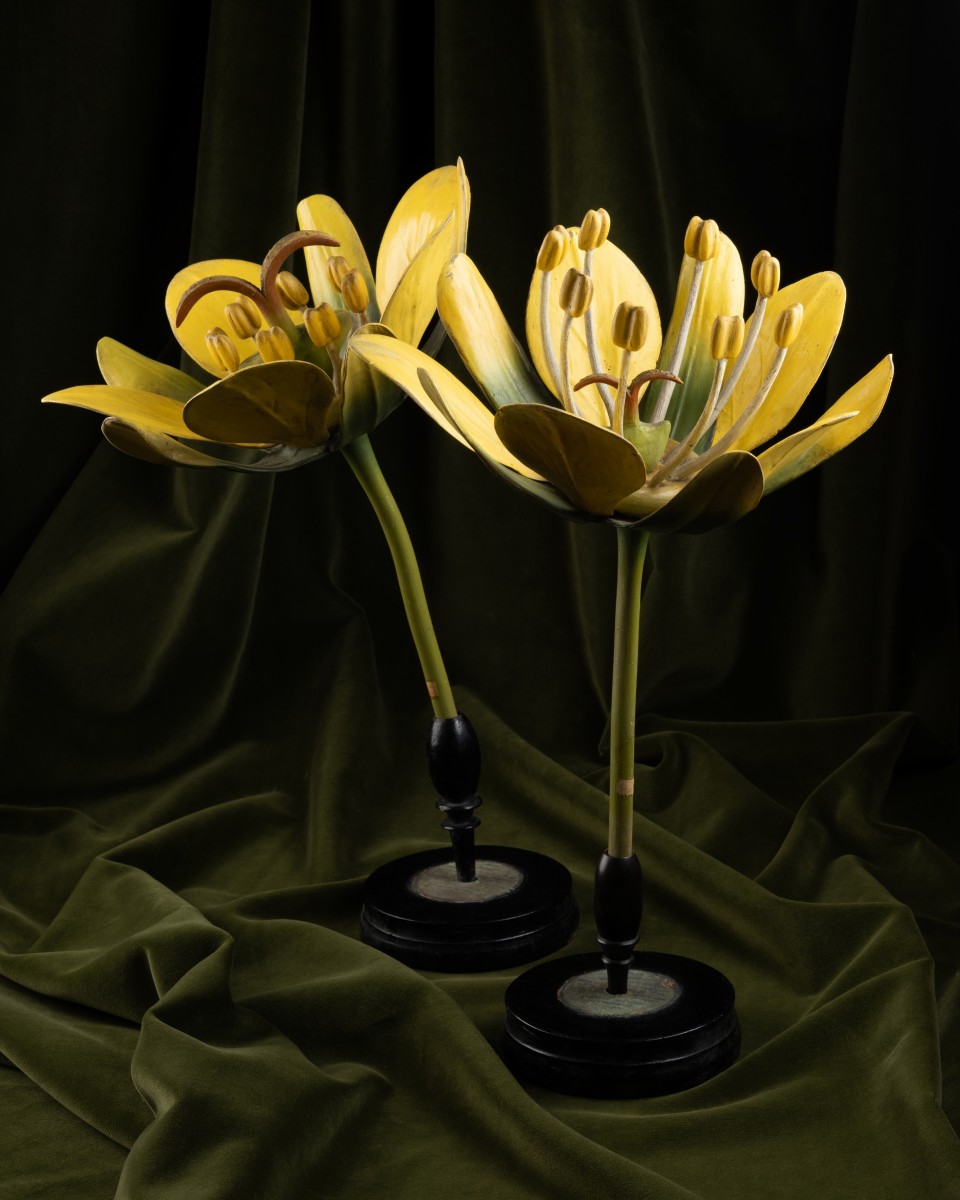
Two botanical models of male and female maple flowers (Acer campestre) by Brendel
Papier-mâché and wood
Germany
ca. 1900
h. 44 cm (17.3 in)
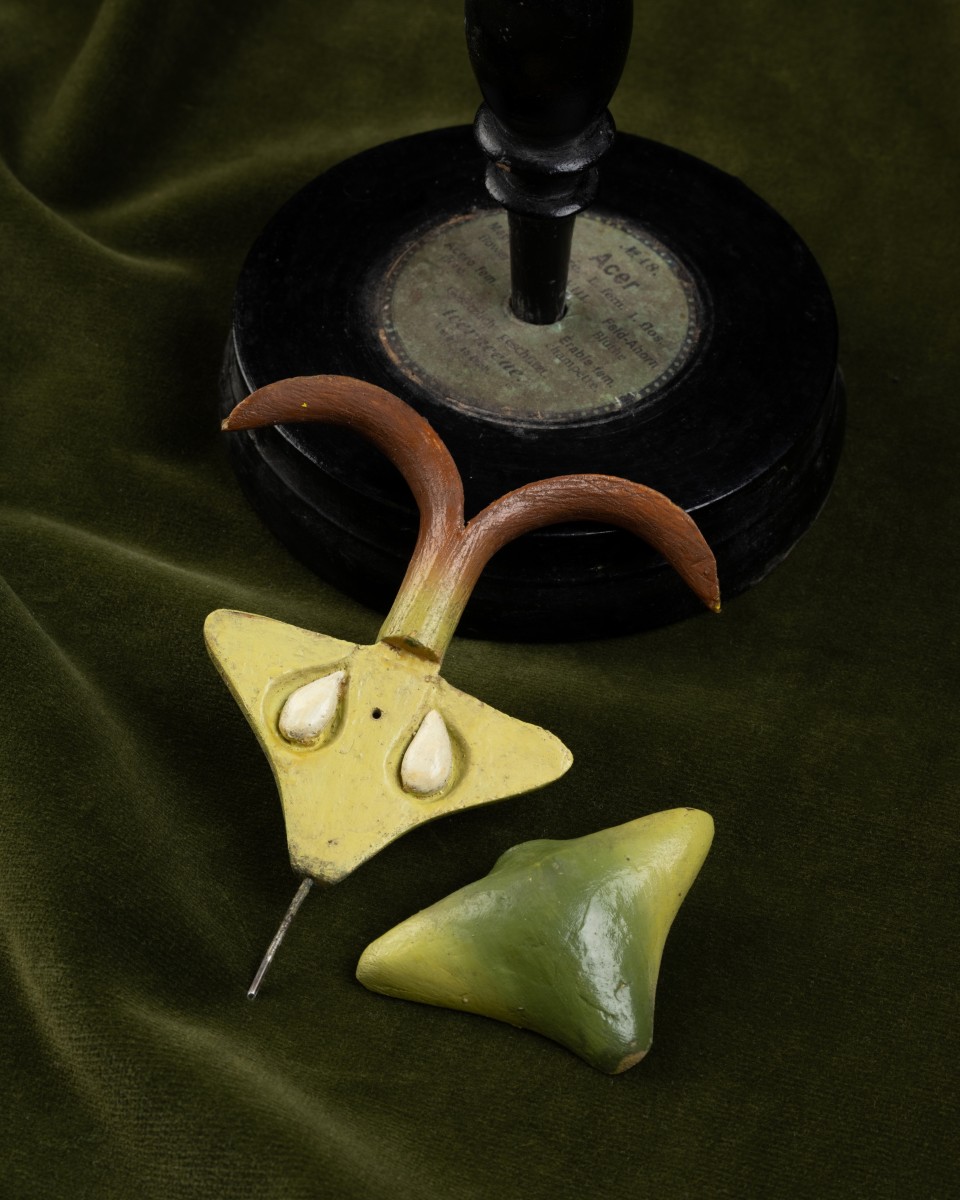
This papier-mâché botanical model represents two maple flowers (Acer campestre), one male and one female. It was designed at the beginning of the 20th century in the workshops of Reinhold Brendel in Grunewald, near Berlin. Originally founded in Breslau in 1866 by Robert Brendel, this small manufactory became famous in the 1870s for producing so-called "clastic" models. These detachable structures allowed for the study of internal plant organization, revealing—on a significantly enlarged scale—anatomical and microscopic details invisible to the naked eye.
Crafted from papier-mâché, wood, wire, and plaster, this model is hand-painted with water-based pigments and likely coated with a shellac varnish. It belongs to the second phase of the factory’s production, which began after 1898 when Reinhold Brendel succeeded his father and moved operations to Grunewald. This period is distinguished by the adoption of more sober, ebonized wood bases, which replaced the molded and varnished bases of earlier series.
The quality of Brendel models was celebrated at the 1900 Paris World’s Fair, continuing the success Robert Brendel had previously achieved in Moscow (1872), Cologne (1890), and Chicago (1893). Today, these rare and fragile artifacts of naturalist education are primarily preserved in prestigious institutions such as the Smithsonian Museum in Washington, the Universities of Bologna, Florence, and Lille, and the National Museum of Liverpool.
See Alexander Tschirch, Erläuterungen zu den botanischen Modellen von Robert Brendel, Berlin, 1885 ; Reinhold Brendel, Preisliste über Botanische Modelle gefertigt und herausgegegeben von R. Brendel, Berlin, 1900 ; Grazinia Fiorini, Luana Maekawa and Peter Stiberc, “Save the Plants : Conservation of Brendel Anatomical Botany Models”, Florence, 2008.