Offered by Jan Muller
REQUEST INFORMATION
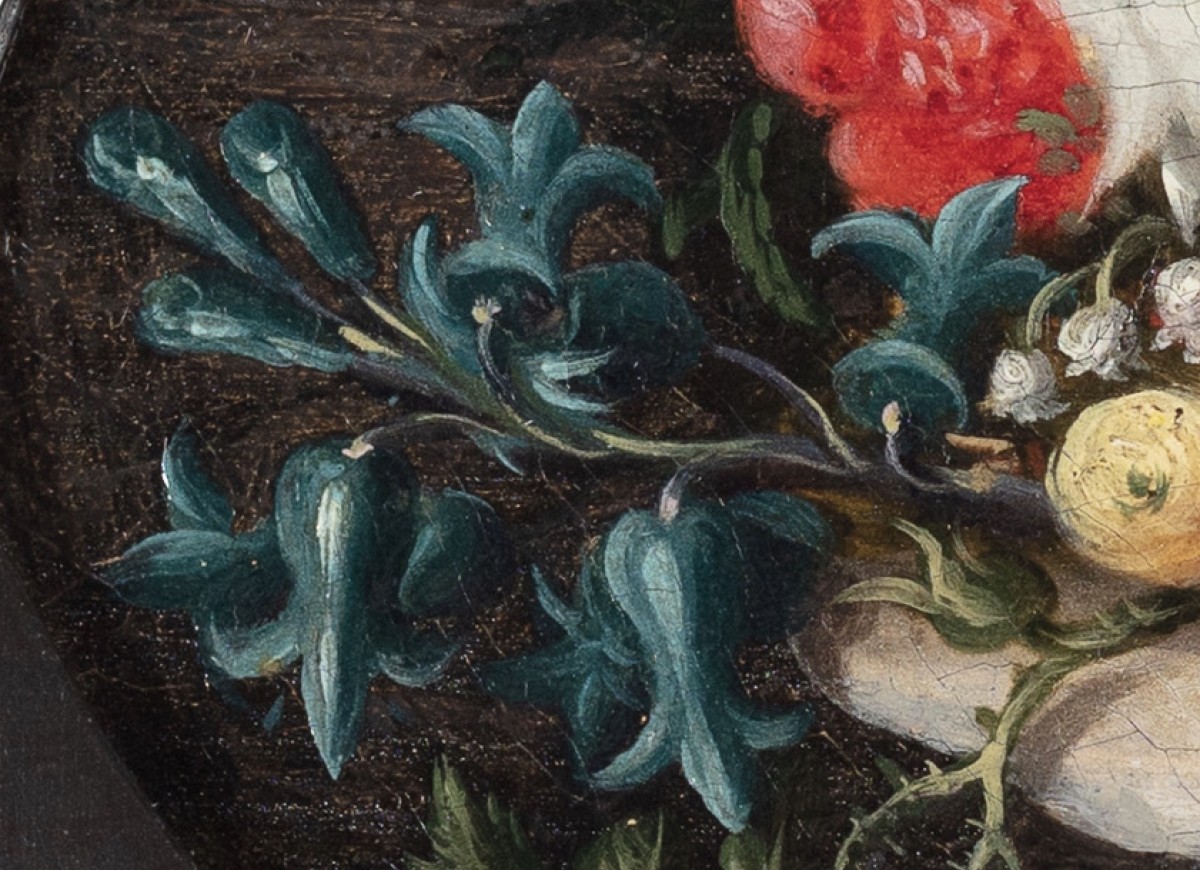
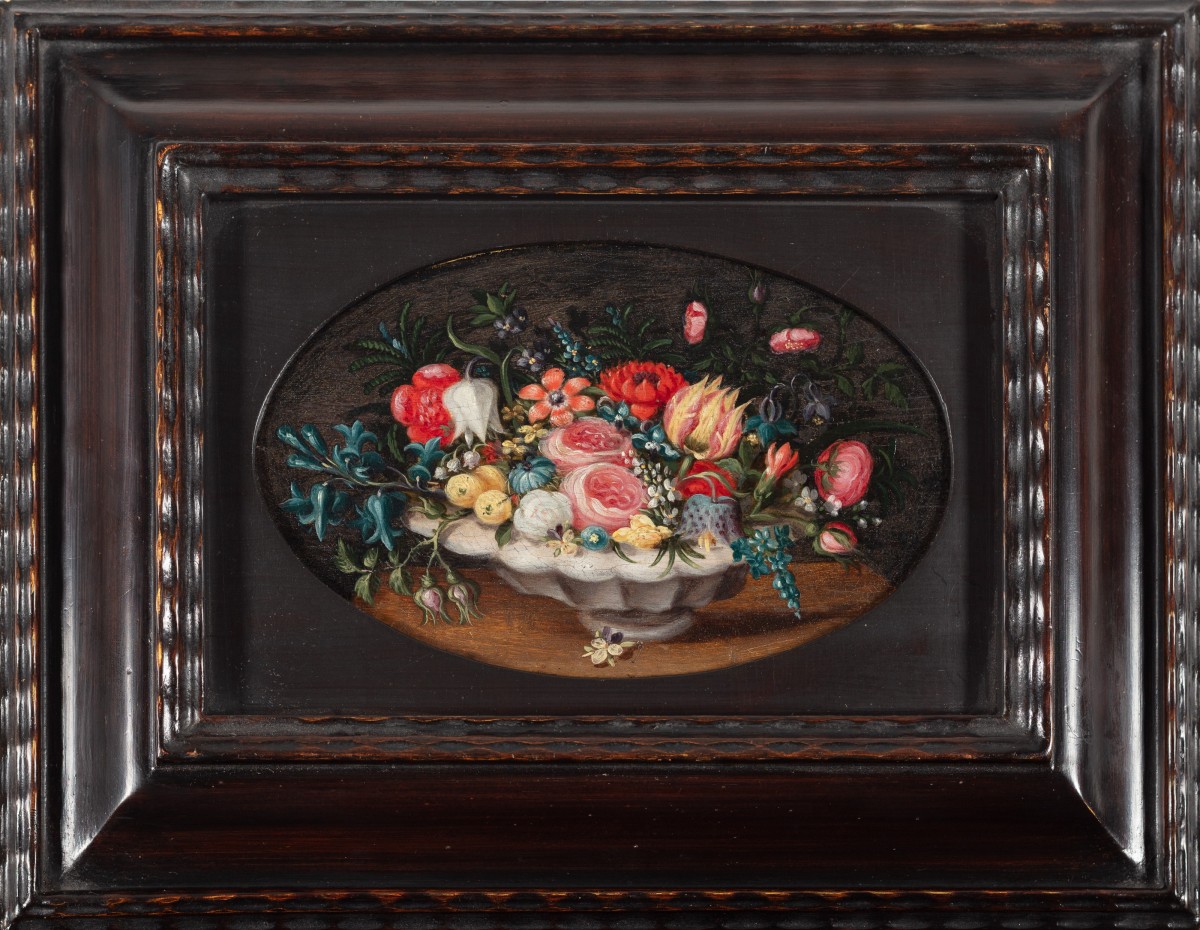

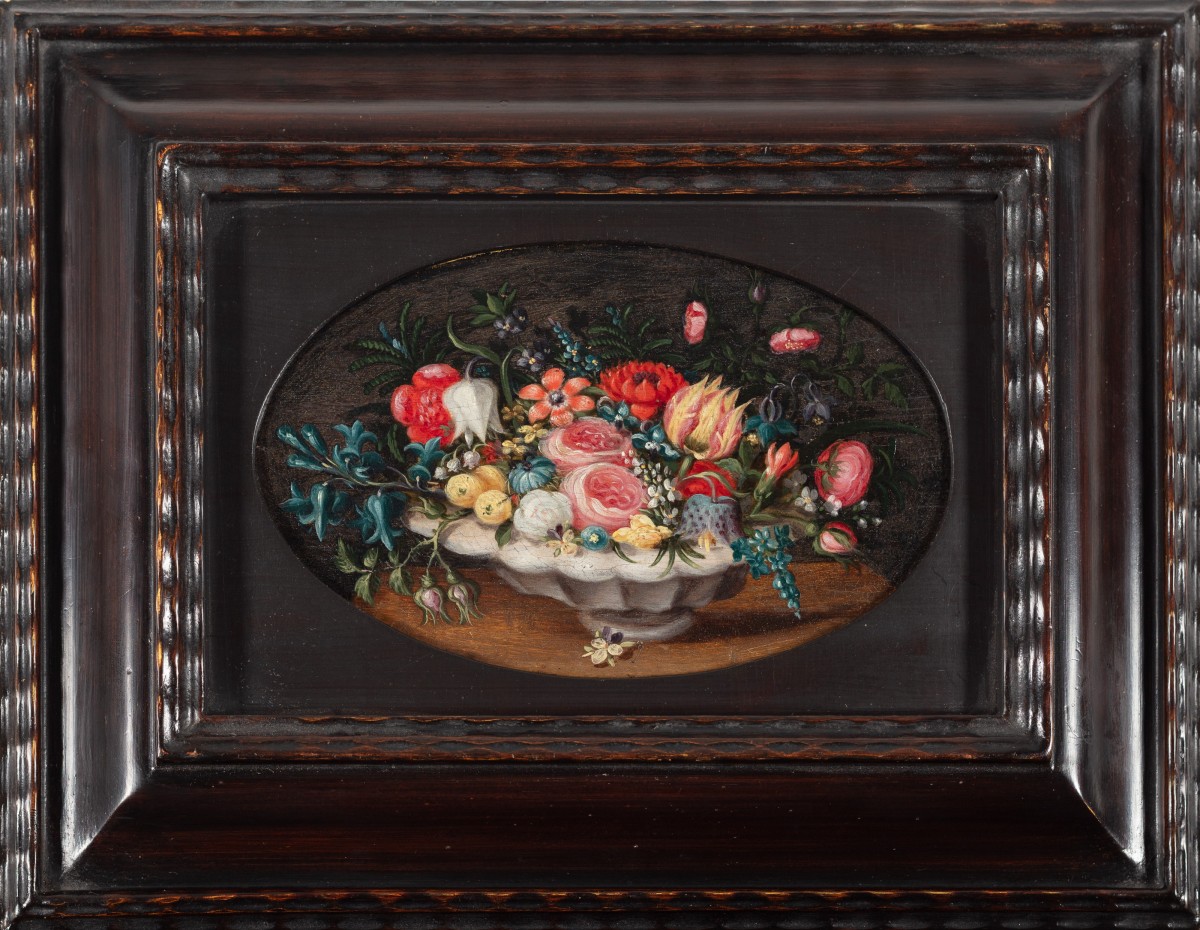
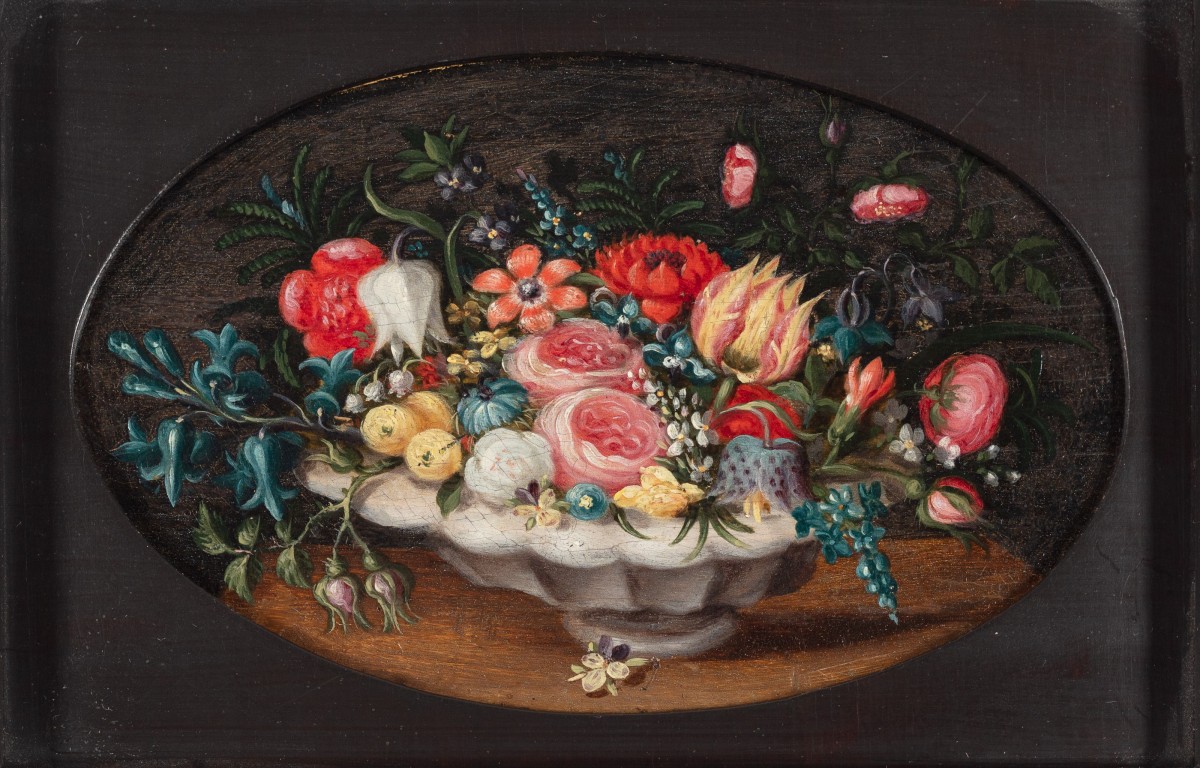
This work is attributed to a follower of Jan Brueghel I. In the art trade, “follower of” refers to a painter who worked in the style of the master, without the work being by his hand.
Jan Brueghel the Elder (Brussels, 1568 – Antwerp, 1625), also known as “Velvet” Brueghel (after his mastery in rendering fabrics), was the younger son of Pieter Bruegel the Elder. He was a good friend and collaborator of Peter Paul Rubens. Together the two were the leading Flemish Baroque painters of the first three decades of the seventeenth century. Brueghel worked in many genres, including history paintings, flower still lifes, allegorical and mythological scenes, landscapes and seascapes.
Little is known about his workshop practice. He had a large workshop, which allowed him to produce many works, which were in turn reproduced in the workshop. After his death in 1625, his son Jan Brueghel the Younger took over the workshop. This is clear from the style of the surviving paintings, which are in the vein of his father’s, and from the continued collaboration with his father’s former collaborators, such as Rubens and Hendrick van Balen. This workshop production contributed to the wide distribution of Brueghel’s creations.
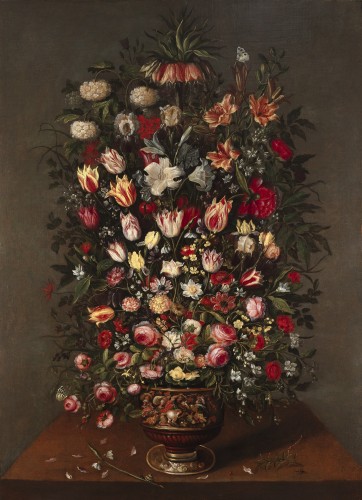
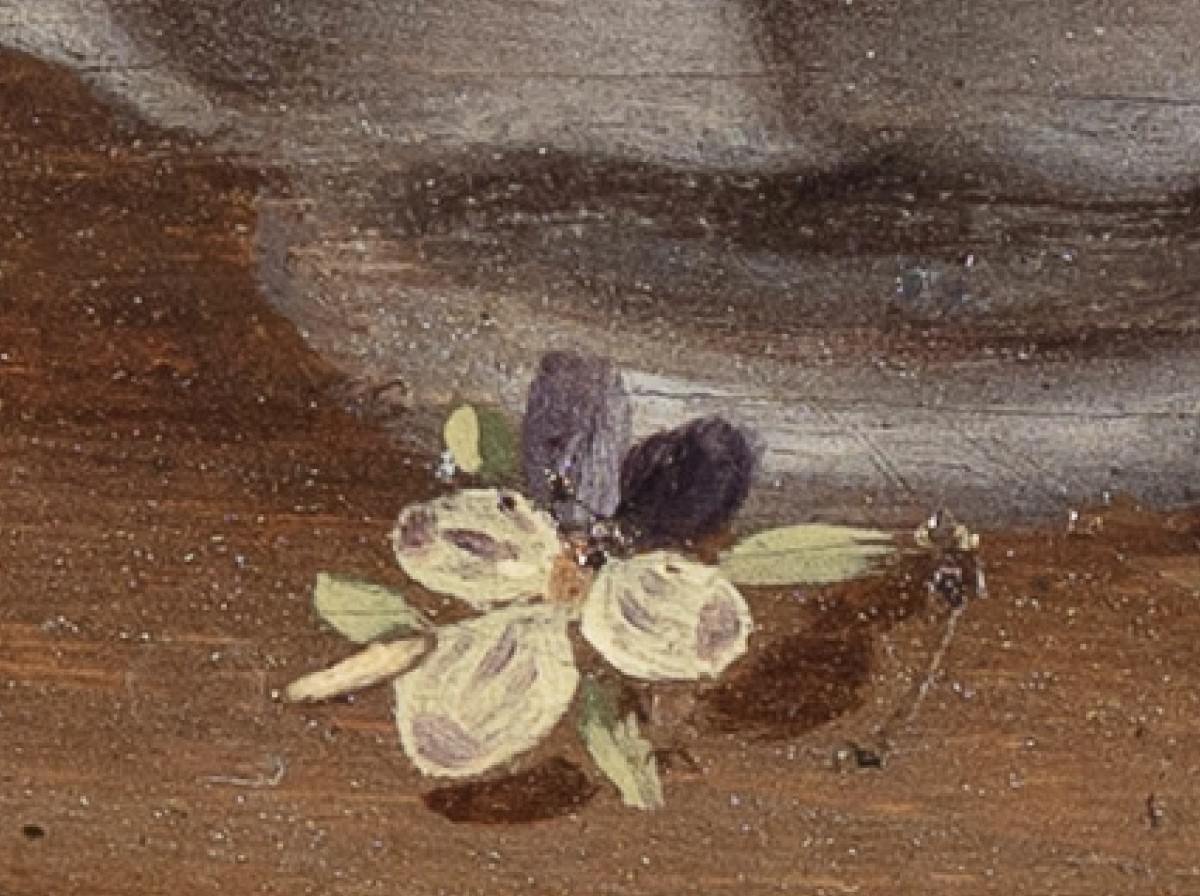
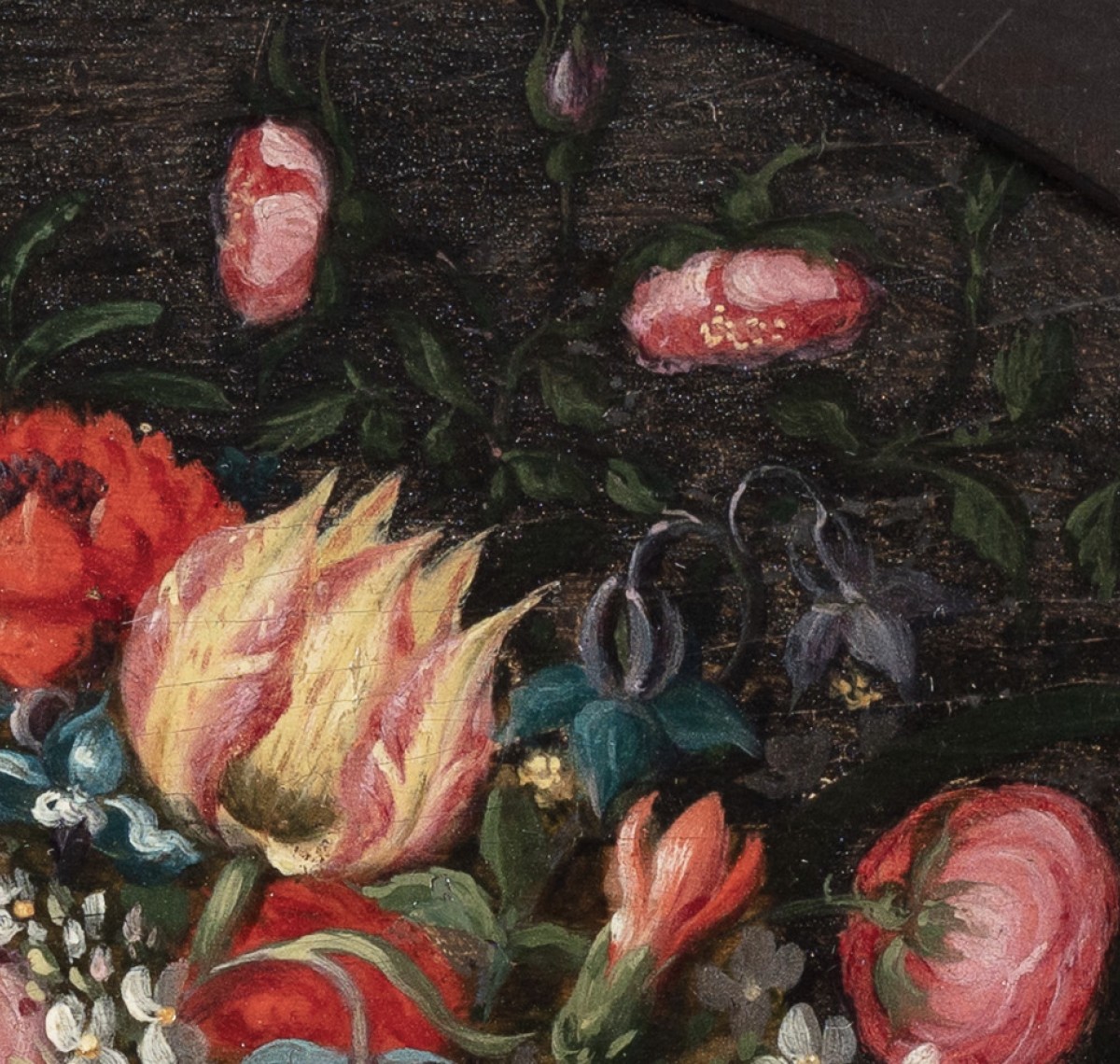
This small flower still life draws the eye with the bright colours of its various flowers. We see roses, tulips and other flowers, painted from different angles. Together they sit in an earthenware bowl. The white bowl with its undulating volumes recurs in the oeuvre of Jan Brueghel. The painter probably worked from a design by Brueghel himself. Examples of such works by Brueghel can be seen further on in this sheet.
The still life stands on a brown tabletop. The background is dark, so that all attention goes to the colours of the flowers. This is typical of Brueghel’s flower pieces. His bouquets consist of flowers that bloom in different seasons and so could never have been painted together from nature. Common flowers such as tulips, irises and roses often form the anchor of the composition, and each flower is shown with little overlap and from its own angle, so that it shows to its best advantage. It is a fine example of a small still life that could hang perfectly among a larger collection, or as a small work in a private room.
The flower still life developed around 1600 into an independent genre in Dutch painting, under the influence of the growing interest in exotic flowers and plants. Jan Brueghel the Elder was one of the first artists in the Spanish Netherlands to paint pure flower still lifes, and Ambrosius Bosschaert the Elder is regarded as one of the founders of the genre. The bouquets often combined flowers from different countries and even different continents, which in reality never bloomed at the same time. For wealthy collectors, a flower piece formed part of a private world that included rare garden plants, which sometimes cost more than the paintings of them.
Still-life motifs already existed earlier in manuscripts and in fifteenth- and sixteenth-century paintings, such as Robert Campin’s Annunciation Triptych and Petrus Christus’s Goldsmith in His Shop. Many of these elements referred to qualities of the Virgin or another religious figure: the lily, for example, stood for purity. As an independent genre, the still life only flourished in the Low Countries in the early seventeenth century.
The popularity of still lifes in the Northern and Southern Netherlands reflects the growing urbanisation of Dutch and Flemish society. This placed emphasis on the home and personal possessions, trade, education and all aspects of daily life. By 1700 the styles of the Northern and Southern Netherlands and of the German and French regions became less and less distinct from one another. Dutch painters worked for foreign princes, and the market spread across Europe.
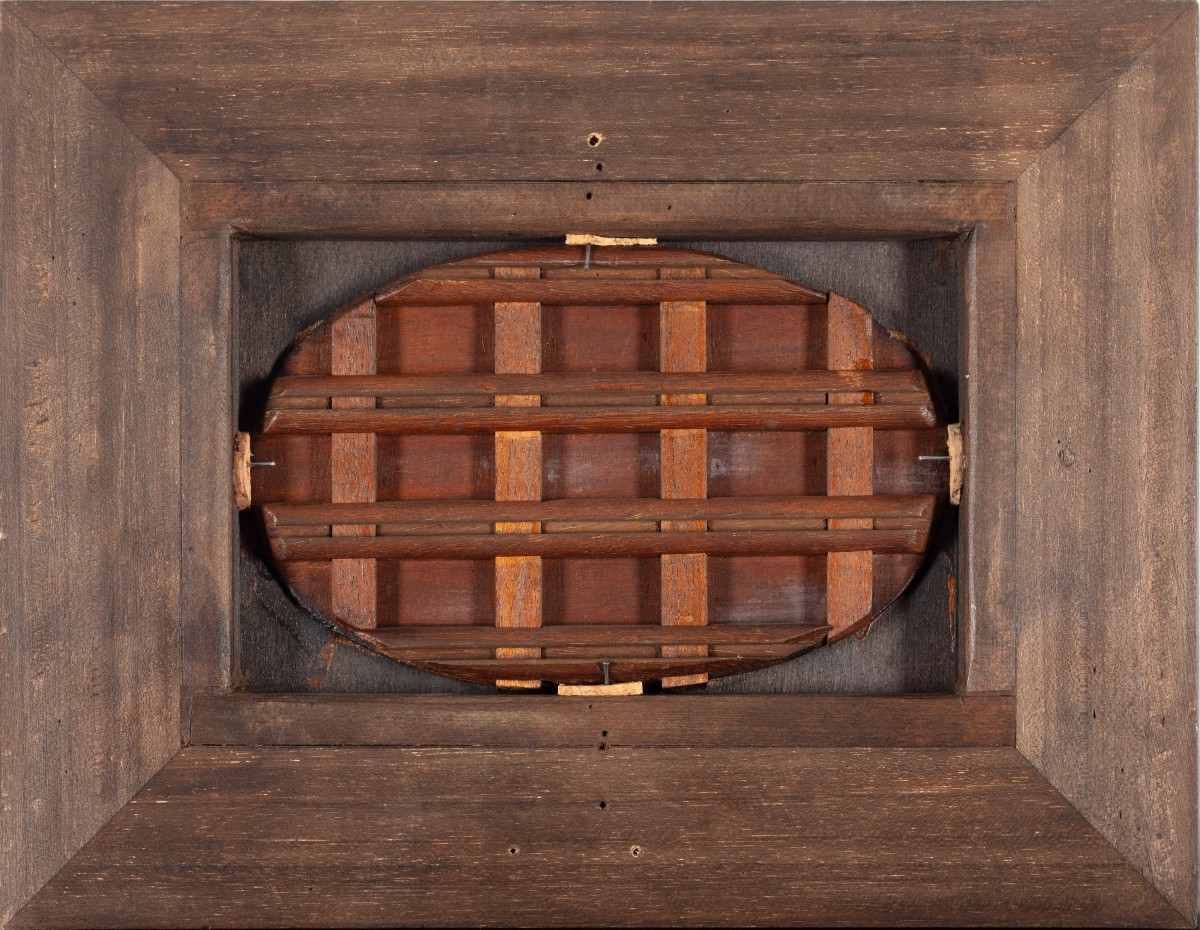
Oil on panel
Provenance: Christie's Amsterdam, 9 mei 2000.
Delevery information :
After reception of payment we can box and ship our items all over the world. Estimates of this service can be provided.