Offered by Galerie de Frise
REQUEST INFORMATION

Achille LAUGÉ
(Arzens 1861 – Cailhau 1944)
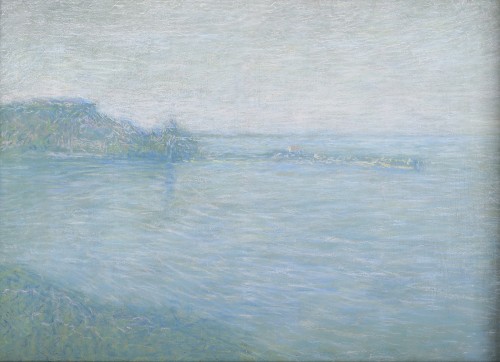
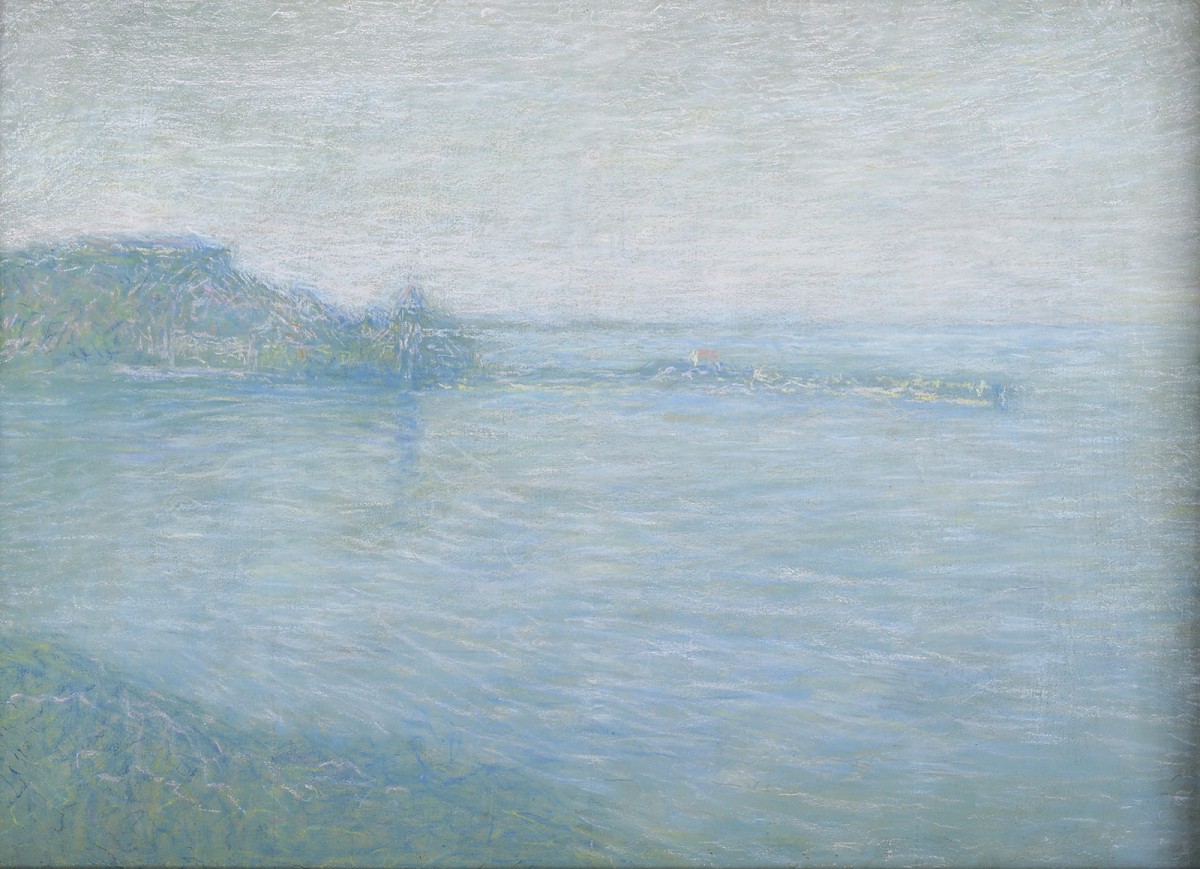
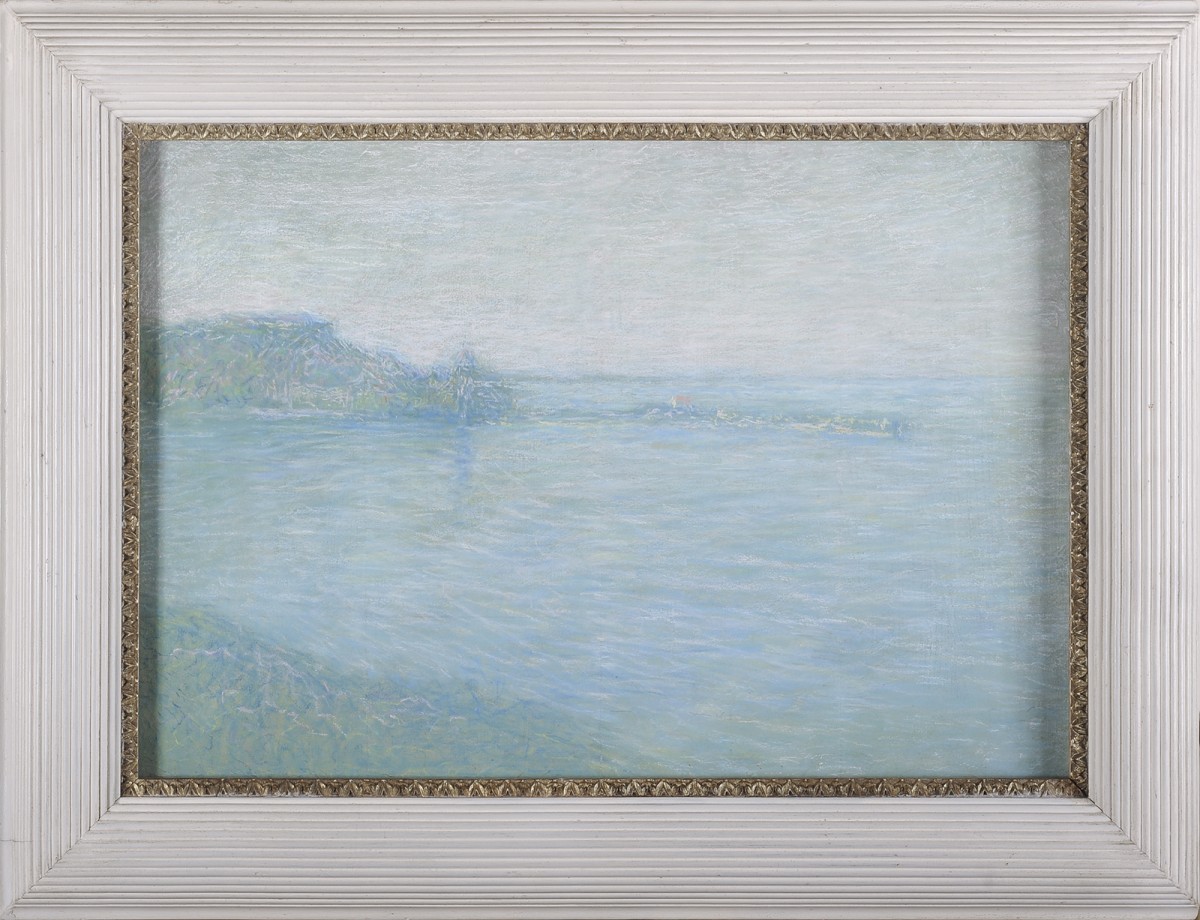
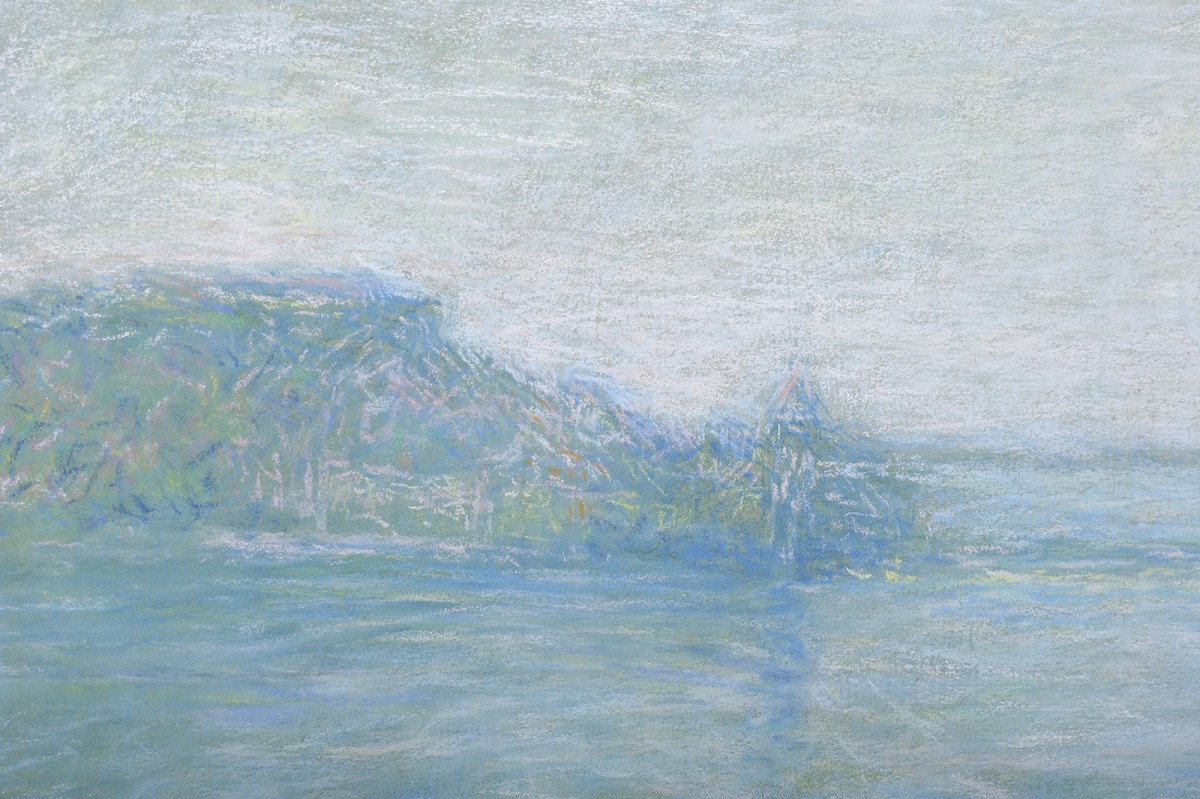
The Port of Collioure
Pastel on paper laid on canvas
H. 38 cm; W. 55 cm
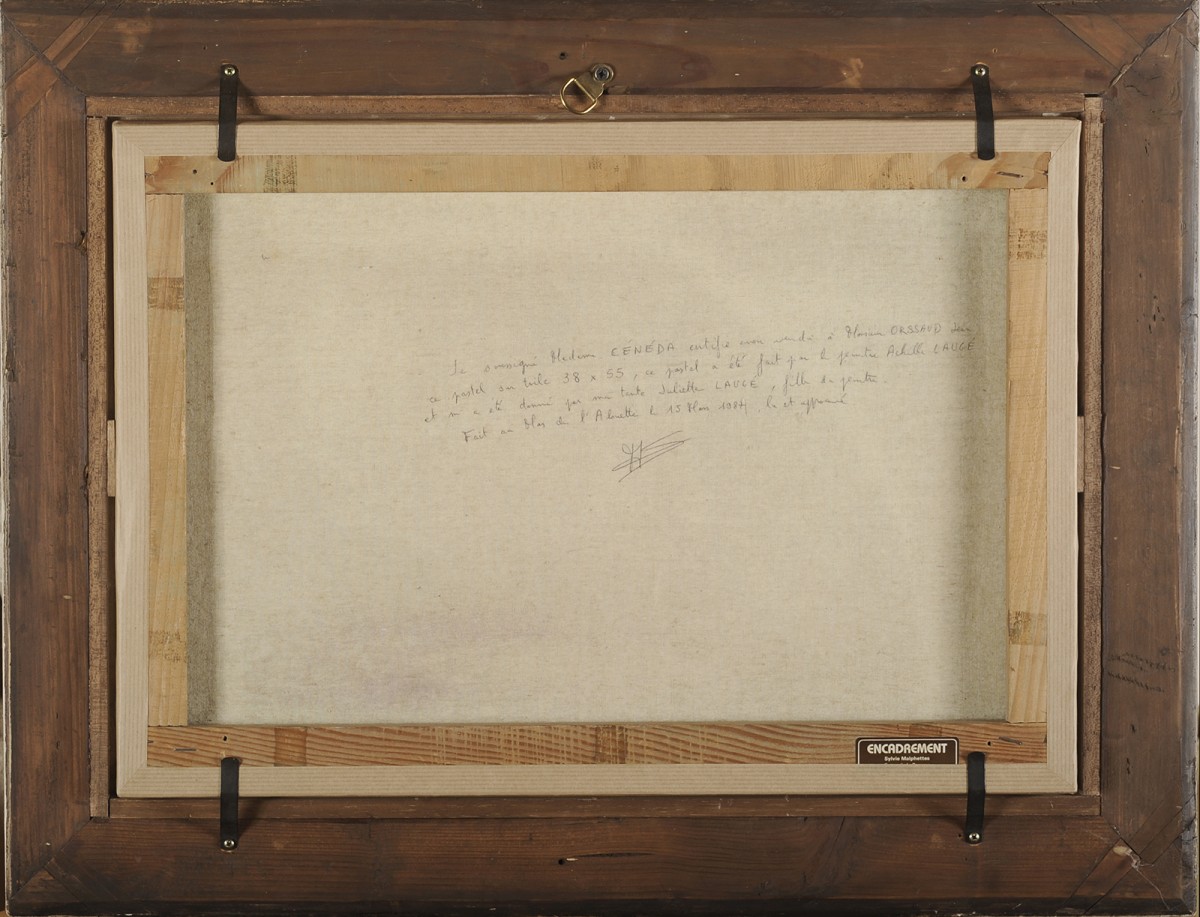
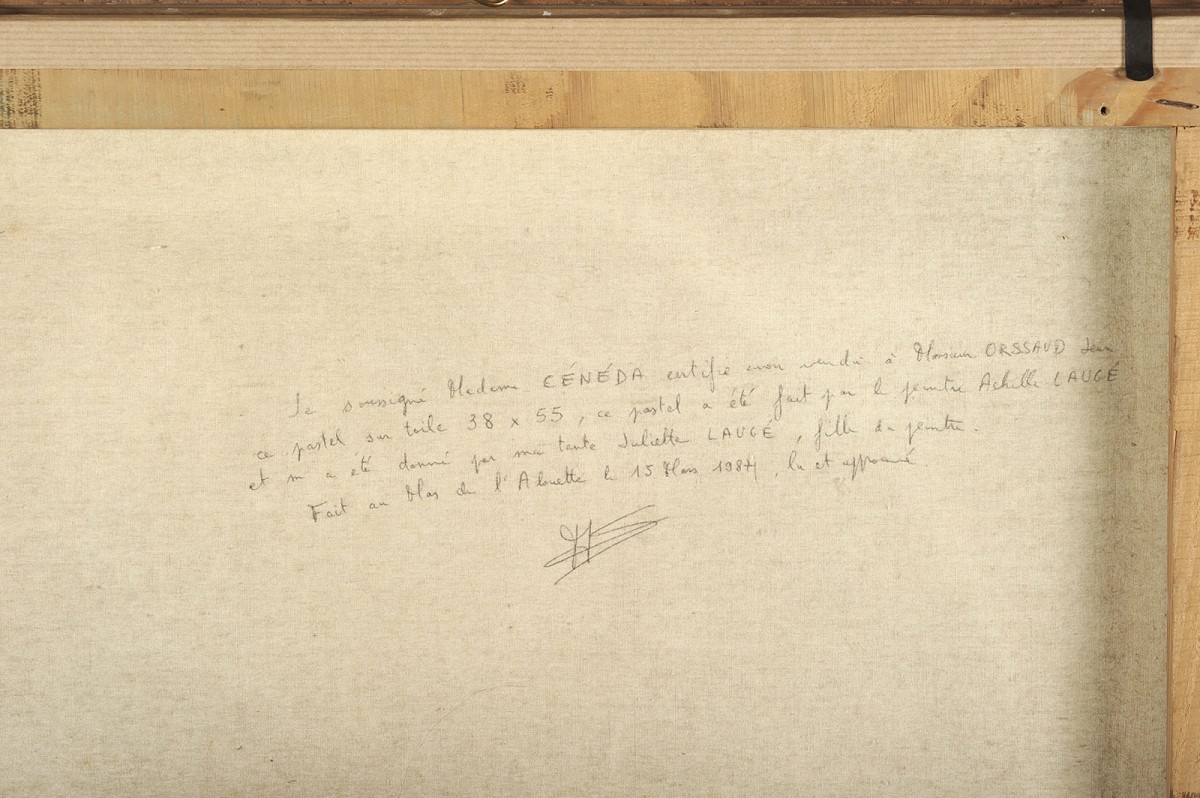
Provenance annotations on the reverse
Circa 1926–29
Provenance:
- Artist’s studio
- His daughter, Juliette Laugé, who gave it to her niece, the following owner
- Mme Cénéda, who transferred it to the following owner
- 1987, Jean Orssaud collection
Born in the Aude region, Achille Laugé came from a farming family. Initially destined for a career as a pharmacist, he abandoned this path to devote himself to painting and entered the École des Beaux-Arts in Toulouse, followed by the École nationale supérieure des Beaux-Arts in Paris in the early 1880s. There he notably associated with Antoine Bourdelle and Aristide Maillol, with whom he shared a studio until 1888.
Disappointed by academic teaching, Laugé quickly turned away from official conventions and became interested in the experiments of the Neo-Impressionists. Receptive to theories of color division, he nevertheless developed a personal style, more flexible and meditative, centered on light and chromatic harmony. In 1888, deeply attached to his native region, he left Paris to settle in the Aude, first in Carcassonne and then in Cailhau, a village that became his home base and his principal source of inspiration.
A plein-air painter, Laugé most often worked in pastel or oil, producing numerous landscape studies around his home. He willingly repeated the same motifs, seeking to capture variations in light according to the seasons and times of day. In 1905, he even had a mobile studio built in order to paint directly in nature, whatever the conditions.
Although the greater part of his work is devoted to the inland landscapes of the Languedoc region, Achille Laugé developed an important connection with the village of Collioure from the mid-1920s onward. Attracted by the intense light of the Catalan coast, he regularly stayed in Collioure between 1926 and 1929, mainly during the summer months, from June to October. These stays enabled him to explore new motifs: views of the harbor, village rooftops, colorful façades, and marine horizons.
The works produced in Collioure, dating mainly from these stays, reveal an enrichment of his palette and a freer touch, without ever departing from the structural rigor and chromatic sensitivity characteristic of his style. The encounter between maritime light and his Neo-Impressionist language gave rise to luminous and balanced compositions in which color plays a structuring role.
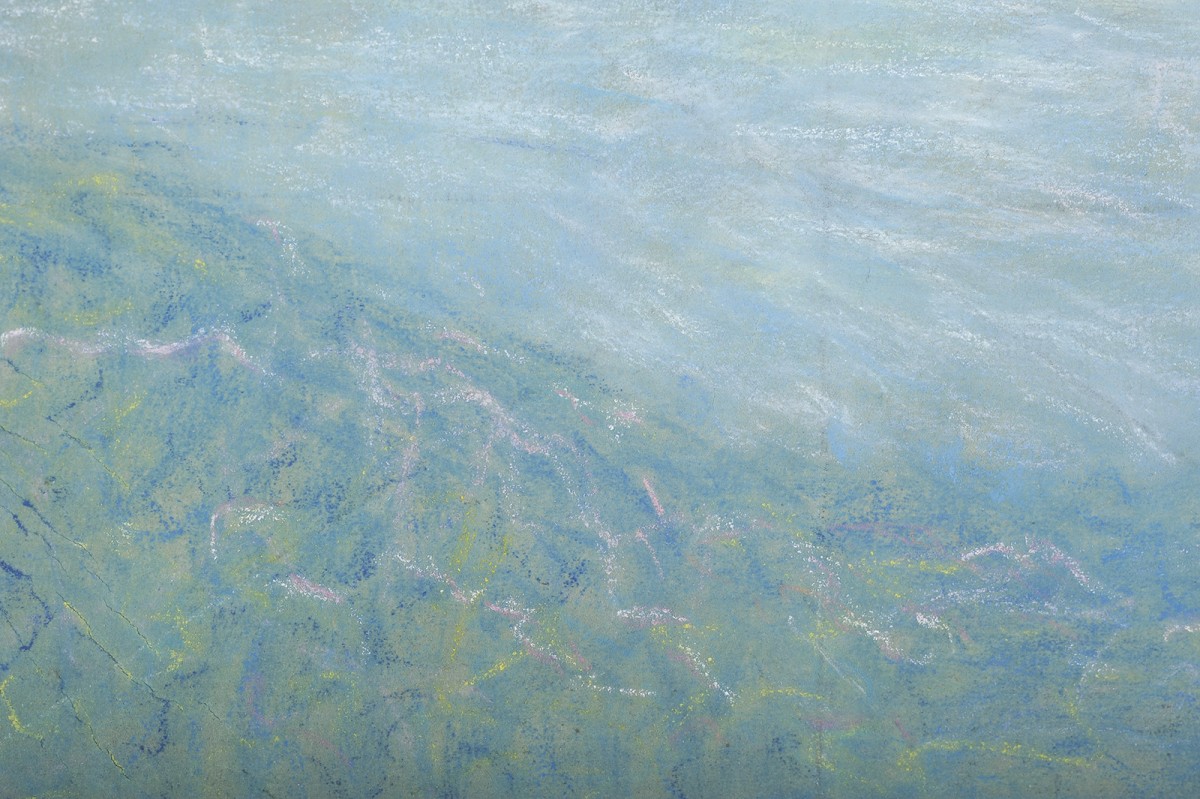
Our pastel, with its very soft tones combining whites, greens, and blues, shows this emblematic village of the Catalan coast in a different light. Where we are accustomed to red roofs, ochre walls, and a vivid blue sea that warm us with their colors, our composition depicting the church tower and the breakwater suggests a misty day. Laugé produced other pastels of Collioure under similar lighting conditions, but our composition is the most accomplished, revealing all his Impressionist talents, which he had gradually set aside over the course of his career.