Offered by Galerie William Diximus
REQUEST INFORMATION
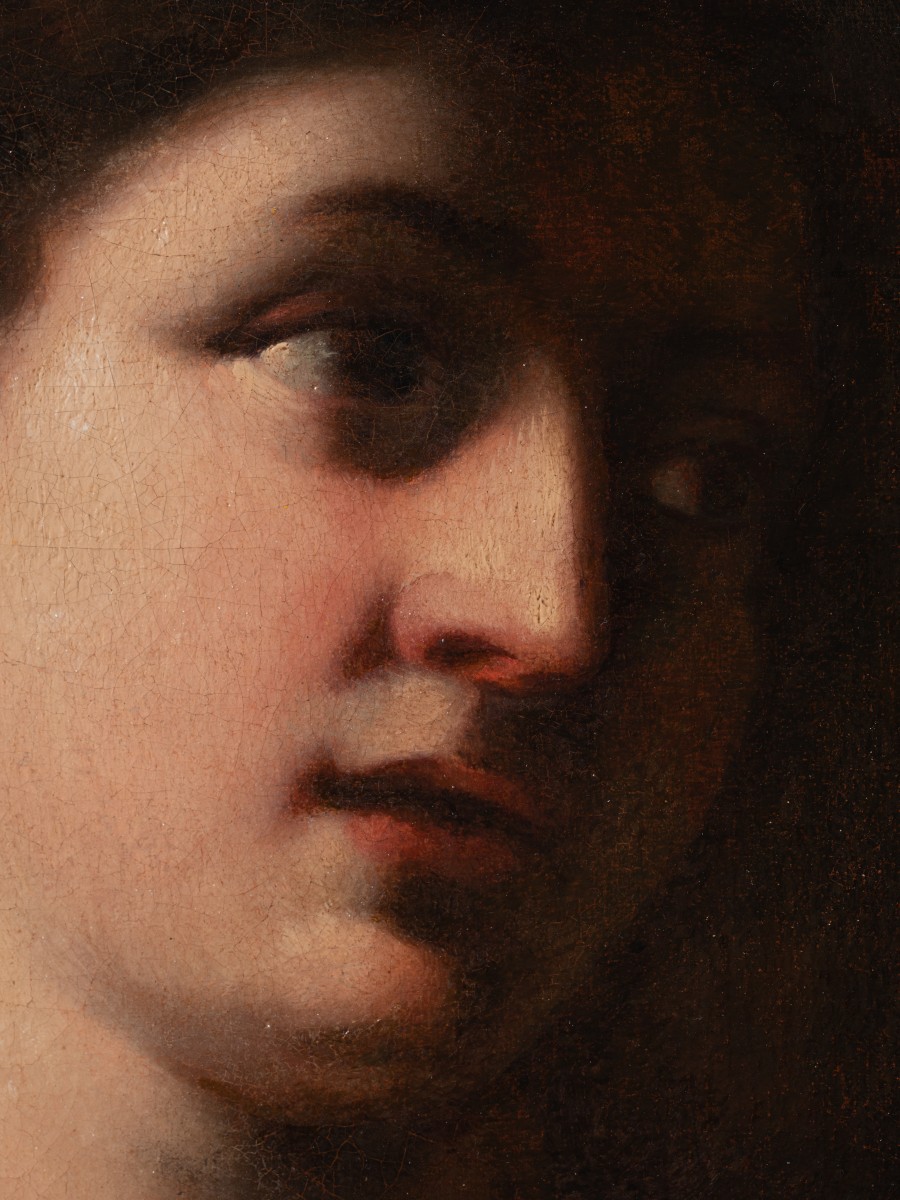
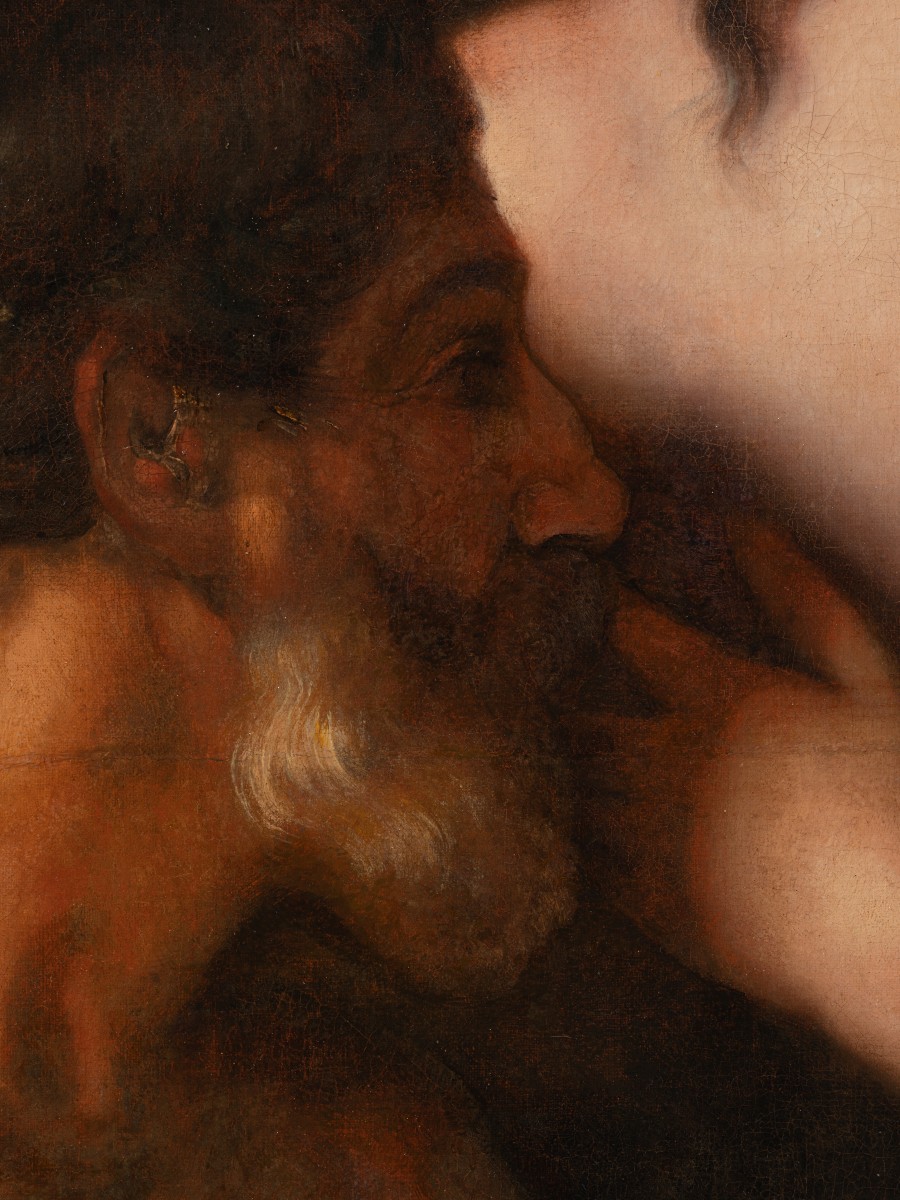

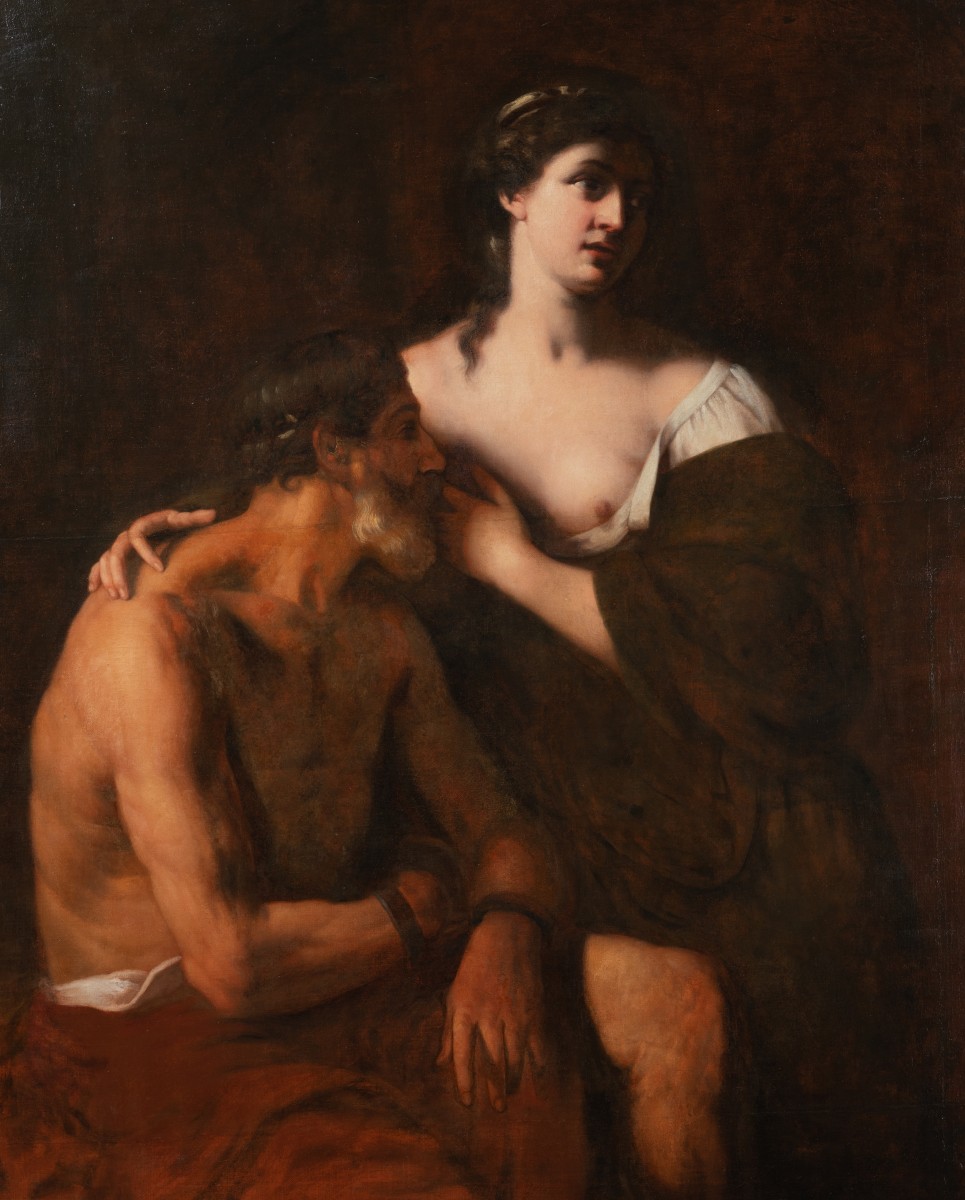
A Dutch artist born in Amsterdam, he joined Rembrandt's studio at a very young age around 1644. At that time, Rembrandt's studio was composed of dozens of very talented painters, and he received commissions from all the royal courts of Europe.
Despite his young age, Willem Drost stood out and became ‘one of Rembrandt's most talented pupils’ according to Jonathan Bikker, author of the book William Drost: A Rembrandt Pupil in Amsterdam and Venice. Bikker is also curator of 17th-century paintings at the Rijksmuseum in Amsterdam.
Between 1650 and 1655, Drost produced works of great quality that brought him to the attention of the great collectors of the time. One of his works, Bathsheba, now in the Louvre Museum, can be considered a remarkable work.
Many paintings long attributed to Rembrandt have in fact been reattributed to Willem Drost in recent years.
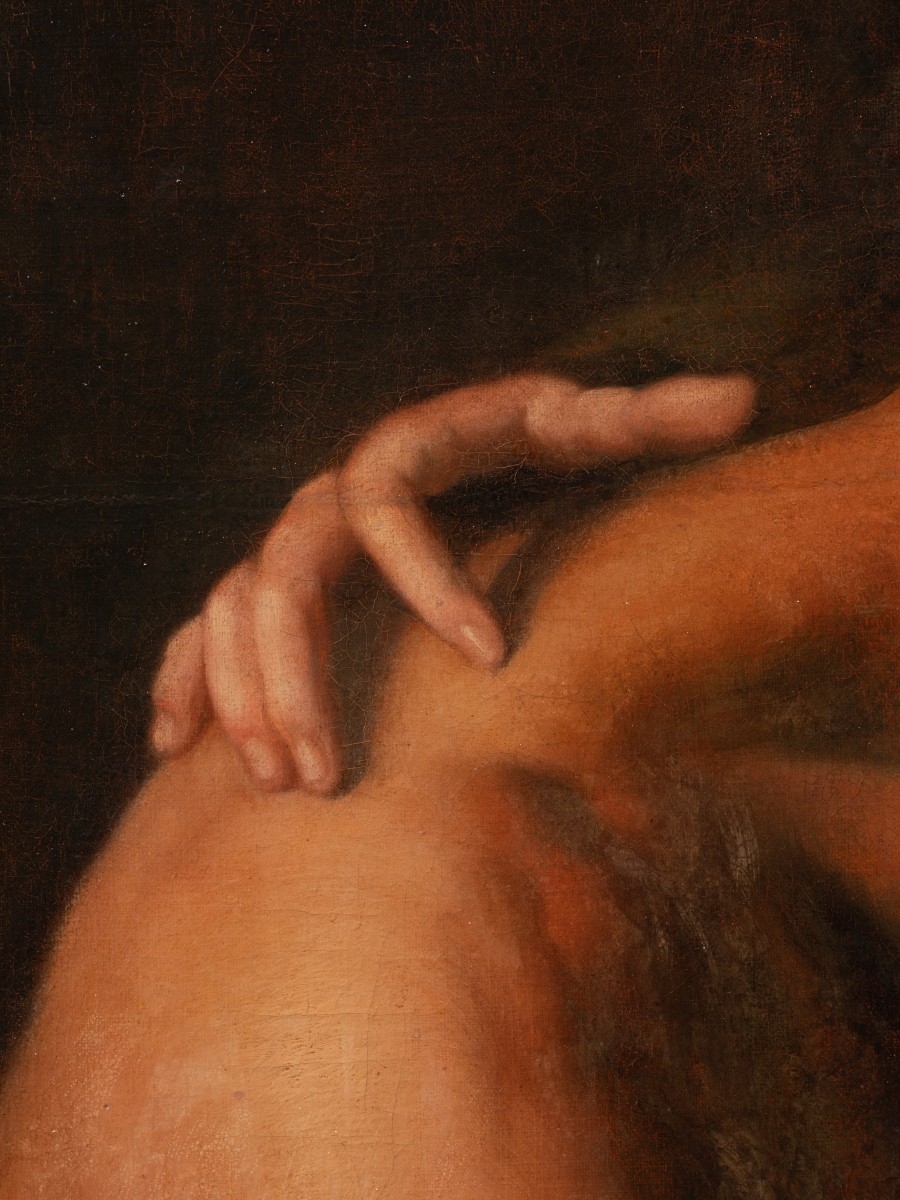
In 1655, at the age of 22, he decided to leave for Italy, the second home of all painters of the time. He was particularly inspired by the Venetian Tenebrosi school, which originated from the work of José de Ribera (1591-1652), and his style moved away from the representations of the Dutch school, but his acquired technique remained intact (finely applied parallel brushstrokes, chiaroscuro became omnipresent).
In Venice, he worked with Giovanni Langetti and Carl Johann Loth on several projects. His works quickly found an audience among the Italian aristocracy, and although he died suddenly in 1659, only four years after settling in Italy, he left his mark on the period with his style.
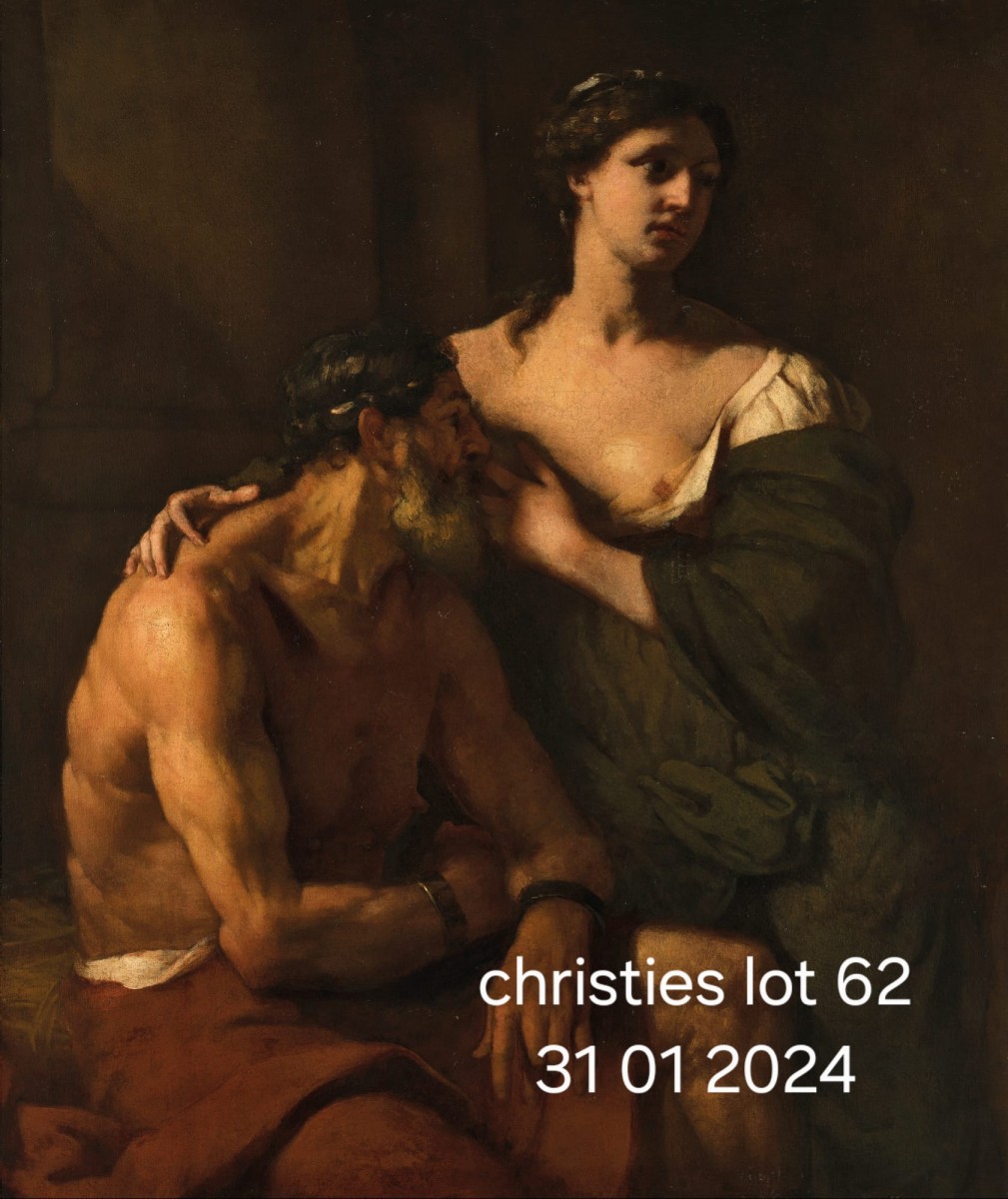
A similar work ( look photos gallery ) was rediscovered at a Christie's New York sale on 31 January 2024, lot 62. It was attributed with certainty by Jonathan Bikker ( curator Dutch paintings 17e rijskmuseum d'Amsterdam ), with a slightly different format (131.3 x 109.8 cm) compared to (117.8 x 141.7 cm) and presenting some minor differences in the skin tone of the bodies.
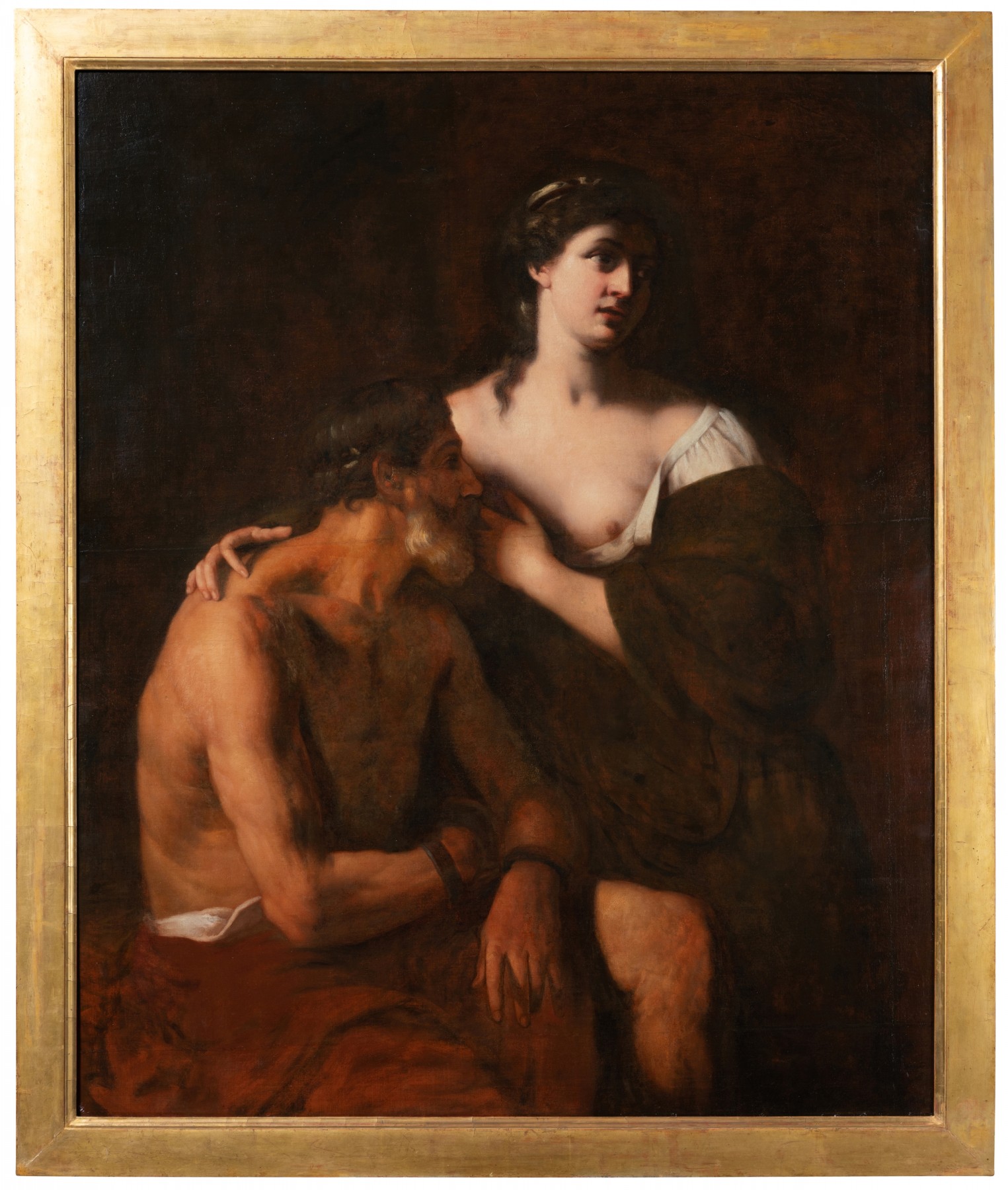
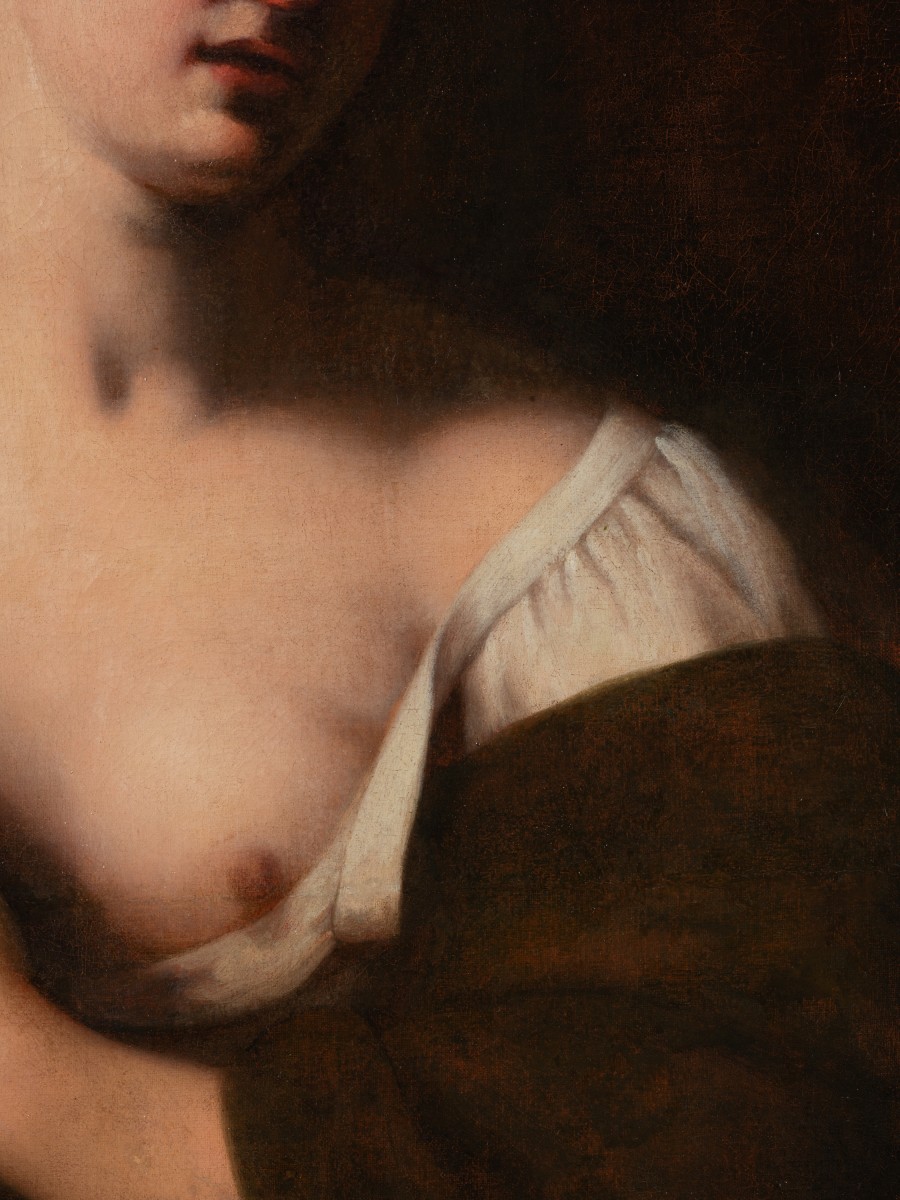
Our large-format painting depicts the story of a daughter's altruism towards her father, who is condemned to starve to death. in chiaroscuro, the tired and exhausted body of Cimon is enveloped in shadow, while the body of Pera is bathed in light emanating from an uncertain, almost spiritual source, her pearly flesh reminiscent of the beauty of Bathsheba's body (Louvre Museum, whereas in the New York painting, her skin colour blends with that of Cimon); in the New York sale version, the air vent is visible.
His works are held in the following museums: Rijksmuseum in Amsterdam, Louvre in Paris, National Gallery in London, Copenhagen, Warsaw, etc.
dimensions with frame : 149.7 cm x 135.8 cm
dimensions without frame : 141.7 cm x 117.8 cm
Delevery information :
DELIVERY INFORMATION
Delivery is free in mainland France.
For all deliveries outside France, shipping costs are the responsibility of the buyer and are calculated based on the destination, volume and specific transport constraints.
The William Diximus Gallery works with carriers specializing in the transport of works of art, guaranteeing suitable packaging and secure handling.
A fast and personalized delivery quote can be provided upon request.