Offered by L'Egide Antiques

Porcelain, Scuptures, paintings and european Fine Arts, 18th and 19th century
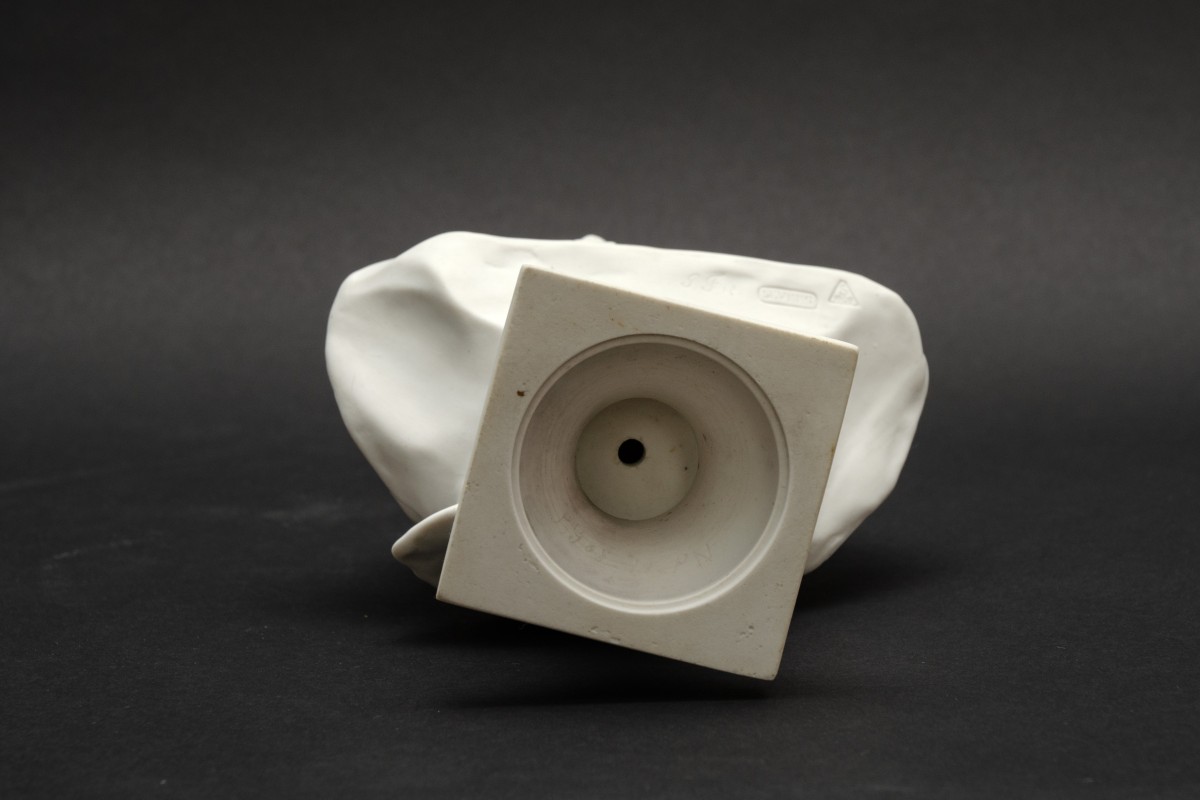
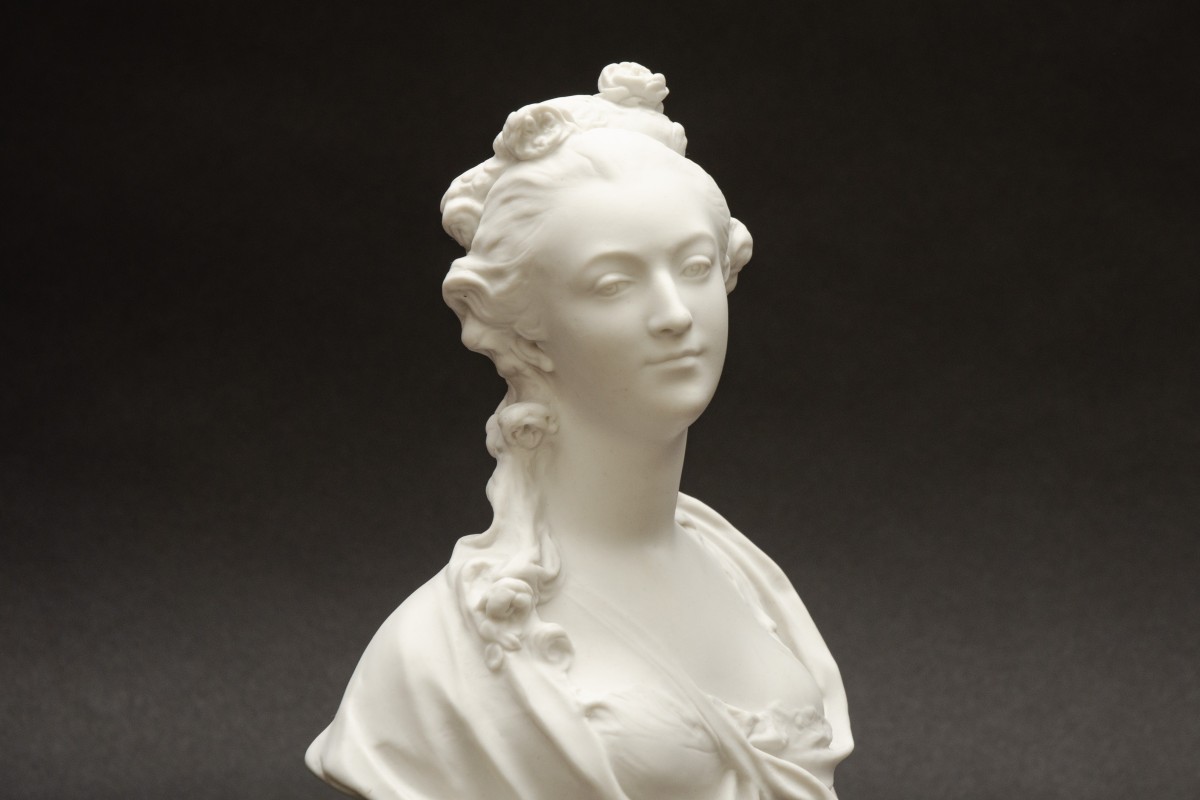
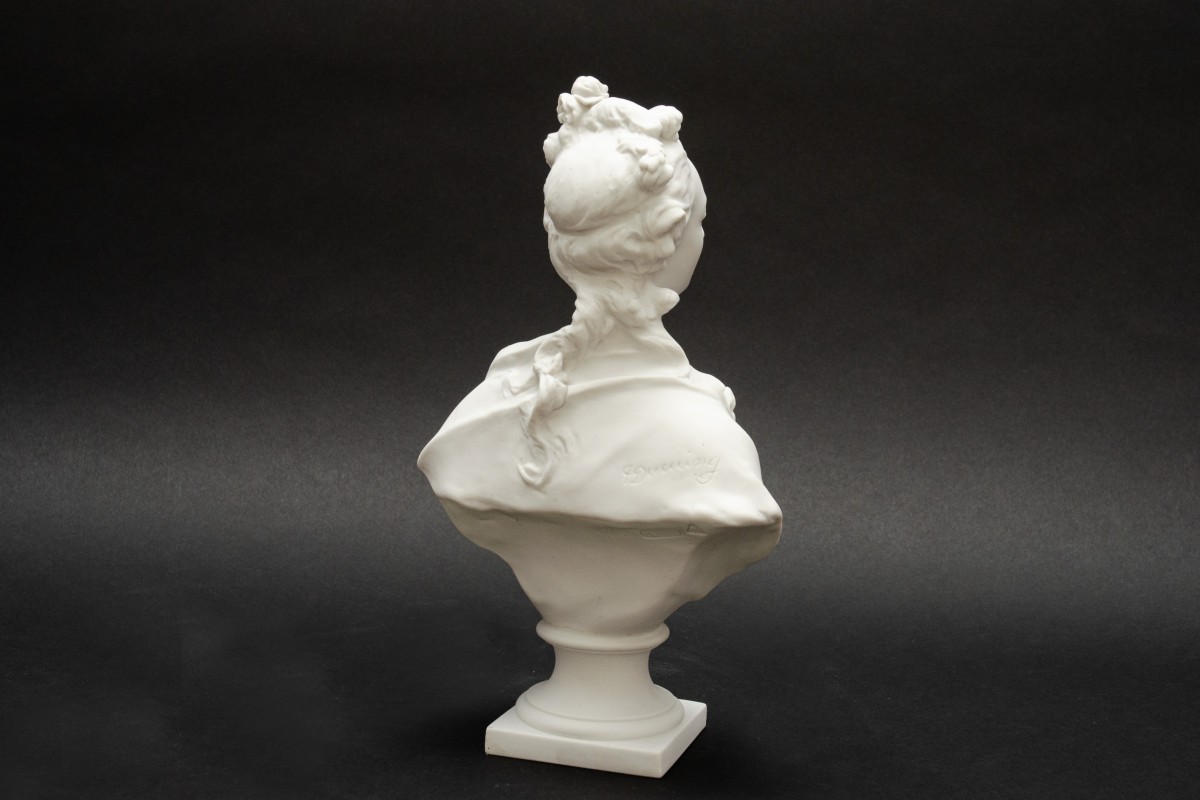
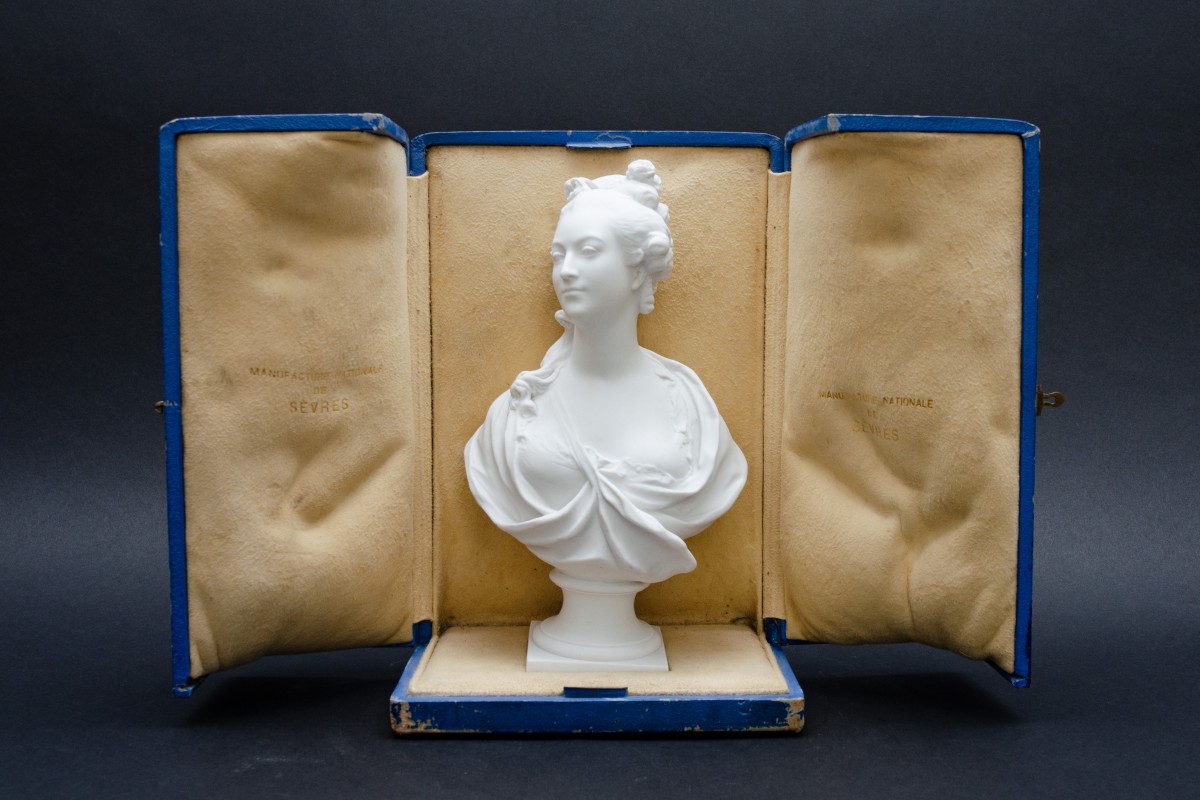
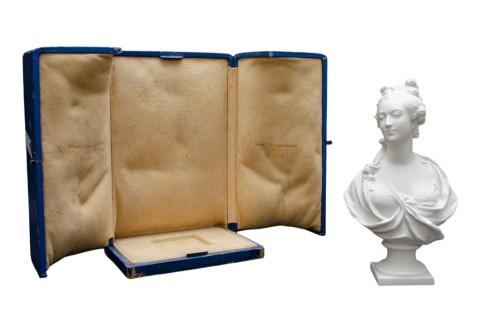
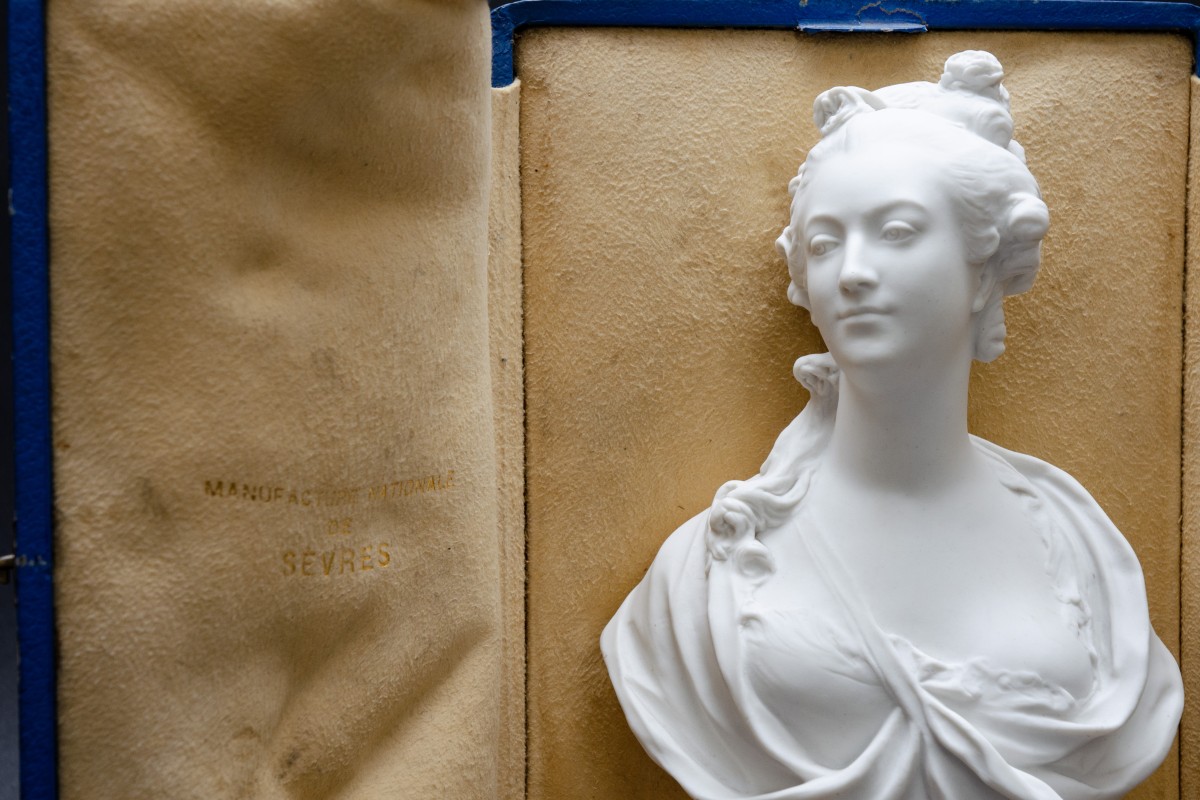
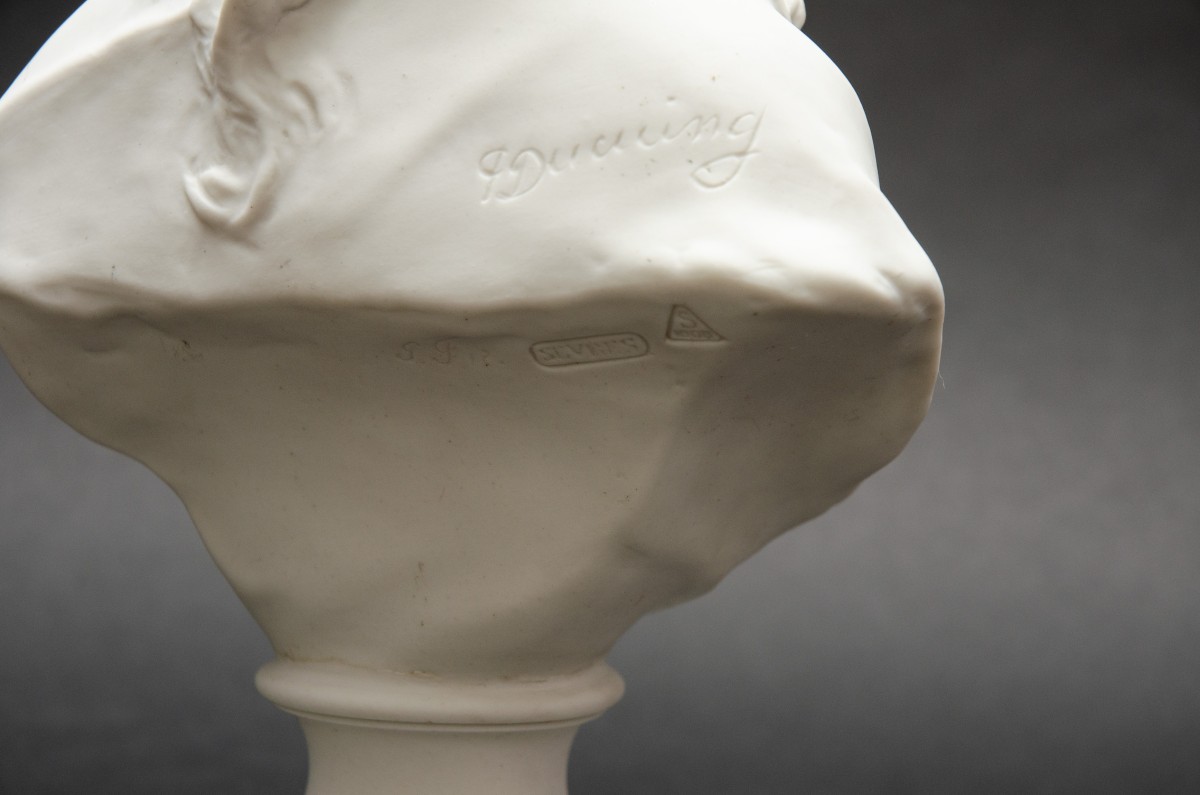
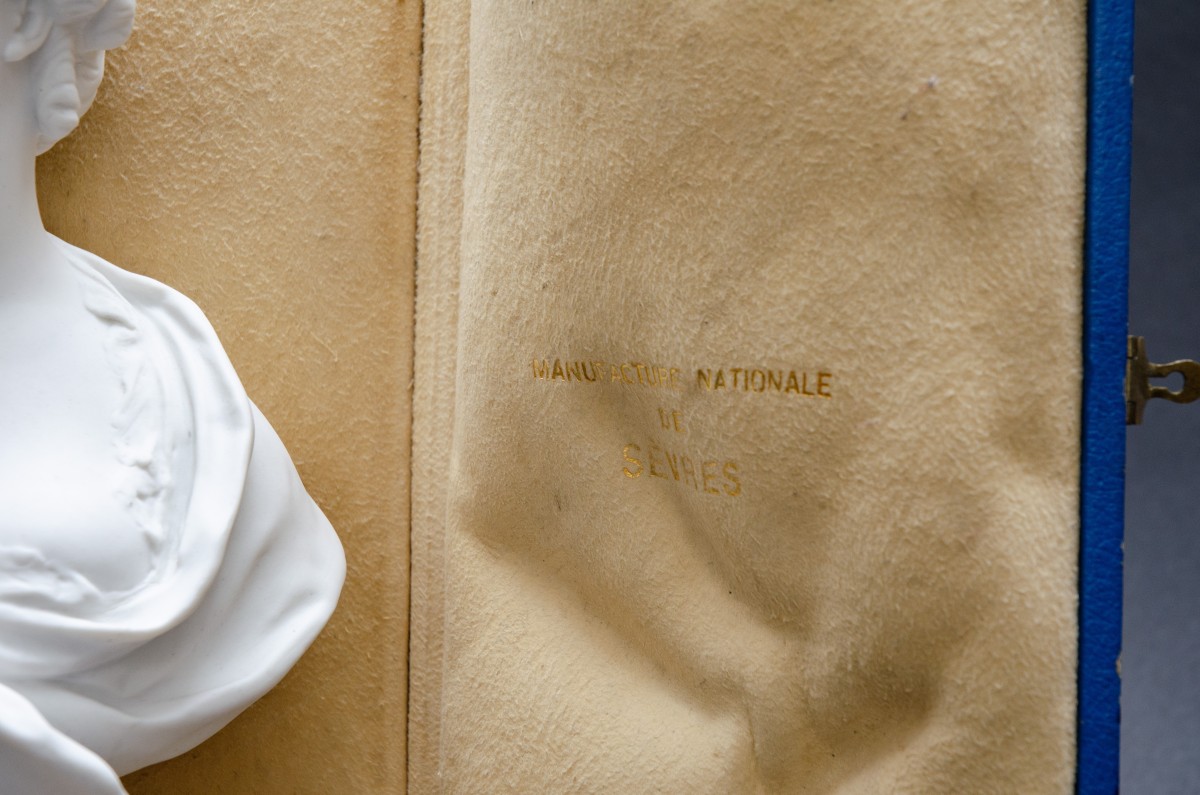
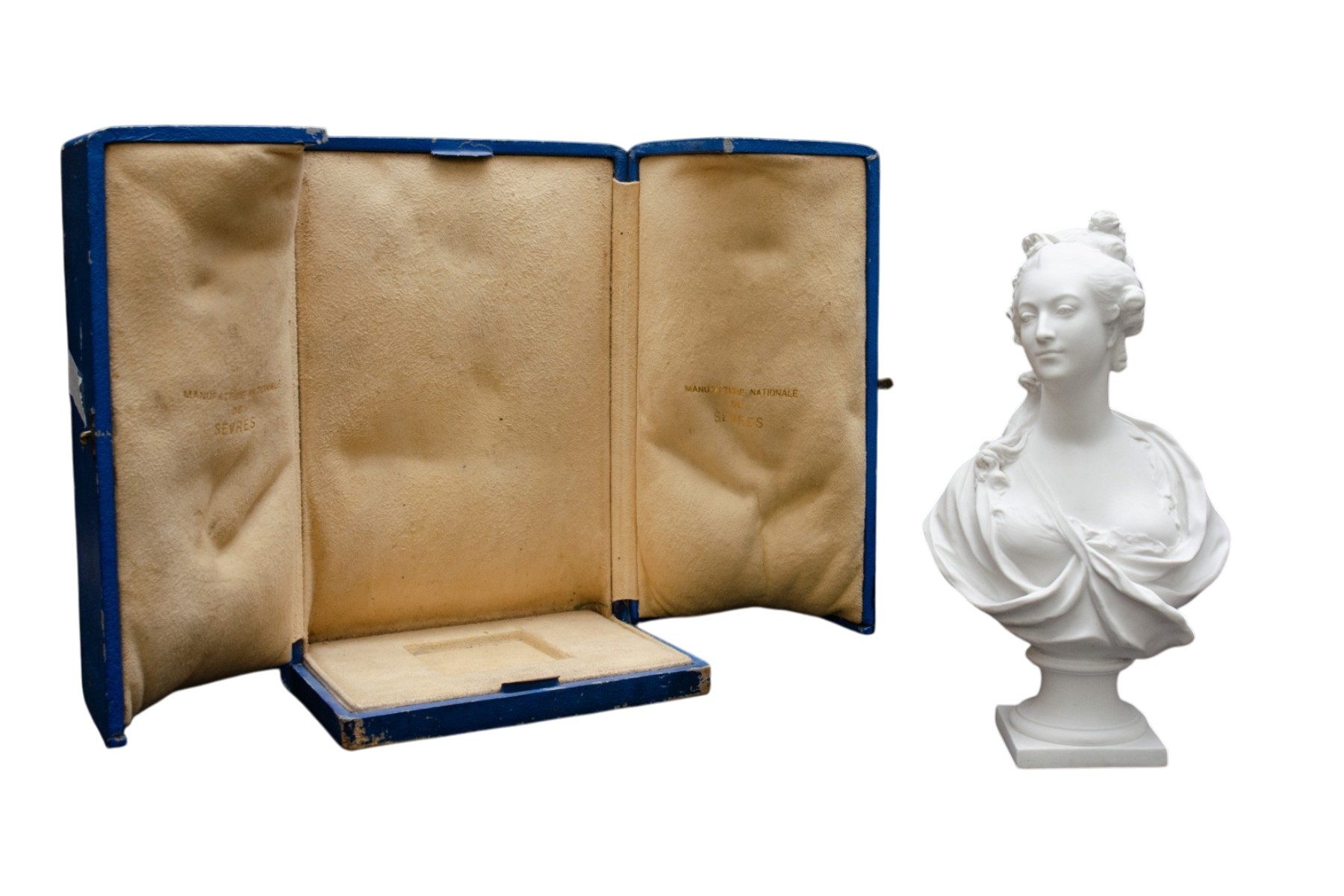
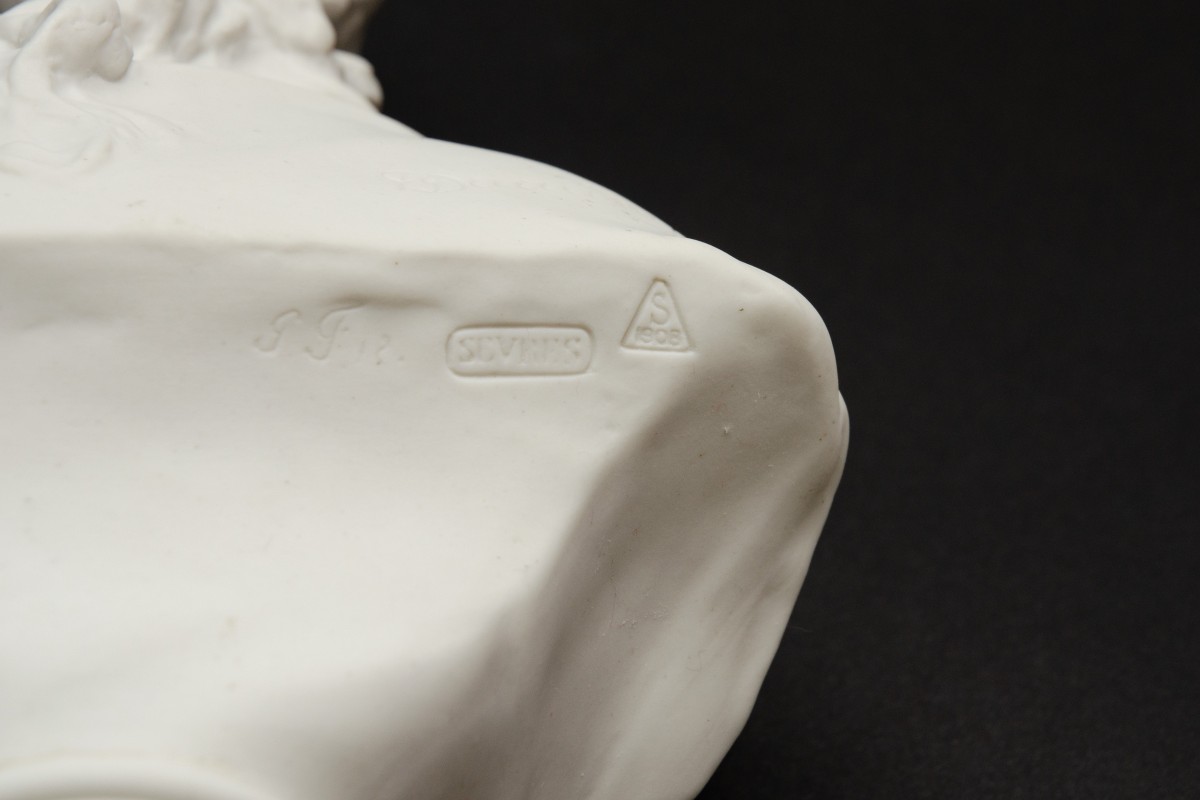
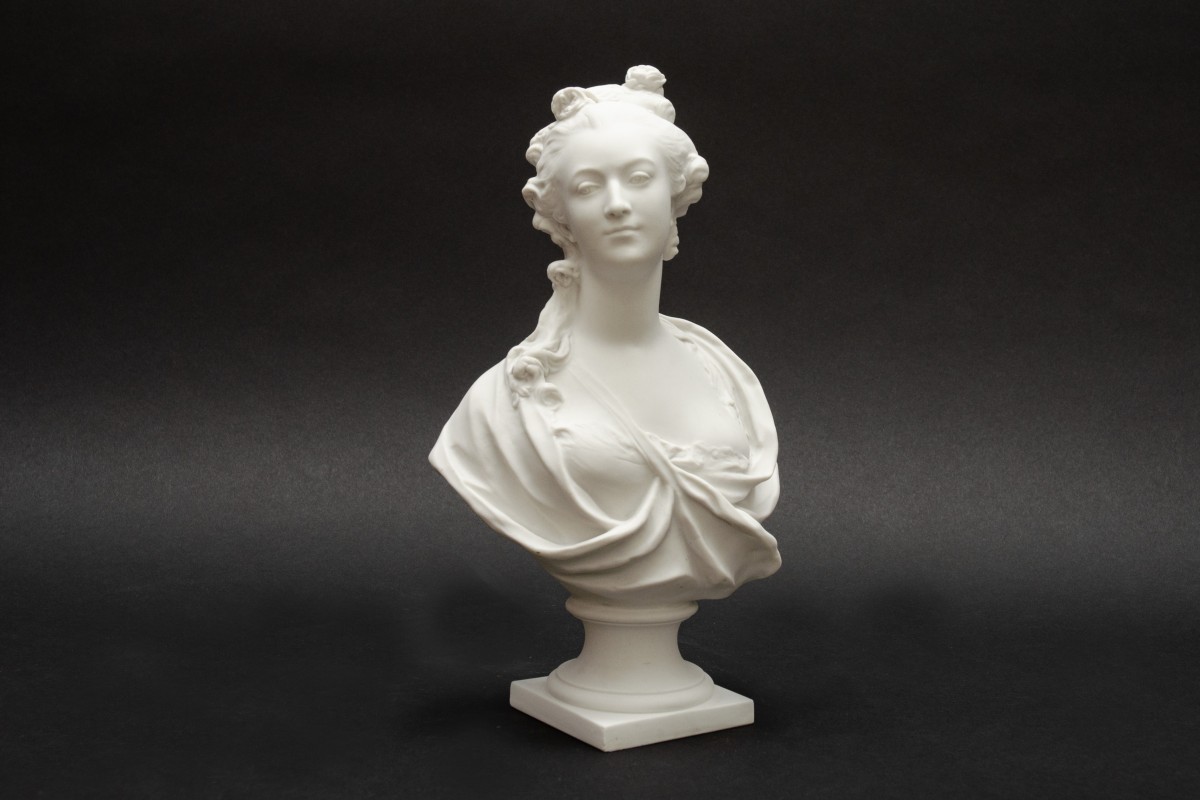
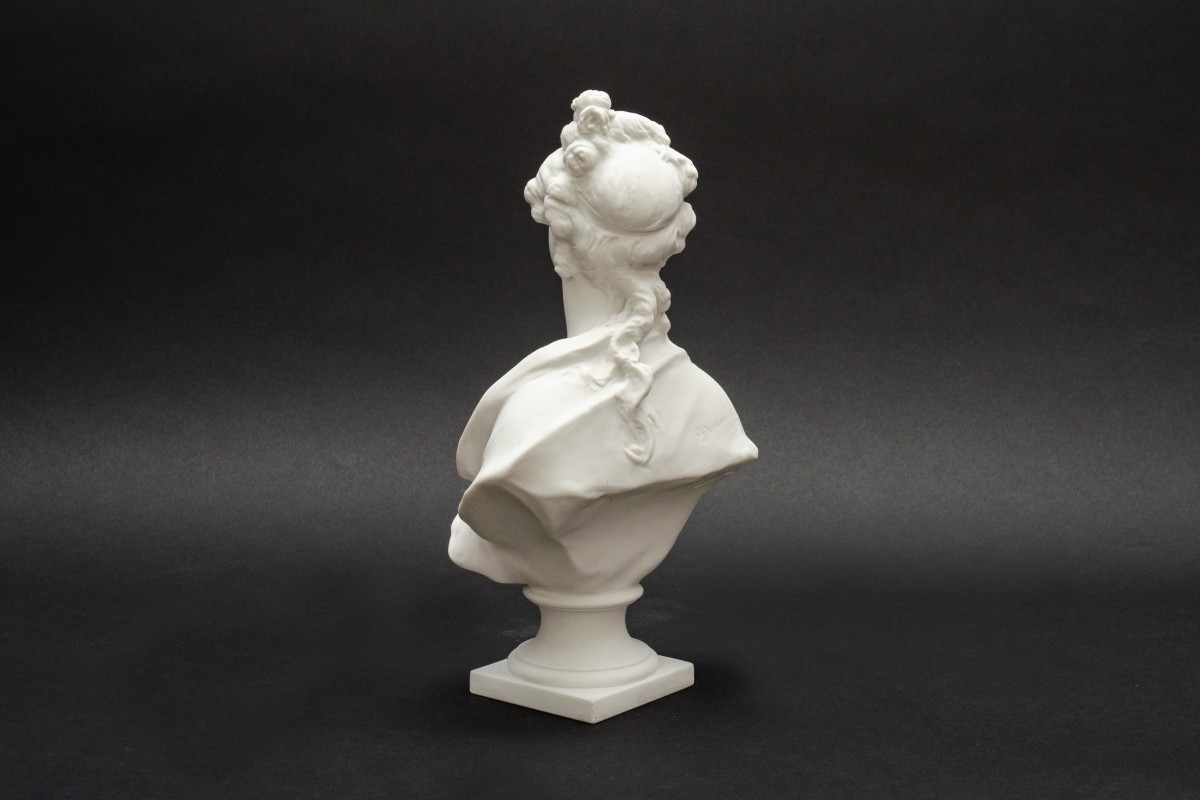
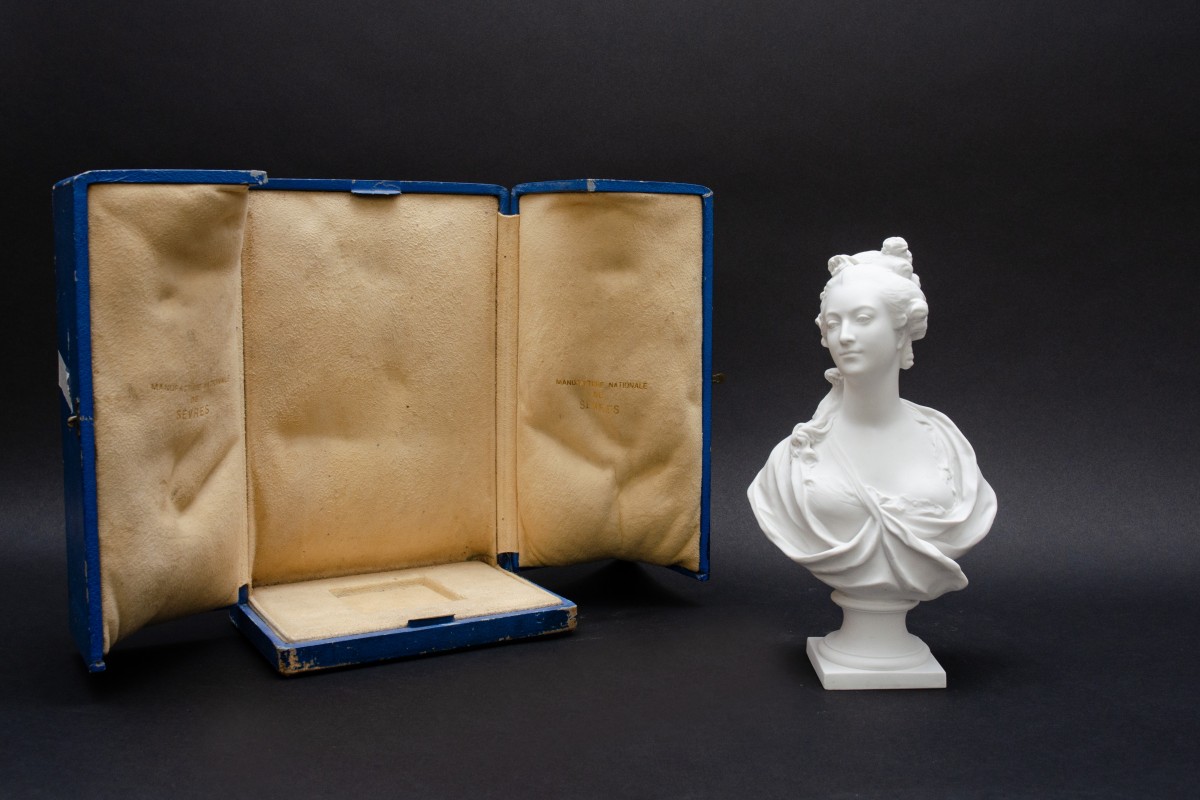
Beautiful bust in bisque of the Sèvres manufactory of a young elegant lady. After the model by French artist Paul Ducuing (1867-1949). In original case. Marked and dated 1908.
Size: H 26cm - W 15 cm - base 7 x 7 cm
Sèvres manufactory, France, circa 1908.
Lit: Biscuit porcelain was invented in Vincennes around 1751 and developed at Sèvres under the direction of Falconet. Biscuit porcelain is unglazed porcelain, whose fine, matt grain imitates statuary marble. With no glaze to conceal imperfections, it allows for neither retouching nor repair: each piece is removed from the mould, repaired by hand one by one, then fired at a very high temperature, resulting in a considerable loss rate. This is what makes biscuit porcelain the most demanding – and the most prestigious – product of the manufactory.
Lit: Paul Ducuing was a French sculptor born in Lannemezan in 1867 and who died in Toulouse in 1949; he was a pupil of Alexandre Falguière and Antonin Mercié, a member of the Société du Salon des Artistes Français from 1902, and subsequently director of the biscuit workshop at Sèvres from 1919 to 1927. He was made a Knight of the Legion of Honour in 1906, and created numerous monuments in France and abroad.
Delevery information :
to be agreed with the customer depending on the object and the place of destination.