Offered by Schoppmann Art and Antiques

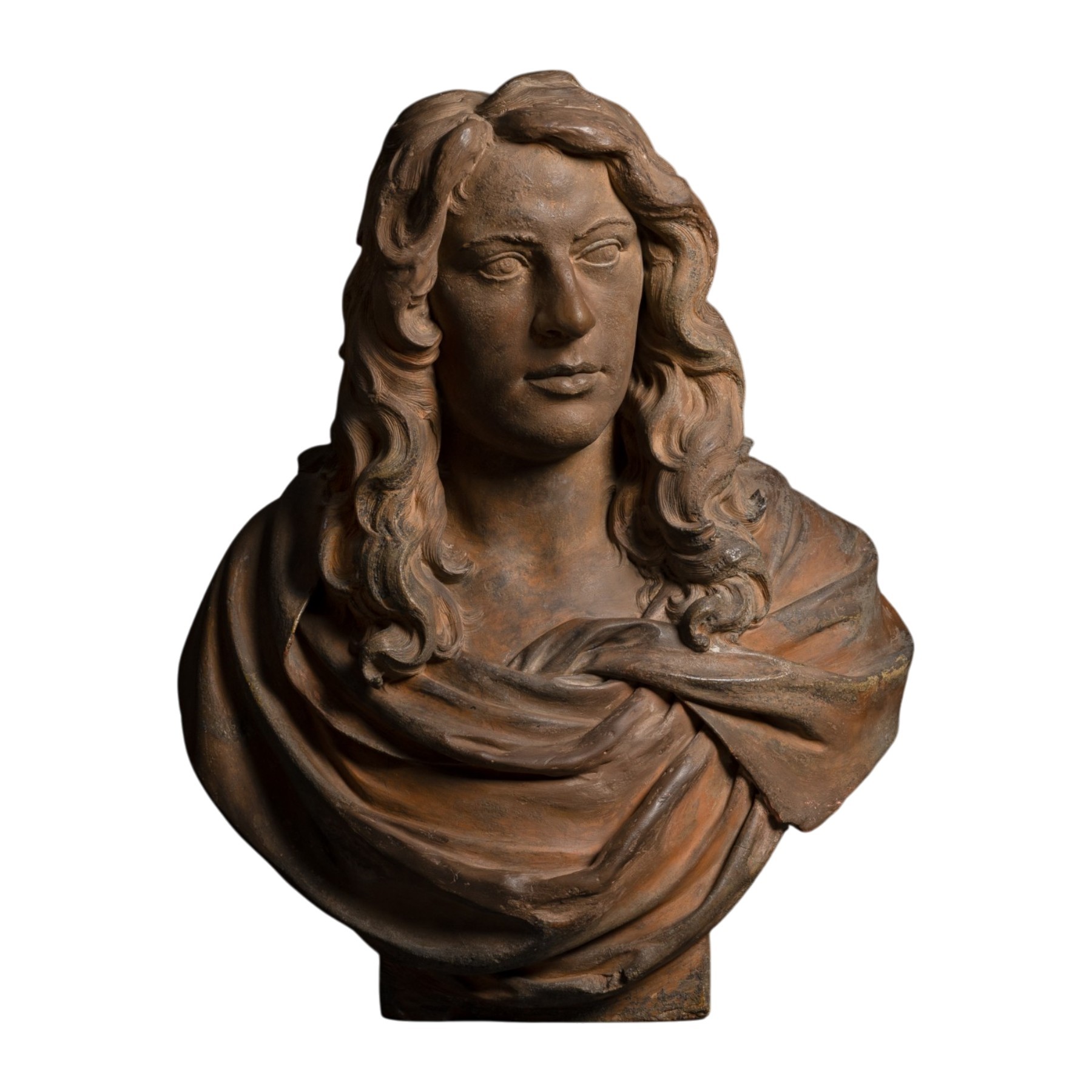
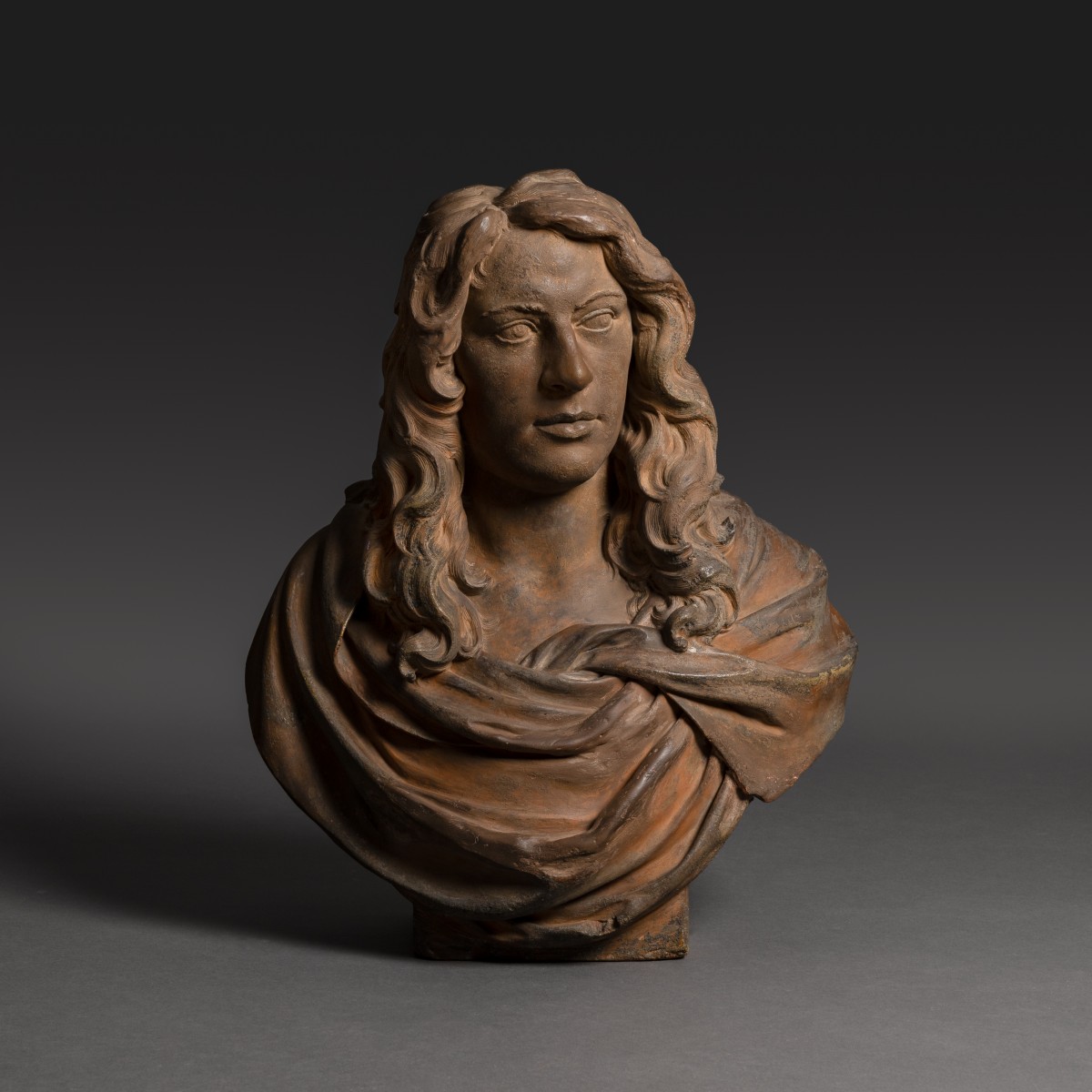
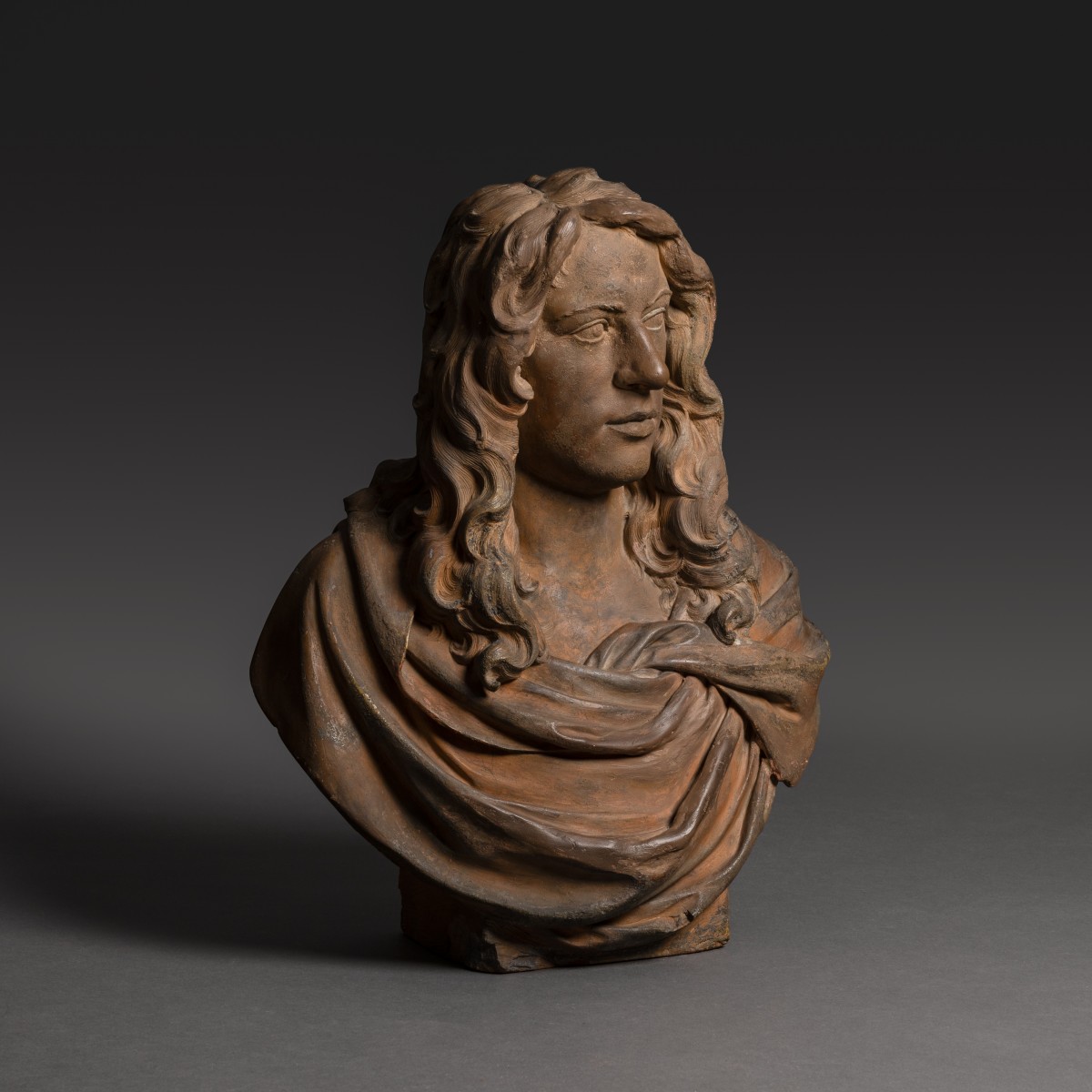
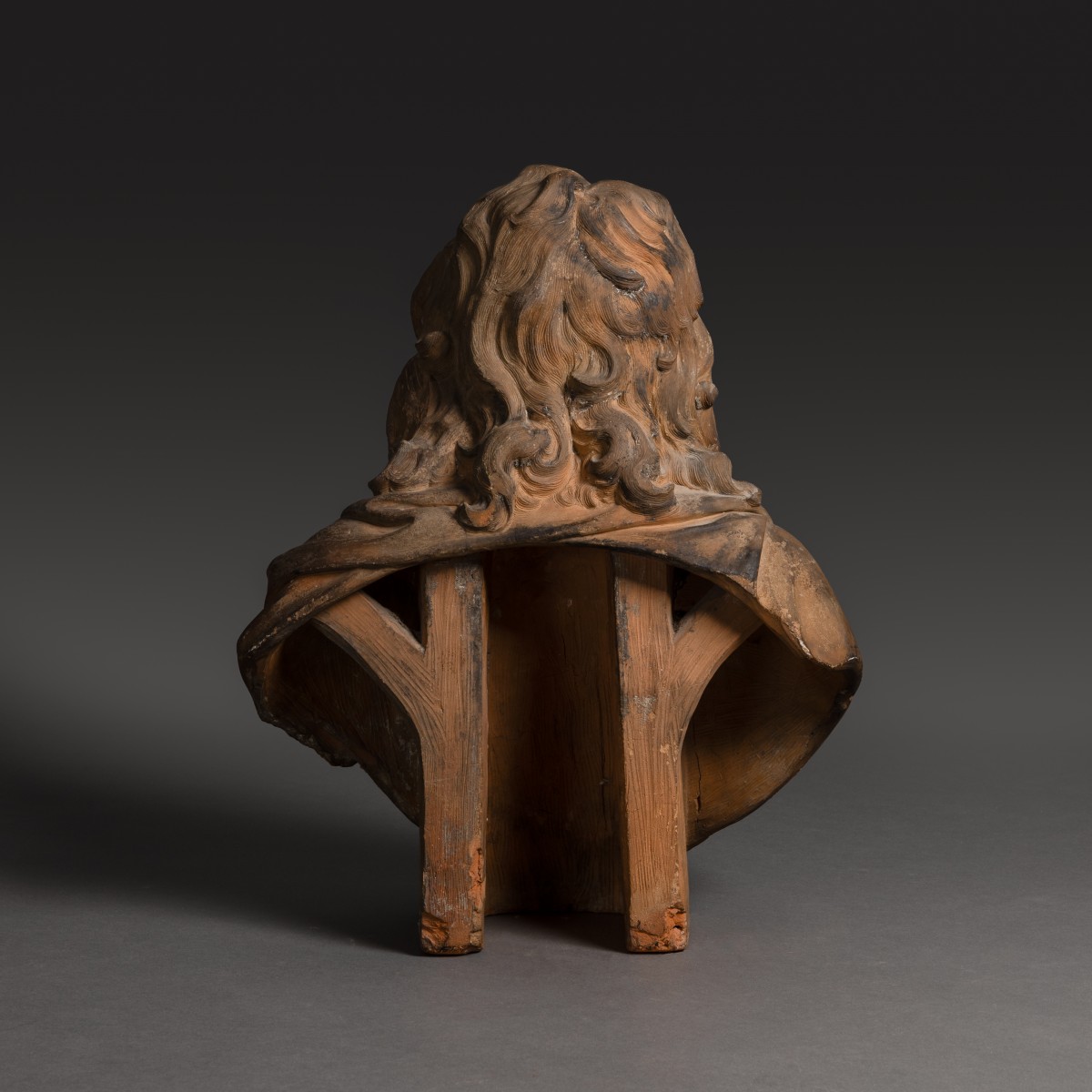
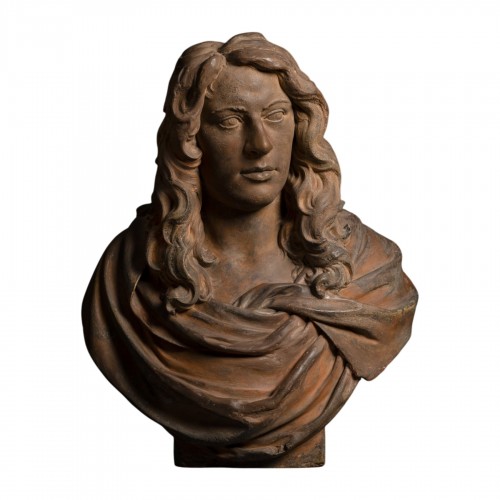
Bust of a man
Terracotta
Dimensions: H. 54 (cm.)
Netherlands or England, late 17th century
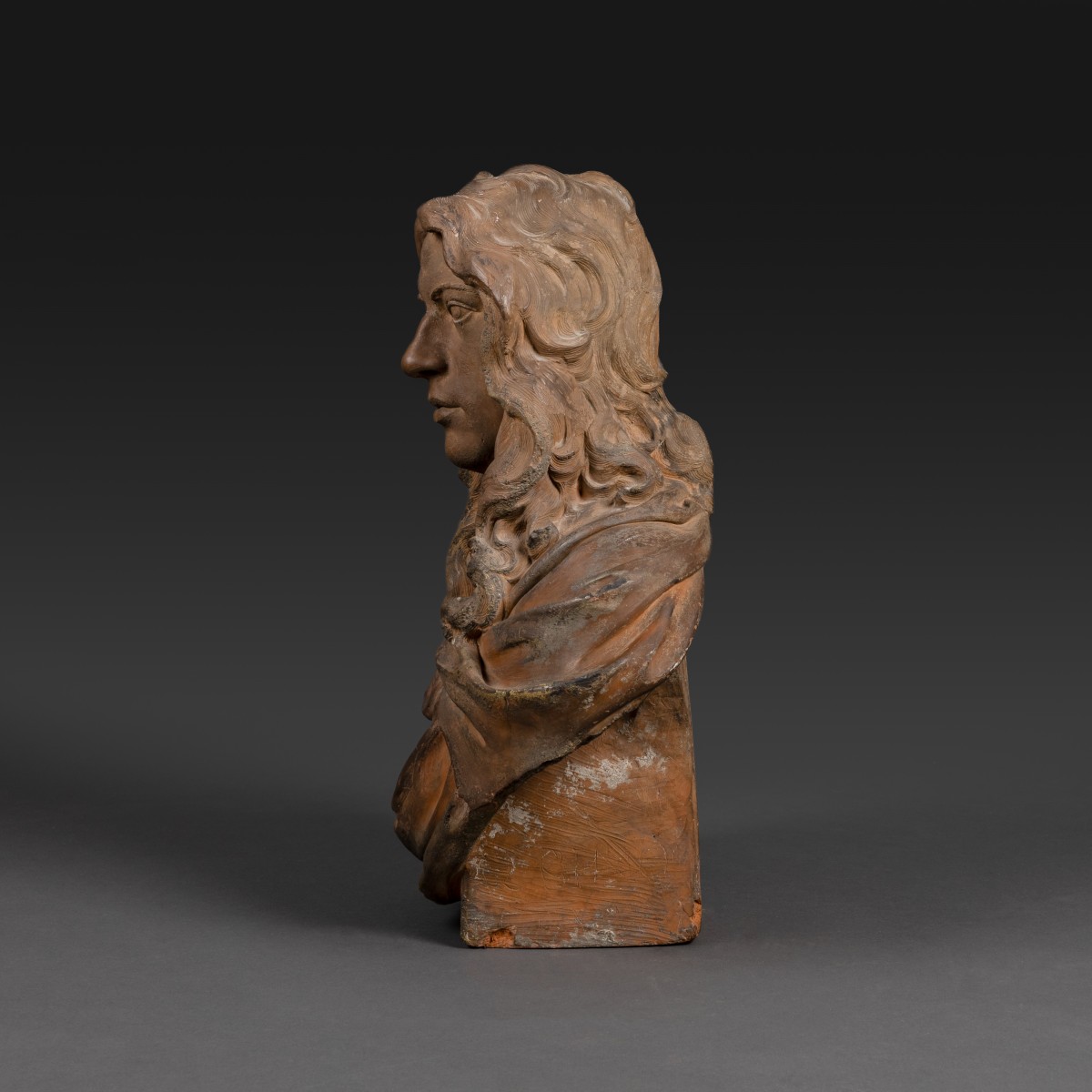
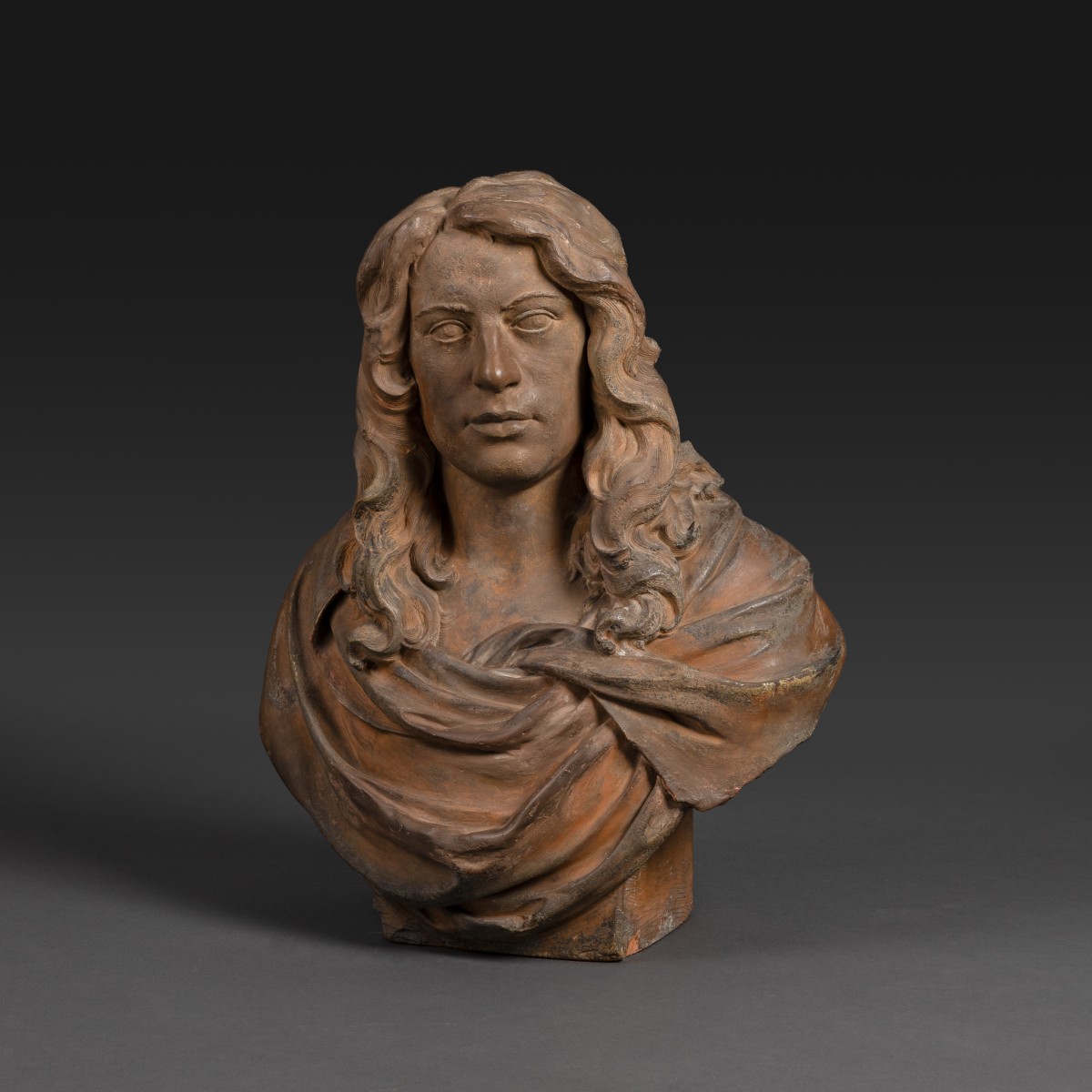
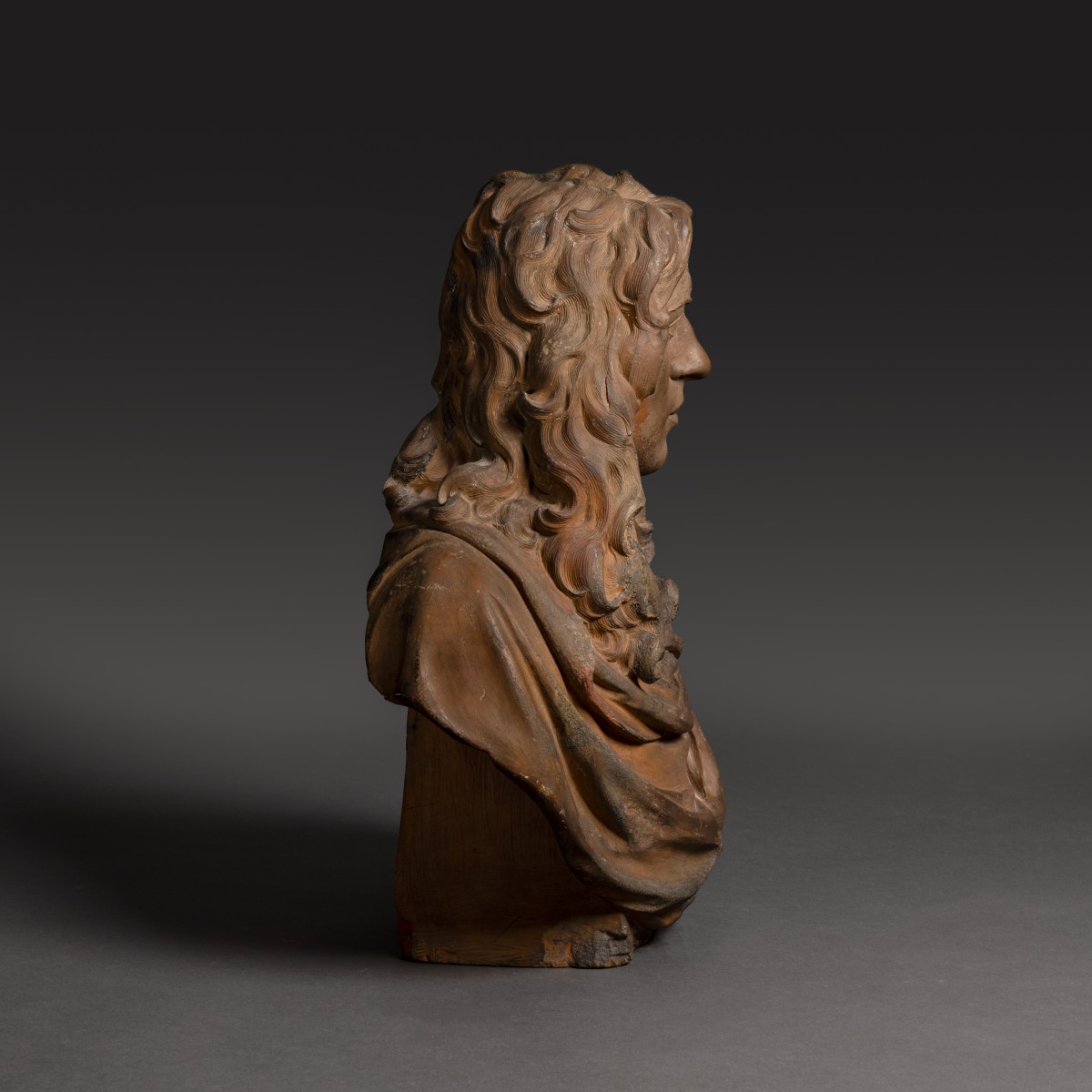
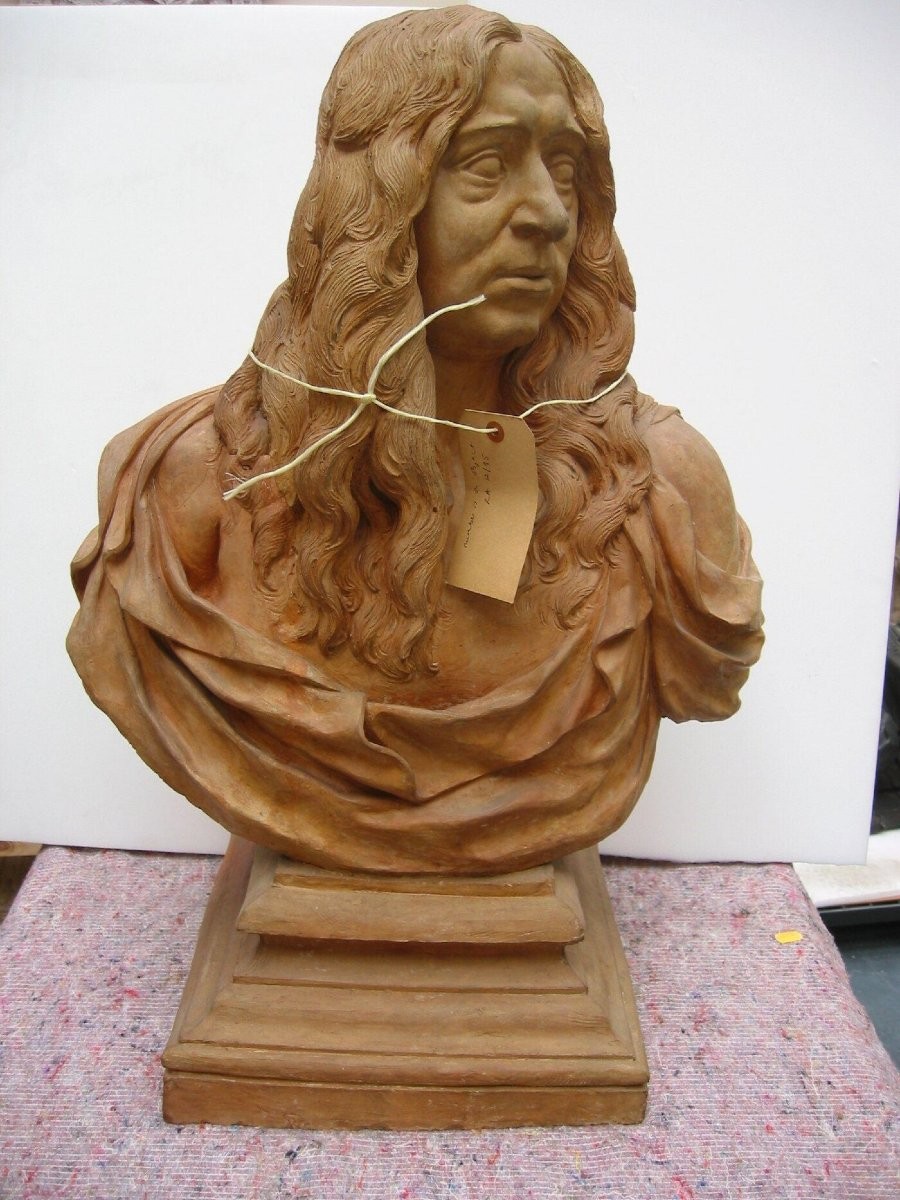
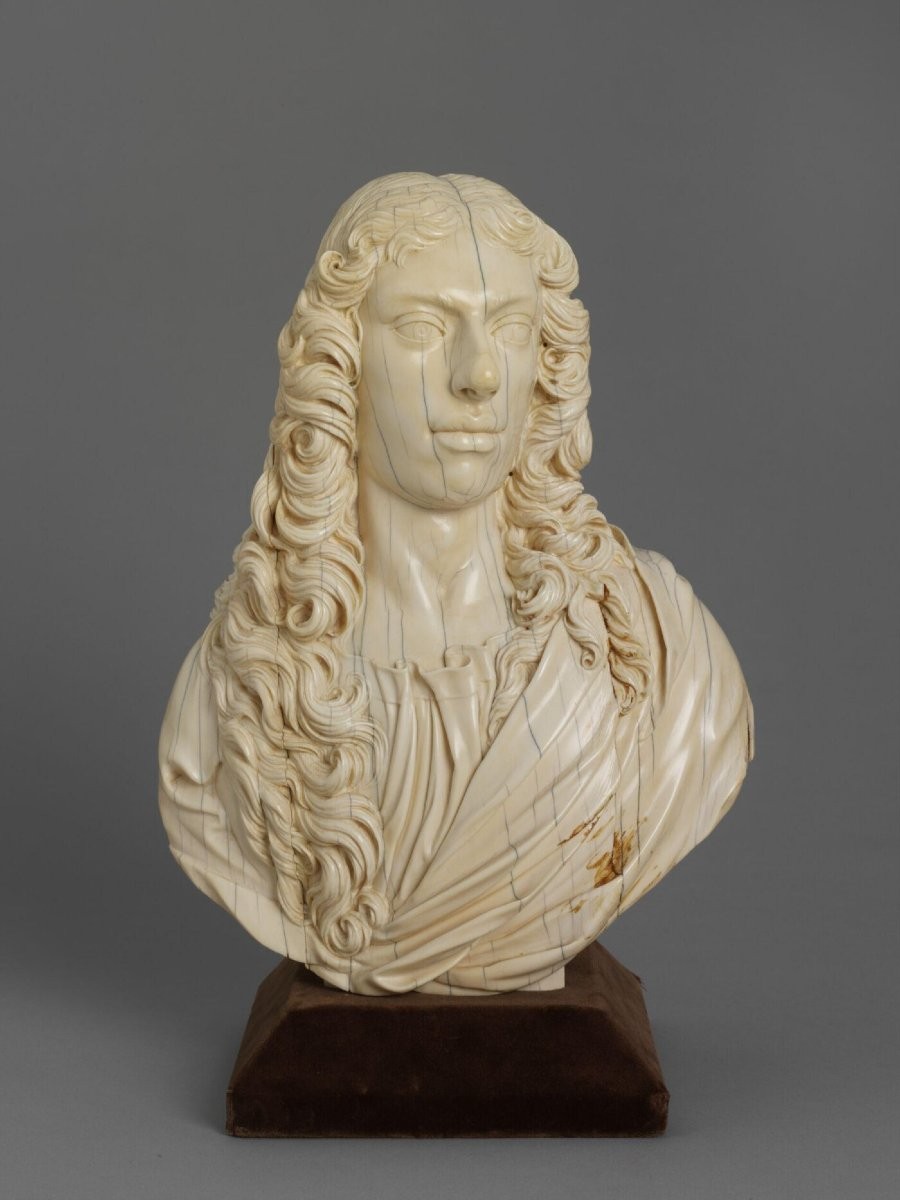
This bust depicts a young man with his face turned slightly to the left, wearing long, flowing hair that falls over his shoulders, and clad in a loose, draped garment tied at the chest, whose thick folds form a circular pattern. The contrast between the masterful rendering of the face and the more vigorous animation of the hair and fabric lends the composition a solemn presence.
The youthfulness and regularity of the facial features, along with the gentle yet focused expression, give the figure a timeless air. No element of his attire places him in a particular social position. The presence of the toga—a direct reference to the virtues and heroism of Antiquity—lends the depiction a classical and timeless stature.
Is this a literary, scientific, or military figure, or simply a young man who passed away too soon that we are commemorating here? His identity remains a mystery for now.
We date the creation of this bust to the Netherlands or the United Kingdom in the second half of the 17th century. Stylistically, it reflects a taste for classically inspired portraits, drawing on both Italian Baroque sculpture and the local portrait tradition. It may be considered a preparatory model for a marble work, although we cannot rule out the possibility that it was intended to be placed directly on a monument in a church.
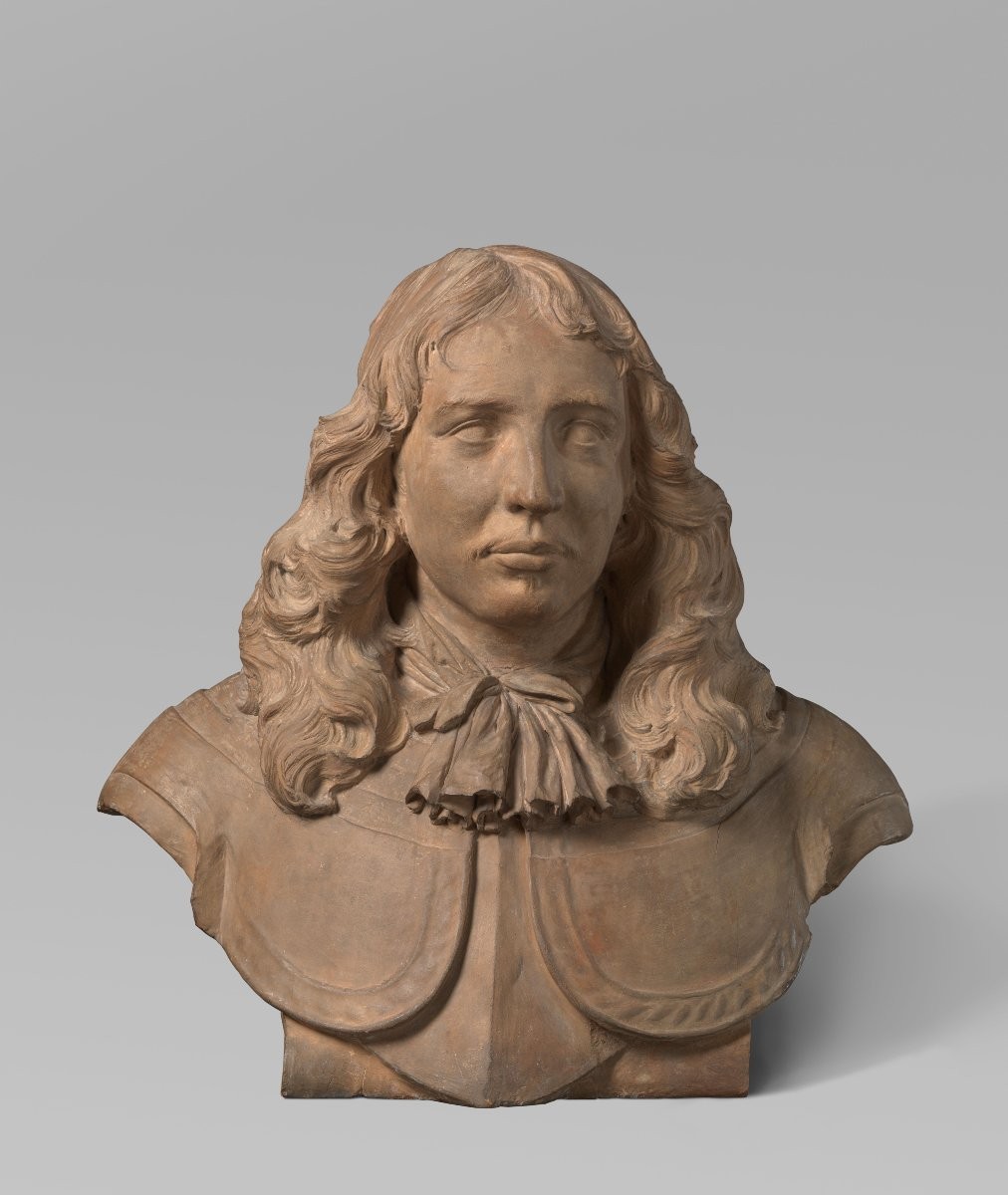
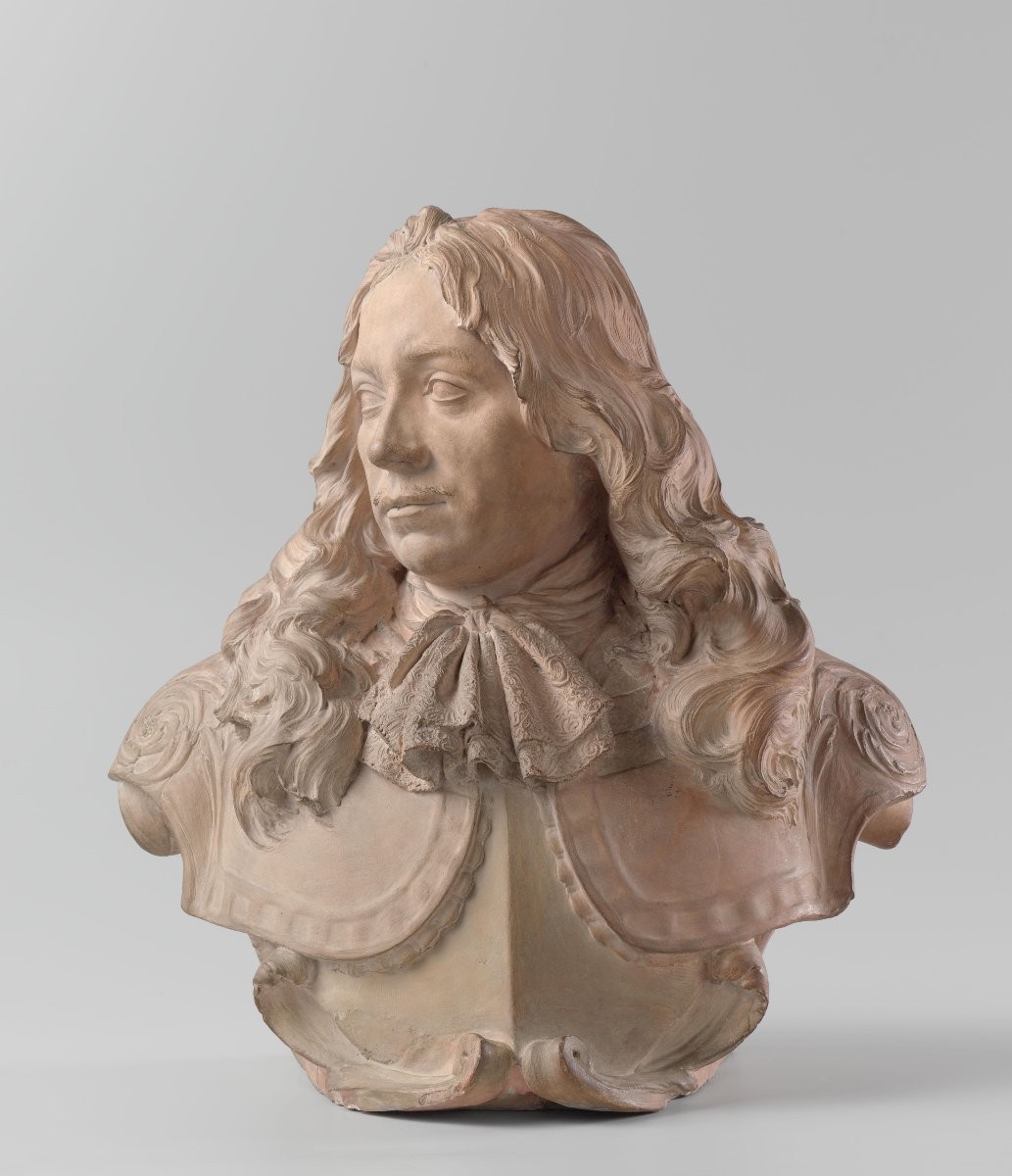
By way of comparison, we may cite the terracotta busts created by Rombout Verhulst: that of Baron van Liere (1620–1654), dated 1662 (ill. 1: Rijksmuseum Inv. BK-NM-11957-A) or that of Jacob van Reygersbergh (1625–1675), dated
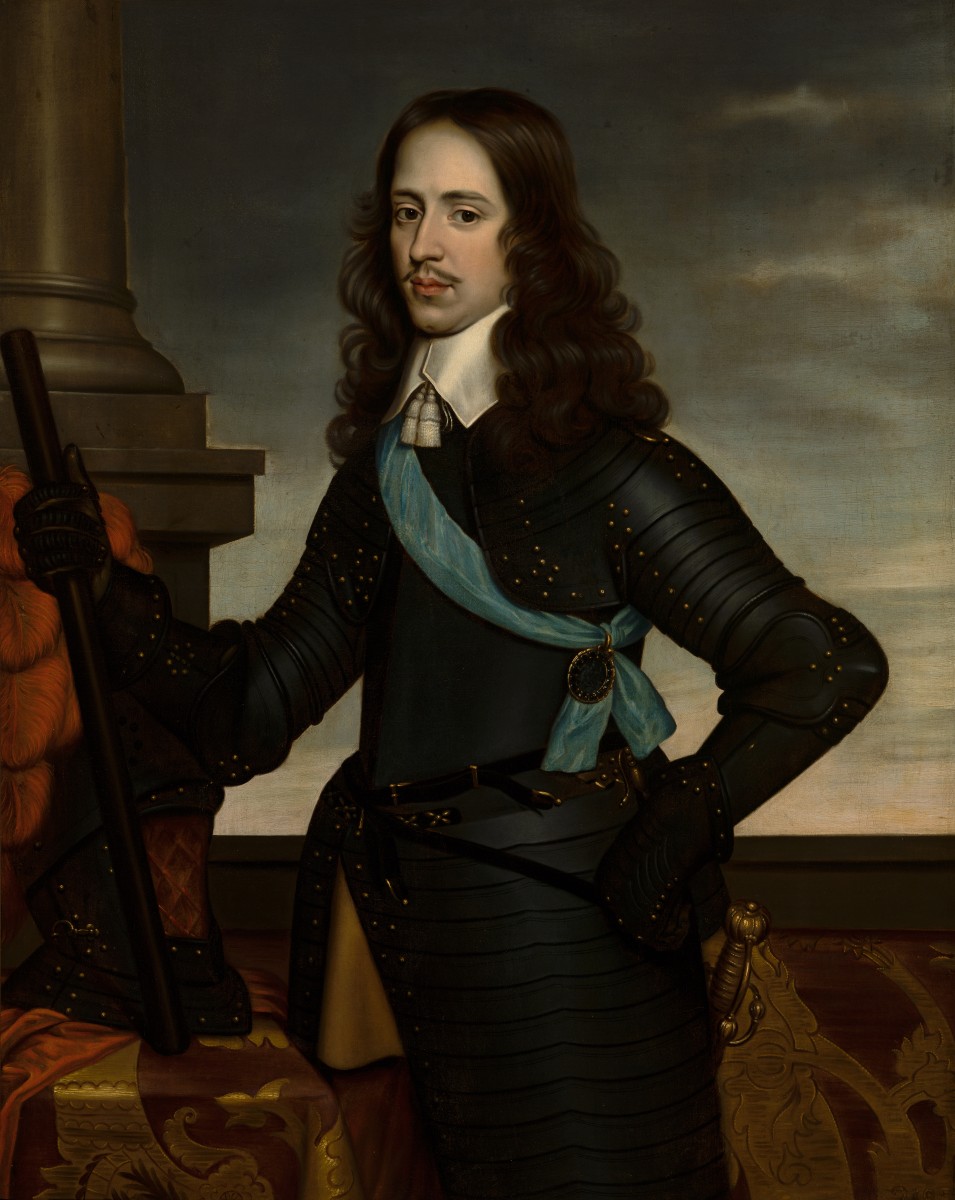
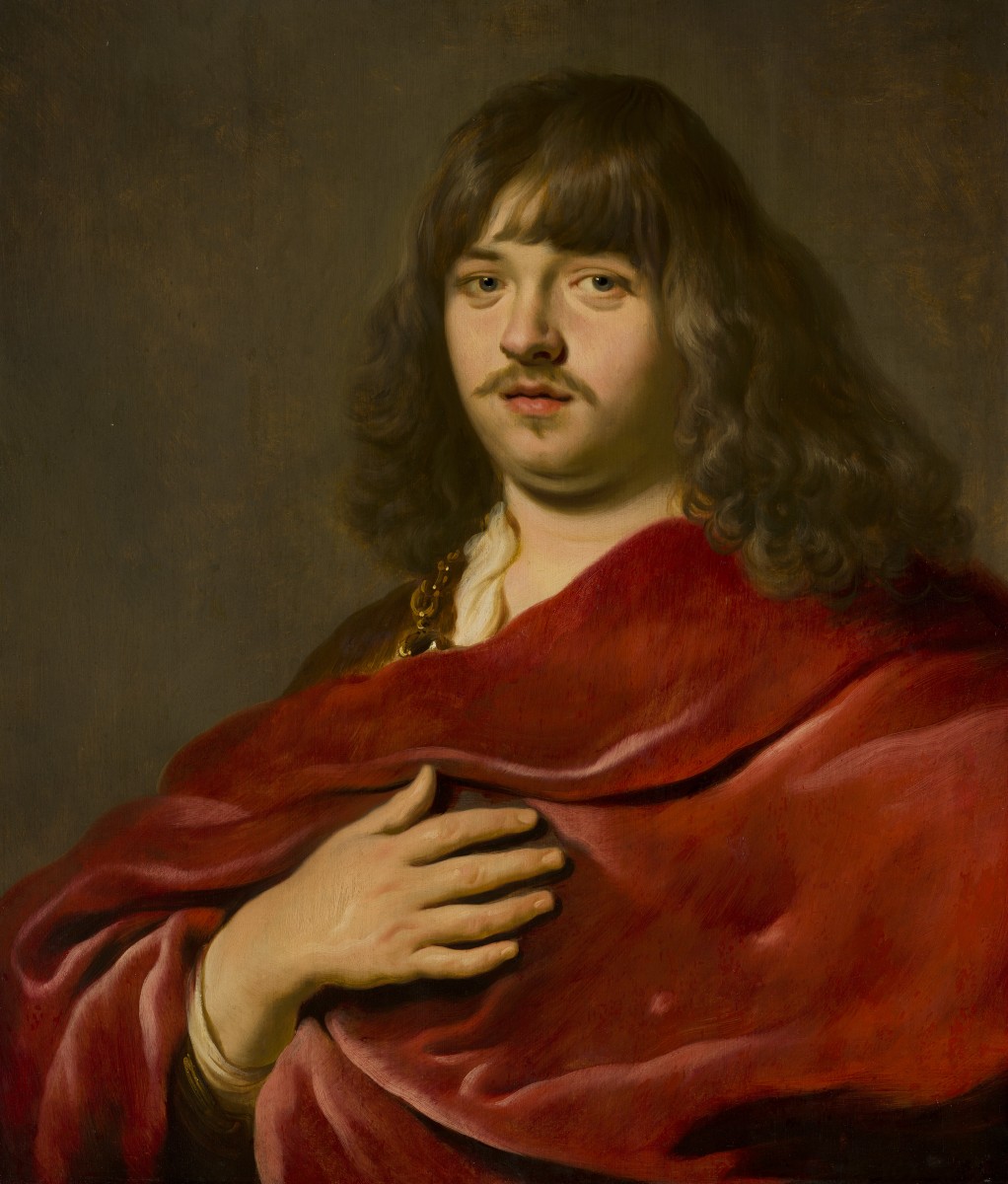
1671 (ill. 2: Rijksmuseum Inv. BK-NM-10557). This men’s fashion for a long, bouffant, two-part hairstyle extending down to the chest is particularly notable and can also be seen in painted portraits (ill. 3: Mauritshuis, inv. 63, portrait of William II, Prince of Orange, Van Honthorst’s studio, 1651). However, in the cases cited above, the figures all wear costumes indicating their rank.
The best comparables can be found at the Victoria and Albert Museum, notably two busts of men dressed simply in a toga, without any contemporary costume adornments. The first is a bust of an unknown man, dated around 1670 (ill. 4: V&A Museum, inv. A.7-1963), whose attribution to the sculptor John Bushnell (c. 1630–1702) has been supported by the collector and historian Rupert Gunnis. The second is an ivory sculpture, dated 1670–1700 (ill. 5: V&A Museum, inv. A.14–1967). Like our bust, these works embody a more understated and timeless portrayal of their subjects. Already evident in the portrait painted by Jacob Adriaensz Backer around 1630–1640 (ill. 5: Mauritshuis, inv. 543), this stylistic shift in portraiture toward a classicizing simplicity would reach its peak during the 18th century.
Condition report: uniform wear and patina, with some soiling and very minor losses of material
Delevery information :
All our objects are visible in Paris. Worldwide delivery by DHL.