Offered by Poncelin de Raucourt Fine Arts
REQUEST INFORMATION

Paintings and drawings, from 16th to 19th century
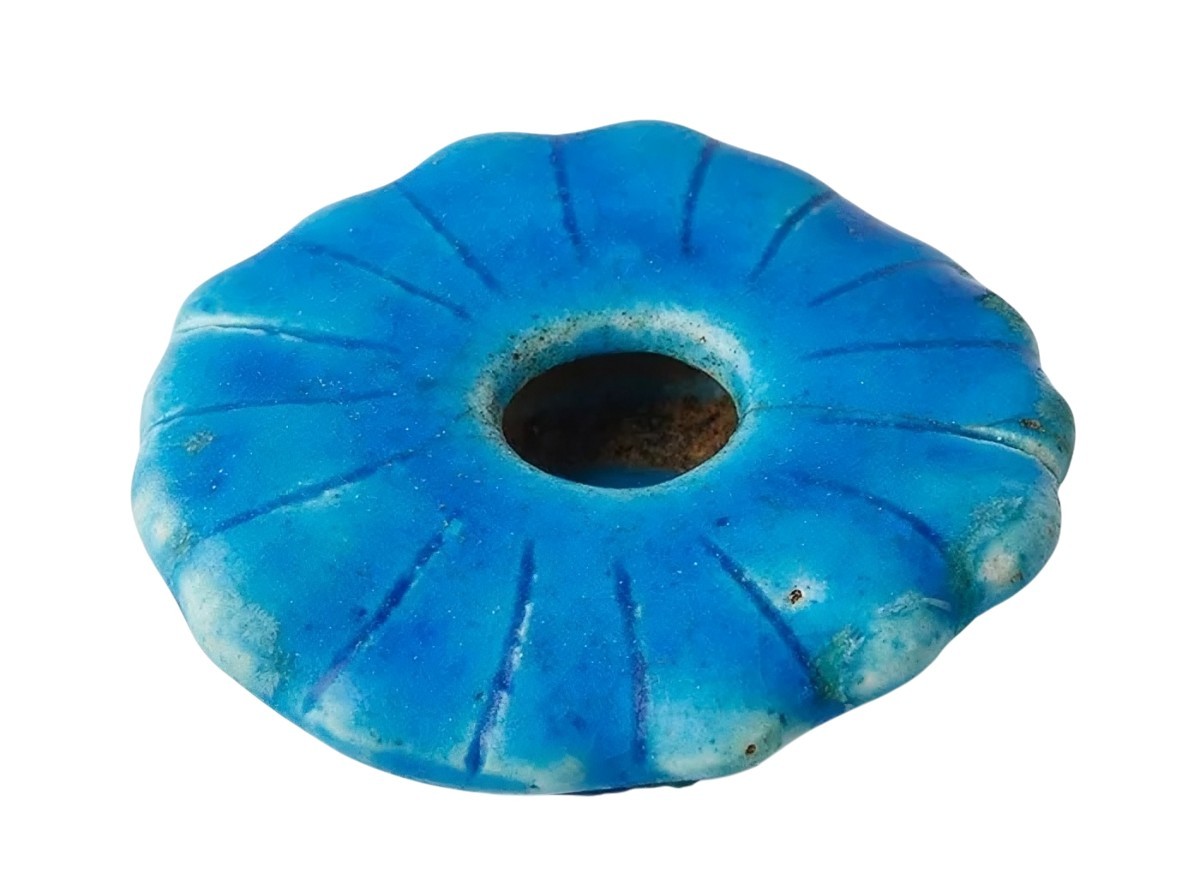
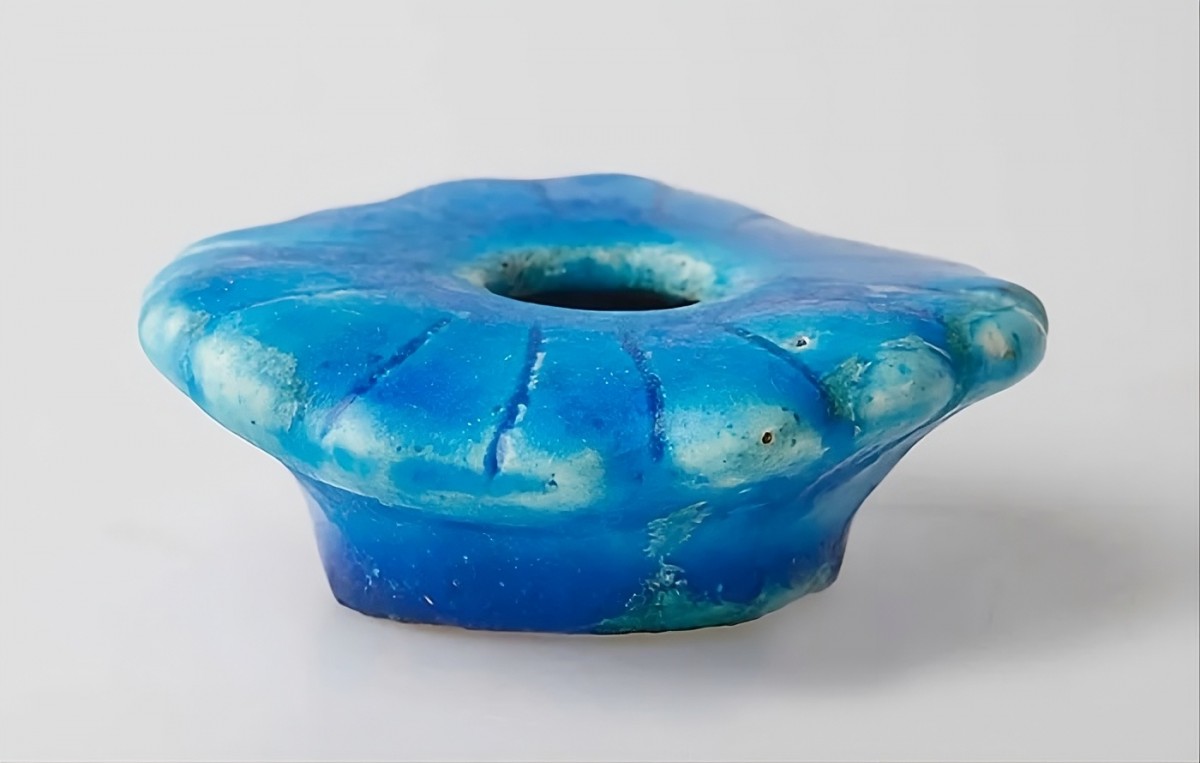
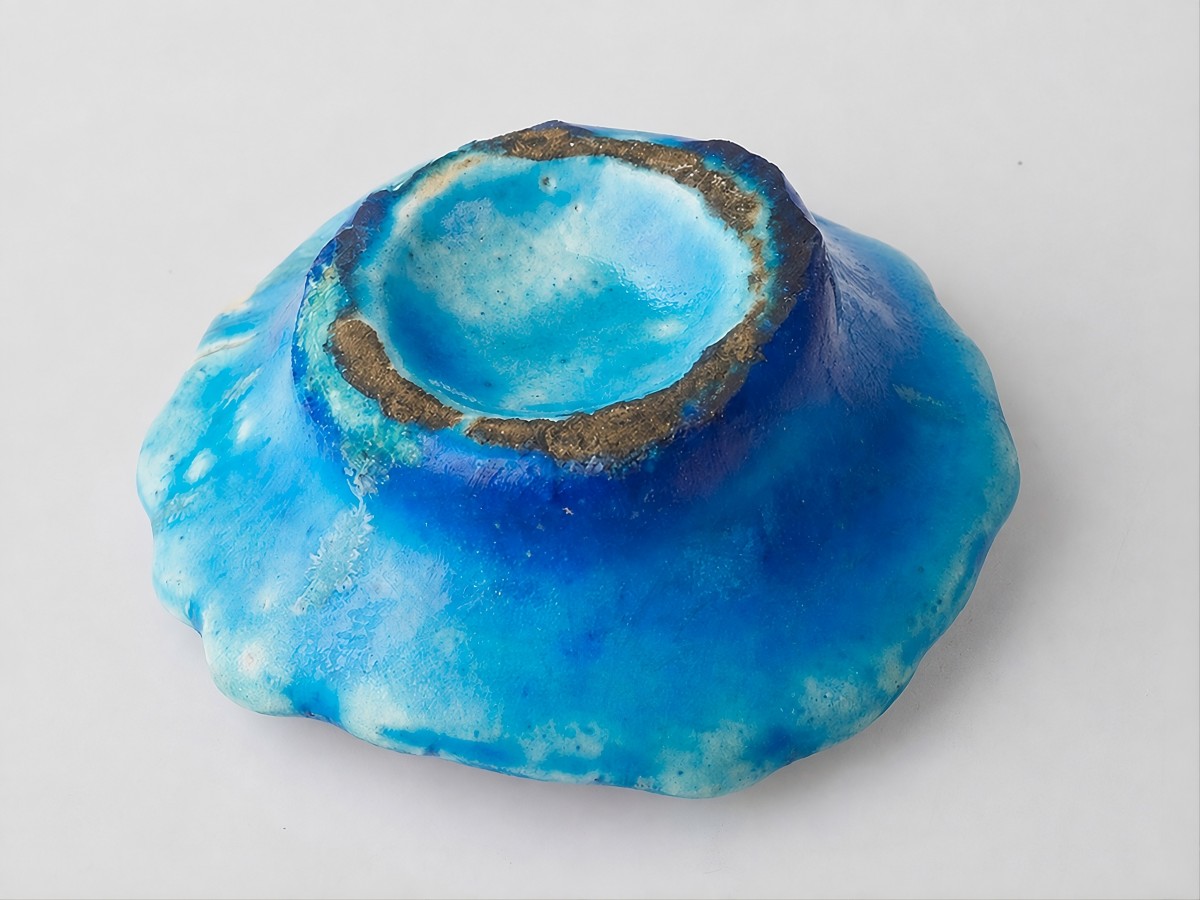
A Rare Turquoise-Glazed Melon-Shaped Inkwell, Medieval Iran, circa 1150-1250
This remarkably preserved miniature vessel was most probably conceived as an inkwell for a medieval scribe. Its compressed and exceptionally stable body is moulded with radiating ribs, giving it the appearance of a melon or small gourd, while the narrow central aperture would have helped prevent the ink from spilling or evaporating.
Covered in an intense copper-turquoise glaze, the vessel belongs to the great tradition of glazed ceramics developed throughout the Iranian world during the Seljuk period. Its vibrant surface, alternating between turquoise and deep blue, retains traces of iridescence, firing irregularities and natural wear consistent with considerable age.
Small utilitarian vessels of this period are considerably rarer than bowls and jugs. Their fragile nature and intensive everyday use explain the very limited number of substantially complete examples surviving today.
Iran or the Eastern Iranian world, probably 12th to early 13th century.
Turquoise-glazed pottery or fritware.
Diameter: 7.2 cm.
Condition: minor glaze losses, abrasion and surface deposits consistent with age. No major structural restoration visible.