Offered by Galerie Paris Manaus
REQUEST INFORMATION

Decorative Arts of the 20th century
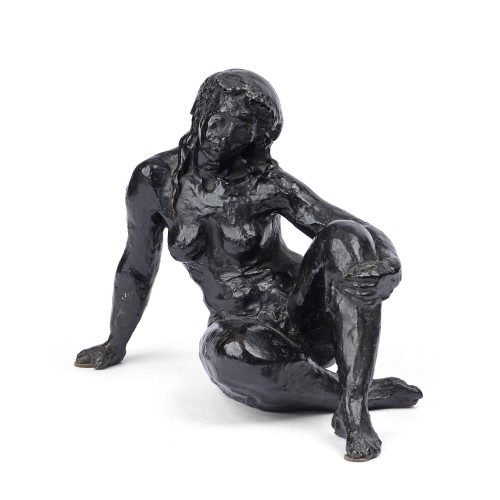
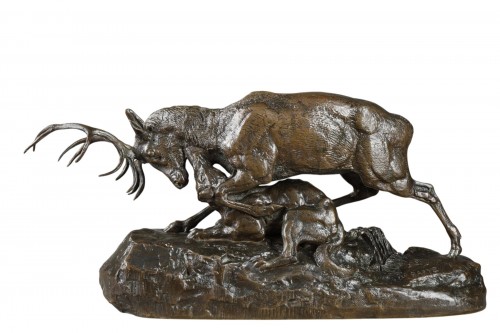
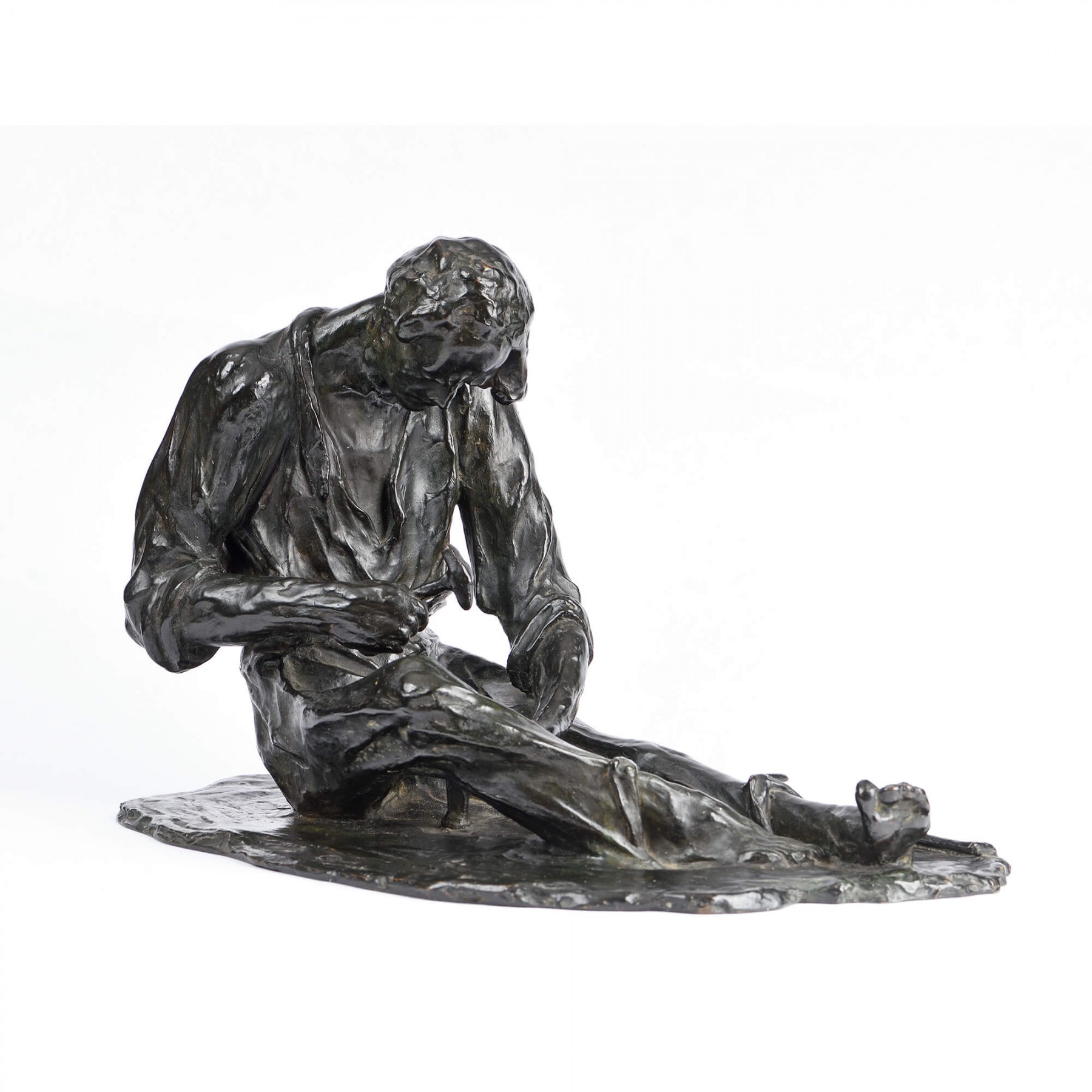
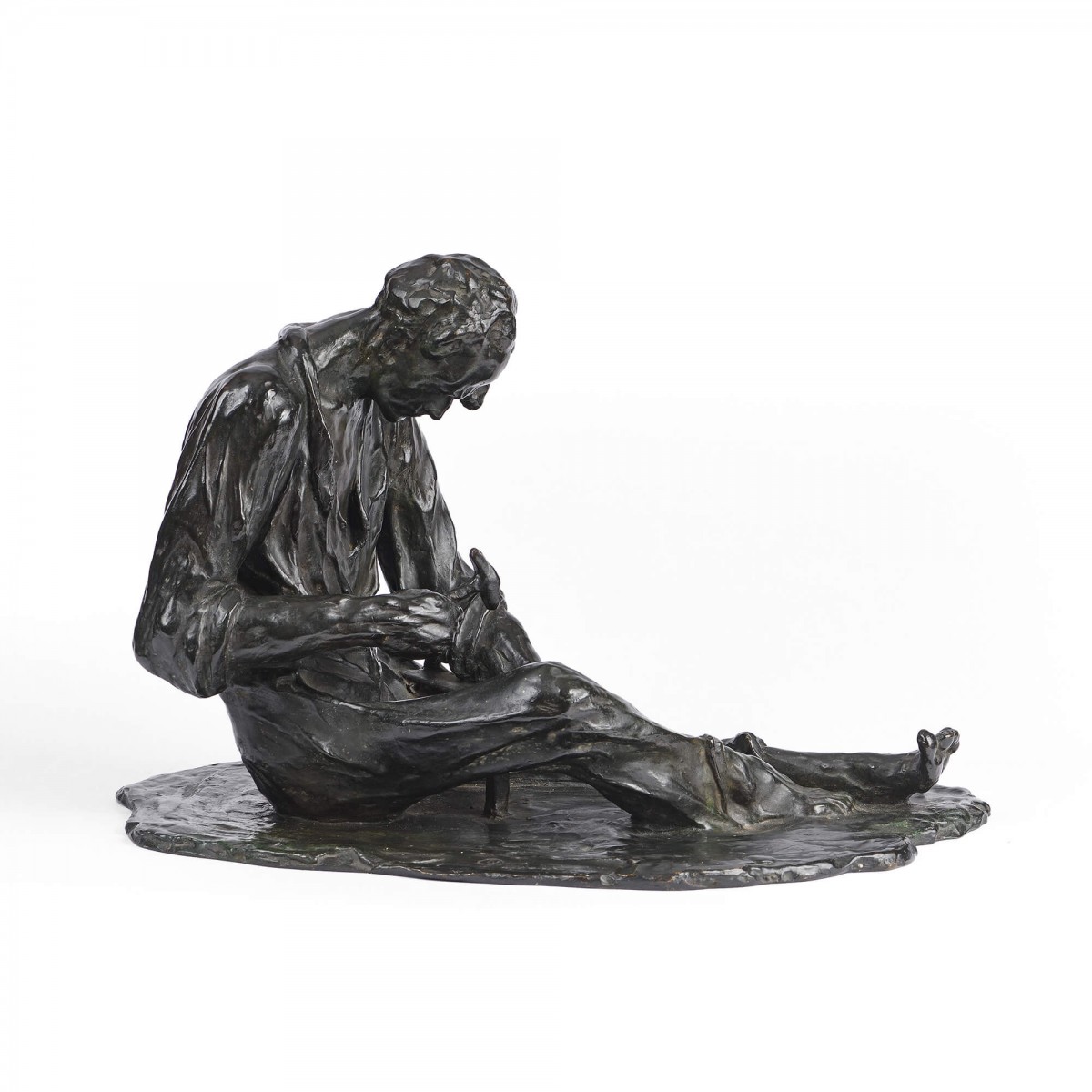
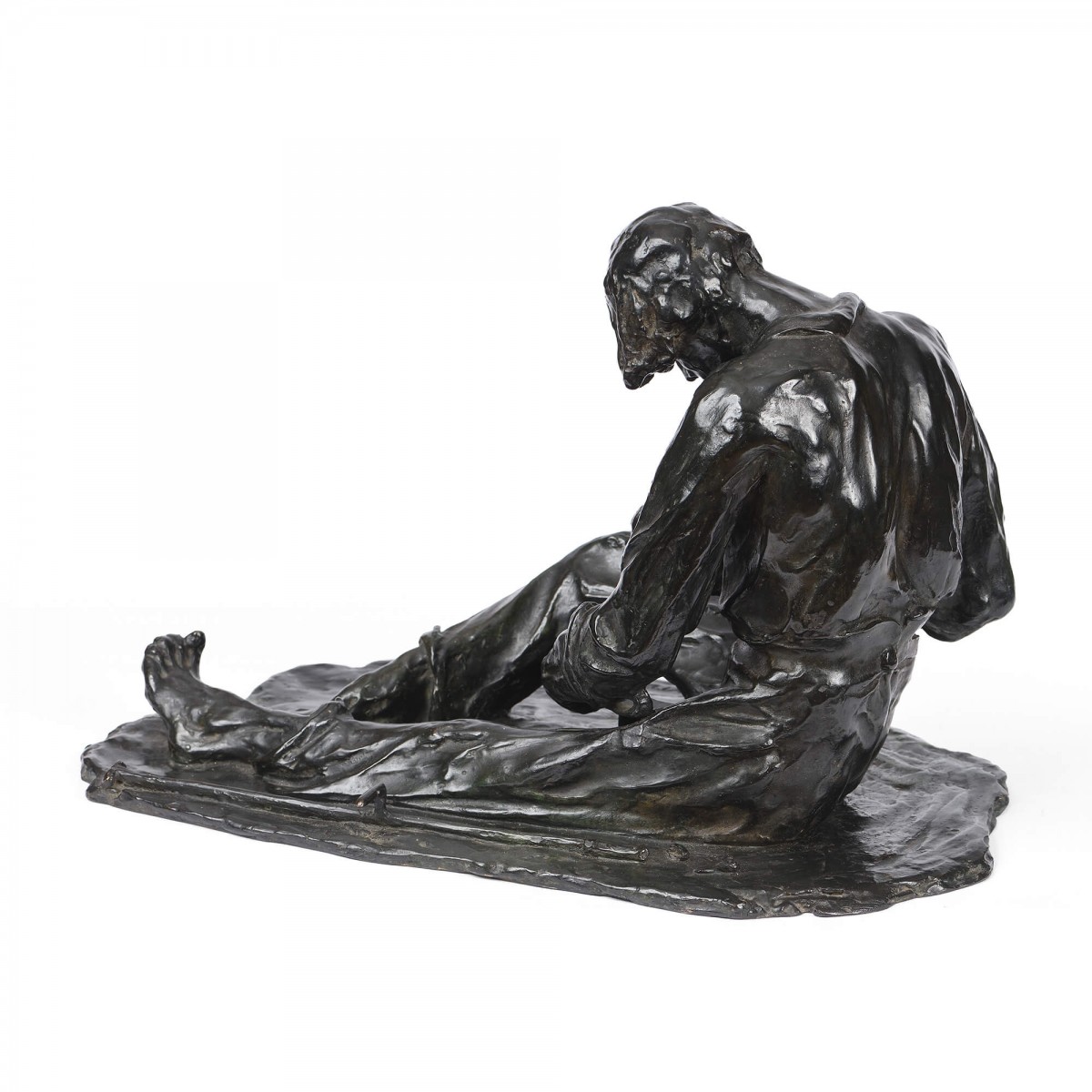
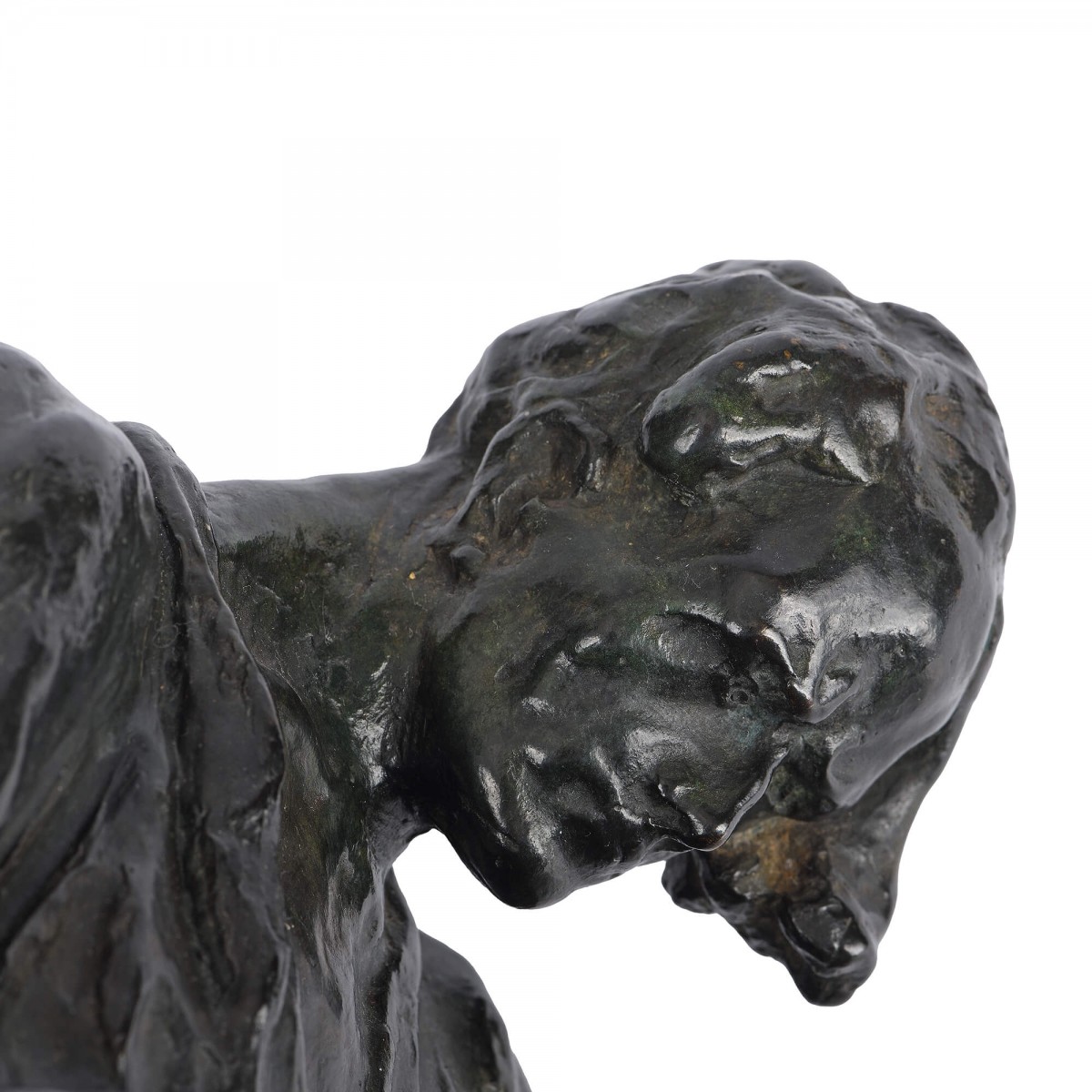
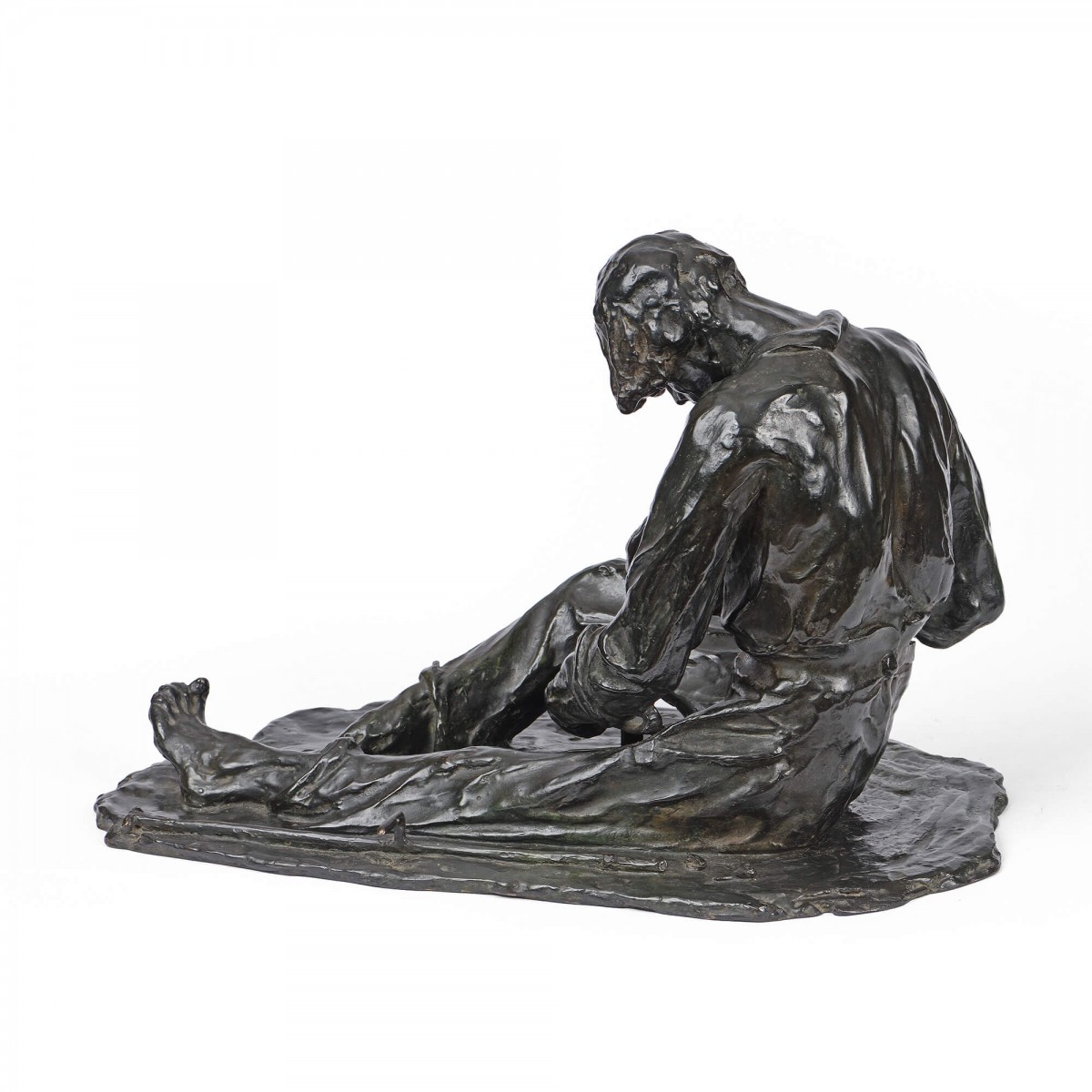
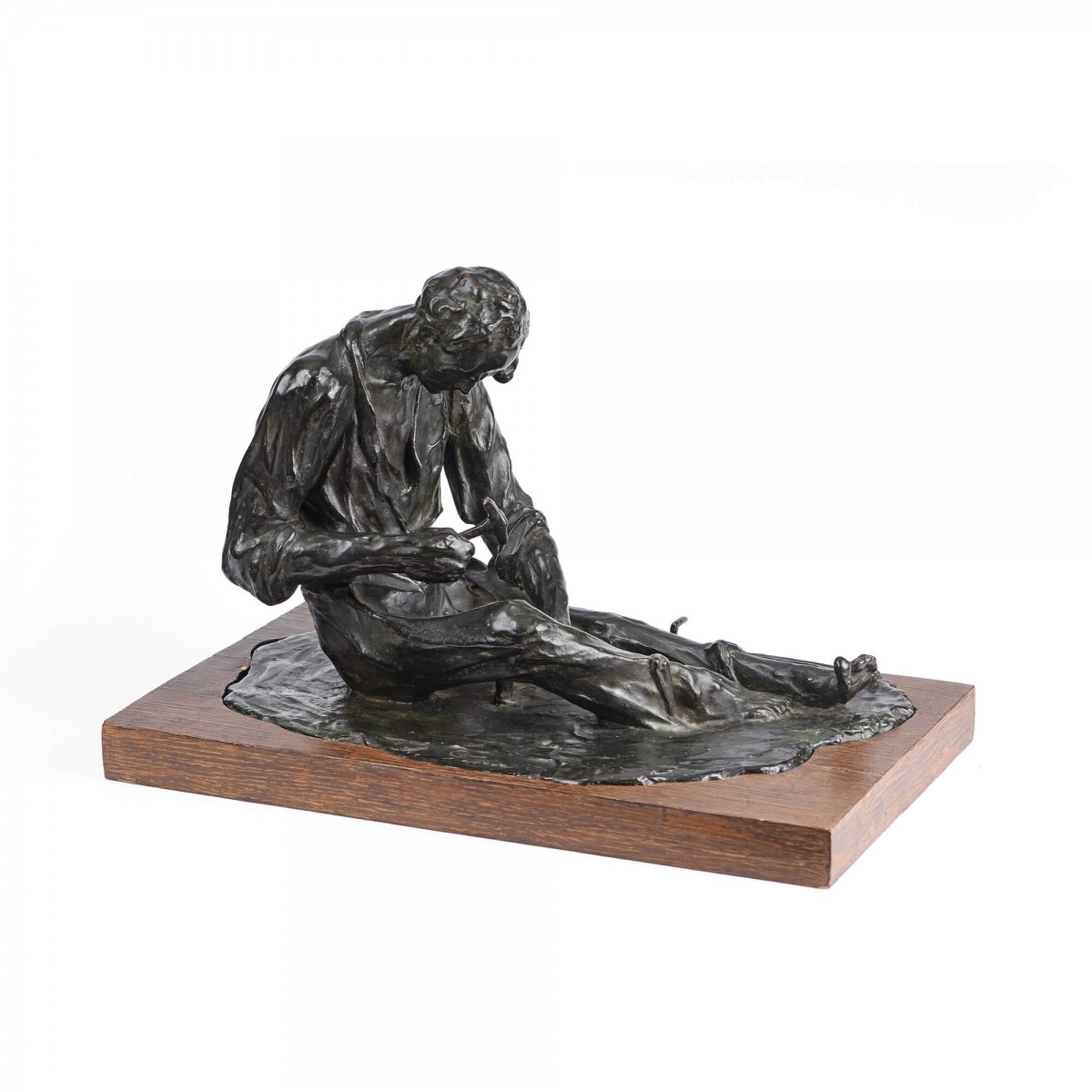
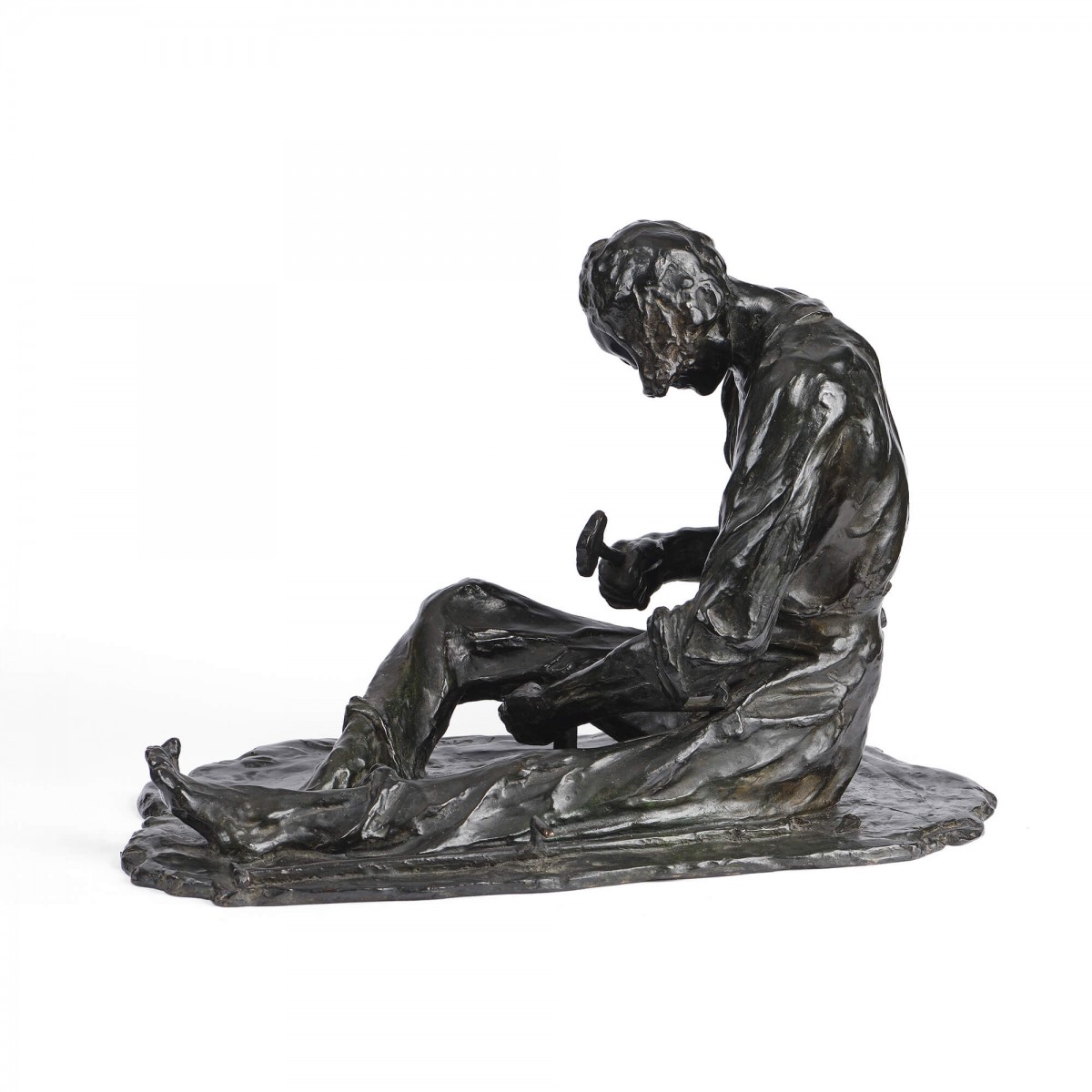
Bronze cast
Black patina with nuanced green undertones
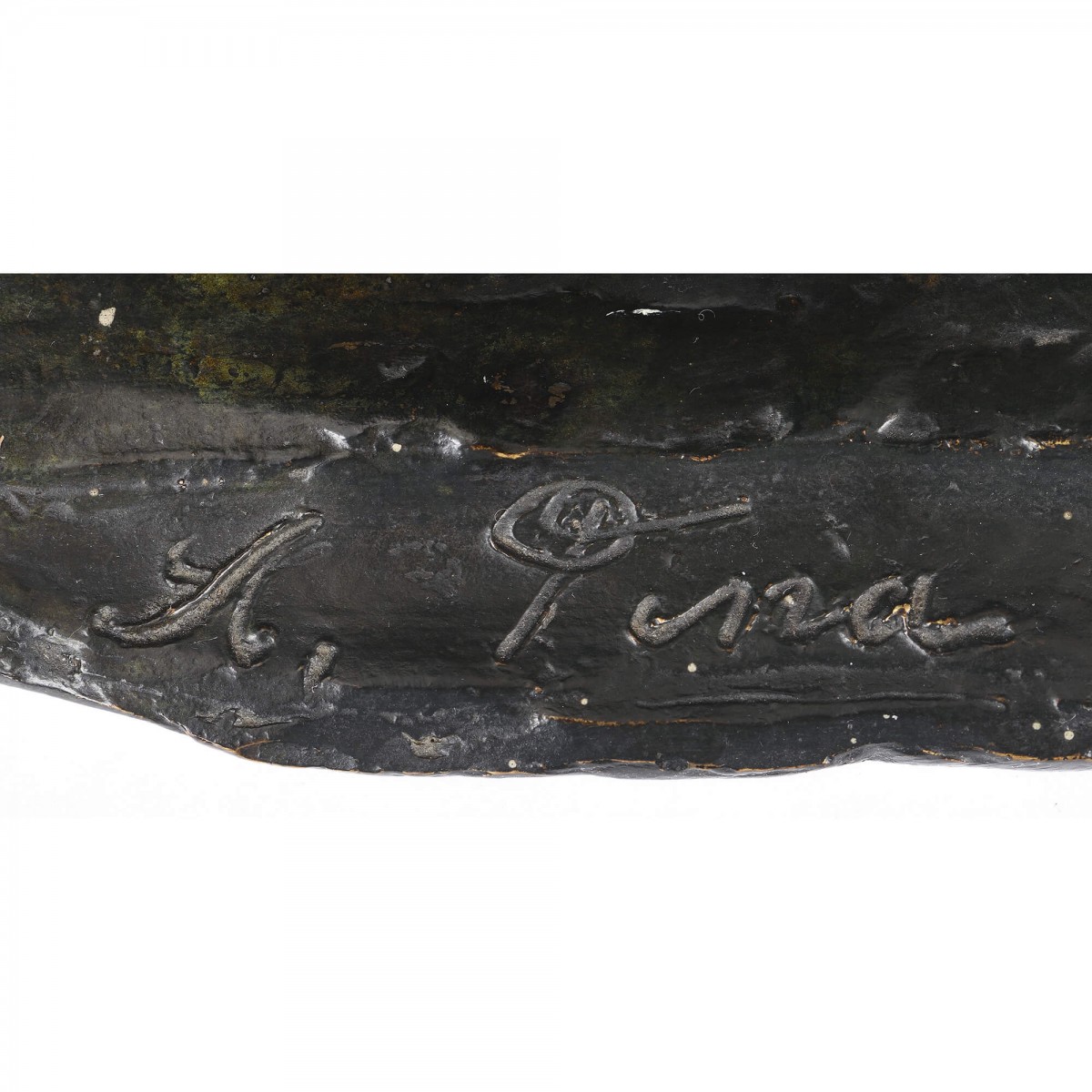
Signed in the wax “A. Pina” on the base
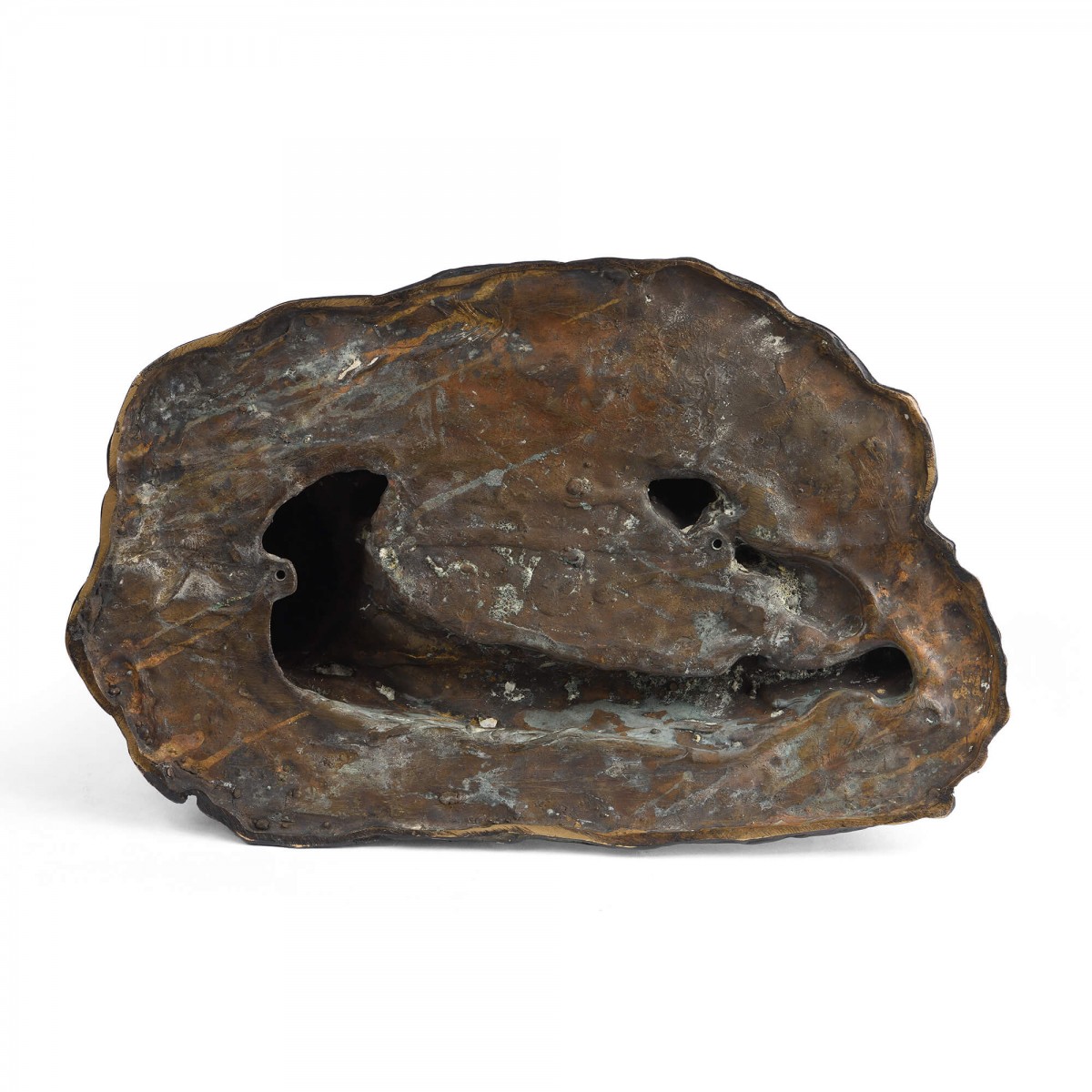
Lost-wax cast with no foundry mark
Resting on a wooden base
Circa 1925/1930
Dimensions without the base
Height: 27 cm
Length: 40 cm – Depth: 24.5 cm
Biography:
Born in Milan, Italy
After brilliant studies at the Academy of Fine Arts in Milan, crowned by the National Grand Prize for Sculpture in 1904 — the equivalent of the French Prix de Rome — Alfredo Pina spent three years in Rome before settling in Paris in 1911. Rodin noticed one of his sculptures and asked him to join his studio as a practitioner; he remained there until Rodin’s death in 1917. He frequented the circle of Italian artists and became part of the Montparnasse artistic scene of the 1920s.
Supported by the founder Valsuani, he presented a large number of works in 1920 at the Galerie Allard. This exhibition was a great success, as was that of the Society of Italian Artists, which he later organized in 1929.
Captivated by the landscape of the Nièvre region along the Loire, he purchased a house in Mesves-sur-Loire, then the nearby Malvaux stone quarries, in order to fulfill his commissions for First World War memorials. He created the Mesves memorial, which reprises a bronze exhibited in 1920, La Douleur. He returned to Paris, then to Italy, where he took part in an international competition launched by Mussolini, which he won with a project for a Monument to Dante. This was to be his major work, but it was never realized.
Returning to France in 1929, he stayed for some time in Paris before settling permanently in Mesves with his wife.
He took part in exhibitions in Nevers and executed busts of friends and acquaintances who were also his patrons. He died in 1966, forgotten by the Parisian art scene, in poverty.
The Mesves studio collection, acquired by the French State, was deposited at the Musée de La Charité-sur-Loire in 1971. In both his portraits and his monumental sculpture, Pina was clearly influenced by Rodin’s themes, but his sculptural vocabulary remained highly personal.