Offered by Galerie Saint Martin
REQUEST INFORMATION

Joseph-Bernard Artigue was a French painter whose work celebrates light and the rural life of the South-West of France.
Encouraged by his family in his artistic talent, he entered the École des Beaux-Arts in Toulouse in 1873, where he became close to artists such as Henri Martin and Antoine Bourdelle. In 1882, he continued his studies at the École des Beaux-Arts in Paris under the guidance of Jean-Paul Laurens, Alexandre Cabanel, and Léon Bonnat.
Artigue regularly exhibited in Paris at the major Salons of his time. Before the First World War, he also presented his work in Russia at the request of the Empress.
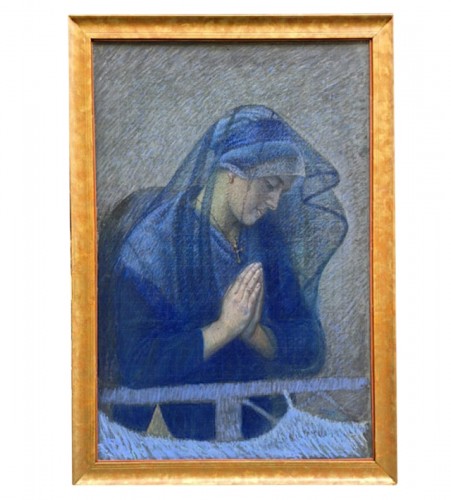
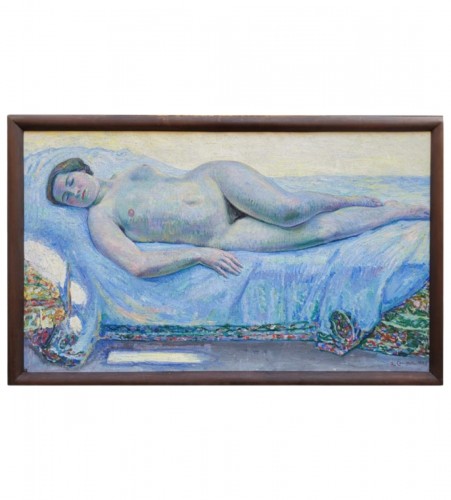
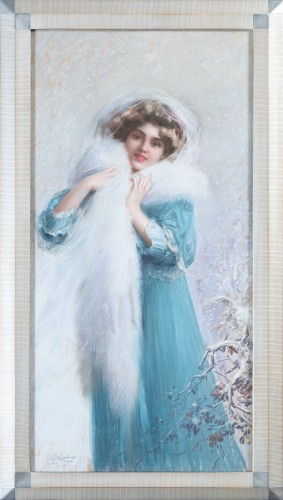
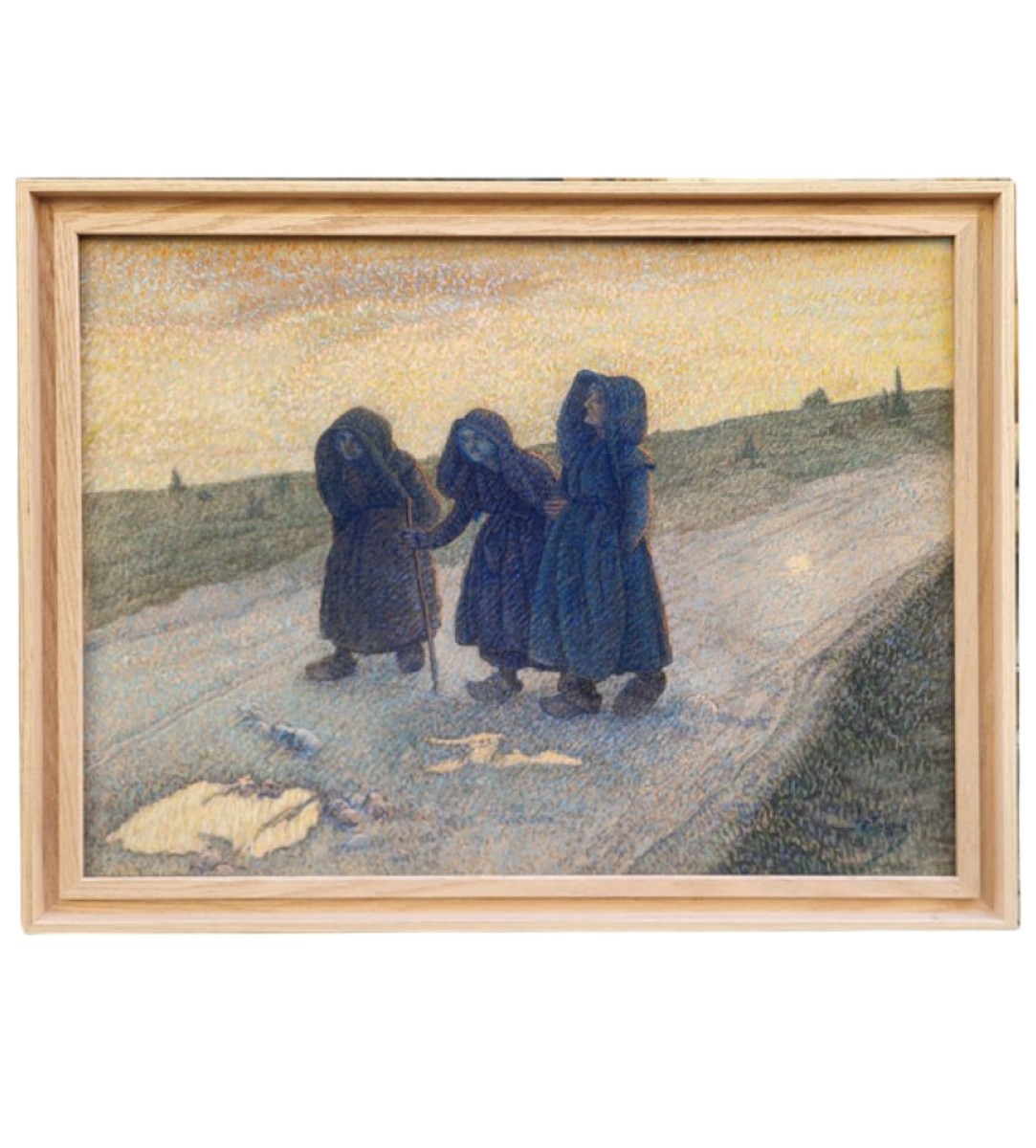
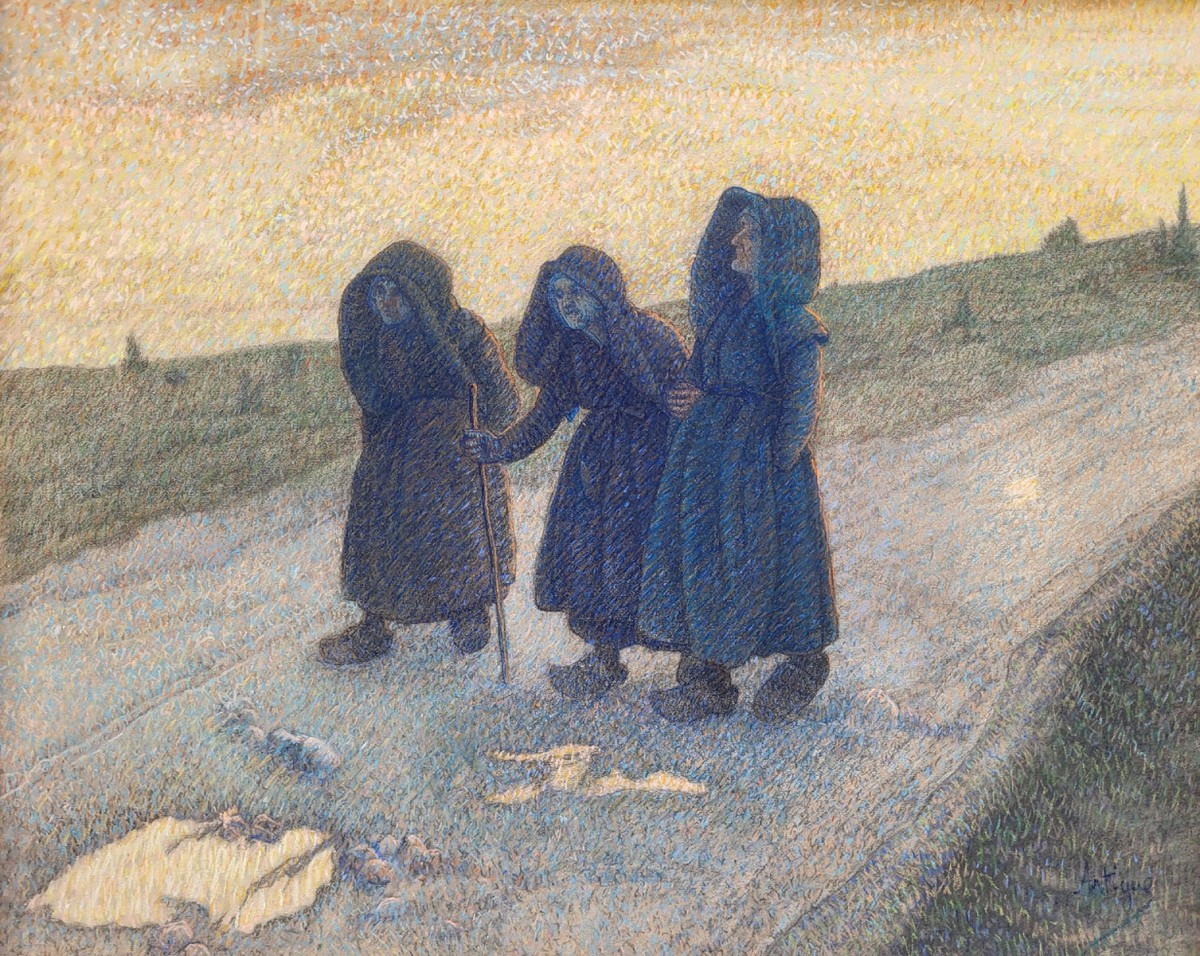
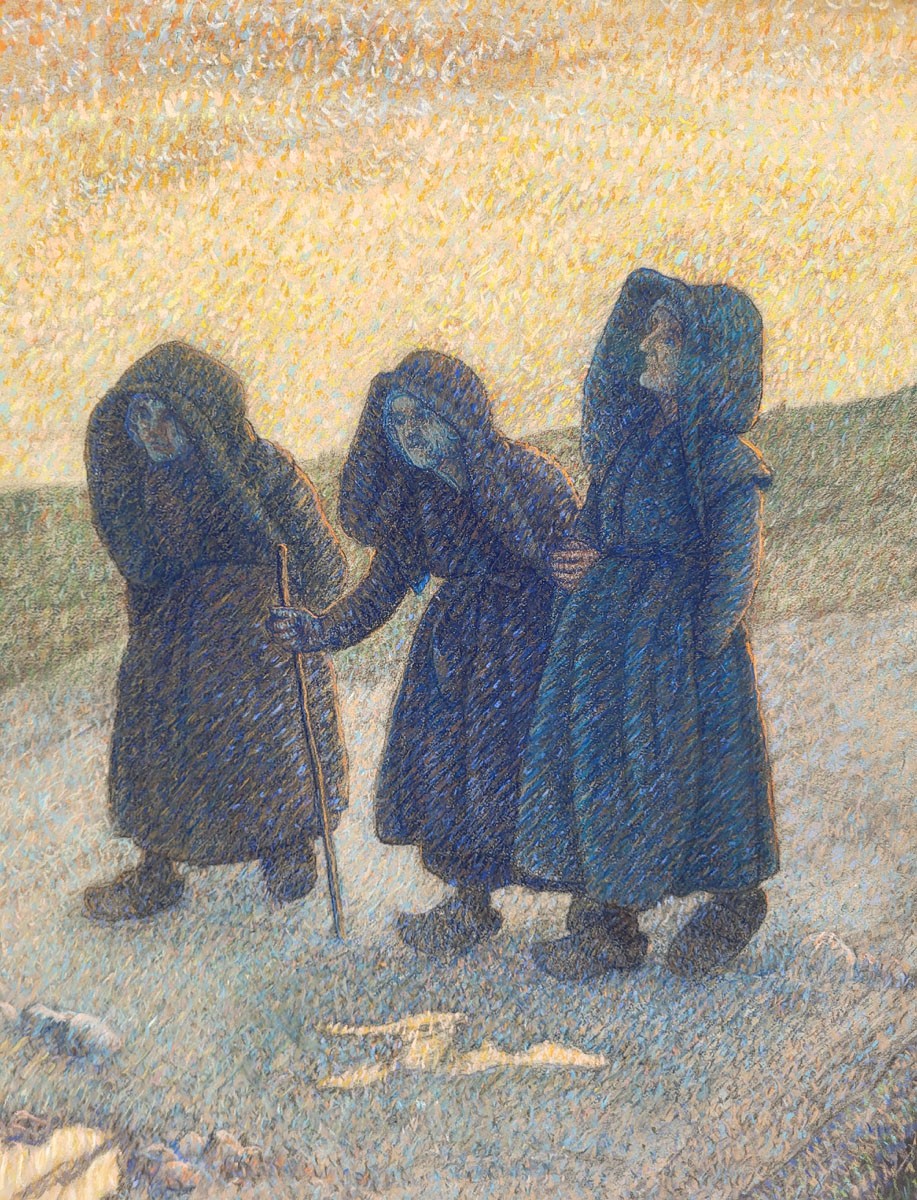
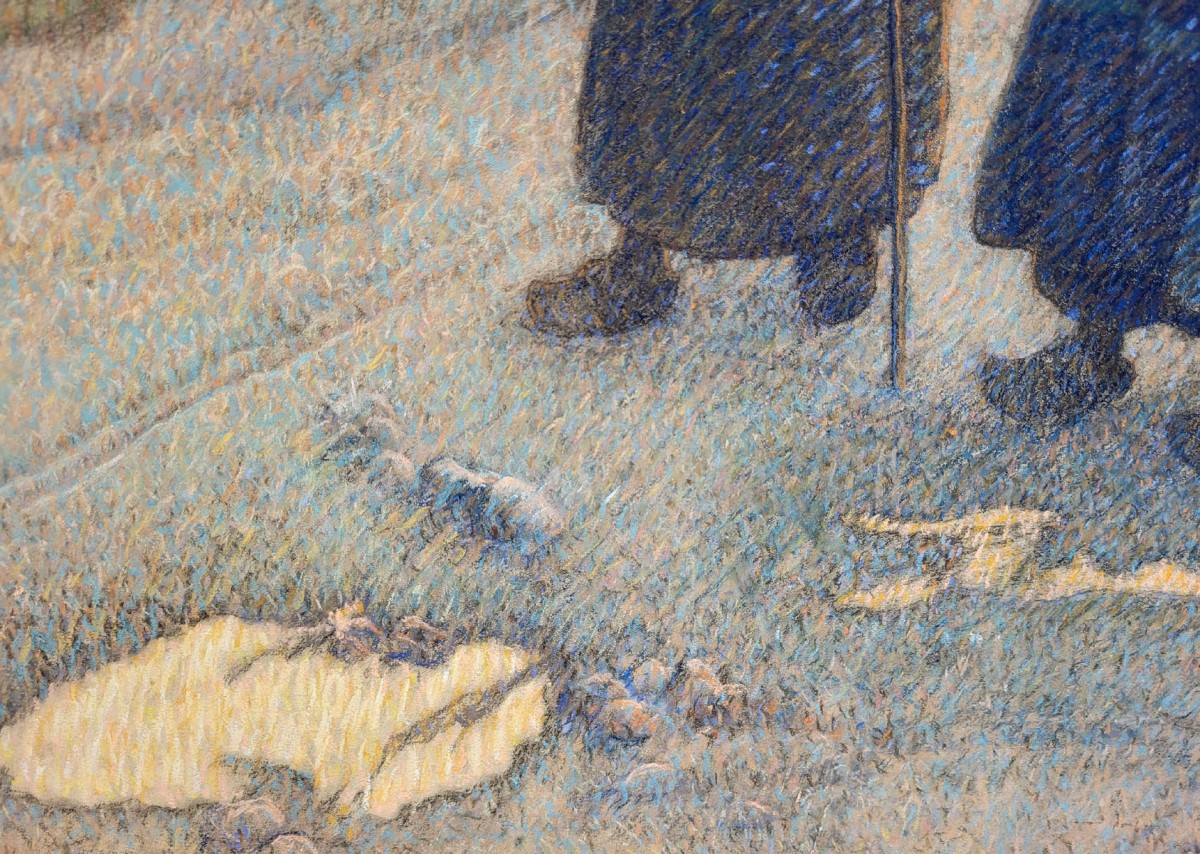
This work by Joseph-Bernard Artigue reveals a subtle technique at the crossroads of Pointillism and Post-Impressionism.
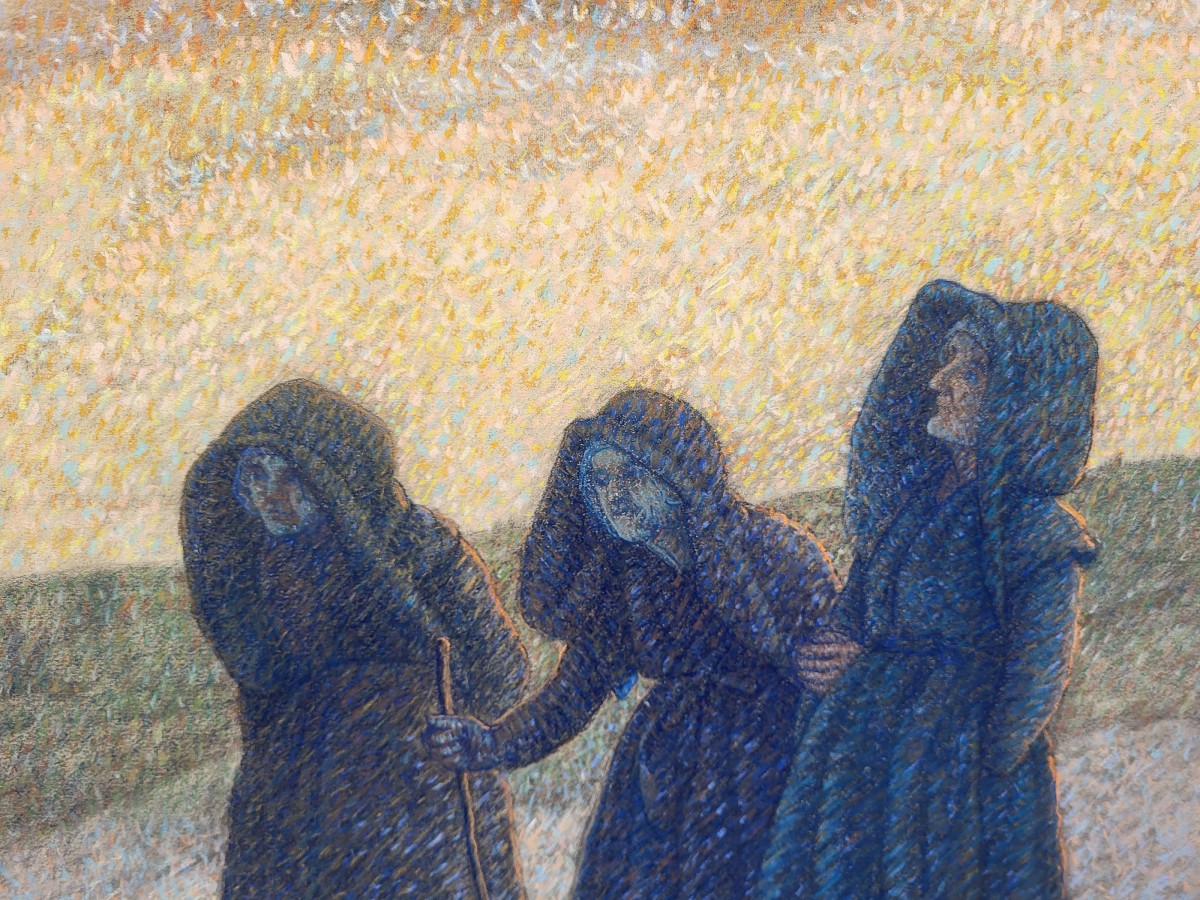
The surface is animated by a multitude of small, delicately juxtaposed touches of colour, recalling the optical discipline of Pointillism. However, the artist departs from its strict system in favour of a freer approach, where the vibration of colour prevails over scientific construction.
In this approach, the brushwork becomes softer and at times more diffuse, characteristic of the pastel medium, which allows for subtle blending while preserving a sense of luminous fragmentation.
The colours do not fully merge: instead, they respond to one another, intensify, and create a vibrant atmosphere.
Delevery information :
Shipping all destinations