Offered by Stéphane Renard Fine Art
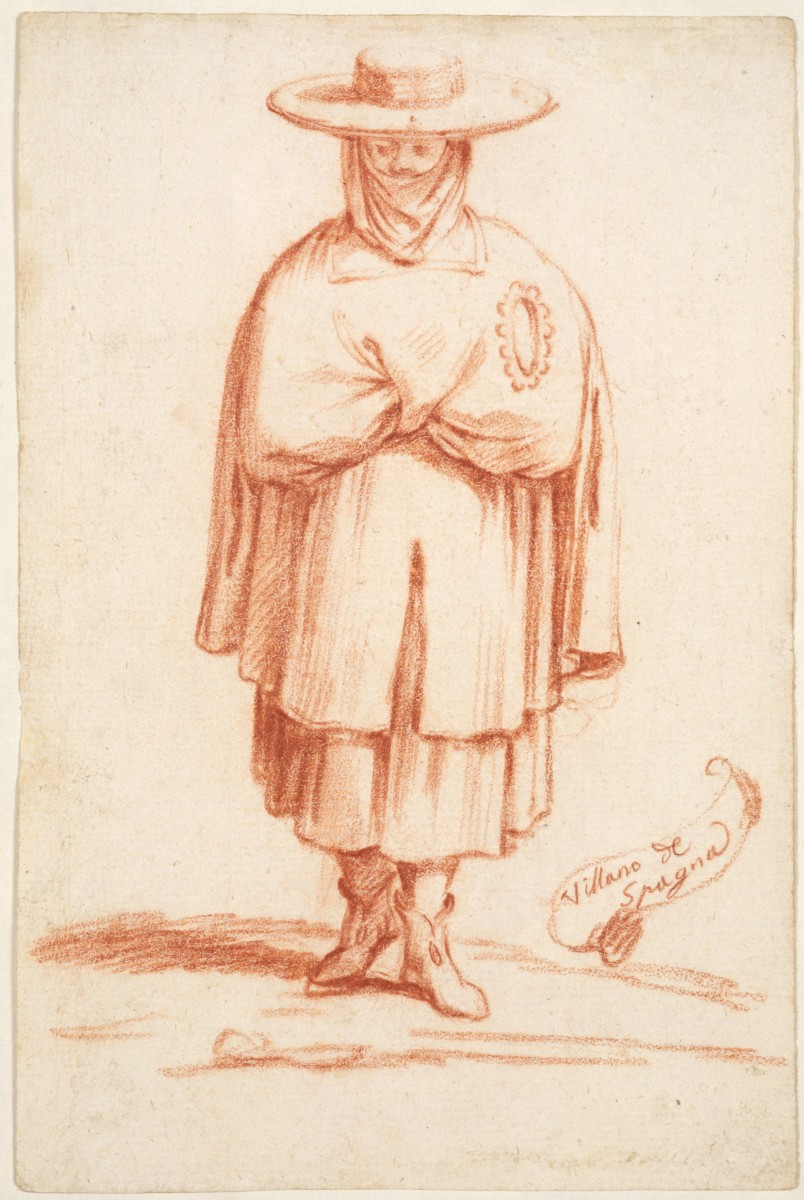
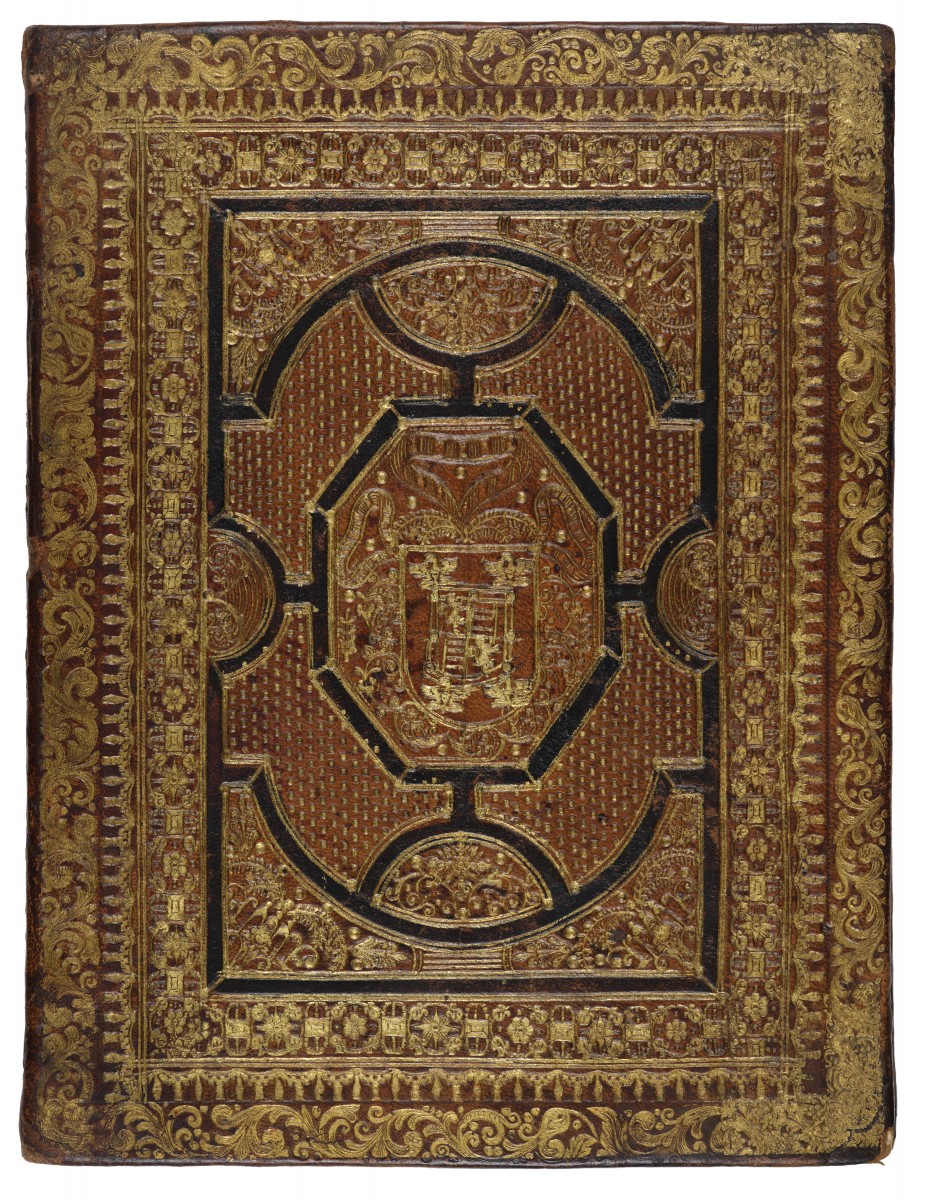
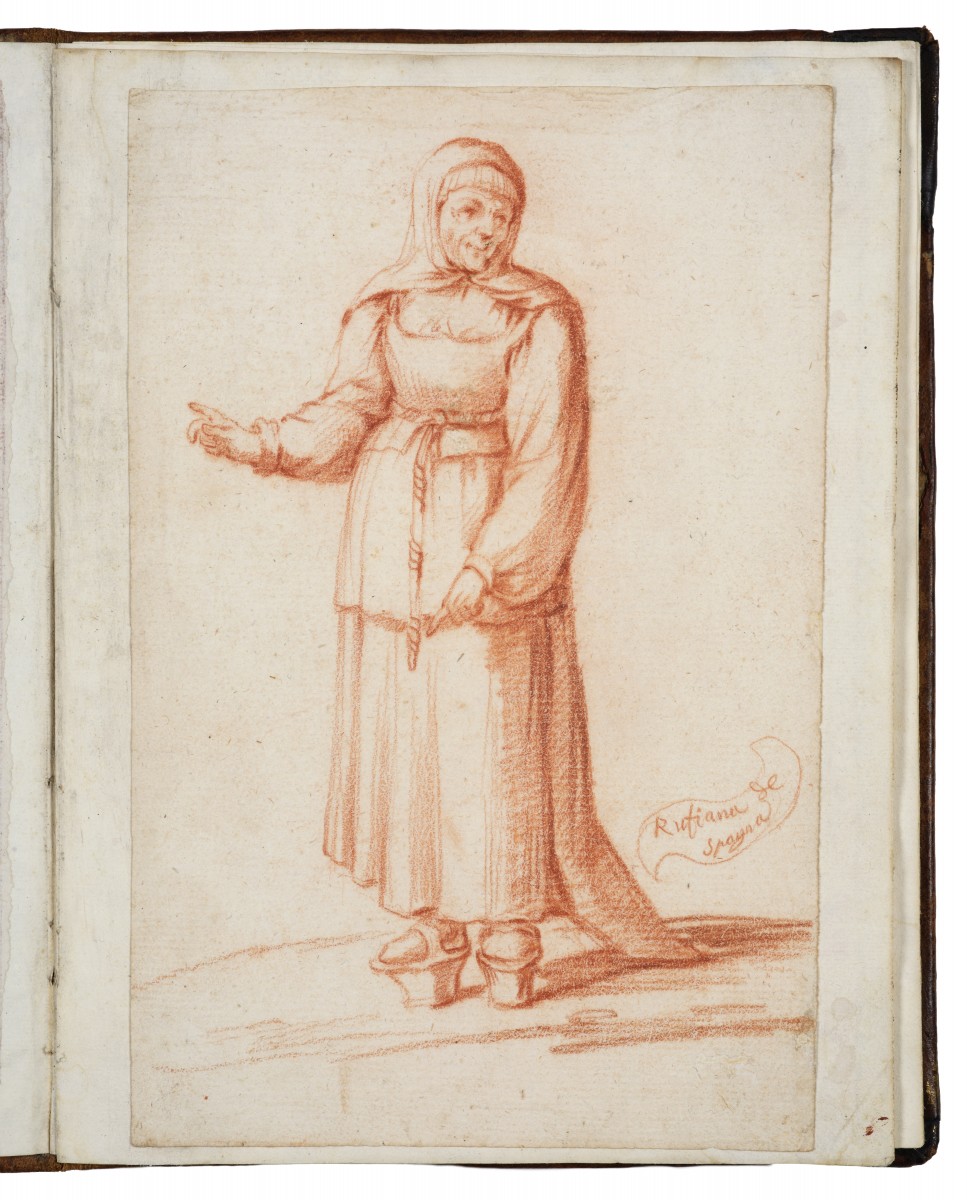
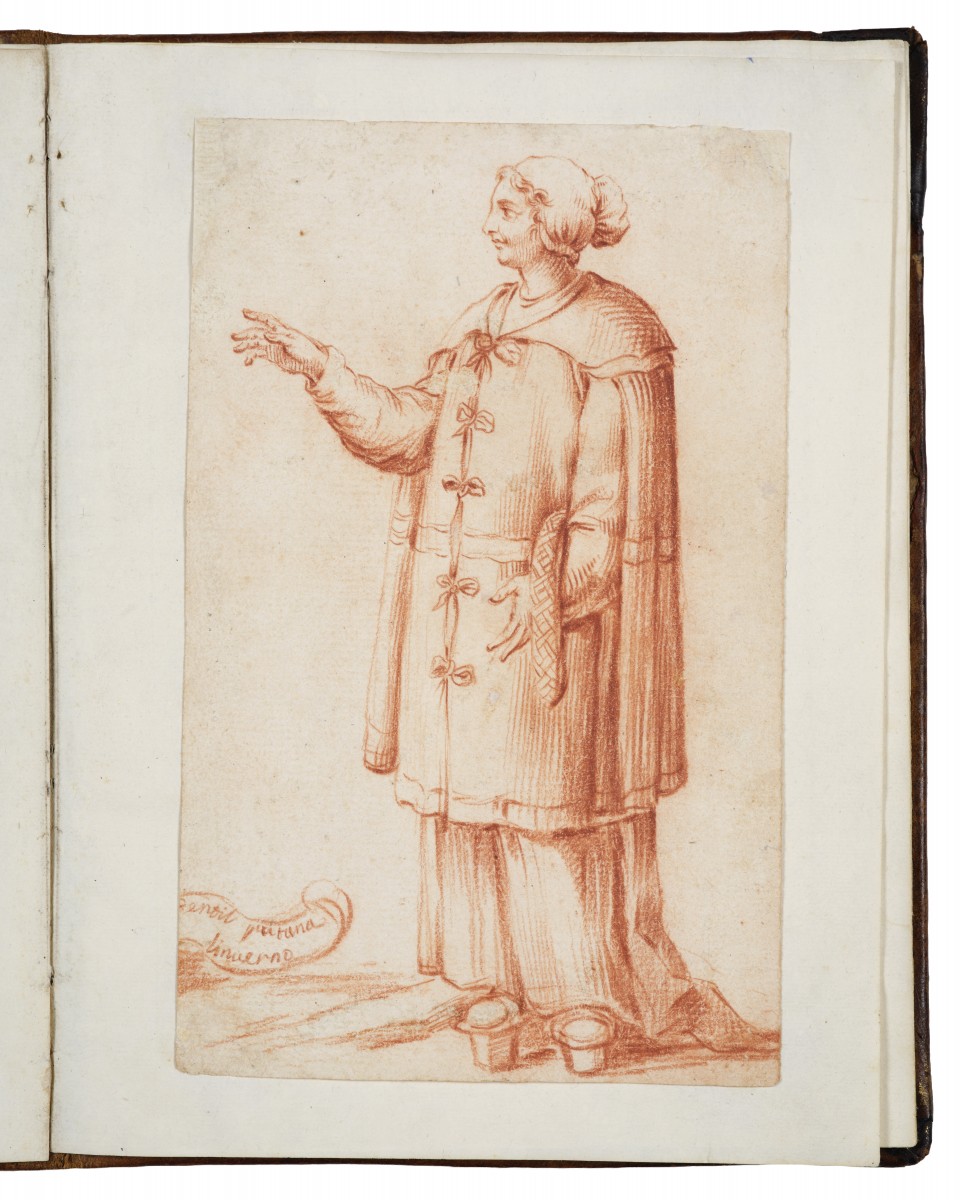
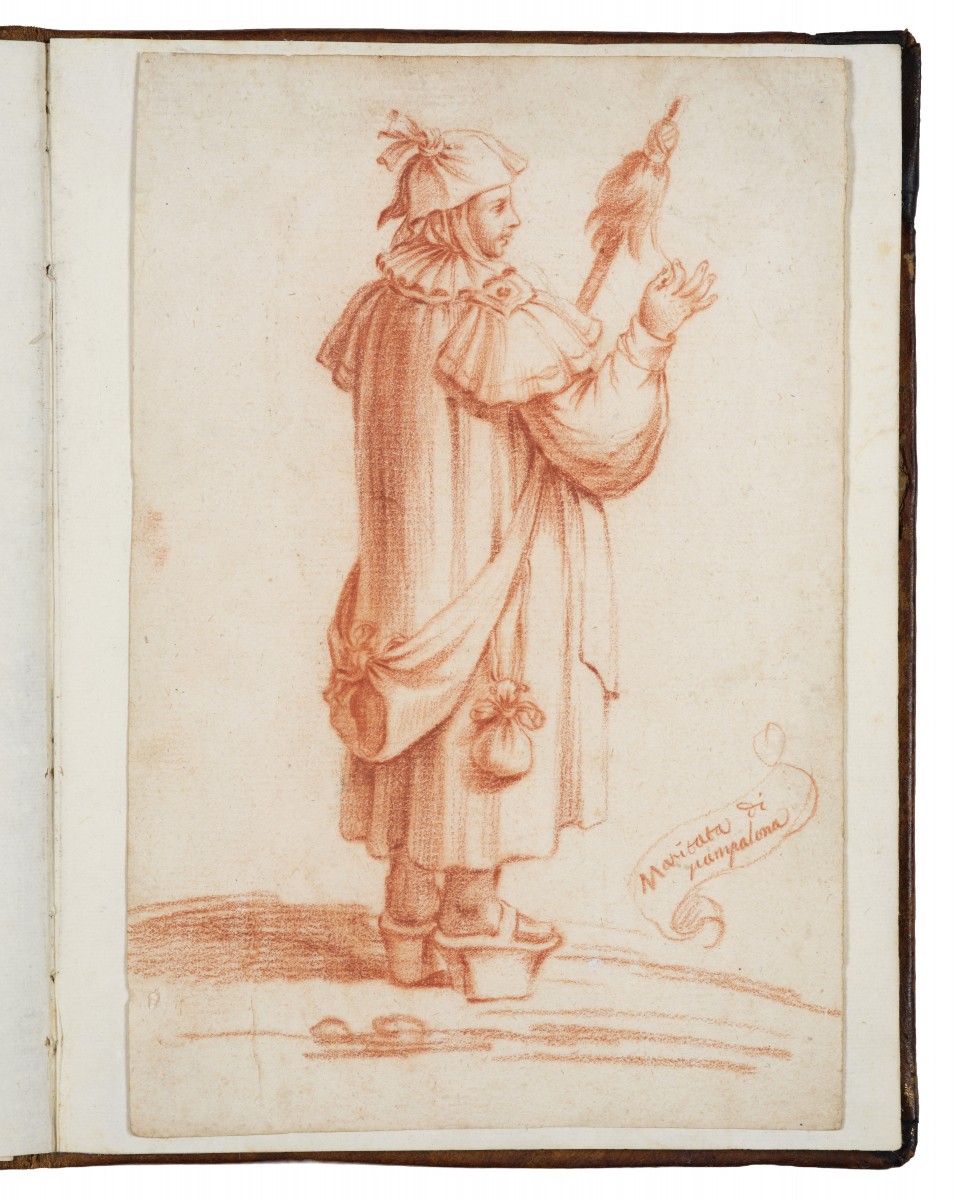

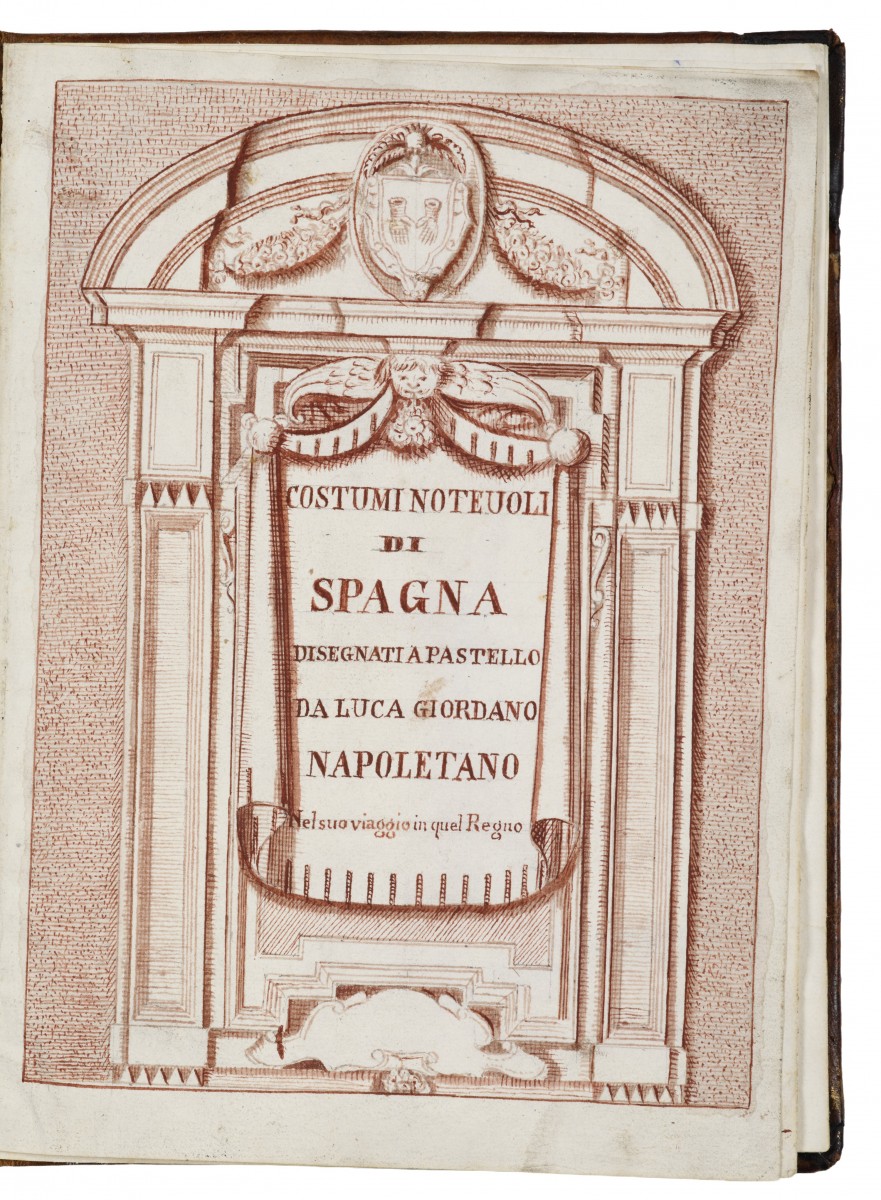
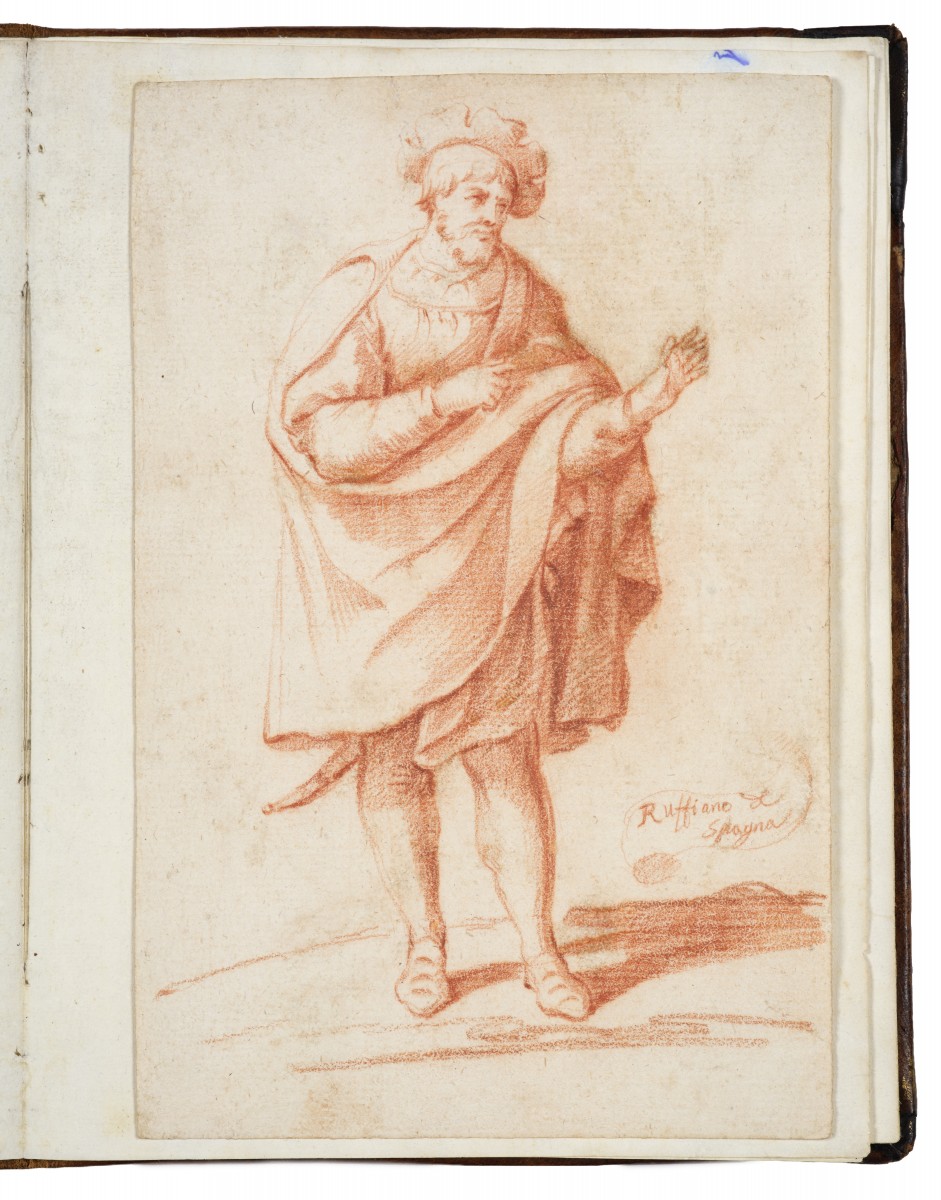
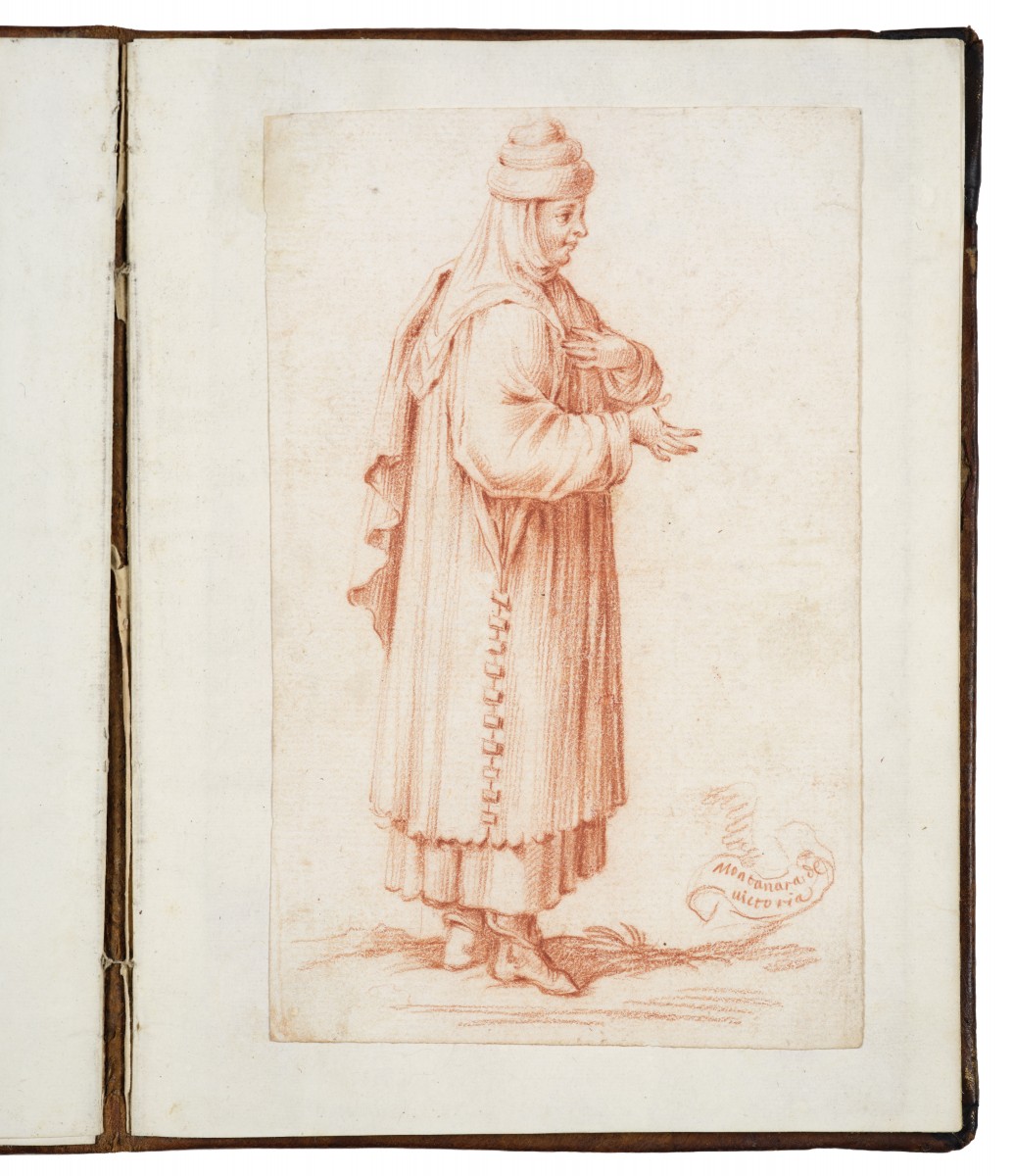
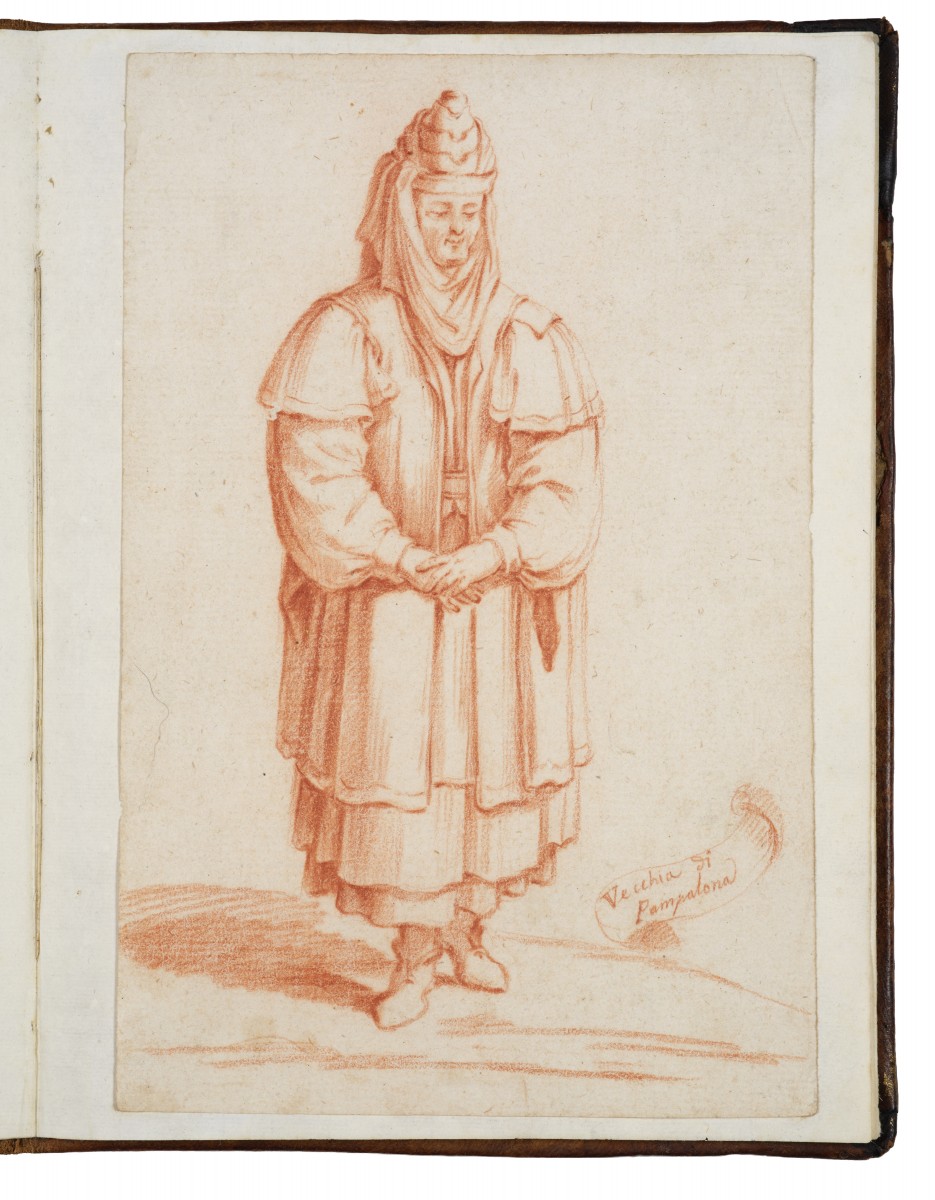
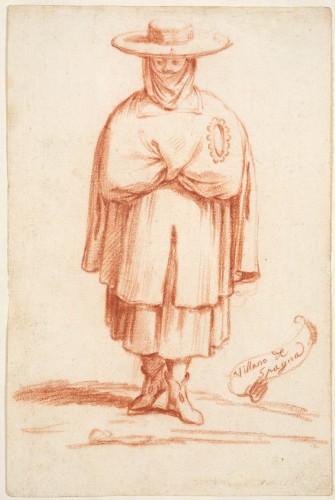
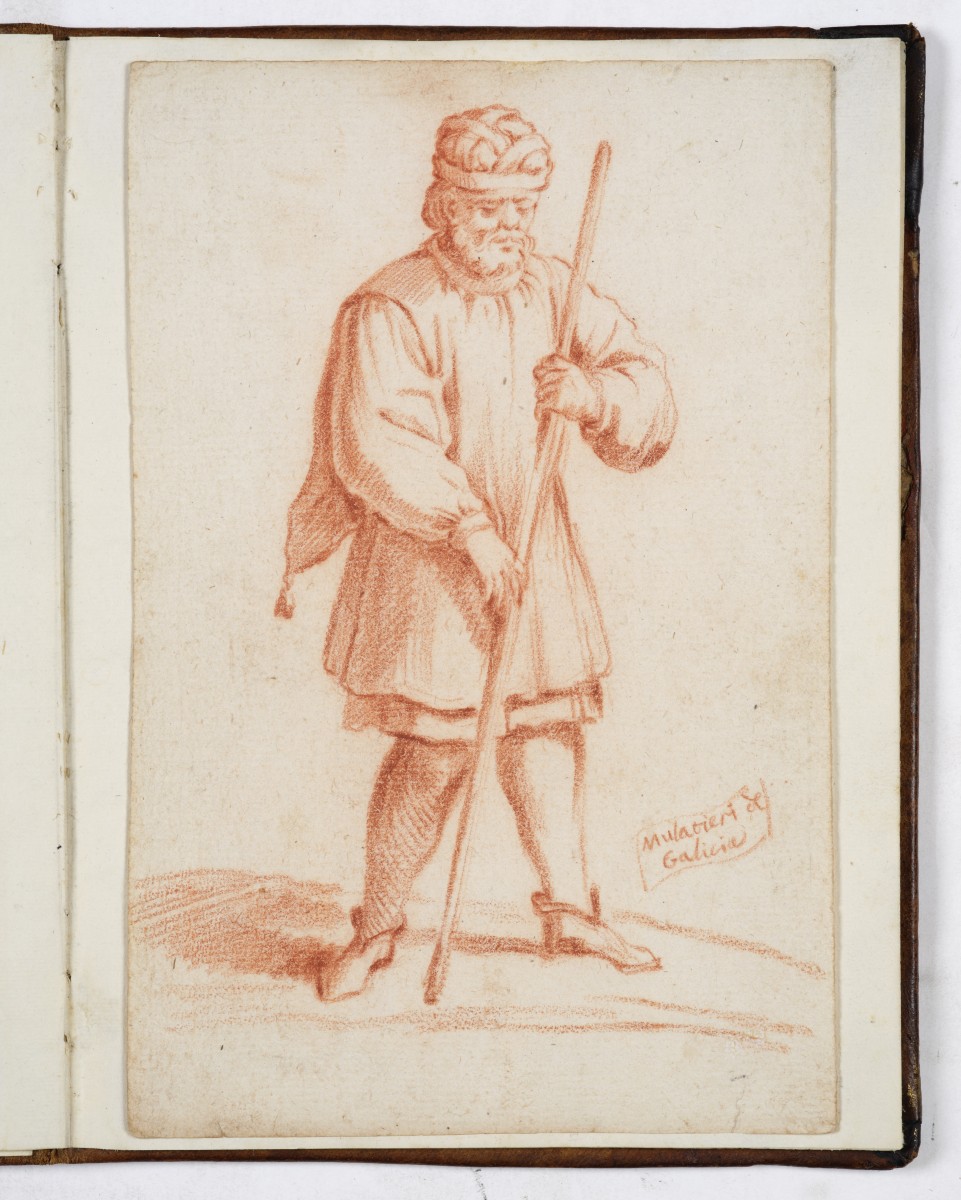
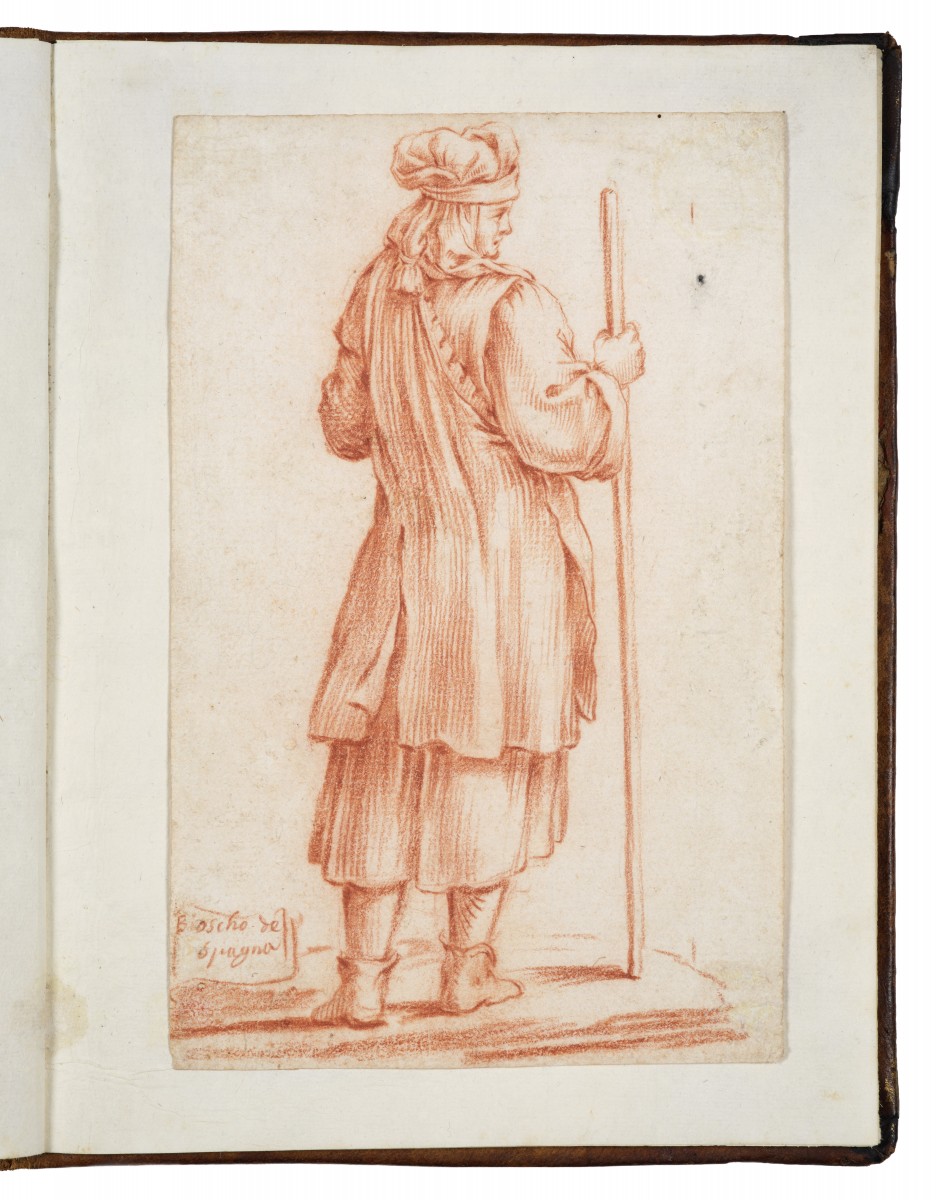
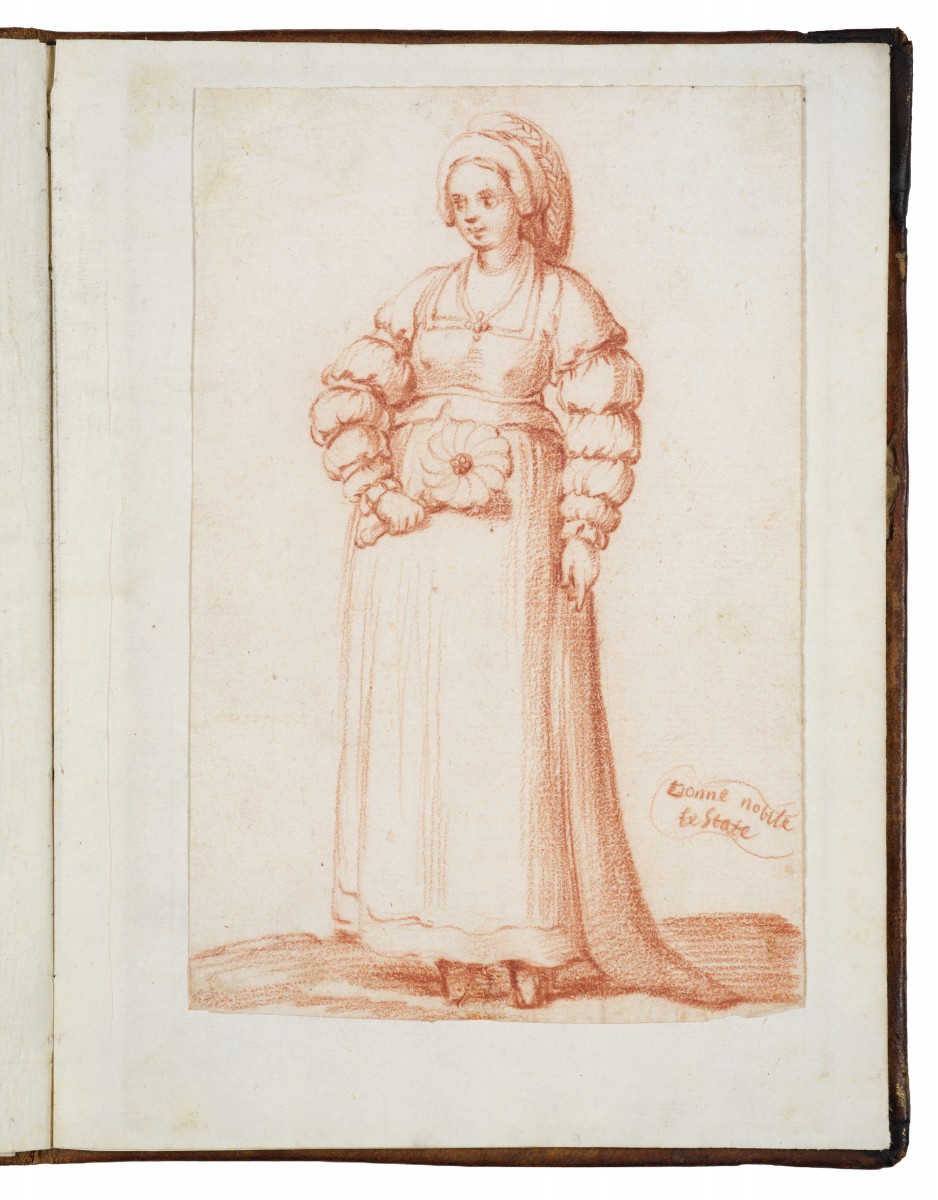
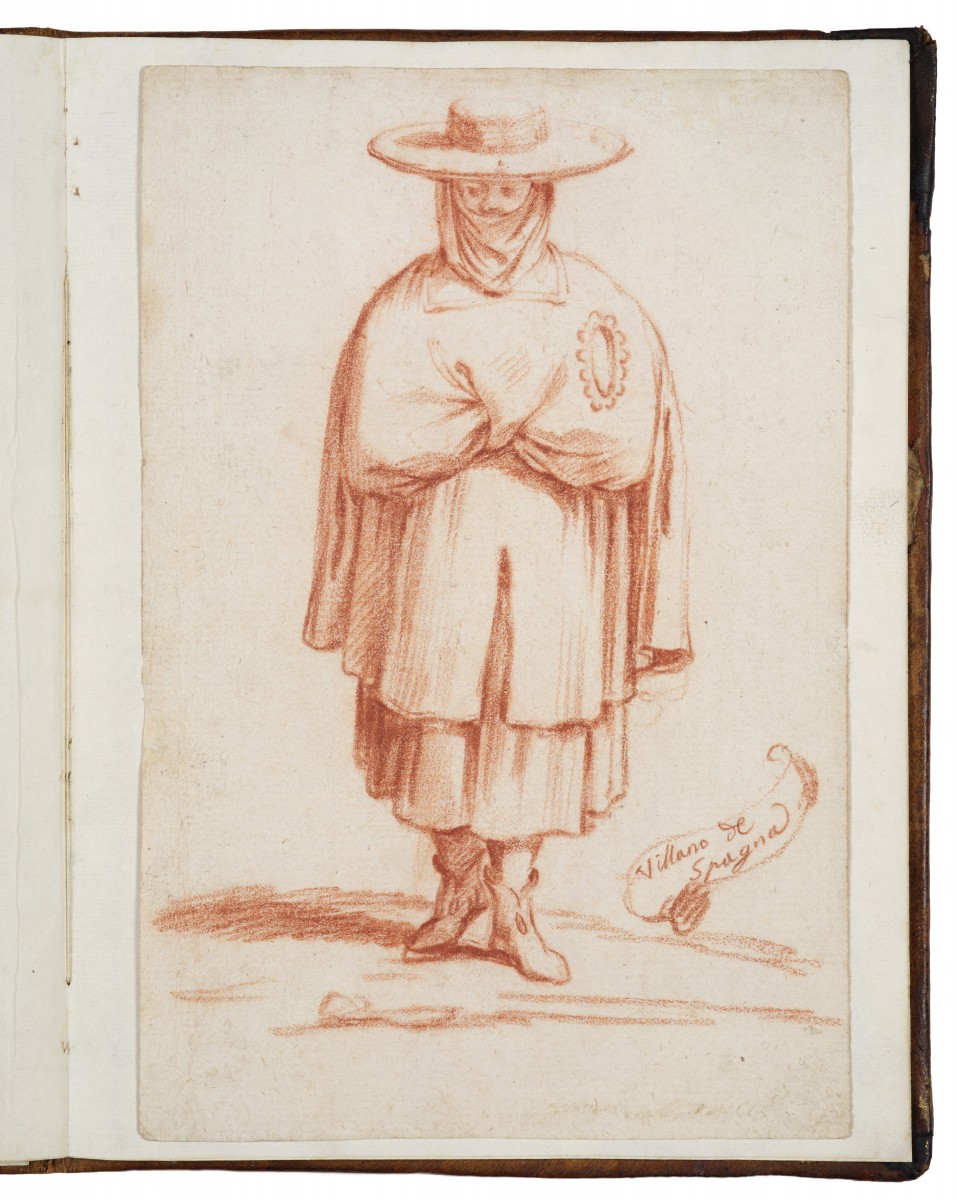
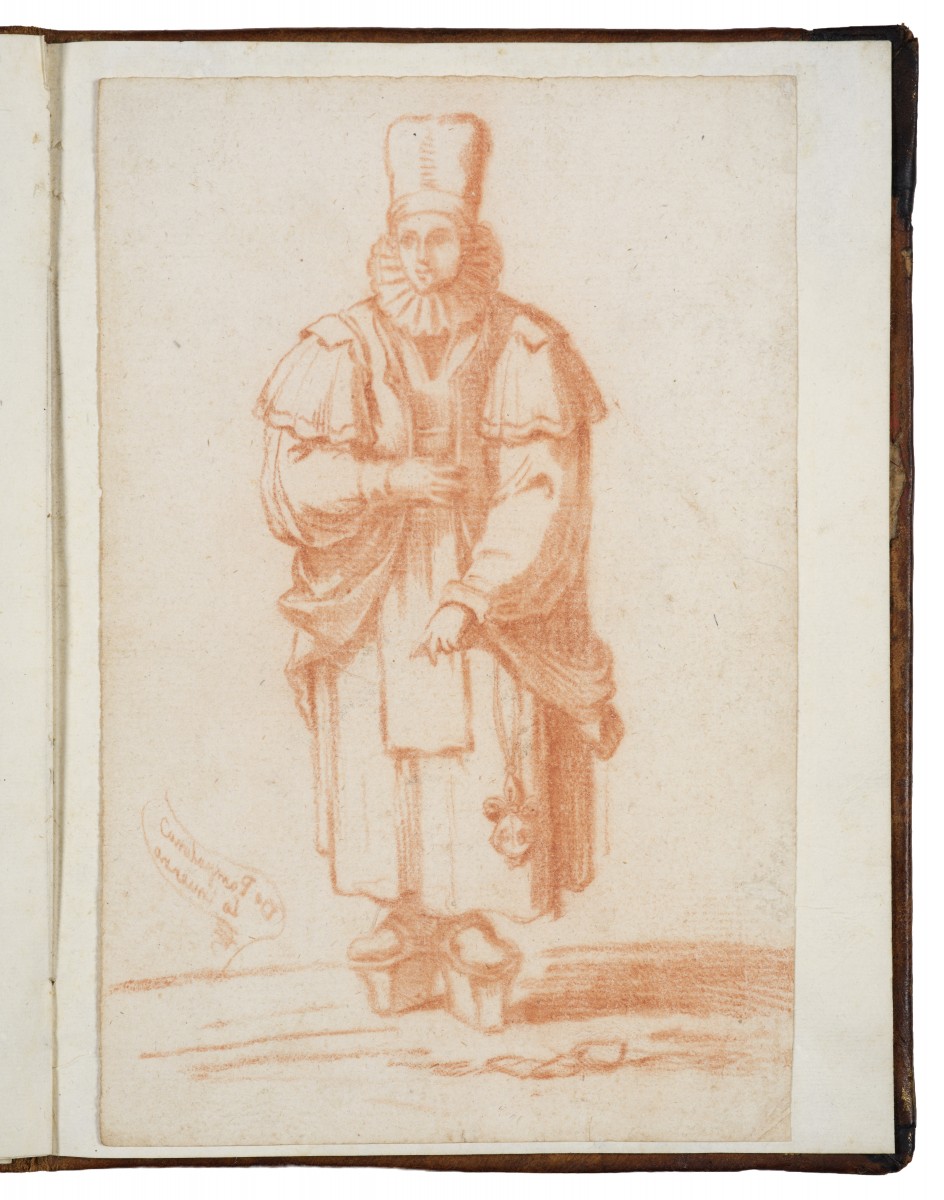
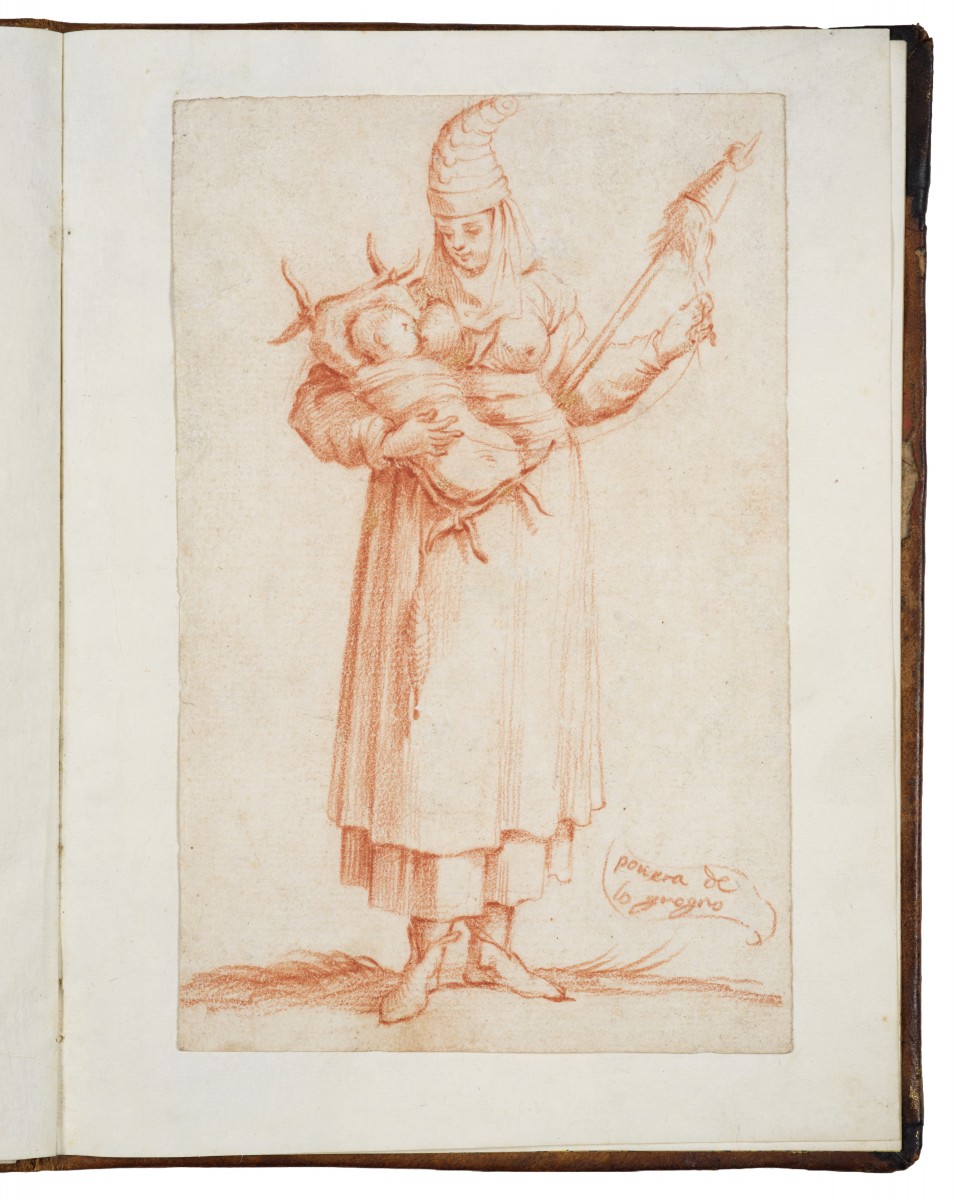
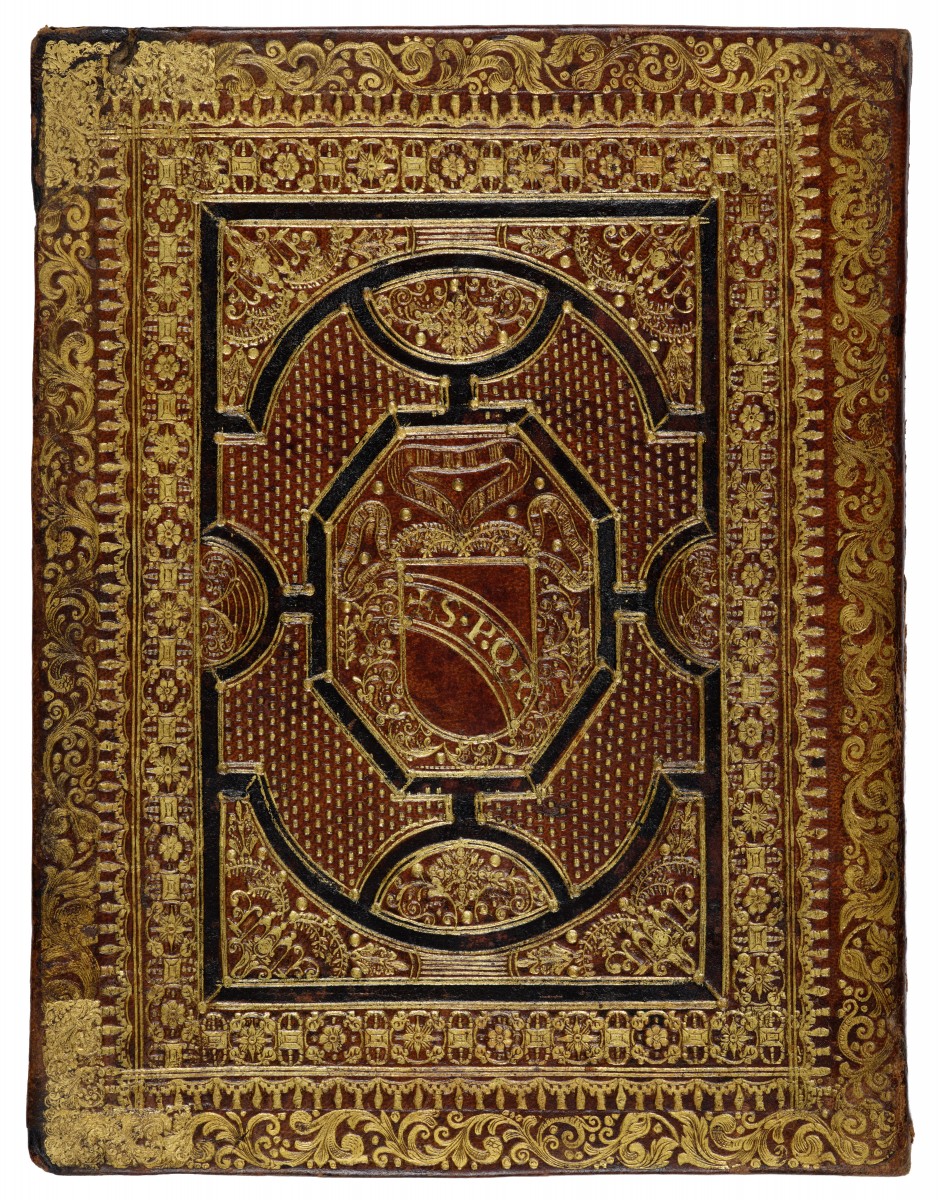
These twelve drawings are preserved in a small book with a Roman morocco leather binding bearing the coat of arms of Ferdinando Carlo Gonzaga (1652–1708), the last Duke of Mantua, and are preceded by a frontispiece (executed in pen and wash by another hand), which attributes them to Luca Giordano.
Dimensions (for each drawing): 21 x 13.5 cm / For the binding: 22.5 x 17 cm
Provenance: Ferdinando Carlo Gonzaga (Carlo III), Duke of Mantua
We believe that this remarkable booklet, dating from the very early 18th century, may have been a diplomatic gift from the Spanish authorities (Naples was then under the rule of the Spanish Crown) to Ferdinando Carlo Gonzaga, the last Duke of Mantua. It is bound in a sumptuous cover bearing the Gonzaga coat of arms, commissioned from a Roman bookbinder, and opens with a frontispiece (written in Italian and likely drawn in Naples) attributing these twelve drawings to Luca Giordano, a prominent Neapolitan artist who resided at the Spanish court between 1692 and 1702.
While this frontispiece suggests that these drawings were created during Luca Giordano’s trip to Spain, it does not mention the true source of inspiration for these drawings: the series of Spanish costumes created around 1550 by Enea Vico, an artist from Parma. Luca Giordano is, moreover, known for the versatility of his style and the ease with which he imitated the styles of other artists. The quality of these drawings, which gracefully and skillfully reinterpret the figures invented by Enea Vico, leads us to propose retaining this traditional attribution to Luca Giordano.
1. Luca Giordano, a versatile artist with an immense body of work
During his lifetime, Luca Giordano enjoyed popularity in both Italy and Spain, which collapsed after his death due to two prejudices that persisted until fairly recently. The first involved associating his surprising speed as a painter with the idea that his work was somehow superficial, an accusation constantly leveled at him by defenders of the neoclassical aesthetic. The second prejudice stemmed from his remarkable ability to imitate the styles of other artists, which led him to be regarded as a mere copyist of famous painters. This series of drawings could, in fact, serve as further evidence of the extent of his work as a copyist.
According to his early biographers, he learned his craft in the circle of artists around Ribera, whose style he imitated in his early works. During a decisive first trip to Rome and Venice, he closely studied Veronese, whose influence is evident throughout his later career. As his style matured, he was also strongly influenced by artists such as Mattia Preti, Rubens, Bernini, and, above all, Pietro da Cortona, from whom he drew his physical types. Toward the end of the 1670s, he began painting large frescoes (Montecassino, 1677–1678, now destroyed; and San Gregorio Armeno, Naples, 1679). Beginning in 1682, he painted the dome of the Corsini Chapel in the Church of Santa Maria del Carmine in Florence, and most notably, the domes of the gallery and library of the Medici Ricardi Palace in the same city. In 1692, he was summoned to Madrid to create the large-scale wall decorations for the Monastery of El Escorial, notably those of the staircase and the vaults of the basilica, where he worked between 1692 and 1694. The first of these projects was his most remarkable work and was closely supervised by King Charles II himself. He followed this with a more modest but equally important project: the monarch’s office and bedroom (now destroyed) at the Royal Palace of Aranjuez. Giordano followed this project with work on the Casón del Buen Retiro (c. 1697), the sacristy of Toledo Cathedral (1798), and the royal chapel of the Alcázar of Madrid (now destroyed), as well as the Church of San Antonio de Padua. The accession of Philip V in 1701 and the outbreak of the Spanish Succession War brought an end to these royal commissions, leading him to return permanently to Naples in 1702. From there, he continued to send countless paintings to Spain. He died in Naples in 1705, leaving behind a considerable body of work and a substantial fortune.
2. Enea Vico’s Spanish Costumes
Our booklet opens with an elegant frontispiece, drawn in pen and ink, featuring the title of the work (Costume notevoli di Spagna disegnati a pastello da Luca Giordano Napoletano nel suo viaggio in quel regno - Remarkable Costumes of Spain drawn in pastel by Luca Giordano the Neapolitan during his journey to that kingdom) within an architectural frame, surmounted by a coat of arms depicting two severed hands.
The text on the frontispiece makes no mention of the actual source of these drawings: a series of 95 prints created by 1550 by Enea Vico, an Italian engraver. This engraver and medalist, born in Parma in 1523, enjoyed great renown during his lifetime. At a very young age, he left his homeland for Rome, where he became a student of Thomas Barlachi, an engraver but, above all, a renowned print dealer with a vast business network. In 1545, Vico left Rome for Ferrara, where he produced religious prints. He was then noticed by Cosimo de’ Medici, who brought him to Florence.
In 1550, he created a portrait of Charles V. The emperor was then 50 years old. He is depicted (drawing inspiration from a portrait painted by Titian), wearing the Order of the Golden Fleece, within an oval set in the center of a Doric architectural pediment, surrounded and surmounted by allegorical figures. Enea Vico personally presented this portrait to the emperor, from whom he received two hundred ecus. We can therefore assume that the date of 1550 marks the artist’s visit to Spain, from which he brought back a large number of drawings. However, we have no precise information regarding his itinerary or the duration of his journey. Upon his return to Italy, Vico settled in Ferrara in 1563, at the court of Alfonso II d’Este, where he died in 1567.
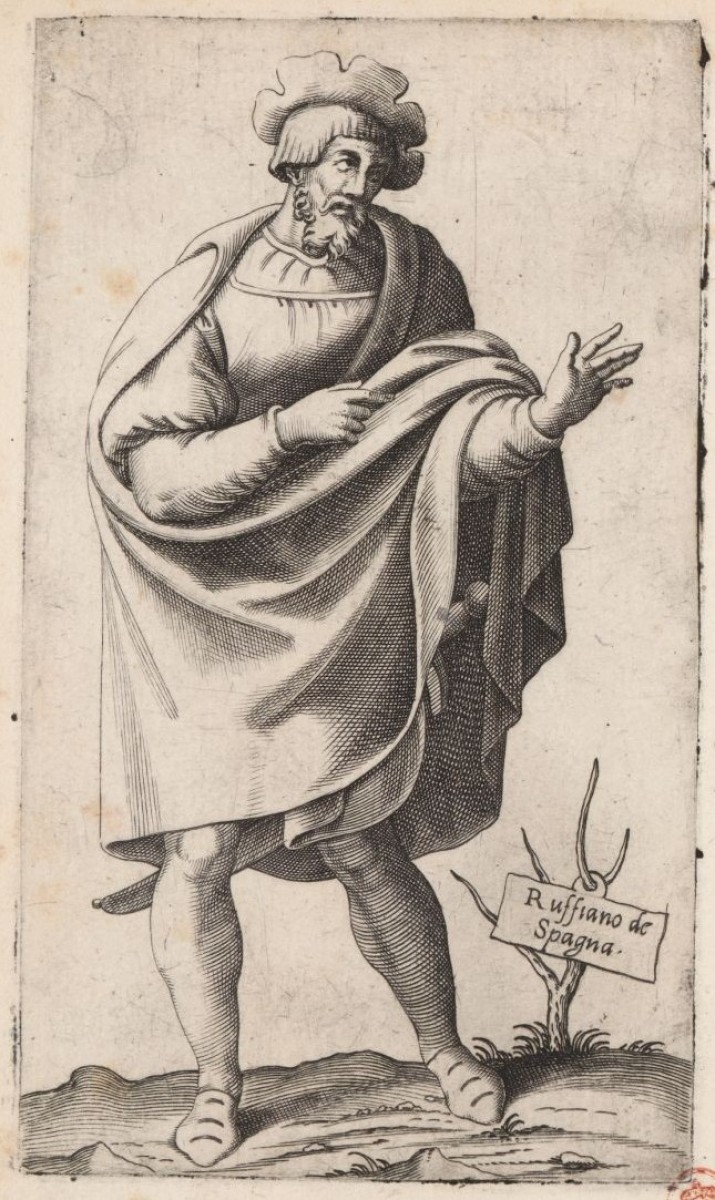
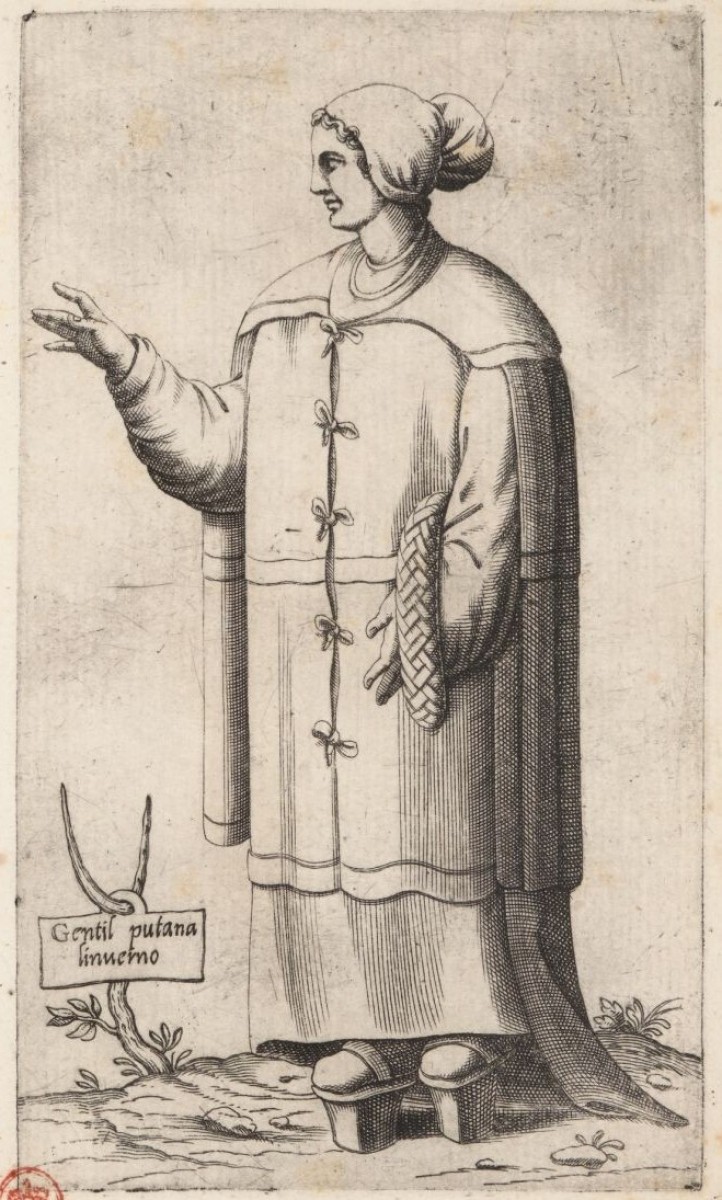
The Print Room of the Bibliothèque Nationale de France holds a remarkable collection of Spanish costumes prints produced after this trip. It is a quarto-sized book, bound in parchment, comprising 95 plates. There is a single figure per plate, with a very strong female majority—76 women versus 19 men—and no depictions of children. The figures are most often depicted from the front or in three-quarter view, sometimes from the back, and, very rarely, in profile. All the prints are nearly the same size. The twelve drawings that make up our collection reflect this overrepresentation of women: we have 8 women and 4 men.
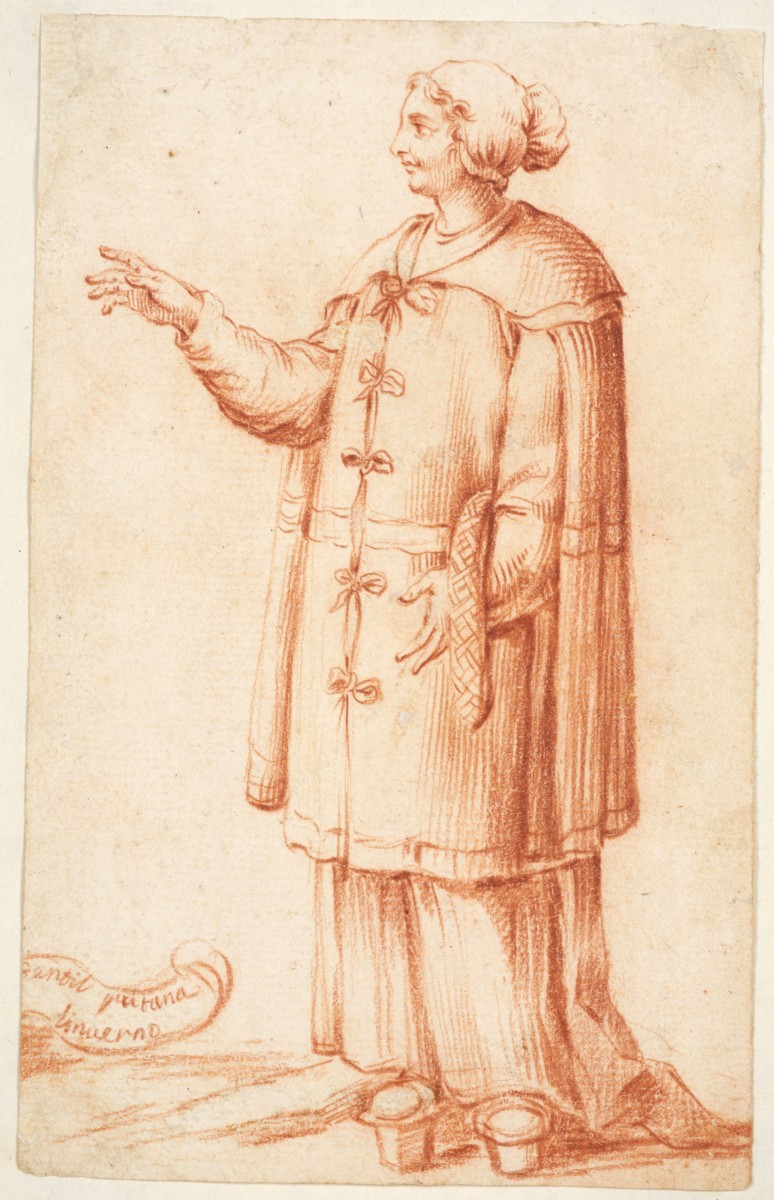
Each of Vico’s plates bears the name of the figure it depicts as well as that of the province or city in question: these two names are written in Italian on a tablet attached to a small, dry tree that looks like a fork. These labels are located at the bottom of the drawing, either on the right or on the left. The artist of our red chalk drawings has also included these details, but by inscribing them on a sort of speech bubble also placed at the feet of each figure.
A comparison between the drawings attributed to Giordano and the prints that inspired them reveals both a high degree of fidelity to these prints in their composition and a certain flexibility in their execution, which makes the figures appear more natural and less rigid than those engraved by Vico, as illustrated by the comparisons presented below between two drawings from our collection and the prints that inspired them.
3. A magnificent Roman binding bearing the Gonzaga coat of arms
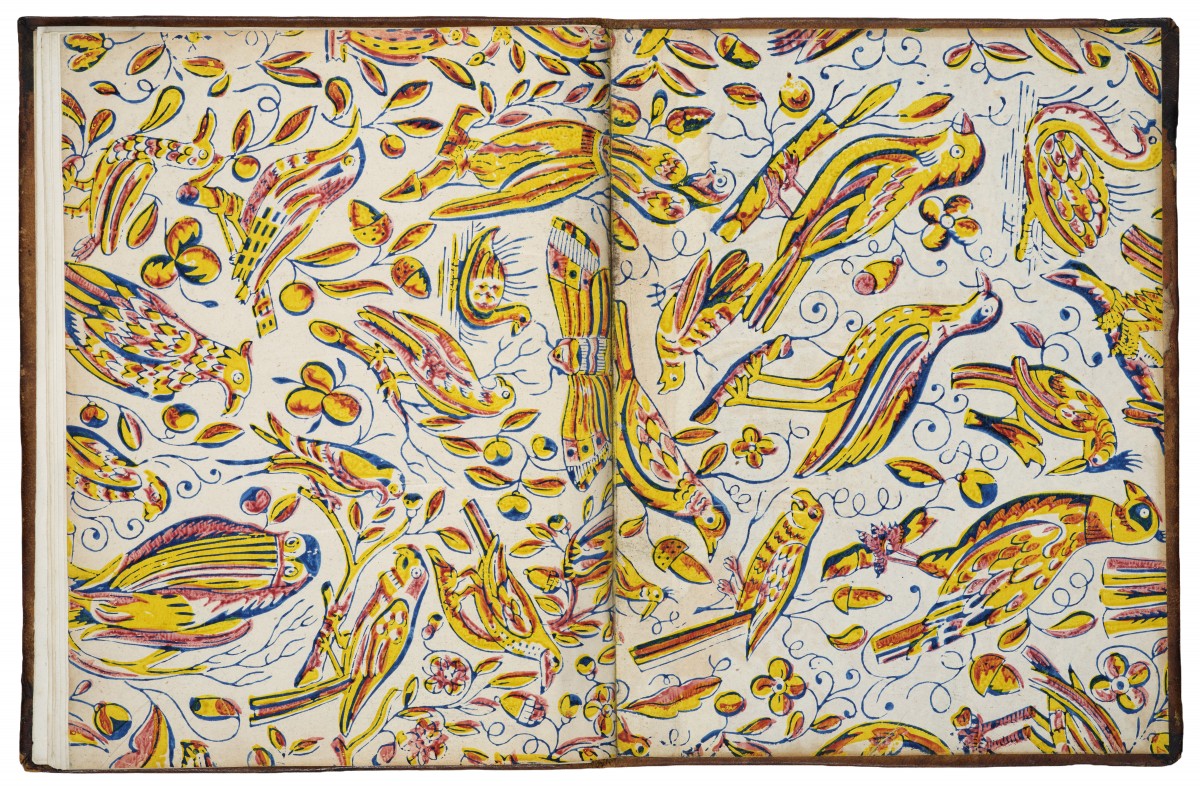
One of the attractions of this collection is that it is presented in an exceptional morocco binding, the upper cover of which is adorned with the Gonzaga coat of arms, while the lower cover bears the motto of the city of Rome, “SPQR” . The British Library in London holds a very similar binding, dated around 1670–1676.
The probable date of manufacture of this binding, during the last quarter of the 17th century, allows us to attribute these arms to Charles III Ferdinand of Gonzaga (in Italian, Ferdinando Carlo Gonzaga). A member of the House of Gonzaga-Nevers, born on August 31, 1652, in Revere and died on July 5, 1708, in Padua, he was the tenth and last Duke of Mantua (Lombardy), the eighth Duke of Montferrat, and the third Prince of Arches (Ardennes). Charles Ferdinand was the only son of Charles II of Mantua and Isabella-Claire of Tyrol. He was 13 years old when he succeeded his father in 1665. His mother, Isabella, served as regent until 1670, the year Charles Ferdinand turned 18. Although he was married twice, he had no legitimate child, and his alignment with the French side in 1701 during the Spanish Succession War hastened his downfall: he lost Montferrat in 1706, and on June 30, 1708, on charges of treason, the emperor confiscated the Duchy of Mantua from him and stripped him of his title as Prince of the Holy Roman Empire. He died six days after being deposed, on July 5, 1708, at the age of 55.
The frontispiece, which we believe with near certainty was commissioned specifically for these drawings—most likely in Naples (then a Spanish possession)—leads us to believe that this booklet may have been a diplomatic gift presented to the Duke of Mantua by the Spanish authorities, who would have commissioned this prestigious binding from a Roman bookbinder.
Delevery information :
The prices indicated are the prices for purchases at the gallery.
Depending on the price of the object, its size and the location of the buyer we are able to offer the best transport solution which will be invoiced separately and carried out under the buyer's responsibility.