Offered by Thienpont Fine Art
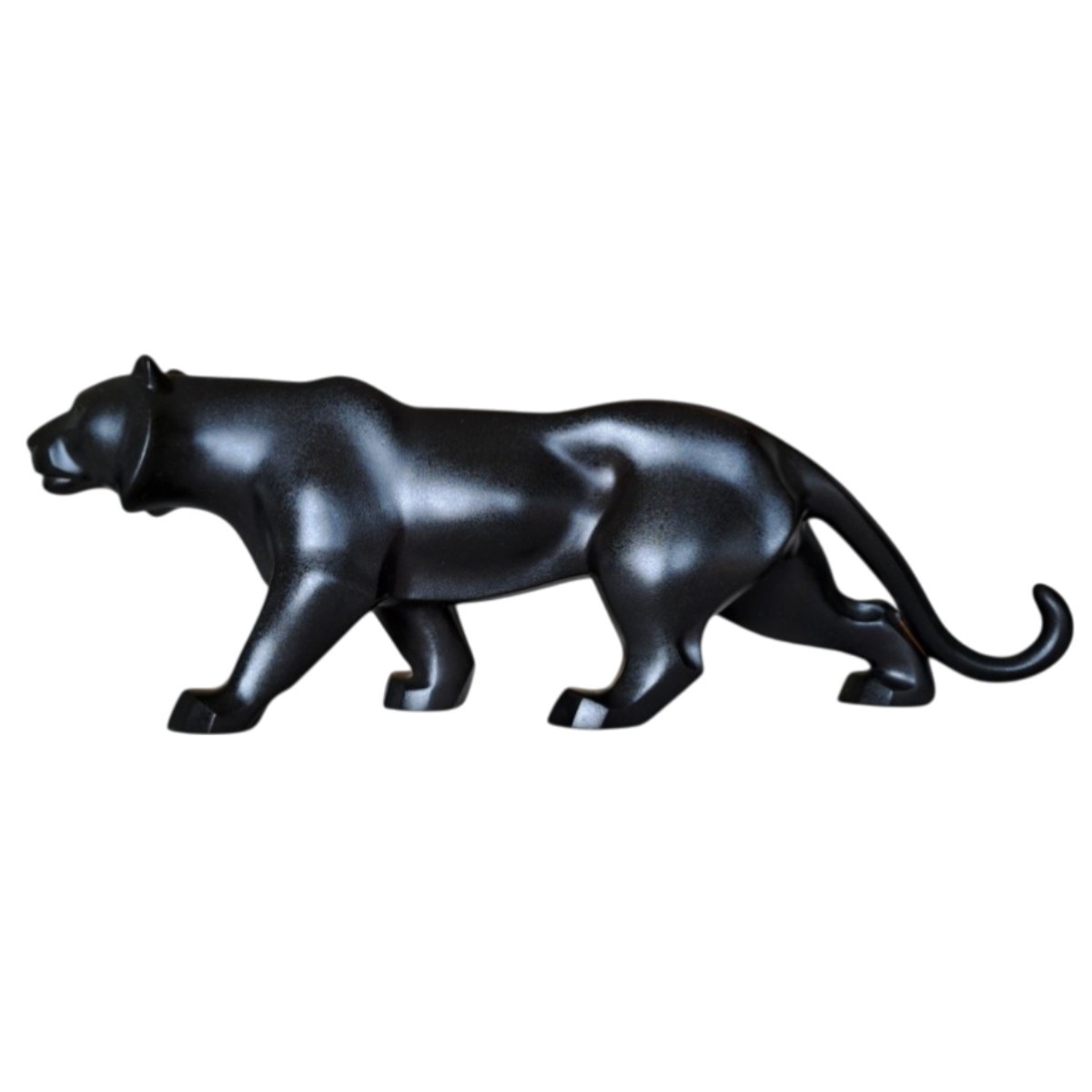
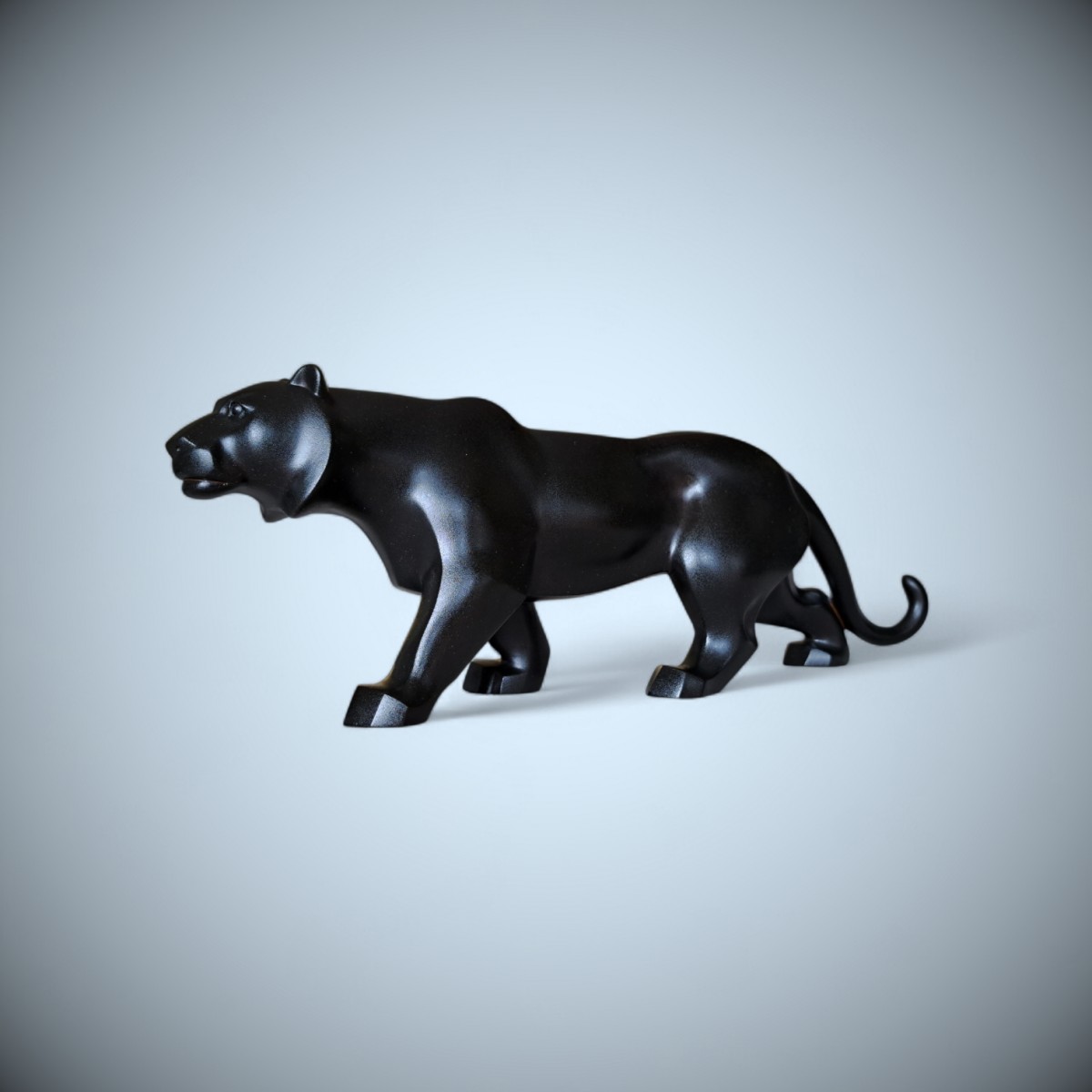
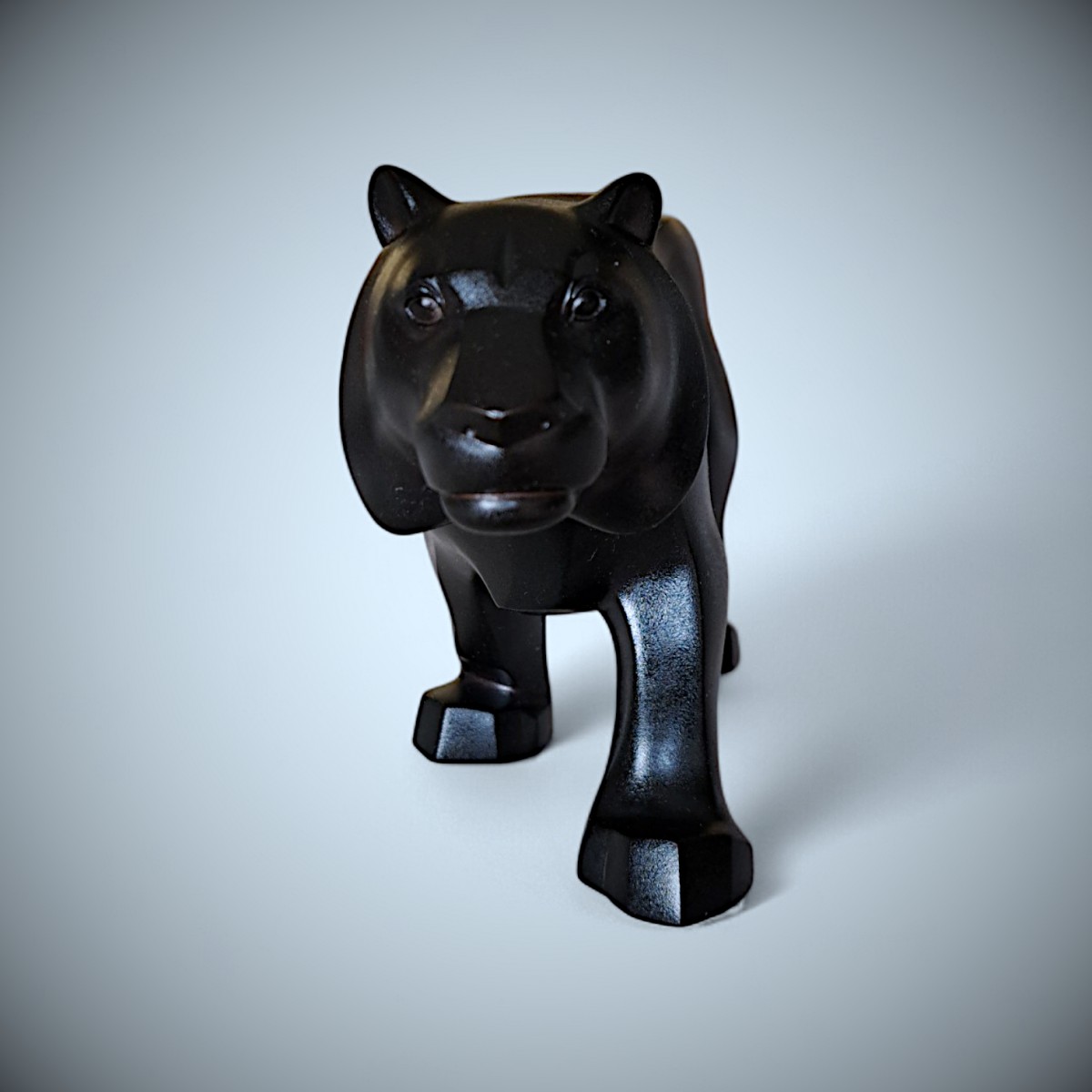
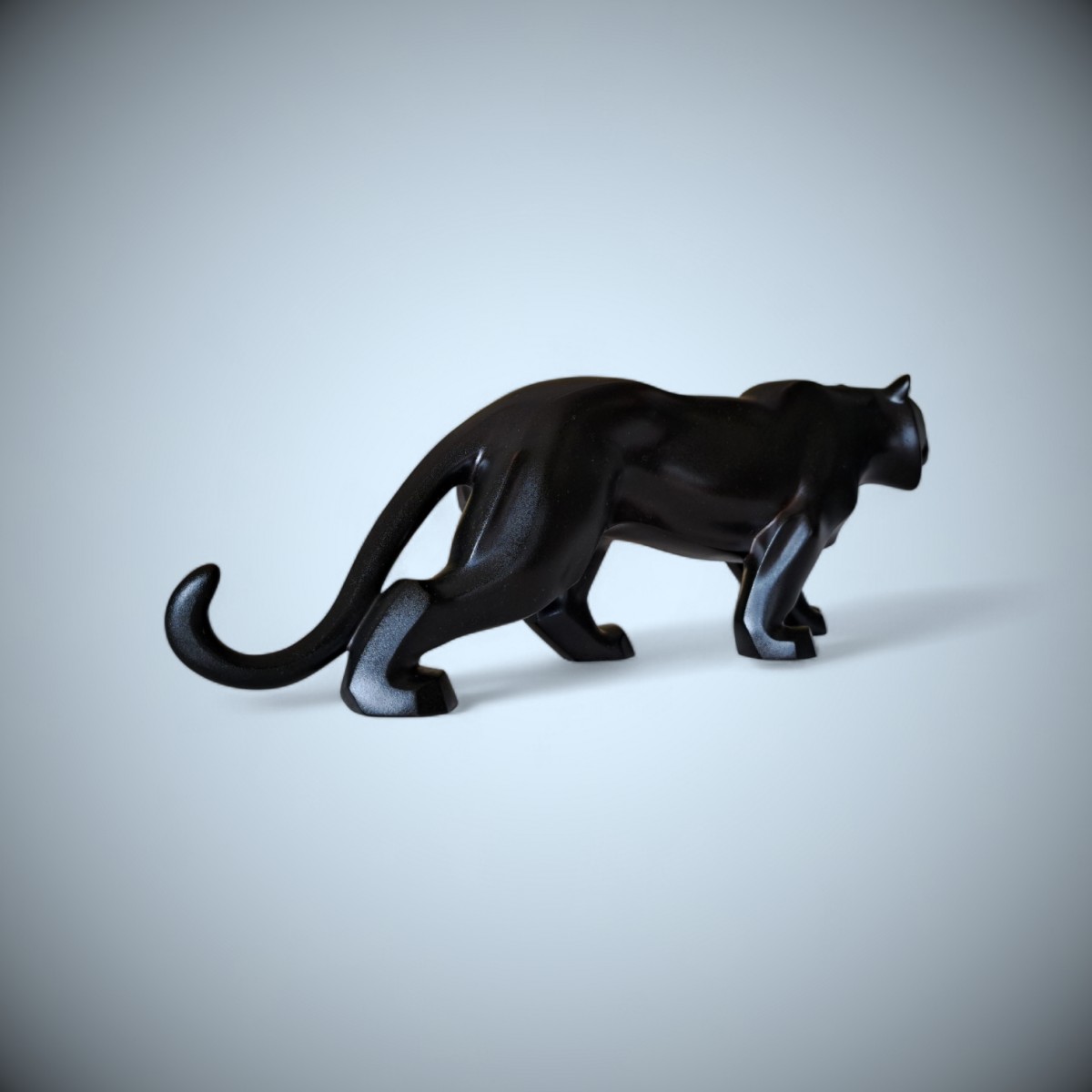
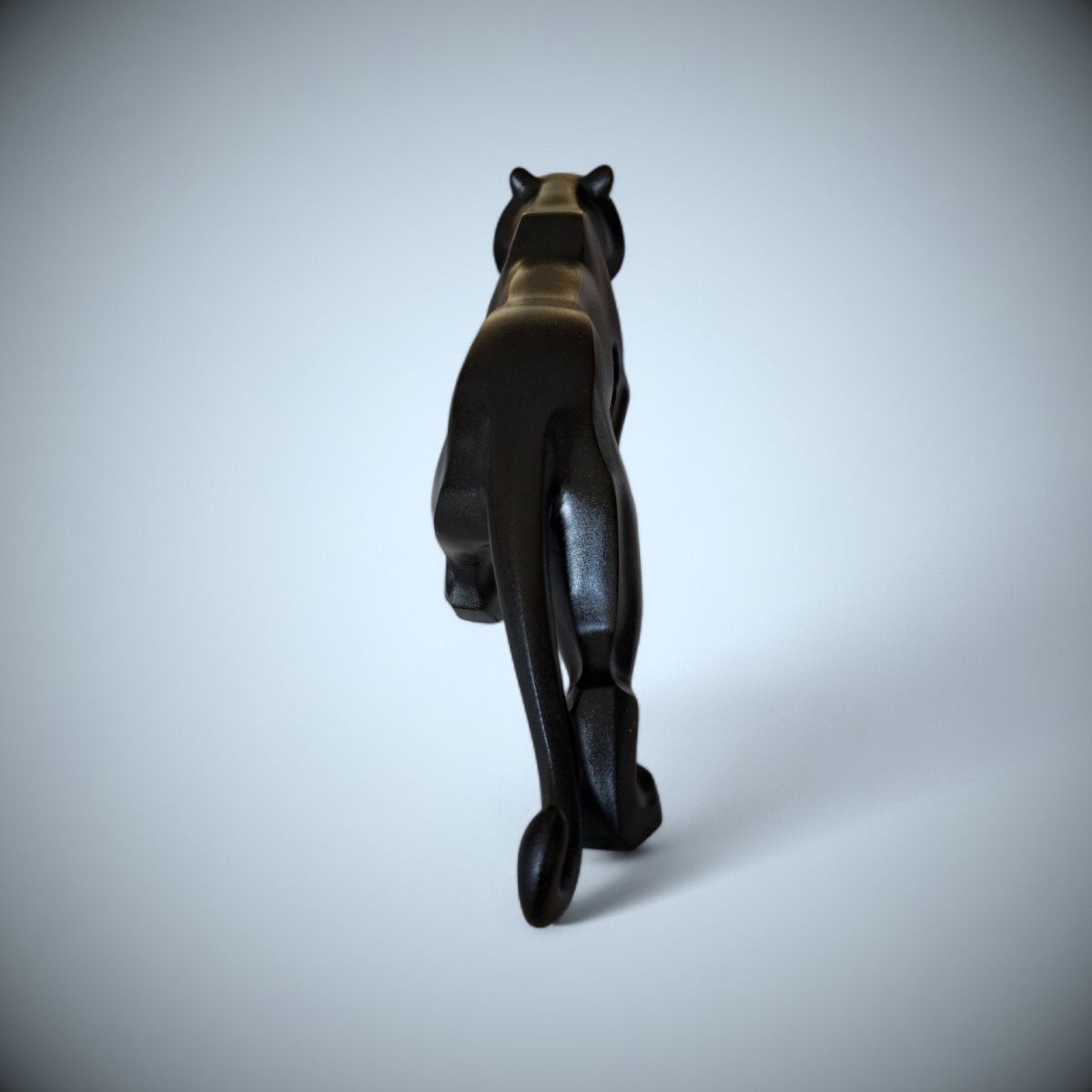

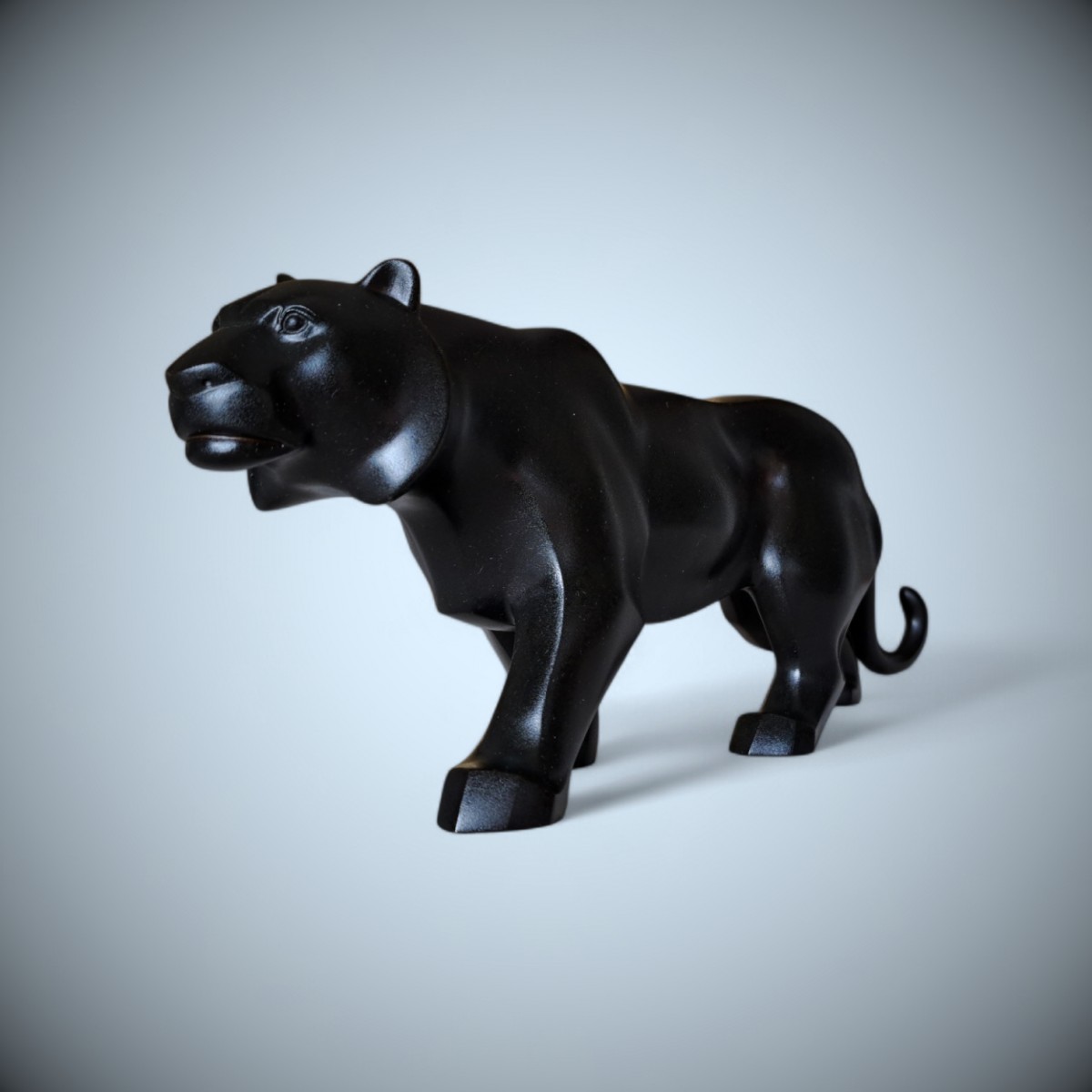
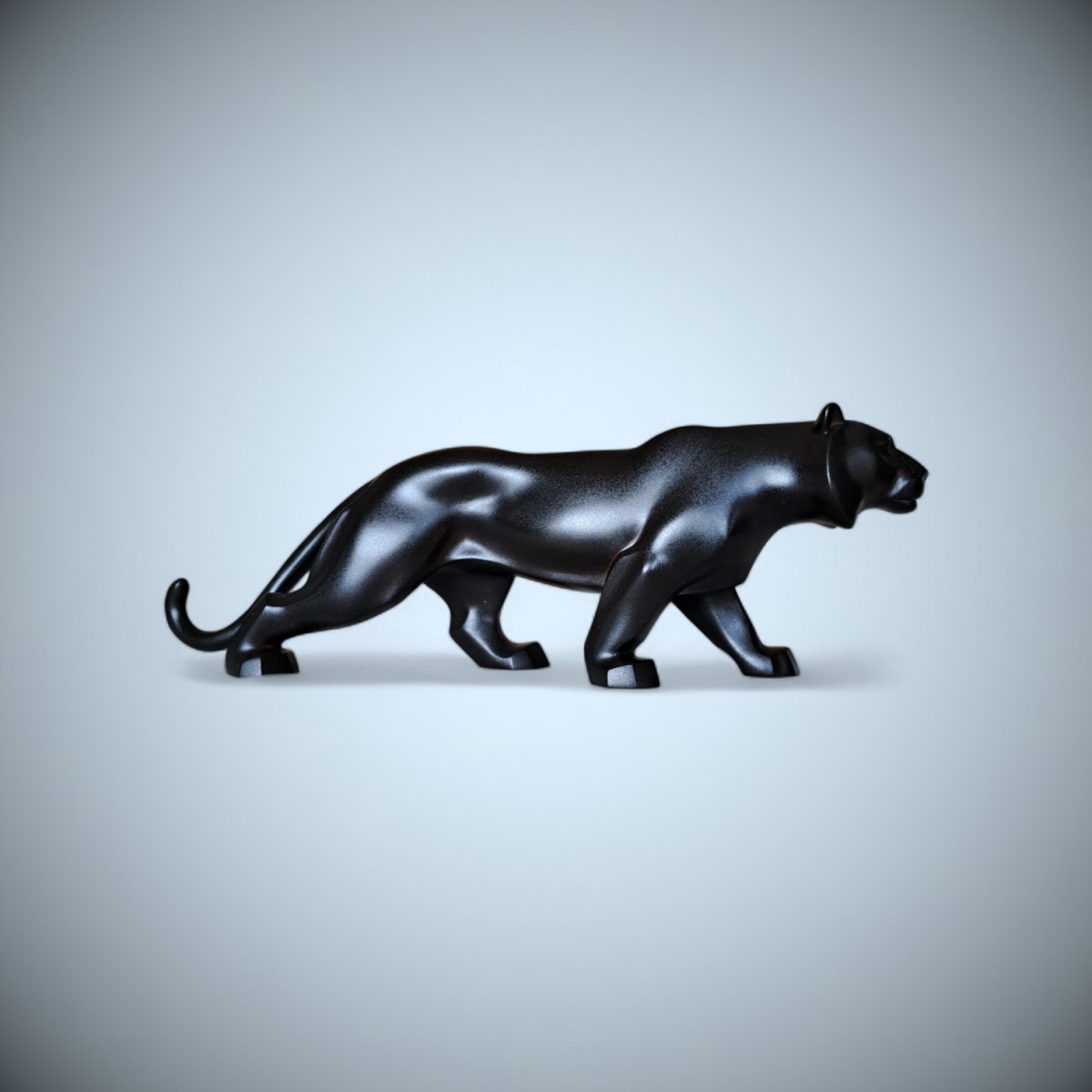
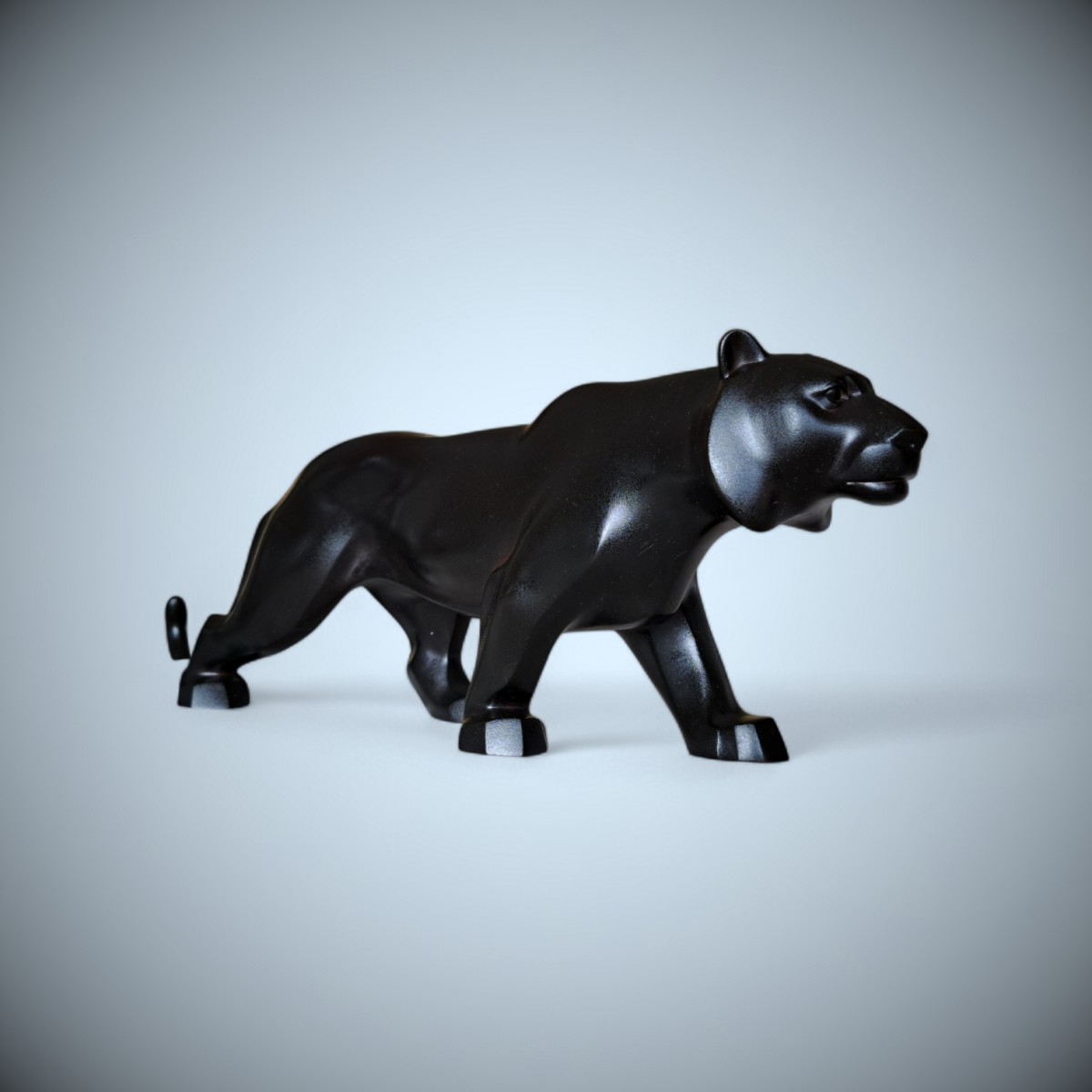
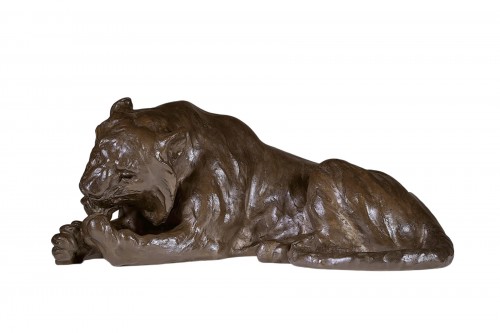
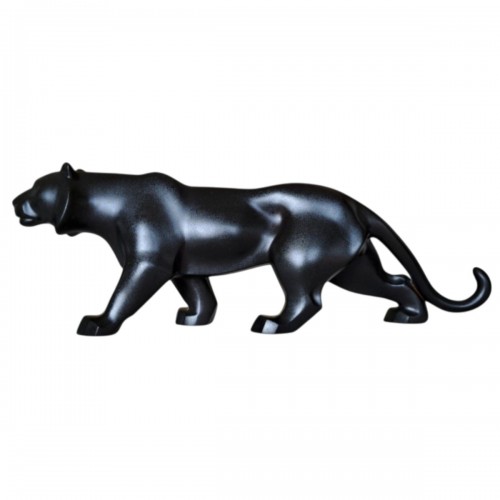
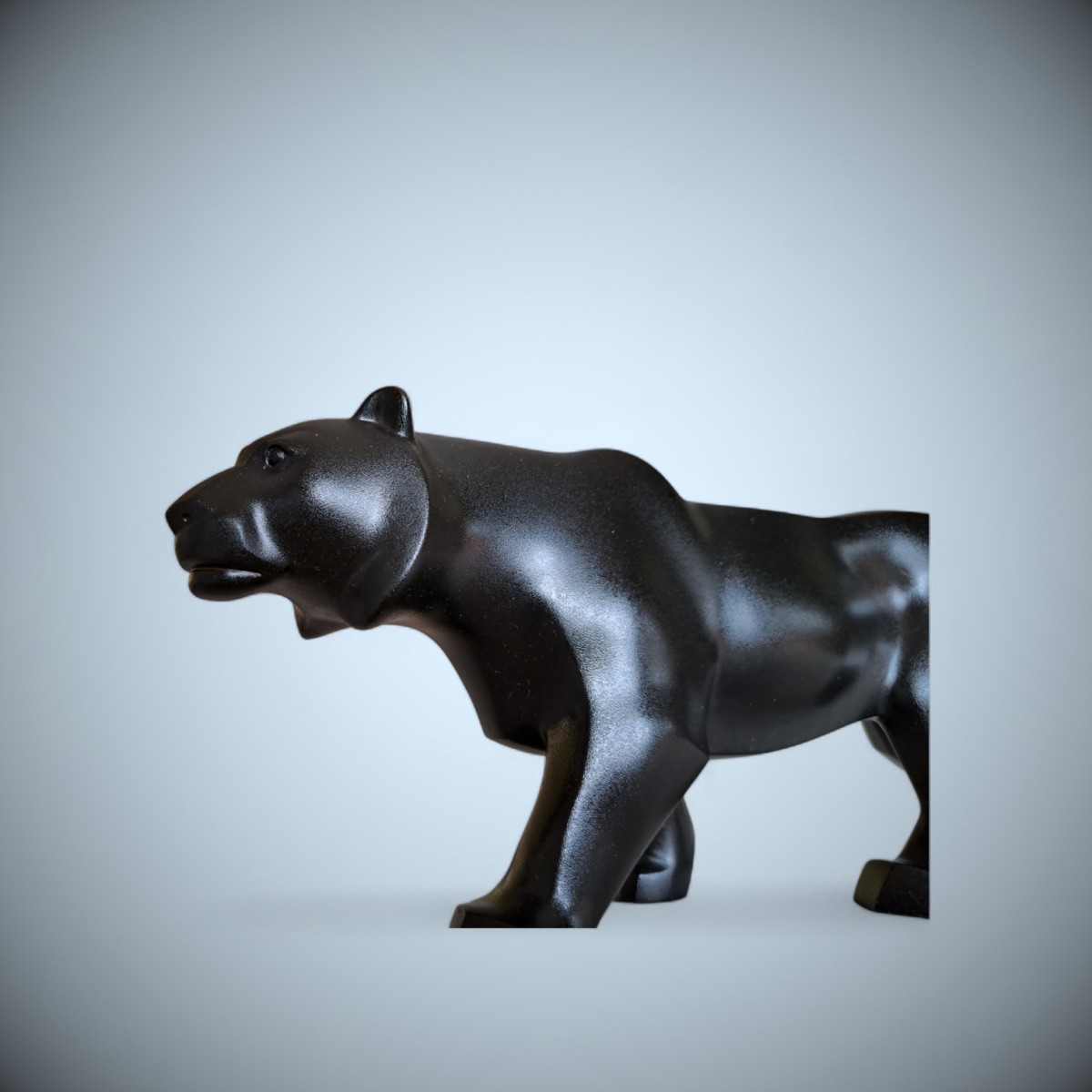
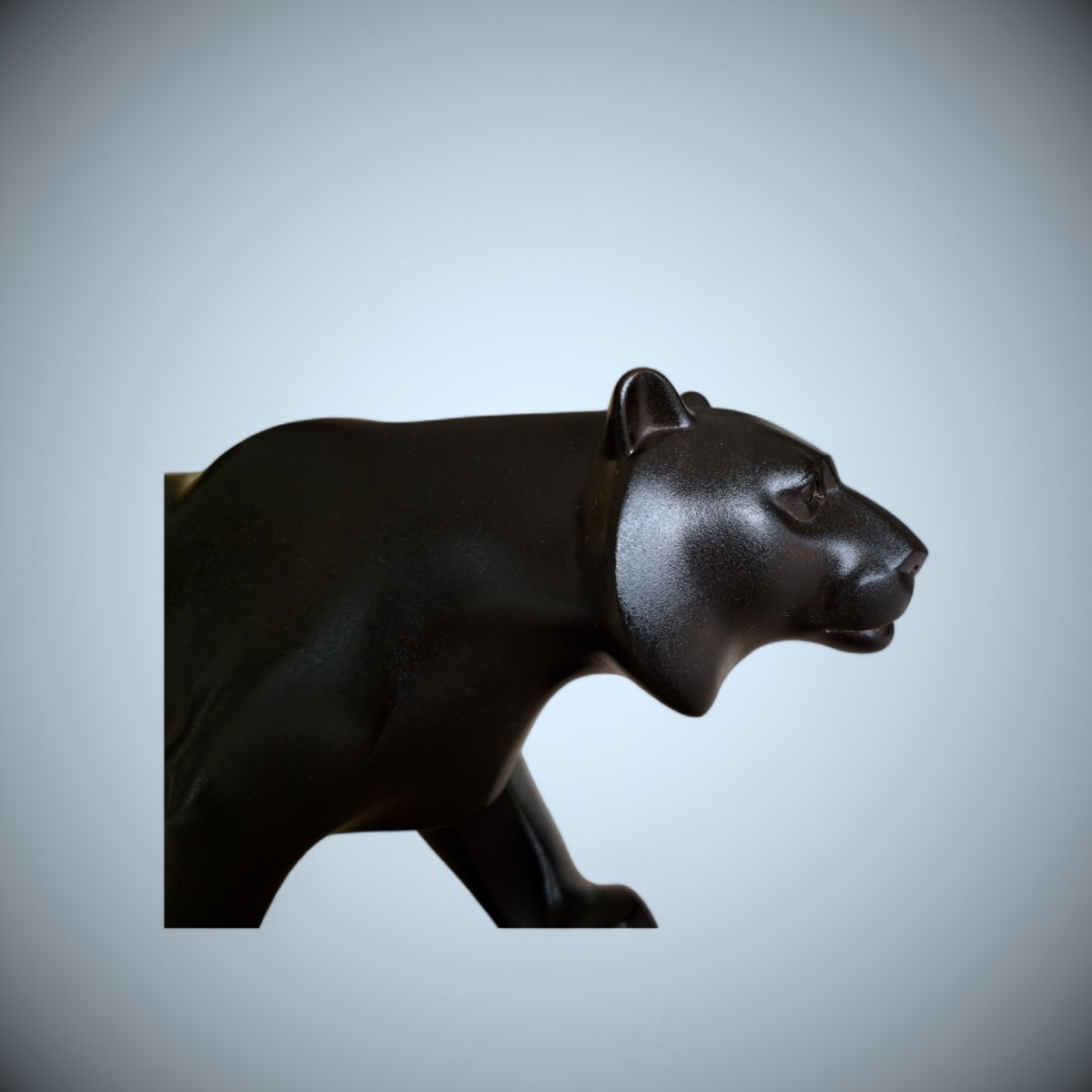
This striking bronze tiger is the work of Kabuki Hideaki, one of the most refined representatives of modern Japanese bronze casting from the early Sh?wa era. Created around 1930, the sculpture embodies the powerful synthesis of traditional Japanese metalwork and the clean aesthetics of international Art Deco.
Hideaki received his initial training in Odawara, in the historic Sagami (S?sh?) province, where he studied under the master Yoshihama Shuaki. This formative apprenticeship instilled in him the technical rigor of traditional Japanese foundry techniques: precise modeling, controlled casting, and subtle patination—skills that would underpin his later artistic achievements.
His talent was quickly recognized in the highly competitive world of Japanese exhibitions. In 1924, he won an award at the Tokyo Foundry Association Exhibition, followed by a remarkable string of accolades: a gold medal at the Aomori Prefectural Industrial Fair in 1925, another gold medal at the Yokohama Municipal Industrial Fair in 1926, and first prize at the Tokyo Arts and Crafts Exhibition in 1929. Other honors included a bronze medal at the Foundry Association Exhibition in 1930, participation in the Trade Promotion Association Exhibition in 1935, where he received a certificate of merit, and later participation in the Bunten Exhibition in 1940, the most prestigious art exhibition sponsored by the Japanese government. These distinctions attest to the high esteem in which his craftsmanship and artistic sensibility were held.
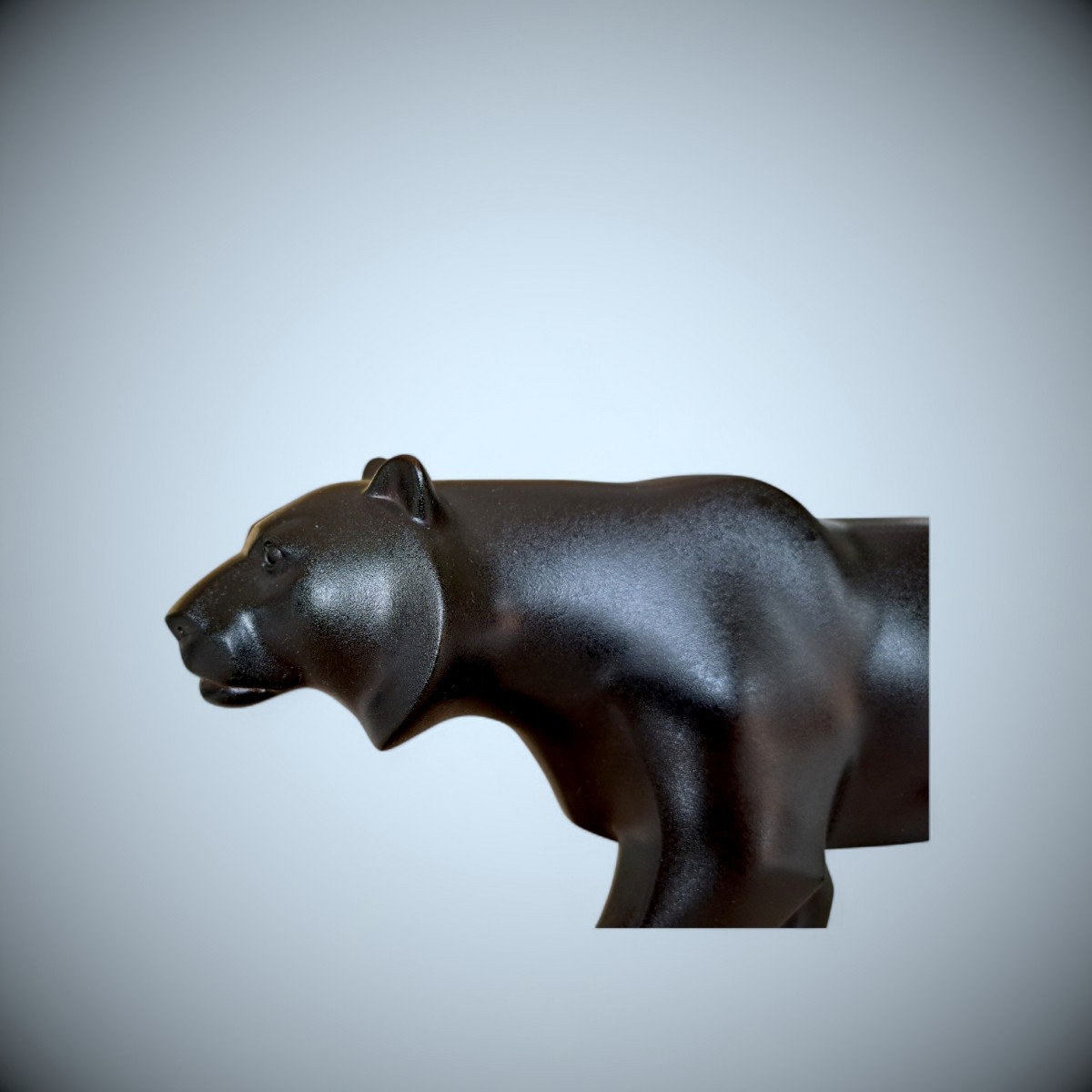
The tiger presented here perfectly illustrates Hideaki's mature style. The animal is rendered with a remarkable sense of concentrated energy and striking sculptural clarity. The elongated body moves forward with a slow, deliberate gait, its musculature simplified into fluid, harmonious planes that emphasize rhythm and movement rather than precise anatomical detail. This treatment reflects the influence of Art Deco, where form is distilled into elegant silhouettes and powerful volumes. The surface is covered with a deep, lustrous patina that accentuates the play of light on the tiger's shoulders and hips, subtly revealing the musculature beneath its smooth skin. The elegantly curled tail and slightly open jaws infuse the figure with an alert vitality, transforming it into a serene embodiment of latent strength.
In Japanese symbolism, the tiger represents courage, authority, and protective power—qualities that resonate strongly with the sculpture's dynamic presence. At the same time, the refined stylization situates the work within the cosmopolitan artistic currents of the early 20th century, a period when Japanese artists were actively engaged with international modernist design.
Combining technical mastery with modern elegance, this bronze tiger is a remarkable example of sophisticated animal sculpture produced in Japan during the early Sh?wa era—a time when centuries-old metallurgical traditions met the bold geometry of modern design.
Delevery information :
Delivery is at buyer's expense. Estimate will be given.