Offered by Thienpont Fine Art
REQUEST INFORMATION
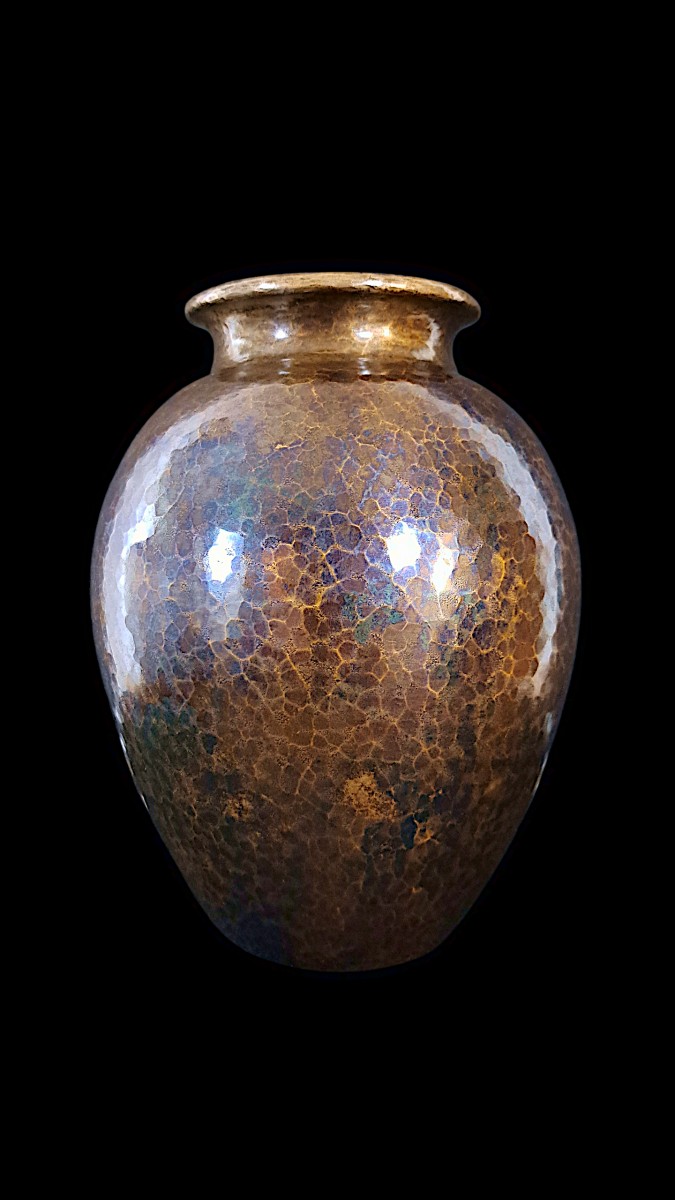
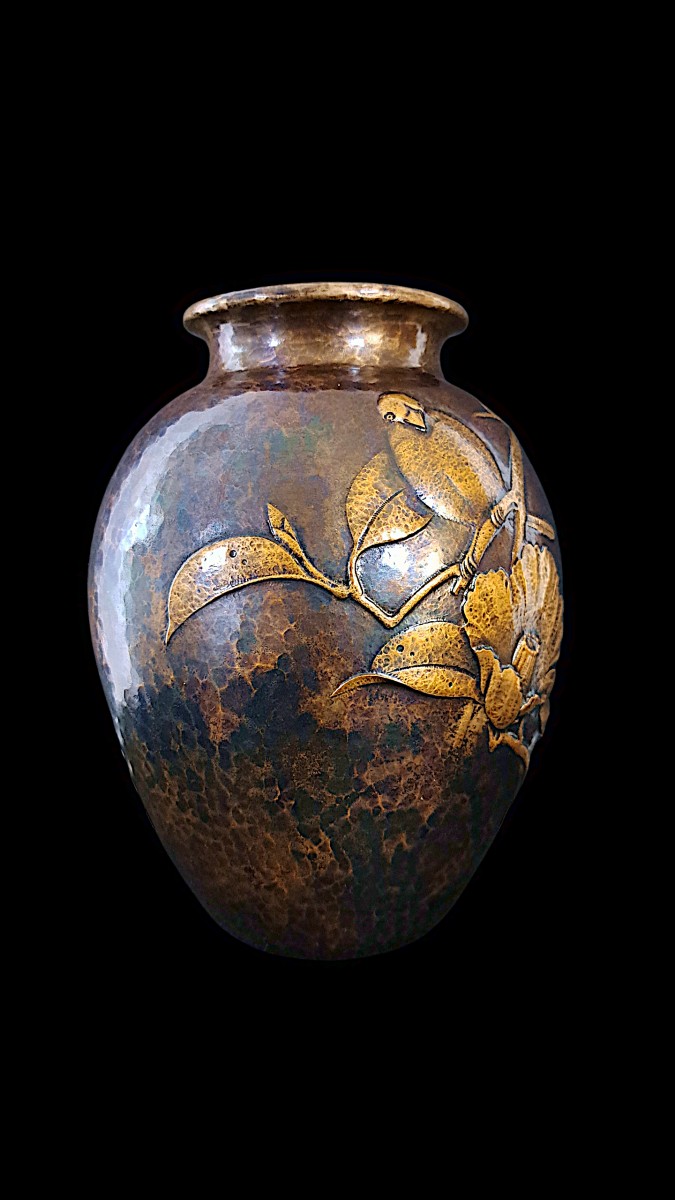

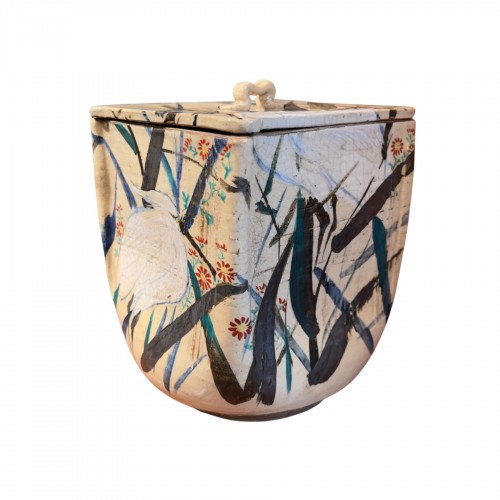
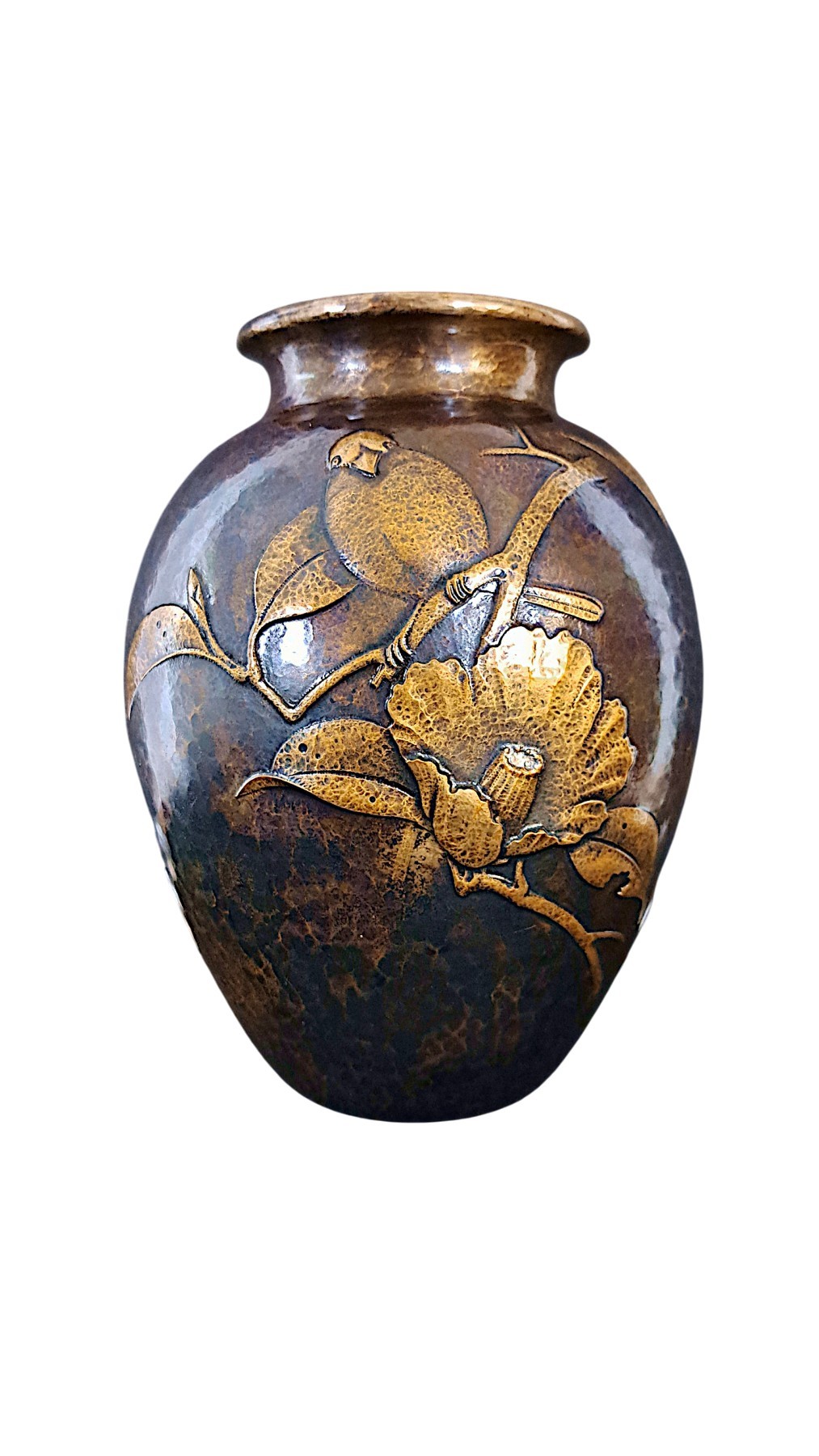
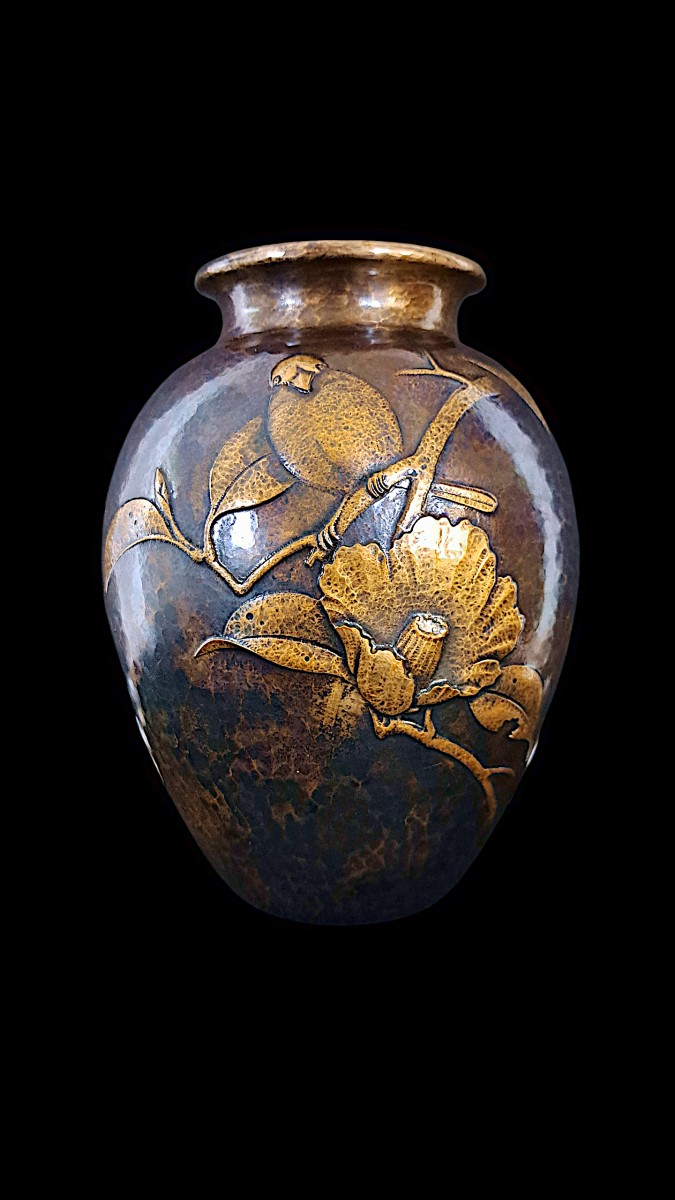
This vase (Showa era, 1926-1989) is a work by Gyokusendo, the legendary Japanese metalworking workshop founded in 1816 in Tsubame, Niigata Prefecture—a region internationally renowned for its exceptional metalworking skills. For over two centuries, Gyokusendo has remained a family-run workshop, preserving the rare and demanding technique of tsuiki: the art of shaping vases entirely by hand from a single sheet of copper, without casting, soldering, or molds.
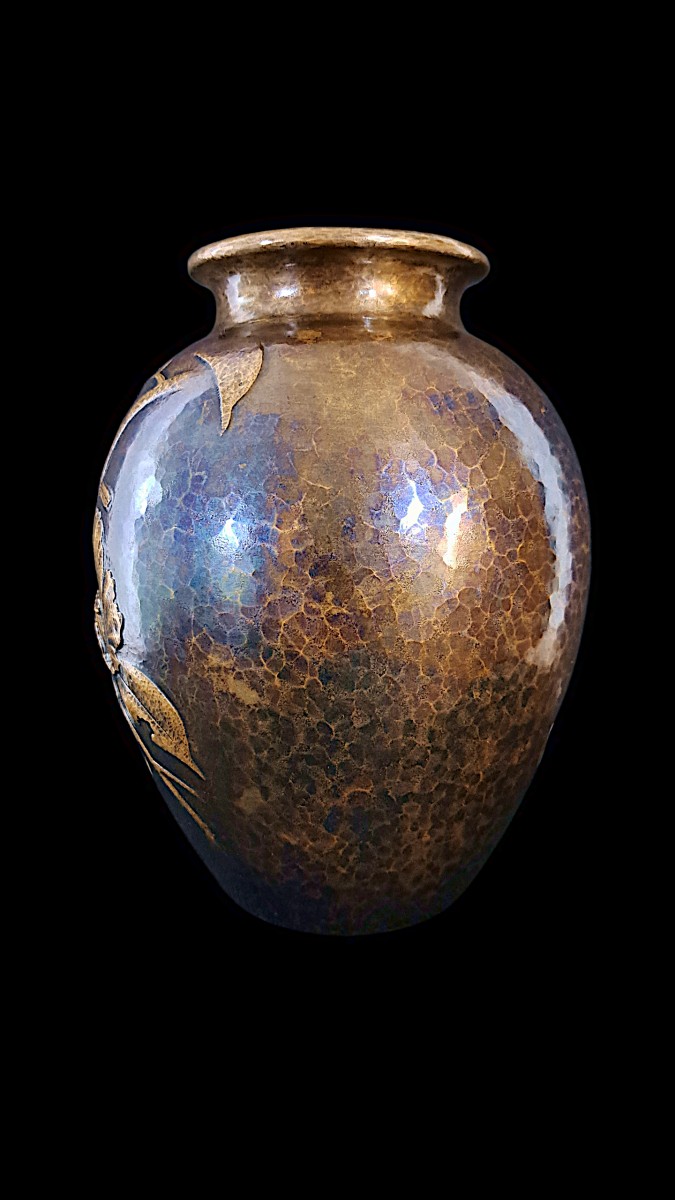
Each piece is patiently crafted with thousands of precise hammer blows, guided solely by the artisan's experience and sensitivity. This slow, rhythmic process lends the form its quiet strength and perfect balance, while the surface retains the subtle, vibrant traces of the hand that created it. Because the metal is entirely shaped, decorated, and patinated by hand, no two pieces are ever identical: minute variations in curvature, texture, and color guarantee the unique character of each Gyokusendo vase.
The techniques preserved by Gyokusendo are part of a craft officially recognized in Japan as an Intangible Cultural Property. This designation honors not objects, but exceptional human skills and traditional techniques essential to the national cultural identity. In the case of tsuiki, knowledge is passed directly from master to apprentice through years of rigorous practice, thus ensuring the continuity of a living tradition rather than a static historical craft.
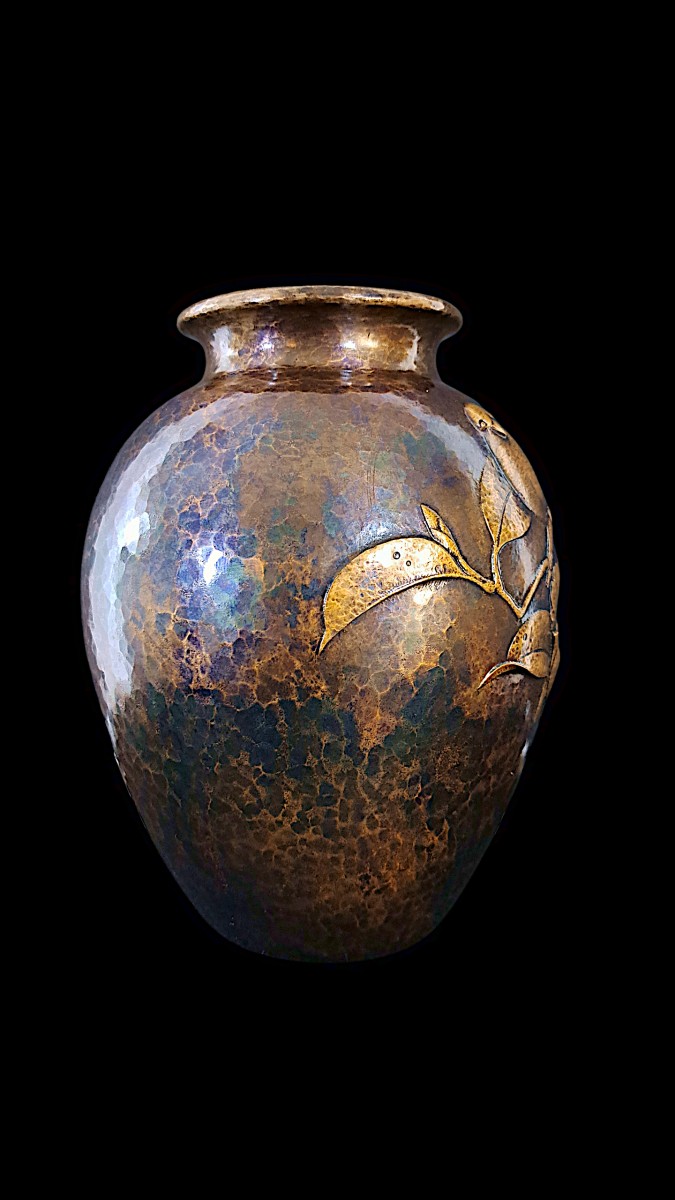
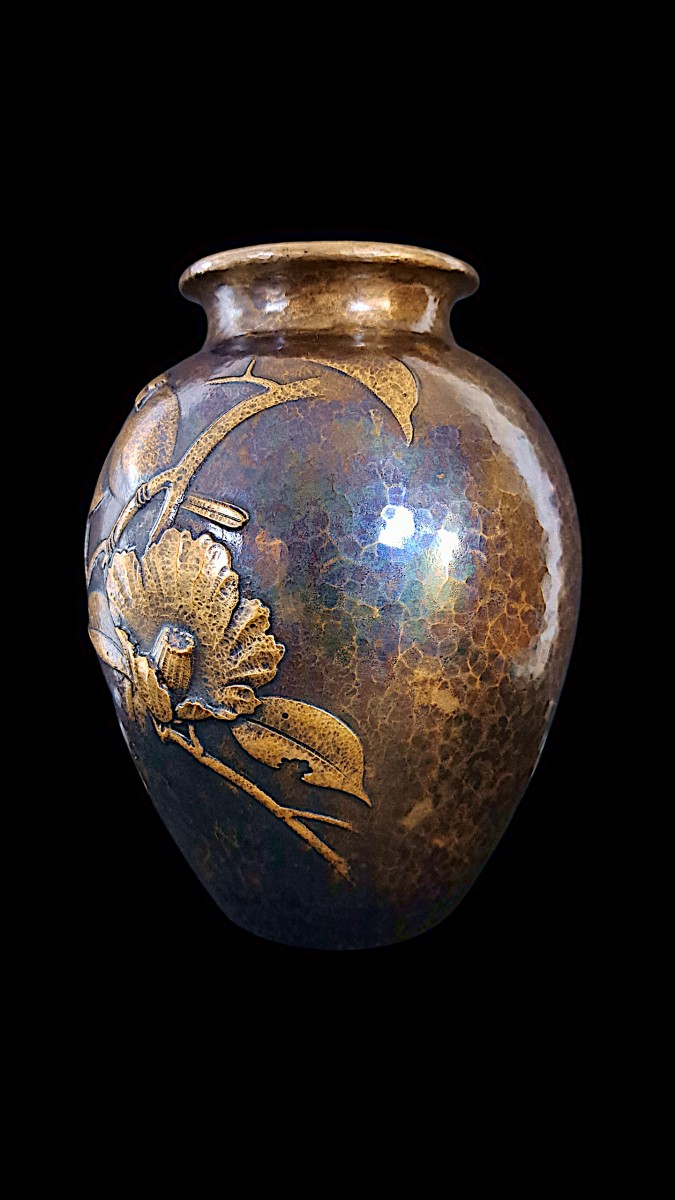
This vase perfectly illustrates the Gyokusendo philosophy: a functional object elevated to the status of a work of art. Its elegantly proportioned body is adorned with a refined natural scene: a bird delicately perched on a branching stem, surrounded by gently unfurling leaves. The design is rendered directly into the metal, creating a subtle relief that appears to emerge from the surface rather than rest upon it.
The color palette is both understated and sophisticated. Warm, reddish-copper tones form the background, blending gently into deep browns, charcoal grays, and touches of matte gold, while the bird and foliage are highlighted by subtle variations in patina rather than stark contrast. These expertly controlled hues react beautifully to light, revealing depth and movement depending on the viewpoint. Over time, the surface continues to develop a patina, building an even richer texture that enhances the sculptural dimension of the design.
Gyokusendo's craftsmanship is renowned far beyond the borders of Japan. This is evidenced by its collaboration with the prestigious Krug Champagne House, which turned to Gyokusendo because this workshop was the only one capable of producing large, hand-hammered copper vases of absolute structural solidity, combining functionality and impeccable aesthetics. In the discreet world of true luxury, such a choice reflects not a passing trend, but uncompromising excellence.
Acquiring a Gyokusendo vase is much more than buying a decorative object. It means participating in a Japanese artisanal tradition that values time, patience, and mastery—qualities increasingly rare in contemporary production. As the copper develops a patina and deepens in color, the piece becomes more personal, carrying within it the memory of its creation and the story that accompanies it.
A refined collector's item, it fits equally well into a sophisticated interior, a leading collection of Japanese art, or a setting where discreet luxury is expressed with quiet authority.
Delevery information :
Delivery is at buyer's expense. Estimate will be given.