Offered by Galerie Thierry Matranga
REQUEST INFORMATION

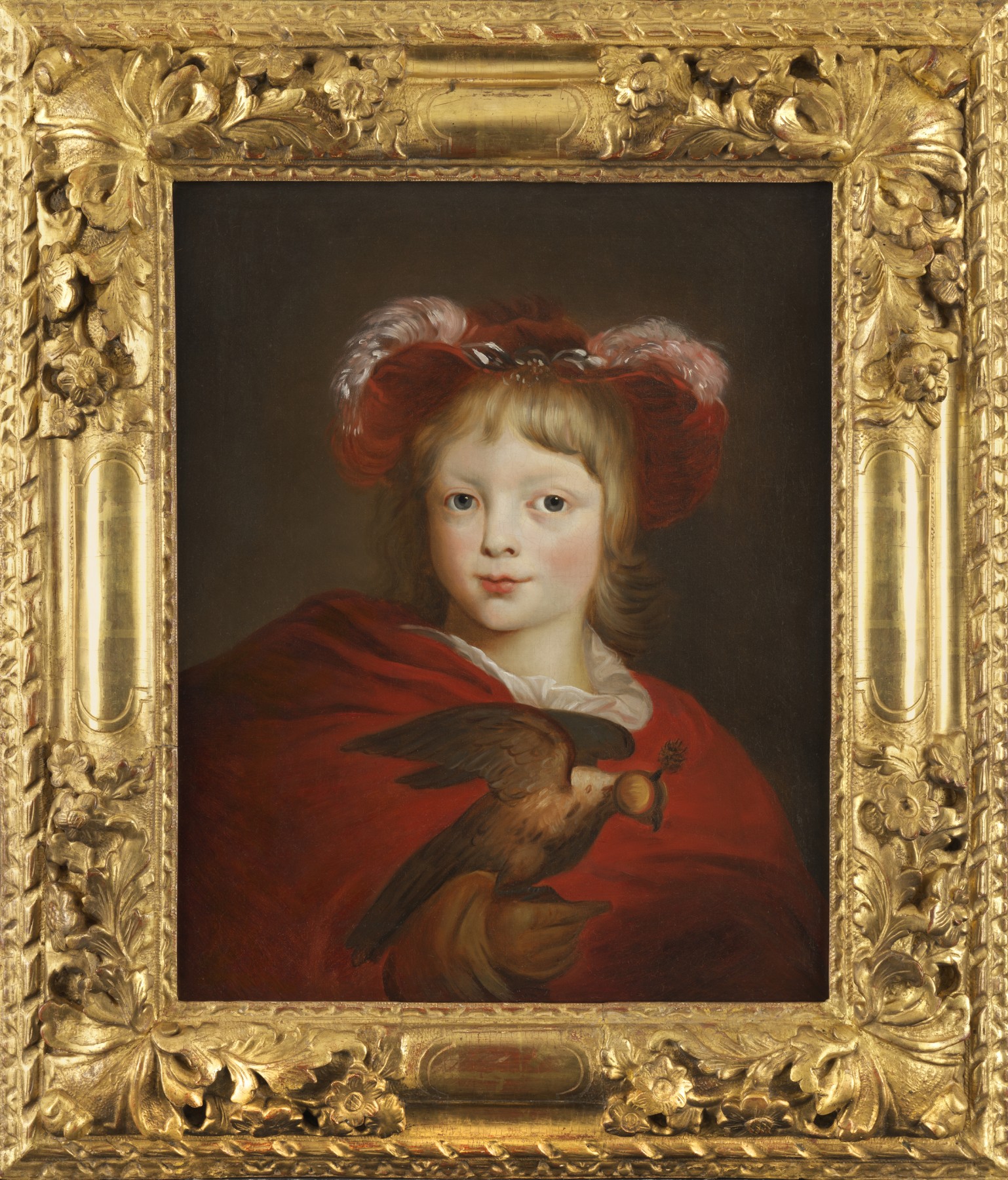
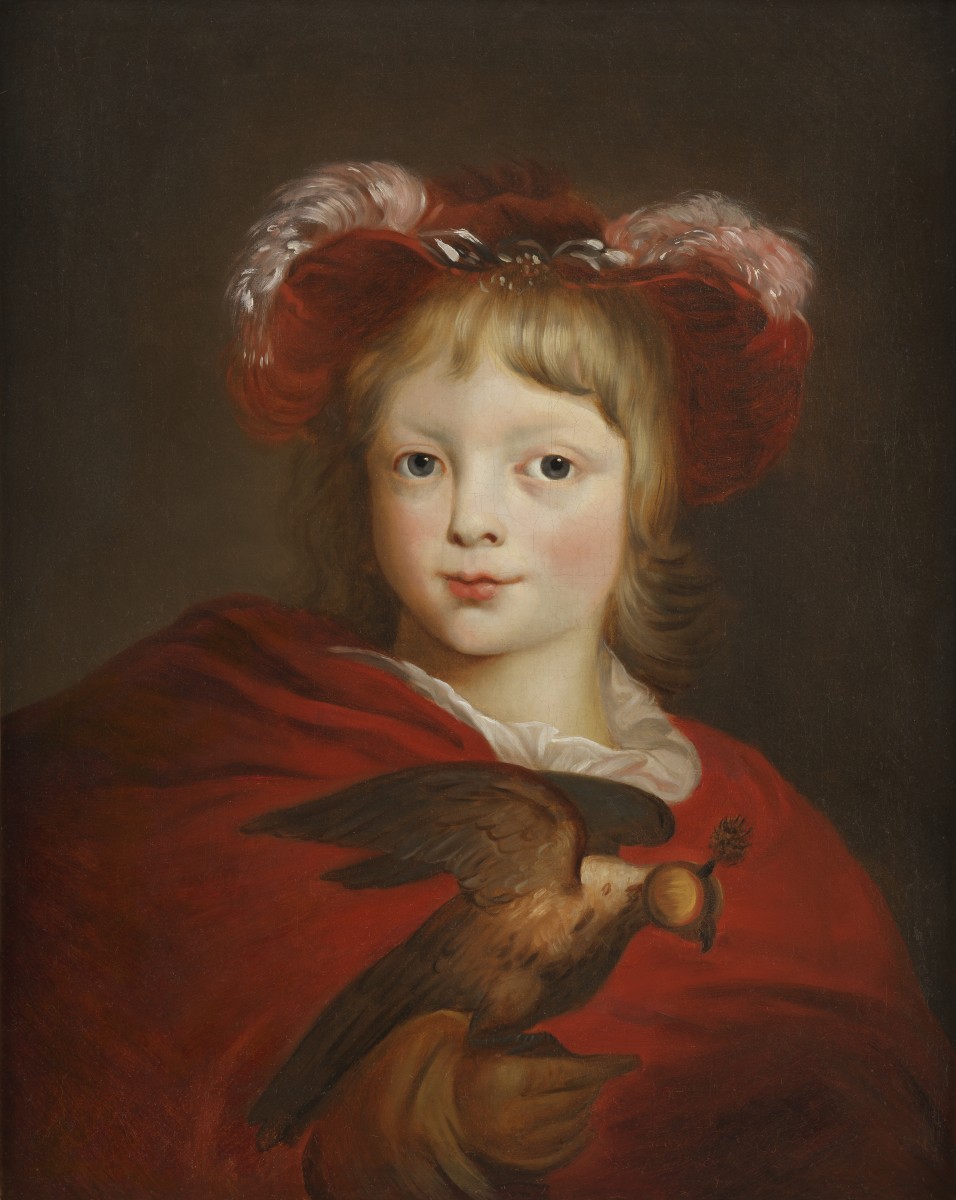
Oil on canvas. Dutch School, second half of the 17th century.
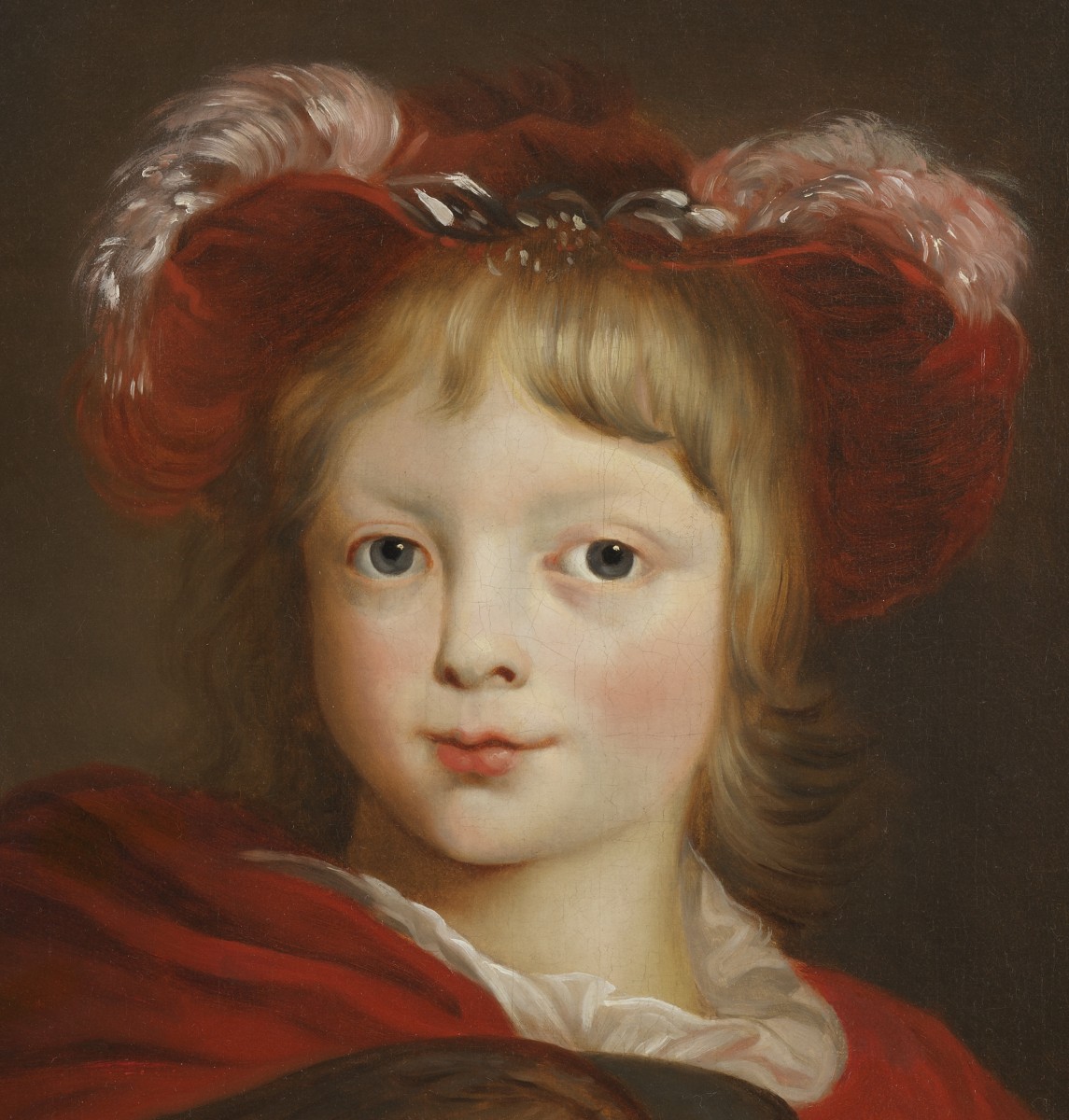
Our painter portrays a high-ranking boy dressed in a purple toga and wearing a hat with matching plumes. On his gloved hand rests a bird of prey with a hood, a falcon. The child's proud bearing and direct gaze contrast with his young age, suggesting a symbolic composition. Indeed, this stillness reveals a discipline learned early, a way of fulfilling one's role even before understanding its implications. This gaze, both assured and fragile, speaks of childhood receding and authority advancing.
Our composition reflects the tradition of portraiture in 17th-century Europe, and more specifically Flemish or Dutch Baroque painting, where children from noble or bourgeois families are depicted in ceremonial attire with symbolic attributes, such as the falcon here. This portrait aims not only to represent the child, but also to affirm his social rank and place within a lineage. Thus, the boy appears as a promise: that of an heir being groomed, a future master being shaped. The falcon, for its part, embodies the symbolic duality of what he is destined to become: vigilant, confident, and capable of mastering his own strength.
Although we associate this delicate portrait with the Dutch school of painting in the second half of the 17th century, our research has not yielded a solid lead for attributing it to a specific artist. However, several painters born at the beginning of the Golden Age have caught our attention: Adriaen Hanneman (1603–1671), who spent part of his career at the English court; Ferdinand Bol (1616–1680); and Govert Flinck (1615–1660), both pupils of Rembrandt and followers of Bartholomeus van der Helst.
Our young falconer is presented in a spectacular carved and gilded wooden frame from the Louis XIV period.
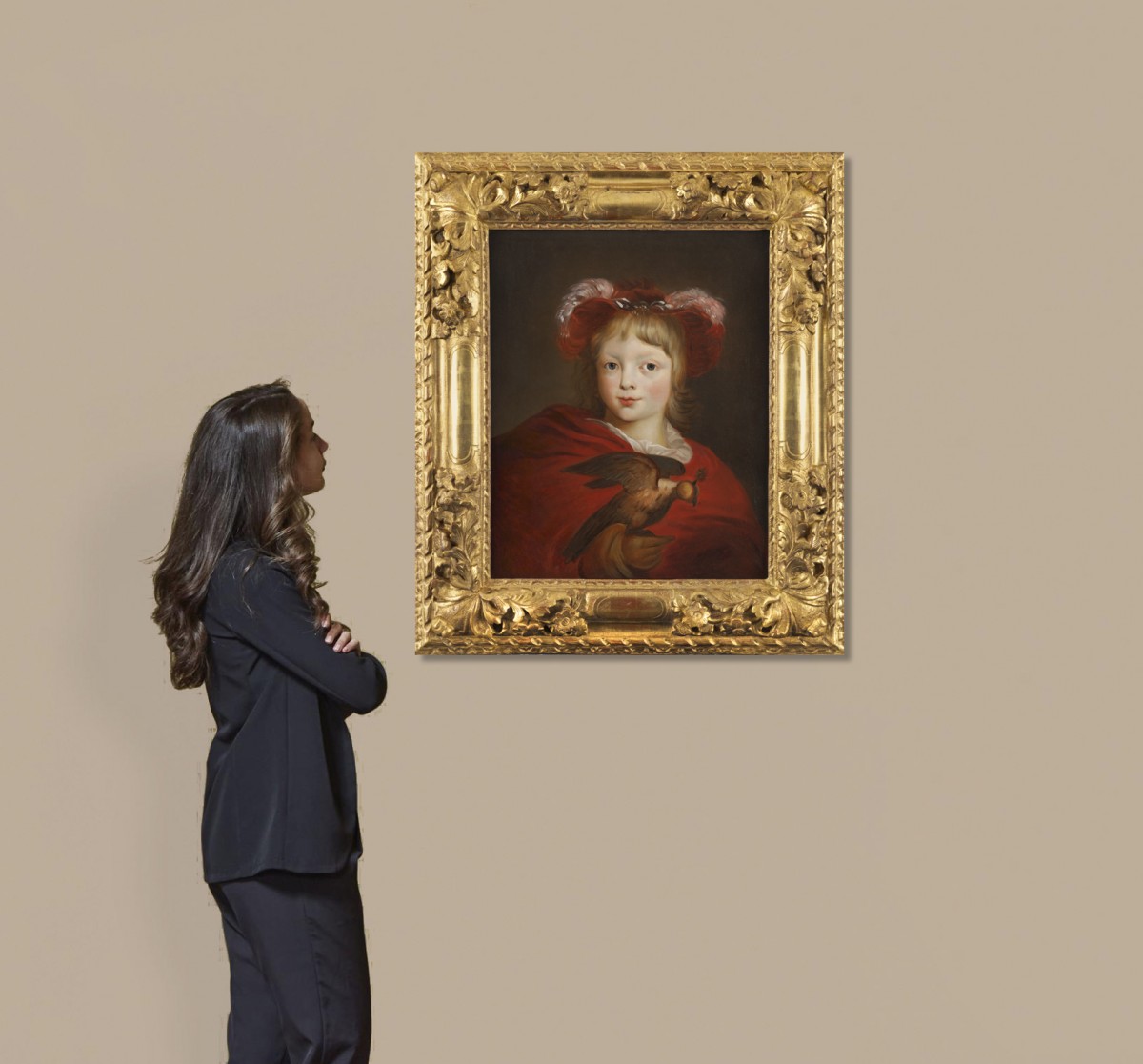
Dimensions: 54 x 44 cm – 76.5 x 66.5 cm with frame
Sold with invoice and certificate of authenticity