Offered by Conservatoire Sakura
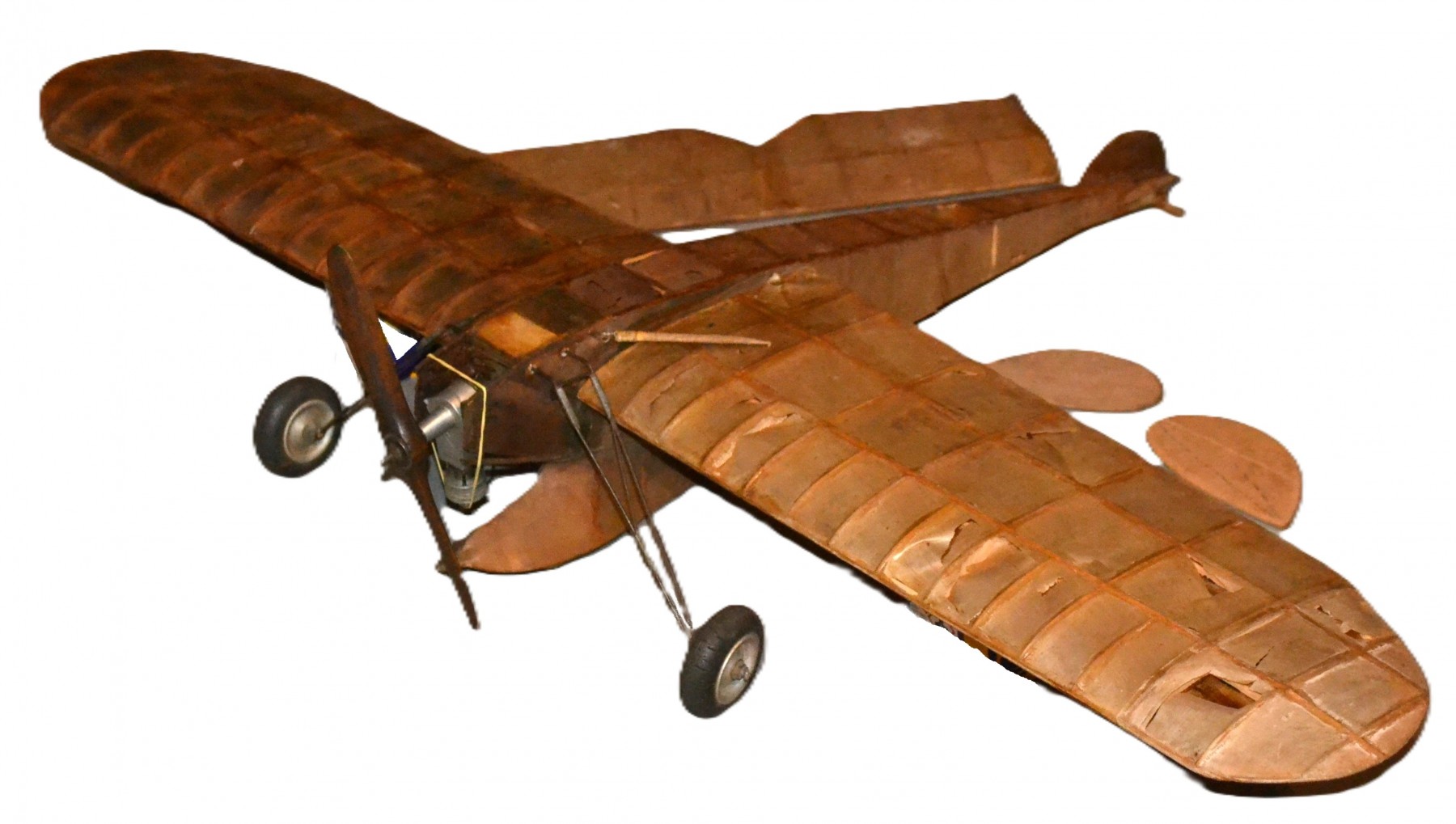
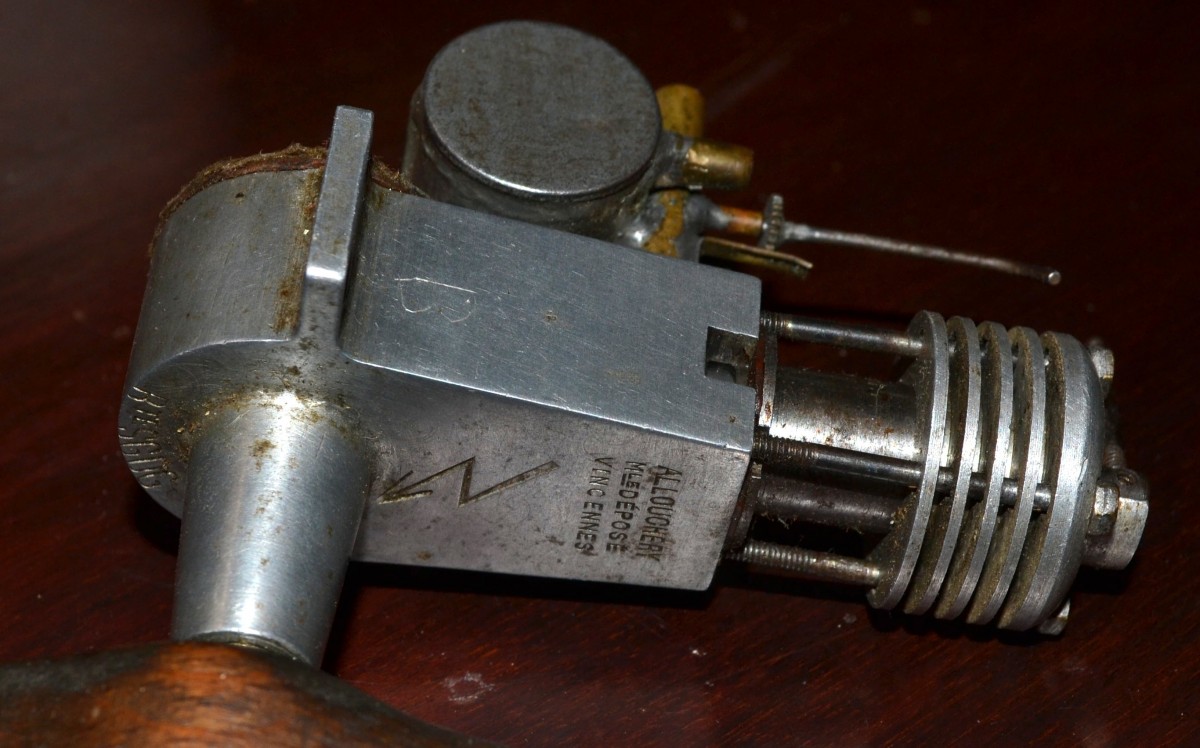

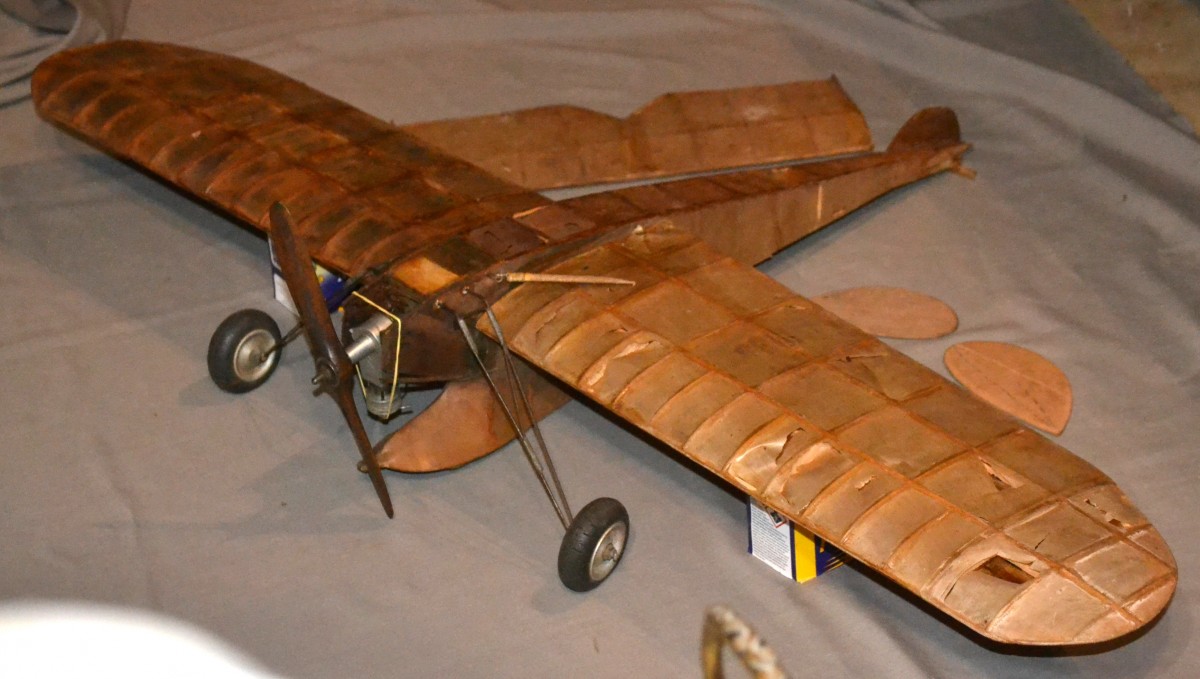
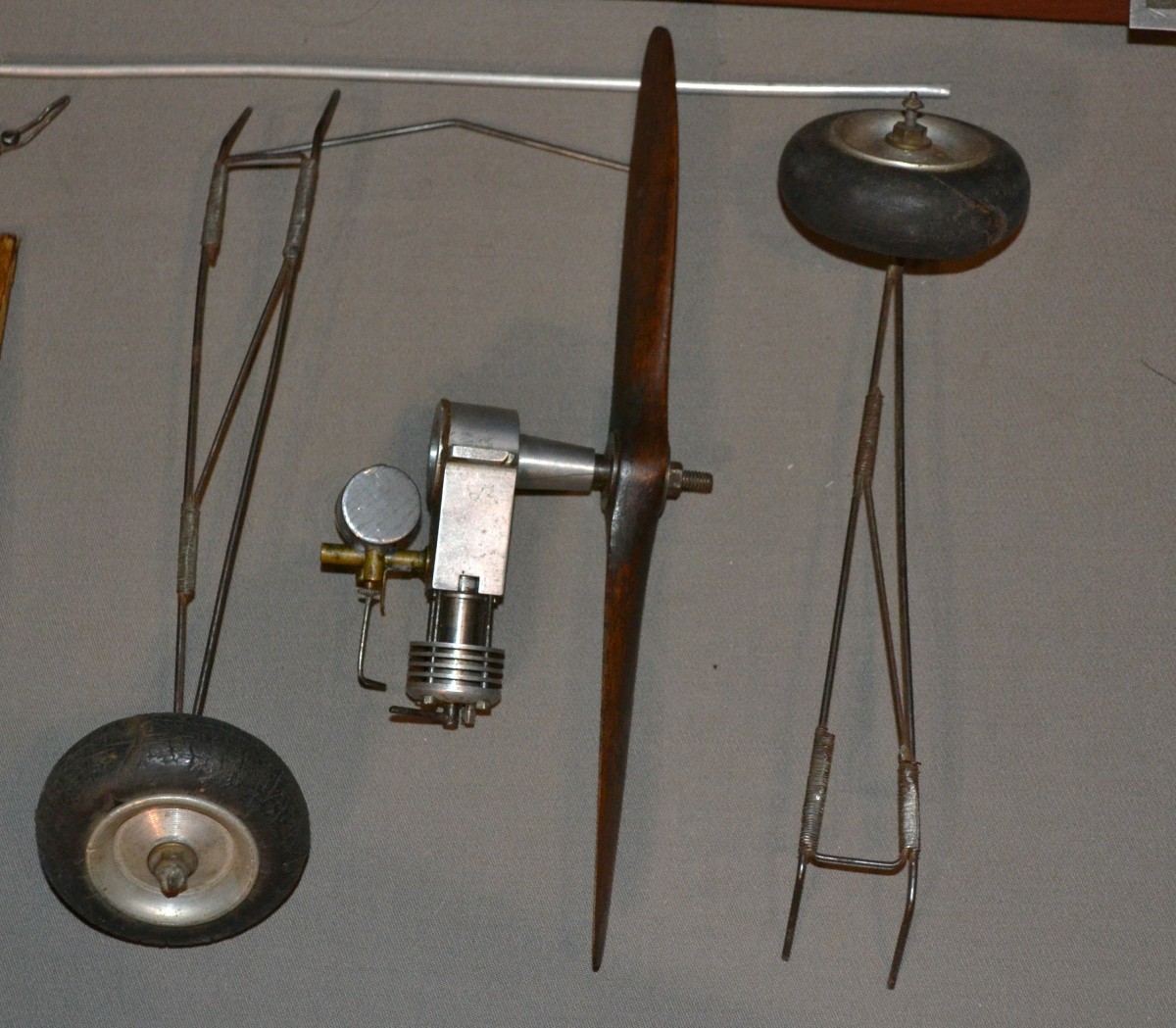
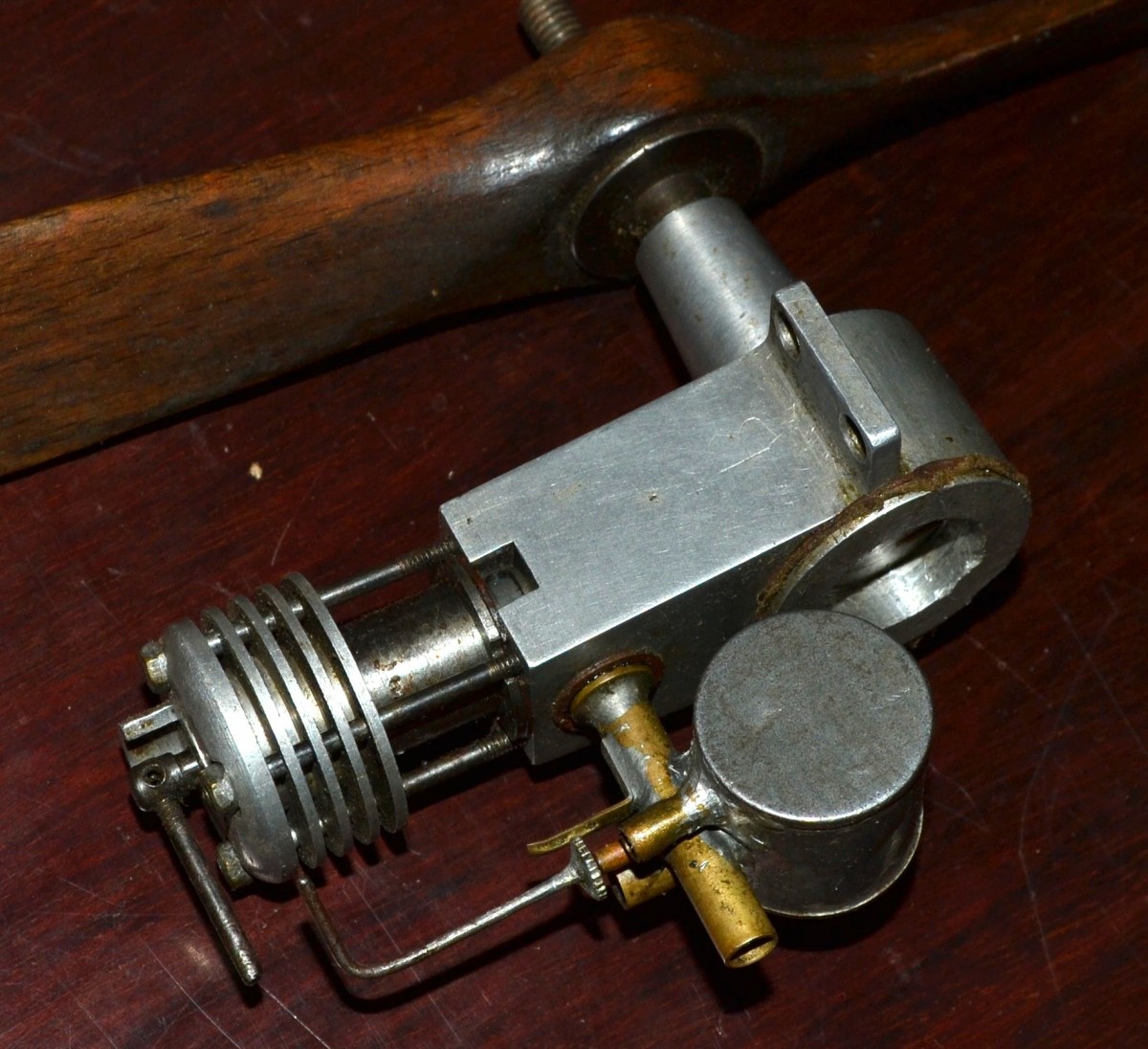
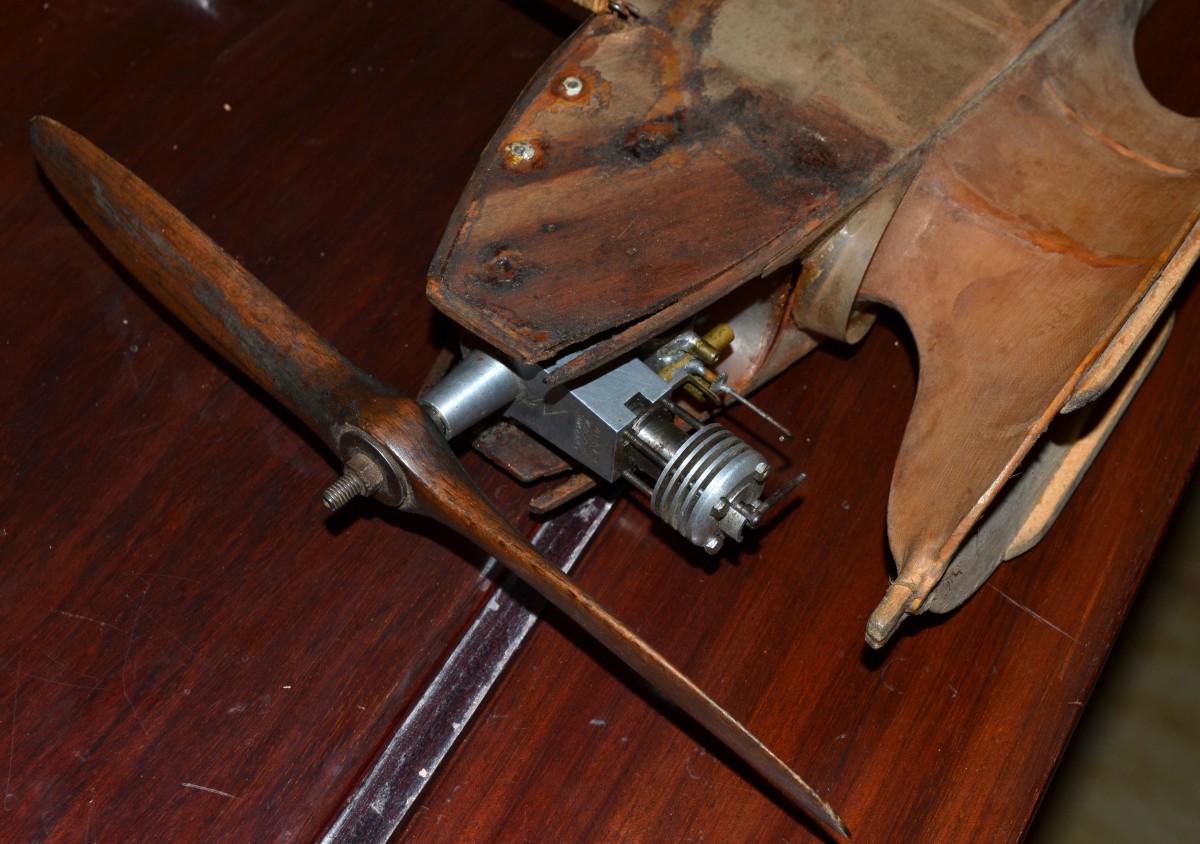
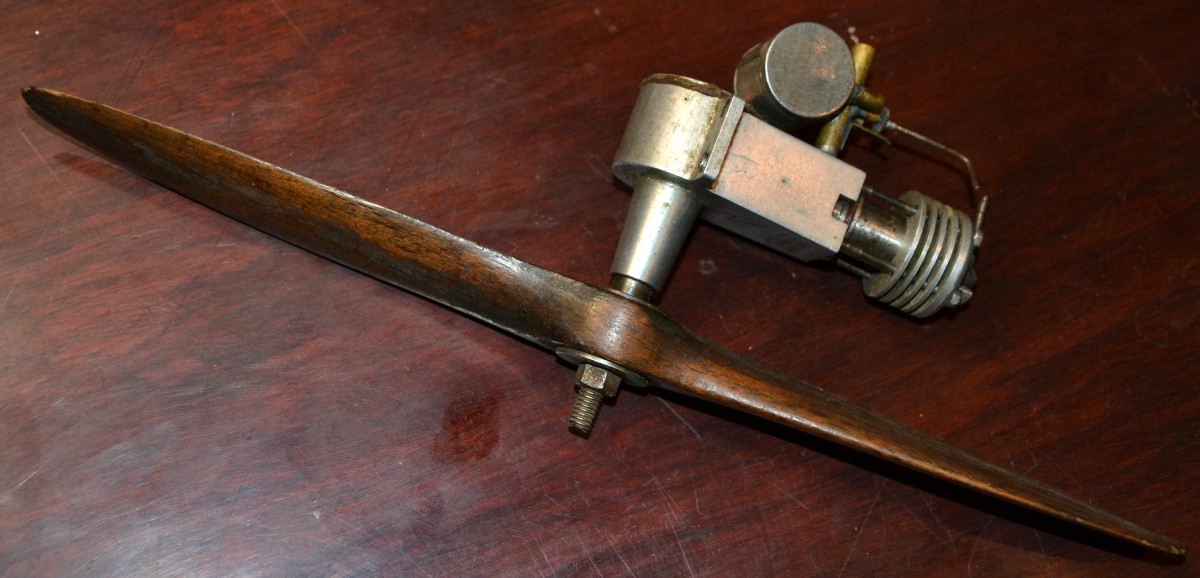
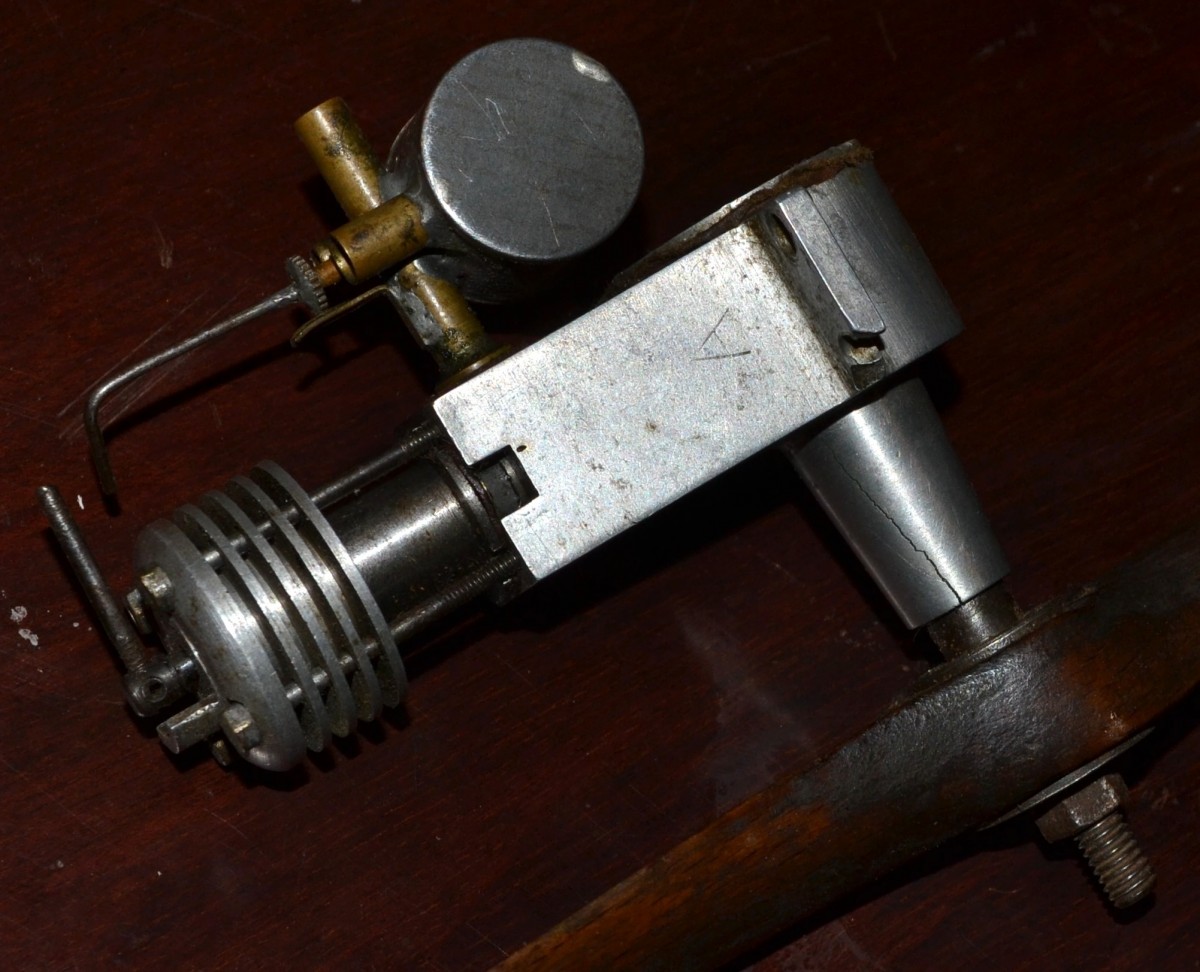
The aircraft is fitted with a diesel engine manufactured by Allouchery of Vincennes. It is the first French miniature compression-ignition (diesel) engine, produced in Prosper Allouchery's small workshop in Vincennes, near Paris, during the years 1944–45. It is generally accepted that the inscription "Allouchery Vincennes" did not begin to be stamped on these engines until 1945.
This is an exceptionally rare engine. Only one other example is illustrated in Adrien Maeght's reference book.
The Vincennes workshop was extremely small, covering only a few square metres, and employed just three people: the two Allouchery brothers and a single employee.
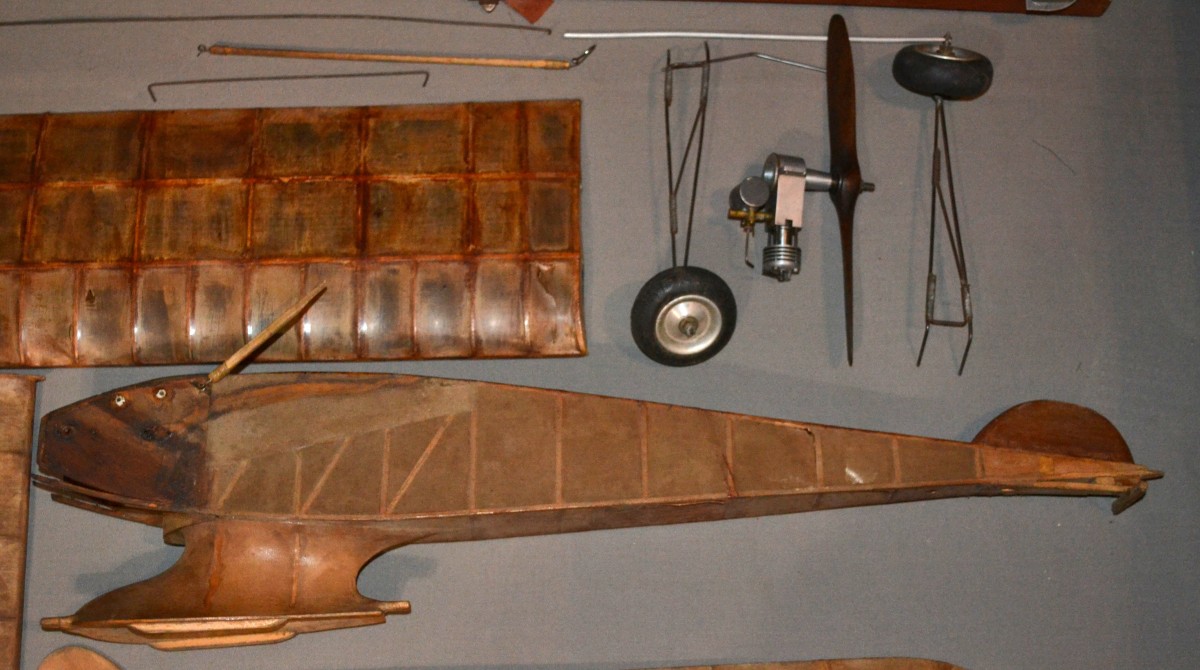
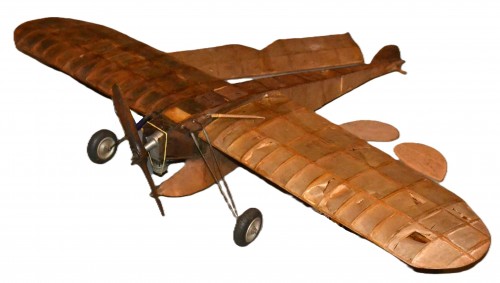
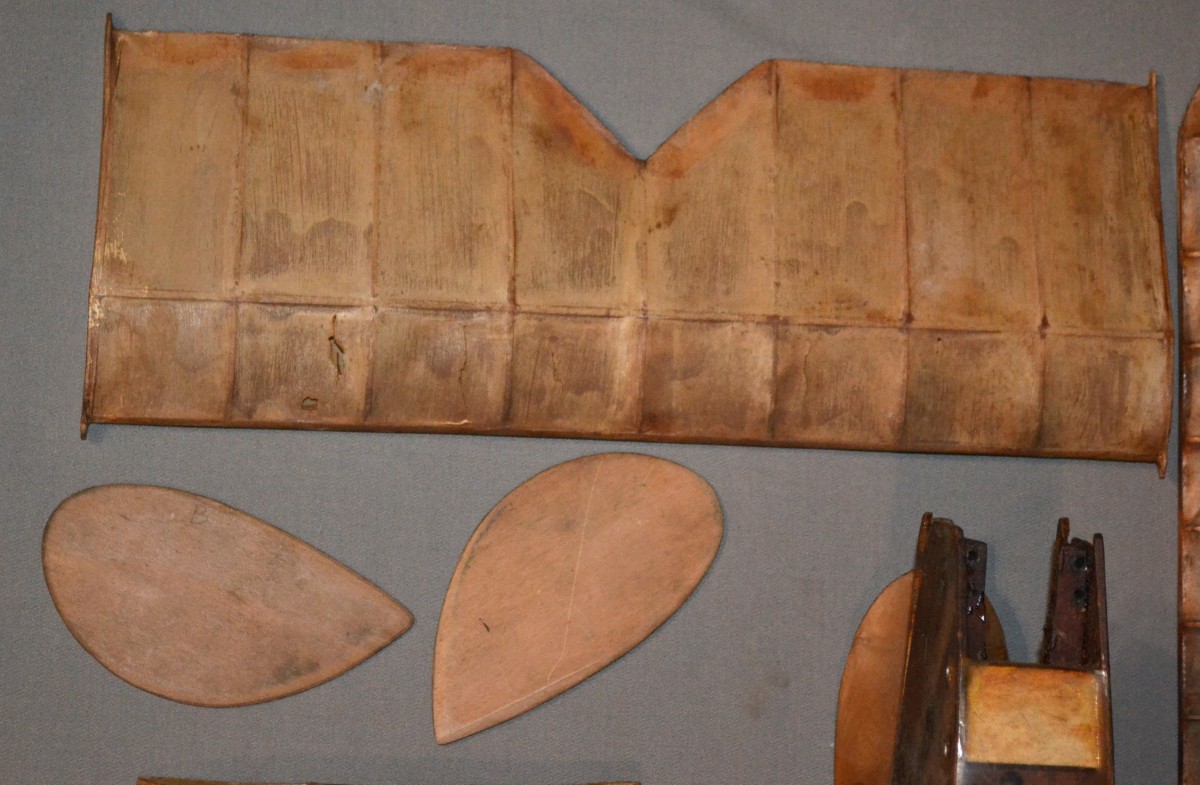
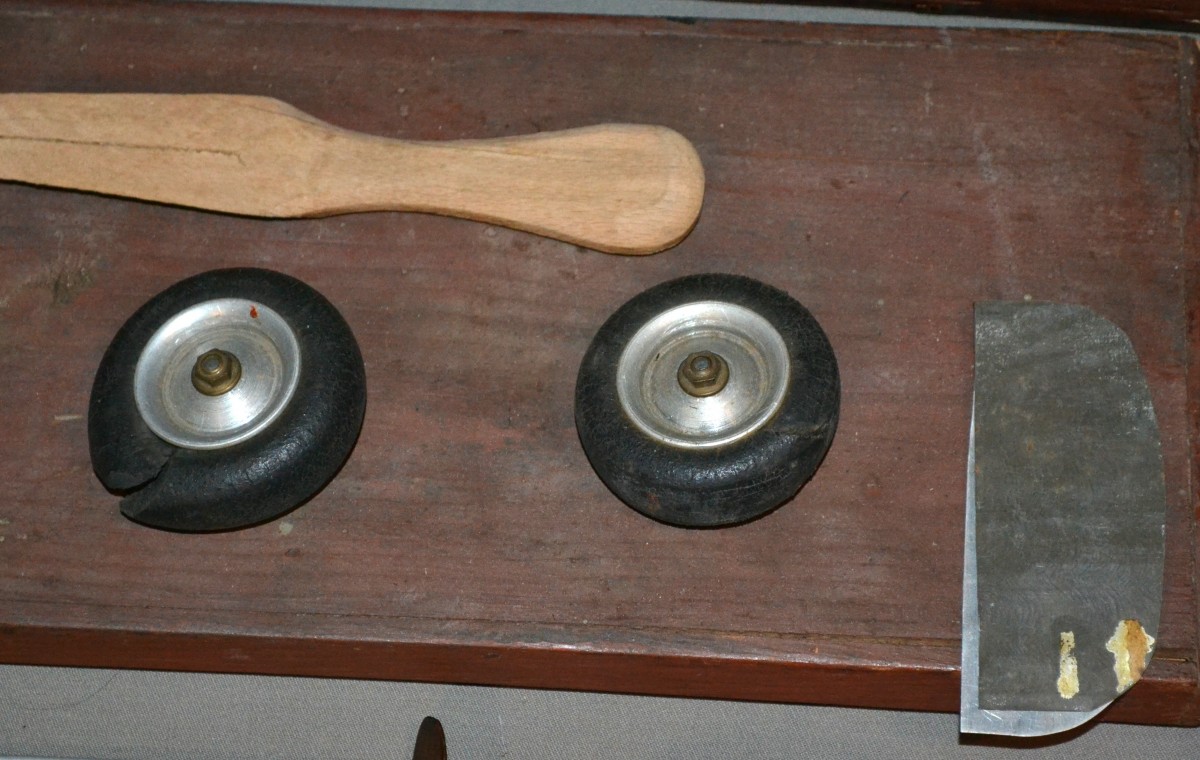
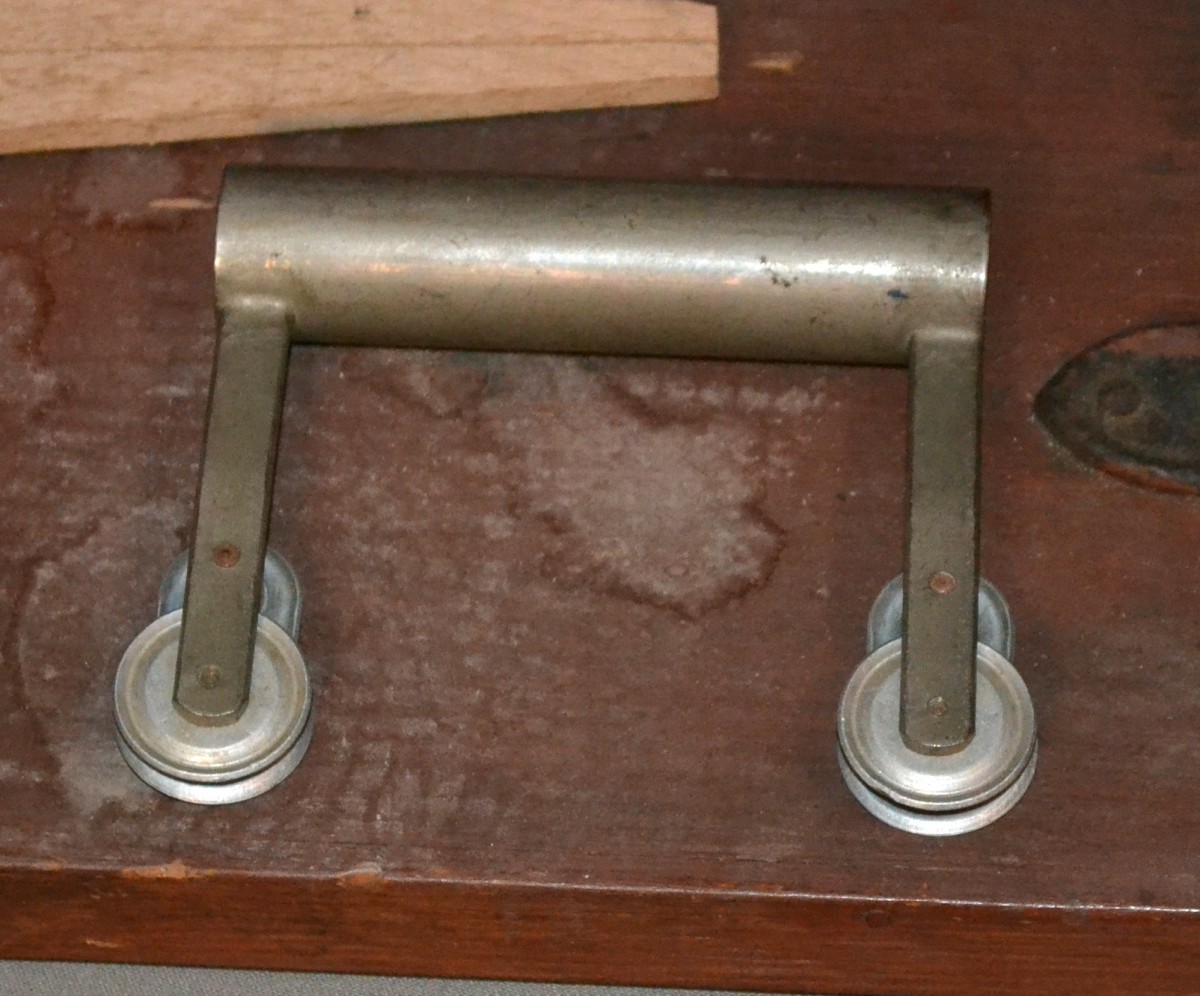
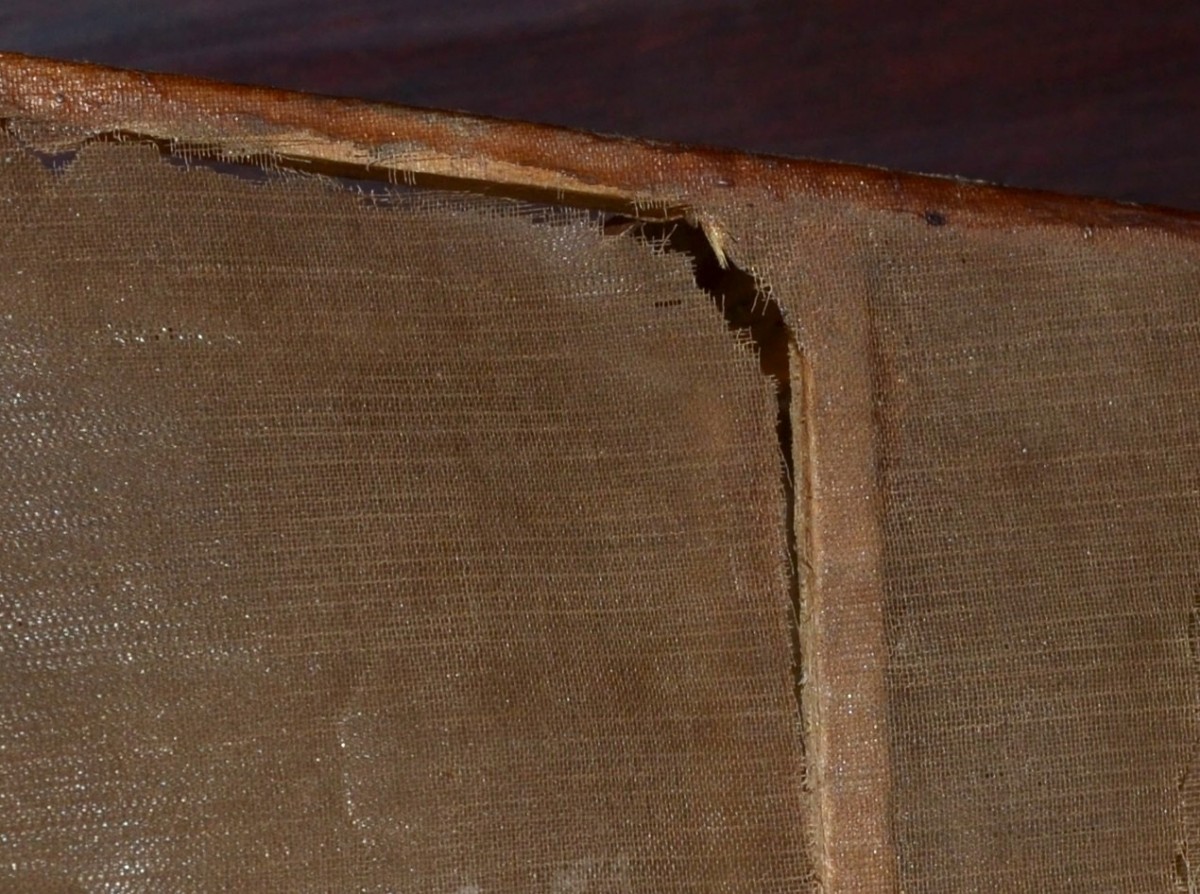
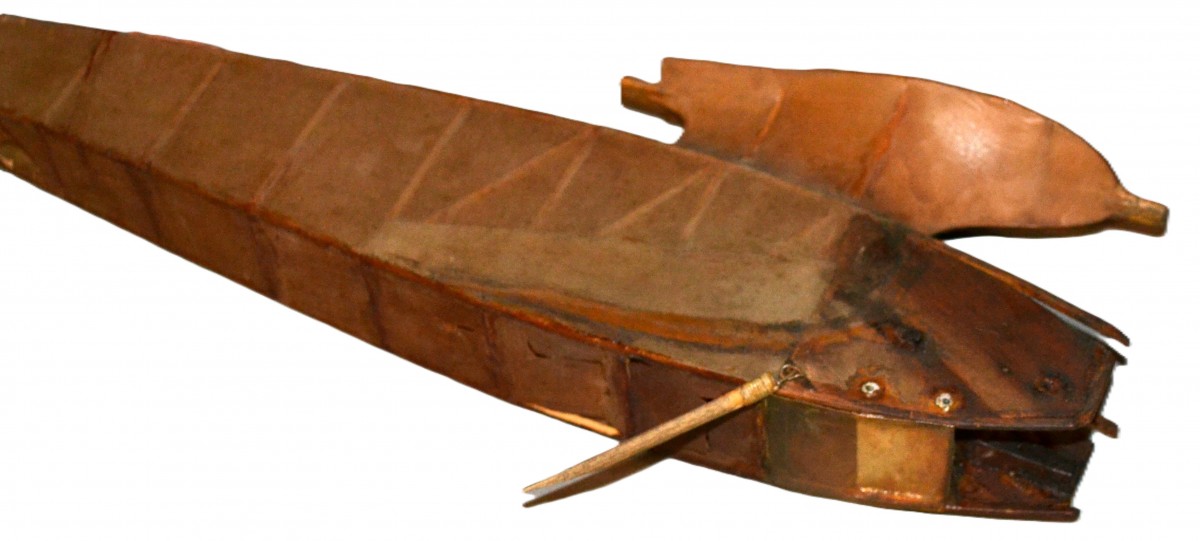
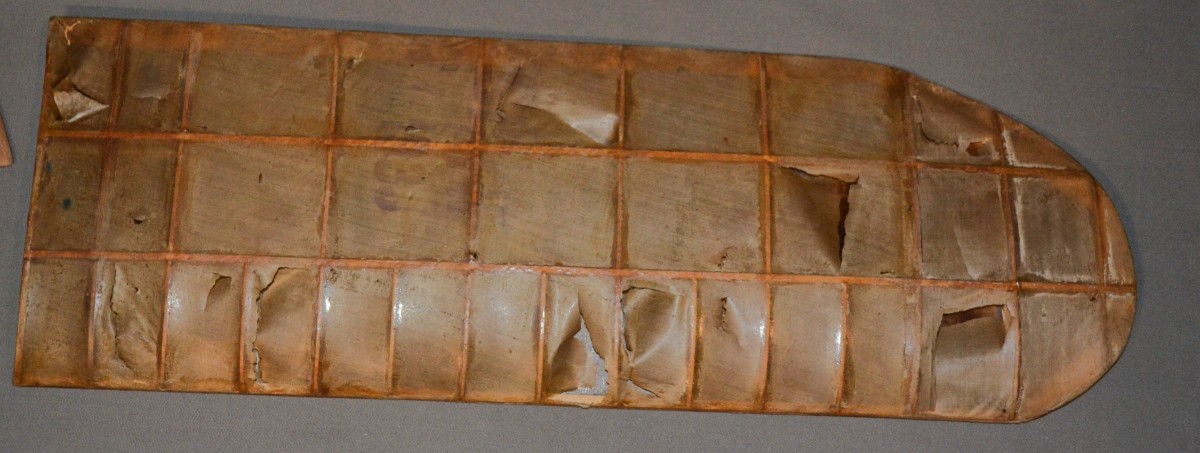
The aircraft itself is constructed from very thin wooden strips and sheets, over which pieces of varnished silk have been glued. The whole structure is remarkably light and fragile. The landing gear is made of steel wire, while the wheels are of aluminium and rubber.
Aircraft of this type generally date from the 1920s and 1930s, although they may be earlier, as the technique of covering an airframe with varnished silk appeared as early as 1911. At that period, model aircraft were powered by rubber-band or compressed-air motors and, in some cases, had no engine at all, being launched from dirigible balloons.
A careful observer will notice very faint letters and numbers stamped on one of the wings. The date "1933" can clearly be read, followed by a large letter "N" and several other now illegible characters.
Since 1933 was perfectly consistent with the style of the aircraft, we carried out further research and discovered that the first aeromodelling competition in history to bring together seventy competitors from around the world took place at Vincennes in 1933.
The inscription "1933", together with the letter "N", which we believe to indicate the competitor's entry number, strongly suggests that this aircraft took part in that prestigious competition.
A suitable scientific examination would almost certainly make it possible to decipher the complete inscription and identify the competitor, whose name was published in the magazine Les Ailes in 1932.
Naturally, when the competition took place, the aircraft was fitted with a different means of propulsion, since the Allouchery diesel engine had not yet been invented. It was only in 1945 that its owner equipped it with this new engine.
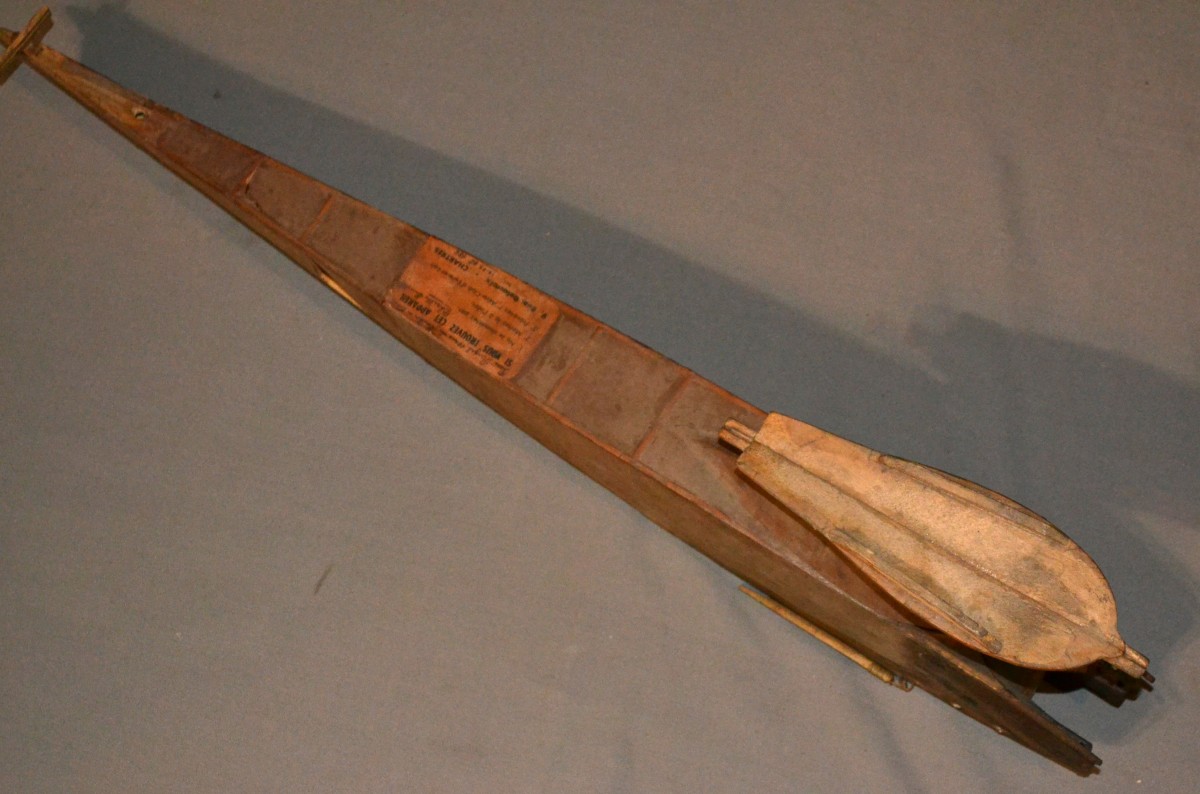
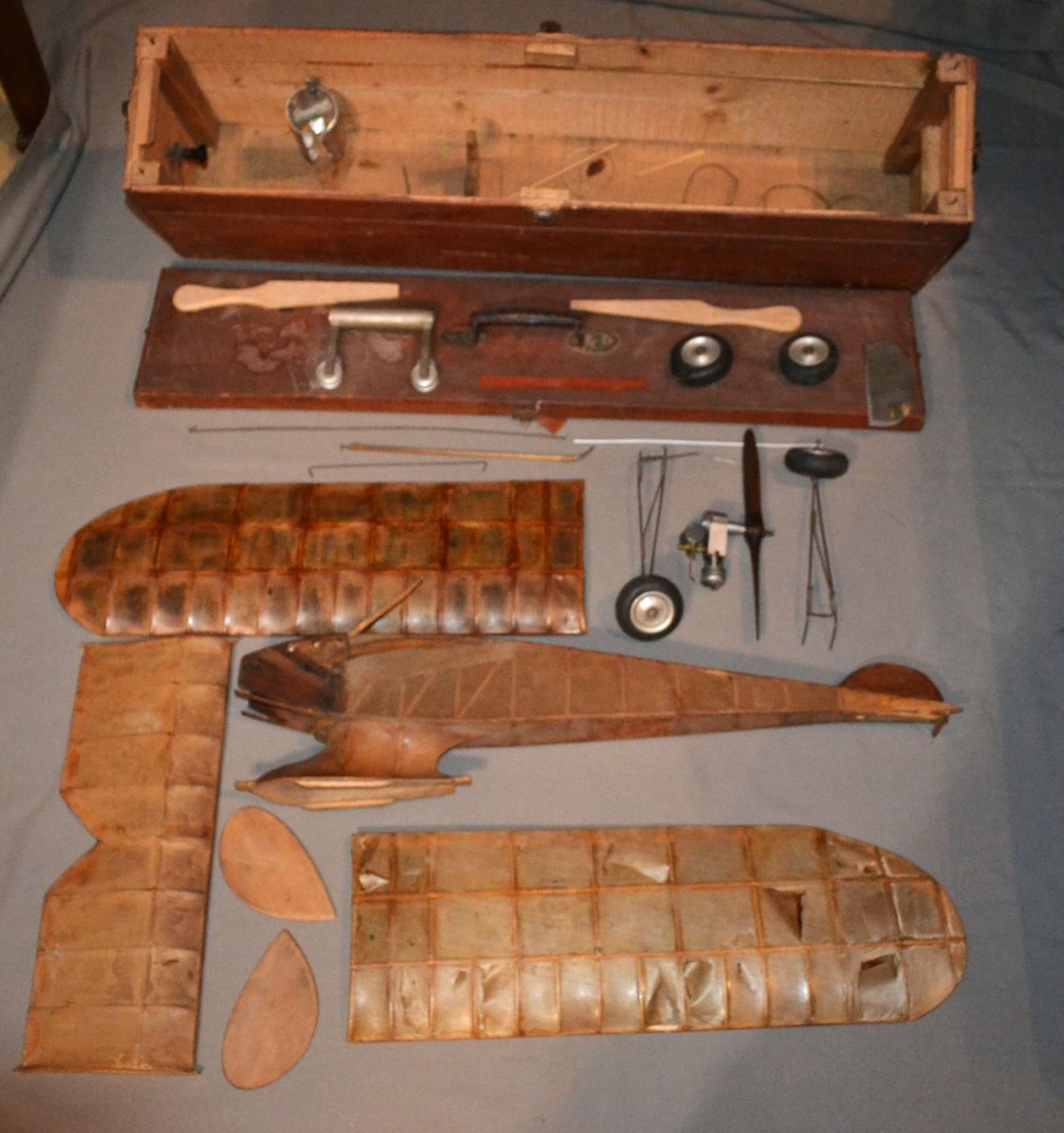
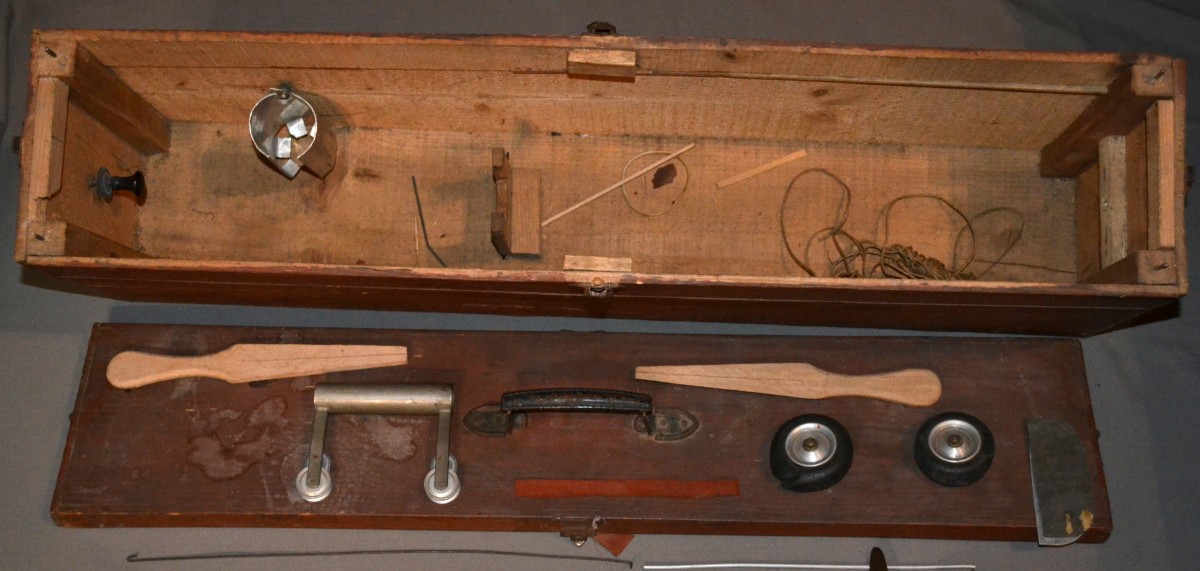
The aircraft remains in its original box and appears to be complete, although only a specialist will be able to confirm this. The silk covering is torn in several places, while the rubber tyres are split but still present.
As radio control systems did not yet exist, the aircraft was flown like a kite by means of silk control lines.
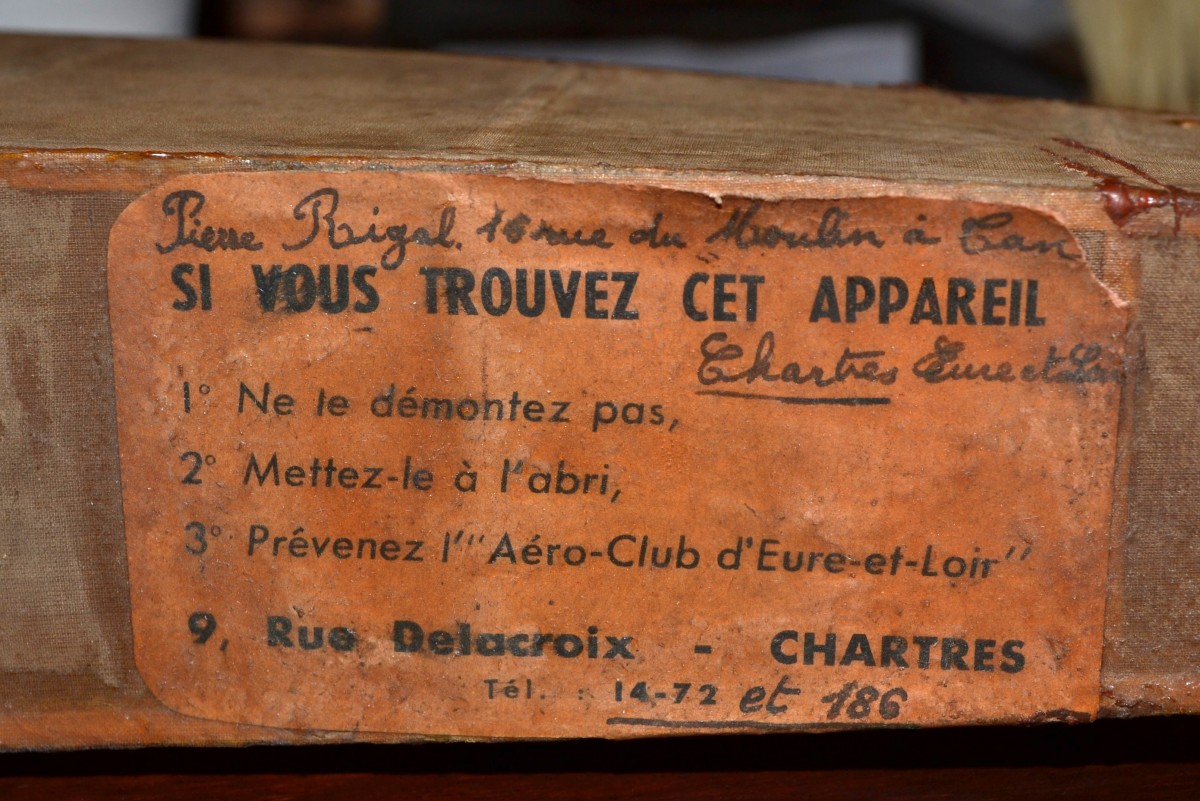
A touching label affixed beneath the aircraft tells us that it occasionally escaped from its owner.
This is a great survivor. Now a hundred years old, it is still very much alive. It bears witness not only to another era, but to another world.
It is an exceptional object.
I am not a specialist in model engines, but when the propeller is turned by hand, good compression can clearly be felt. I would not be surprised if the engine were still capable of running.
We also have several documents found online relating to the competition, together with others concerning the engine.
Dimensions:
Original box: approximately 80 × 20 × 20 cm.
Wingspan: approximately 80 cm.
Delevery information :
International deliveries in the best conditions. Careful packaging. I travel with important items as needed.