Offered by Galerie Pellat de Villedon
REQUEST INFORMATION

Furniture, works of art and paintings
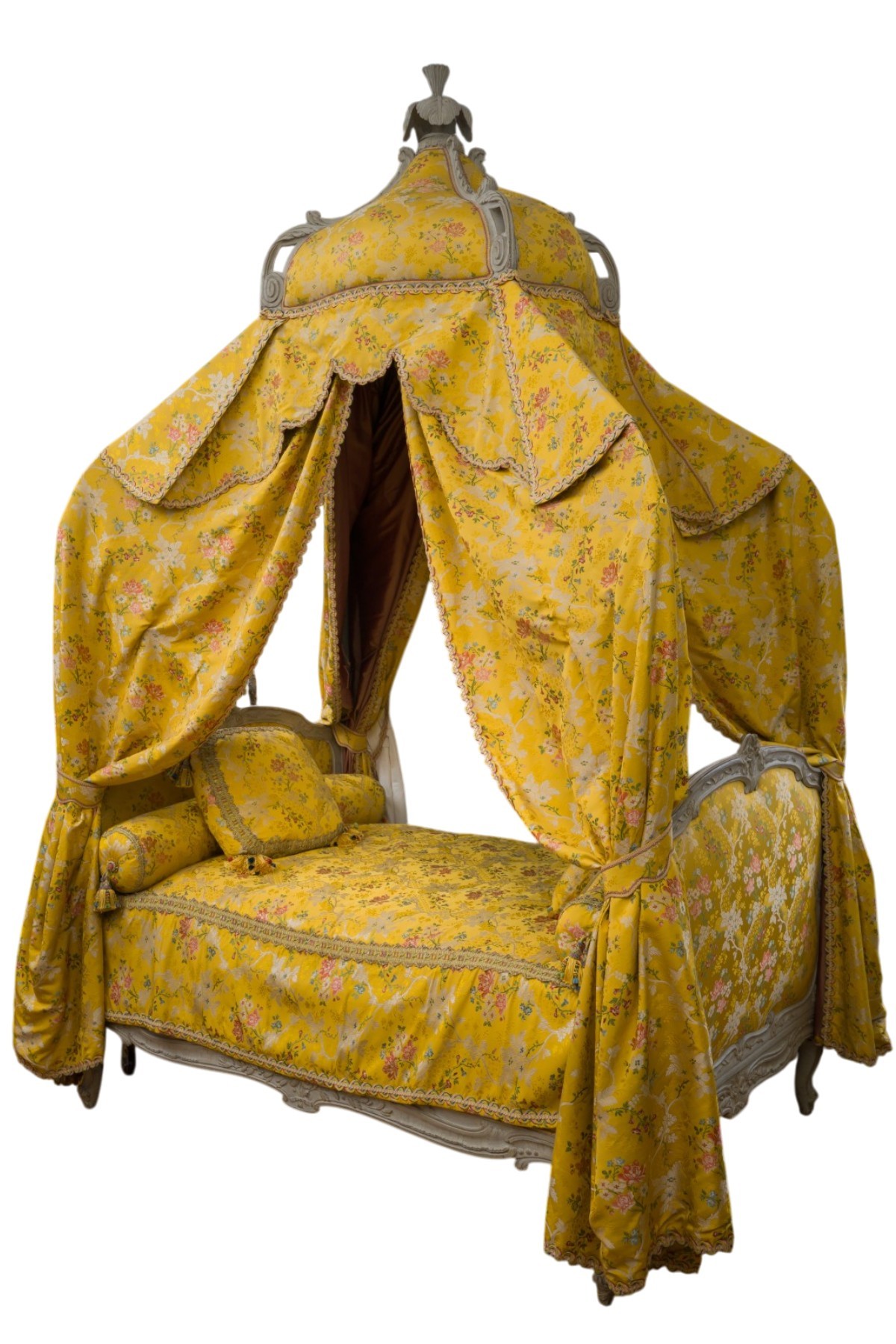
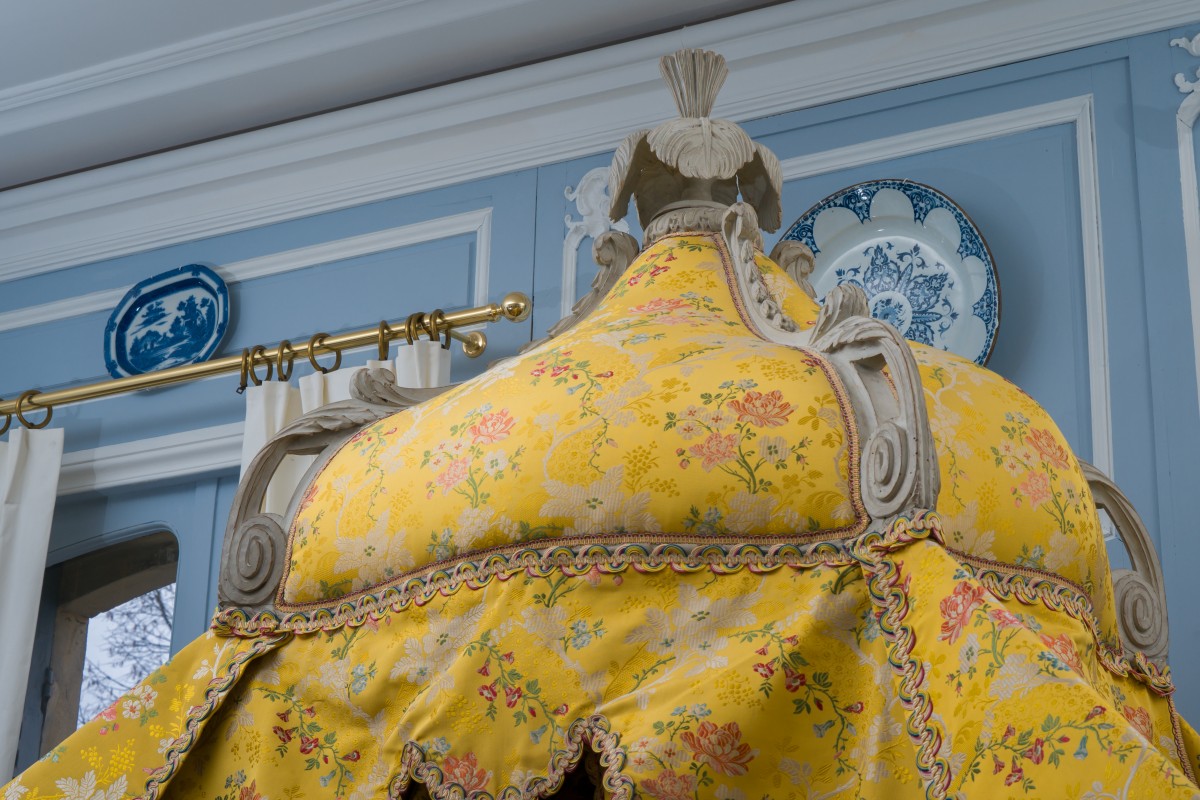
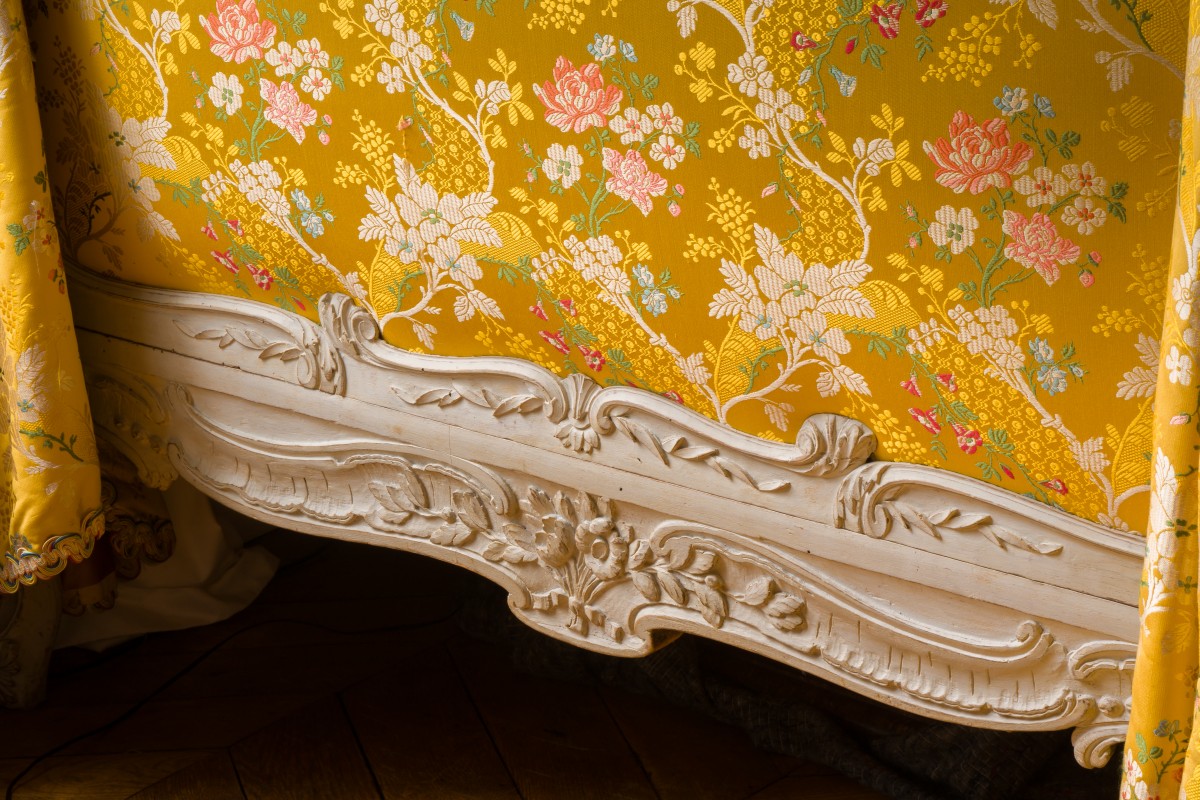
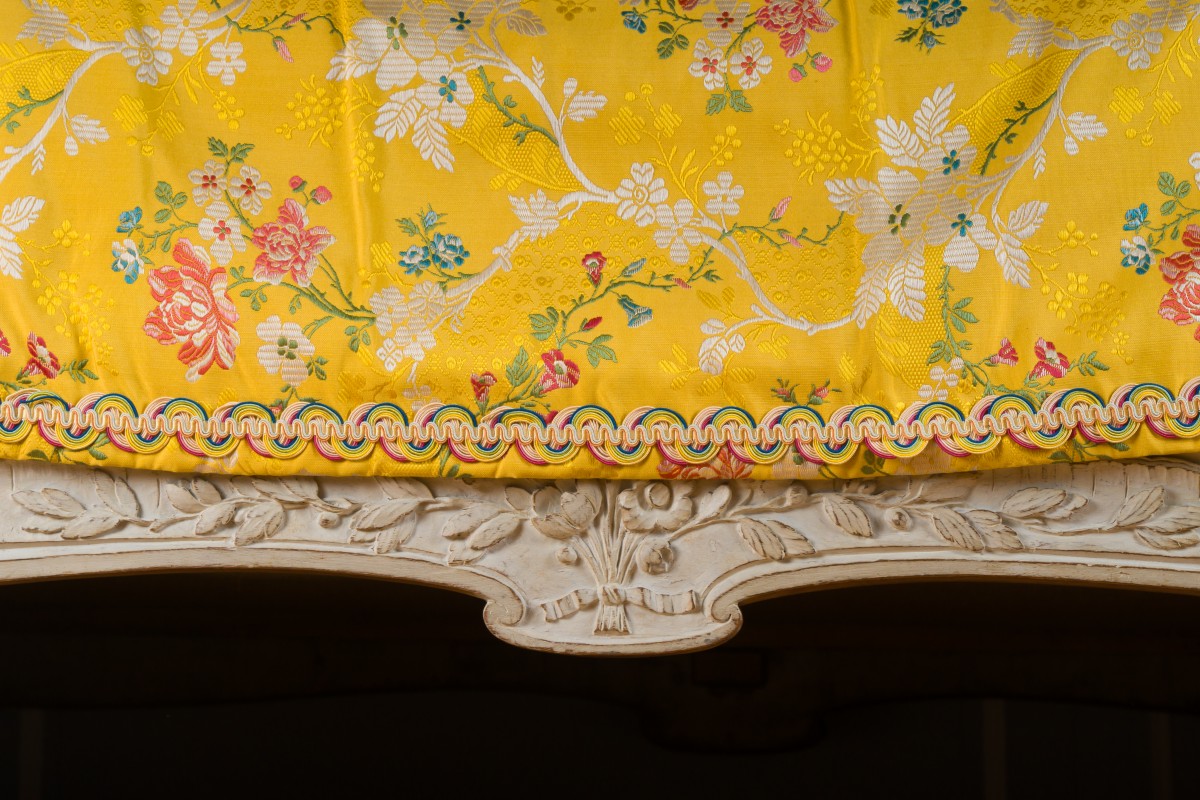
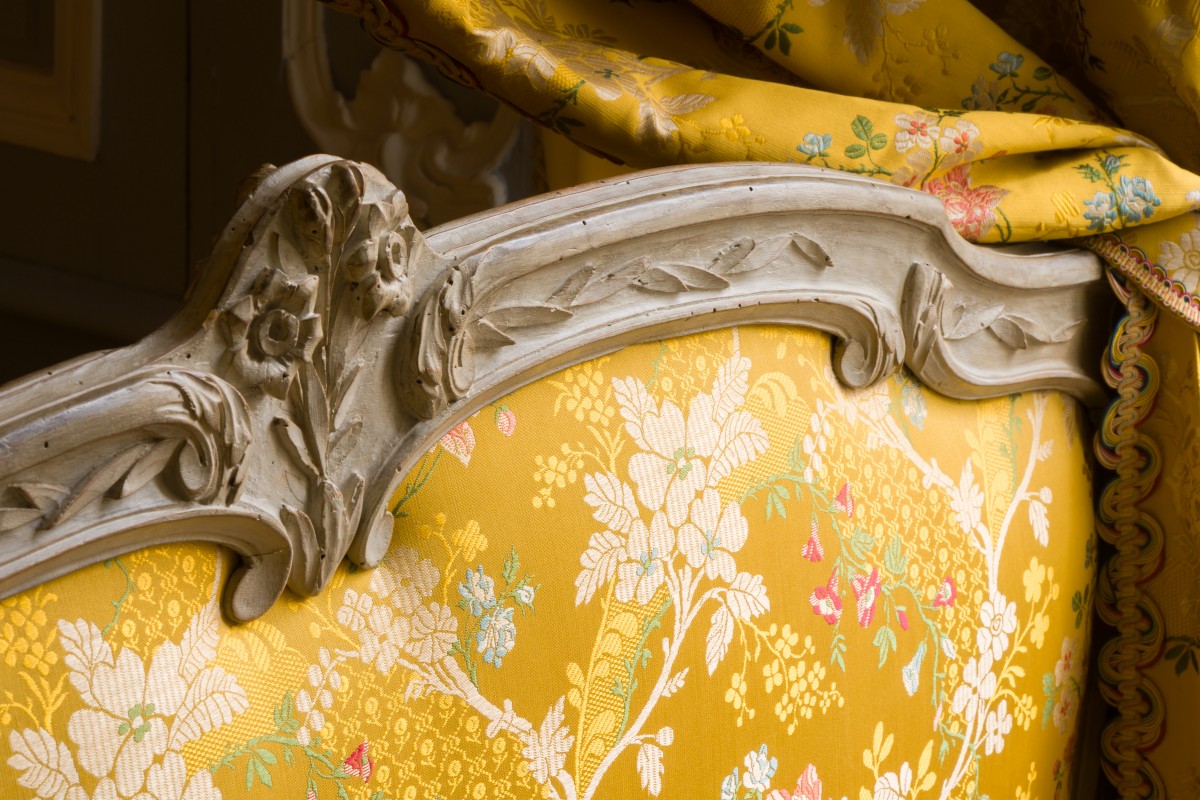
A lit à la polonaise in grey lacquered, moulded and fully carved wood, decorated with flowers and foliage. It rests on four small cabriole legs and is surmounted by a canopy crowned with inverted scrolls and a carved plume finial.
Transition period.
Stamped Nicolas Heurtaut.
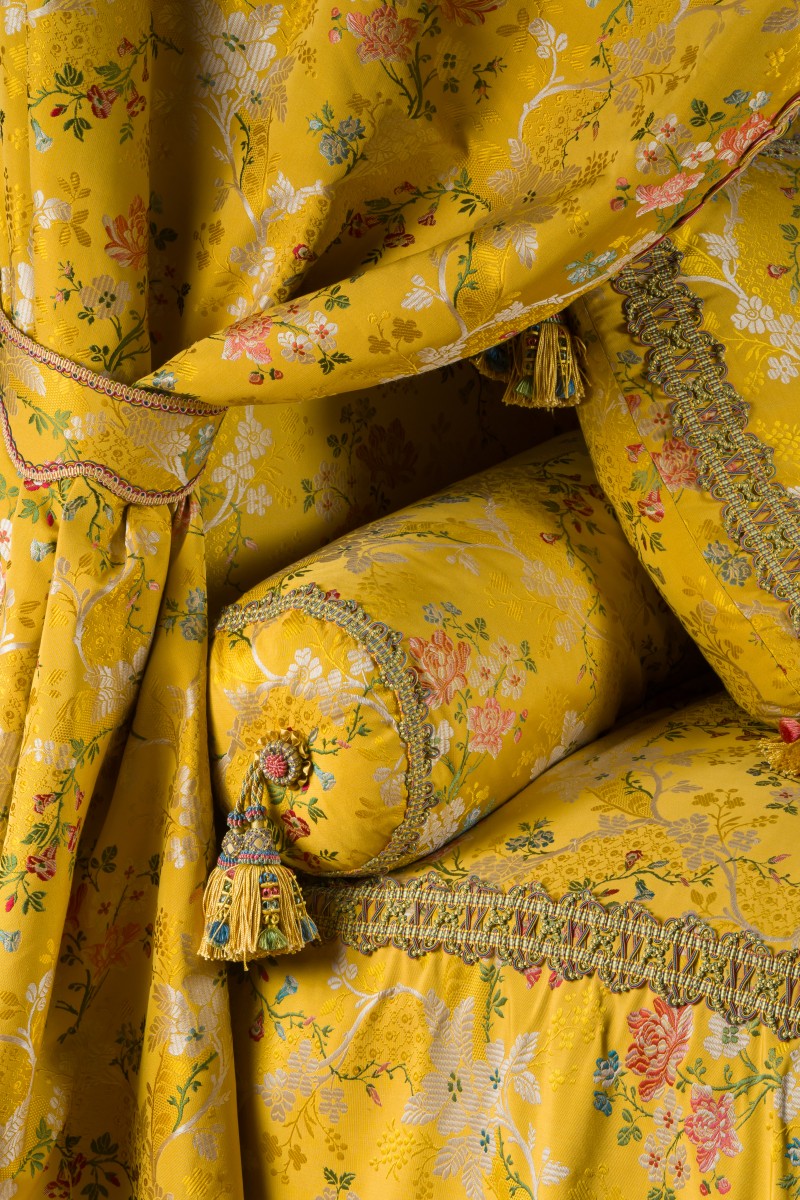
Usual restorations. Upholstered in silk from the Prelle manufactory with passementerie by Declercq.
Dimensions:
Height: 330 cm
Width: 195 cm
Depth: 140 cm
The lit à la polonaise, traditionally placed with its long side against a wall and generally intended for private rooms, differs from the lit à la française or lit à colonnes, a ceremonial bed whose canopy extends over the entire length and which is positioned with its short side against the wall.
Born into a Parisian family of chair-makers, Nicolas Heurtaut was described by his contemporaries as a man full of energy and ideas. He first devoted himself to sculpture and, in 1742, joined the Académie de Saint-Luc, the new name given to his father's school. He worked as a sculptor until 1753 in the Rue Neuve-de-Cléry, collaborating with some of the greatest chair-makers of the period, including Claude Sené and the brothers Nicolas and Jean-Baptiste Tilliard.
He was admitted as a master joiner (maître menuisier) to the Guild of Cabinetmakers and Joiners in 1753, officially registering his master's letters in 1755. He then established his workshop in the Rue de Bourbon-Villeneuve, in the former premises of his father-in-law's workshop, under the sign La Bonne Foi. He also owned a timber yard where he stored large quantities of wood. As both a joiner and sculptor, he worked for furniture dealers and upholsterers while also fulfilling commissions for an elite clientele, including the Duke of La Rochefoucauld and the Marquis de Villarceaux.
Nicolas Heurtaut's work is deeply influenced by his early career as a sculptor. During the 1760s, his style evolved in keeping with changing tastes: forms became lighter and more refined, carving was reduced, and the abundant shells and foliage of the Rococo gave way to roses and more restrained ornamental foliage.