Offered by Art Revival

Paul Jeanneney was born on August 6, 1861, in Strasbourg. After graduating from the École Centrale des Arts et Manufactures in Paris with a degree in engineering, his scientific knowledge gave him an intimate understanding of the chemistry of clays and glazes, which he put to use in his artistic creativity.
When he settled permanently in Paris in 1889 at the Cité Fleurie, he became part of the Parisian artistic circle and met Jean Carriès, with whom he shared his research and his love of Japanese ceramics. Jeanneney himself collected Japanese and Chinese ceramics, as well as those of his contemporaries such as Lachenal, Delaherche, and Chaplet.
He quickly established himself as a specialist in “grand feu” and enamel, a demanding technique in which metal oxides are fired at very high temperatures. The difficulties inherent in this technique would ultimately take their toll on the mental and financial health of his friend Jean Carriès, who died in 1894.
In 1898, Paul Jeanneney acquired the Château de Saint-Amand-en-Puisaye, continuing the thousand-year-old tradition of local pottery and Jean Carriès' vision, attracting many artists in his wake, such as Eugène Lion and Abbé Pierre Pacton, who, together with others, would form what is now known as the Carriès School.
His talent and artistry earned him the esteem of the greatest artists, such as Rodin, with whom he collaborated on his “Head of Balzac,” which won an award at the 1904 World's Fair in St. Louis.
Paul Jeanneney embodies the skilled ceramist, combining the rigor of an engineer with the sensitivity of an artist.
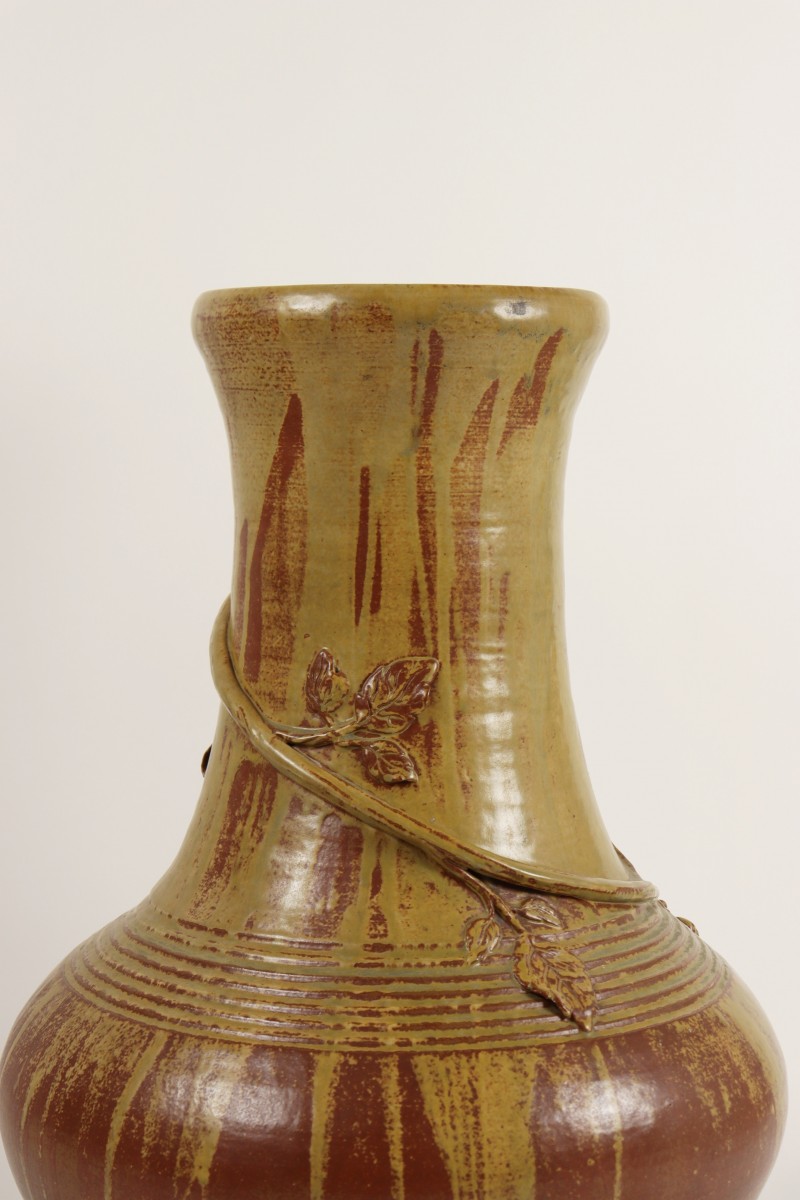
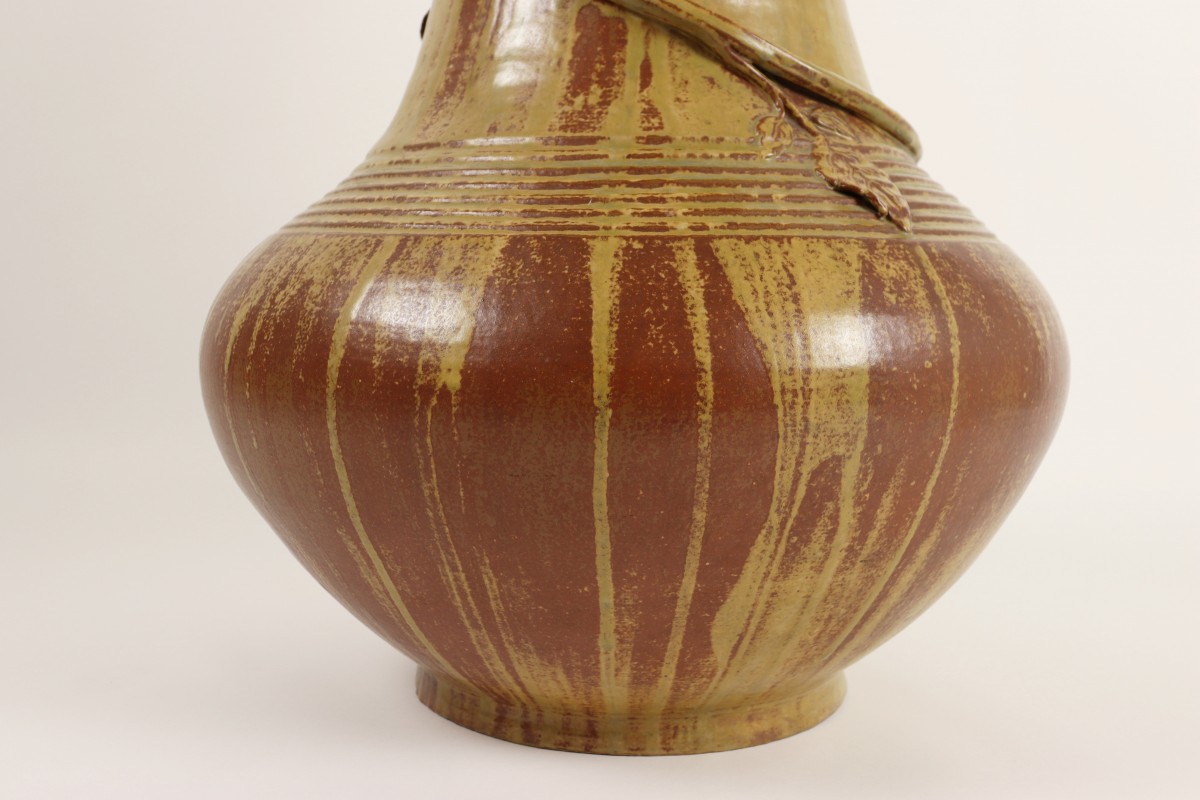
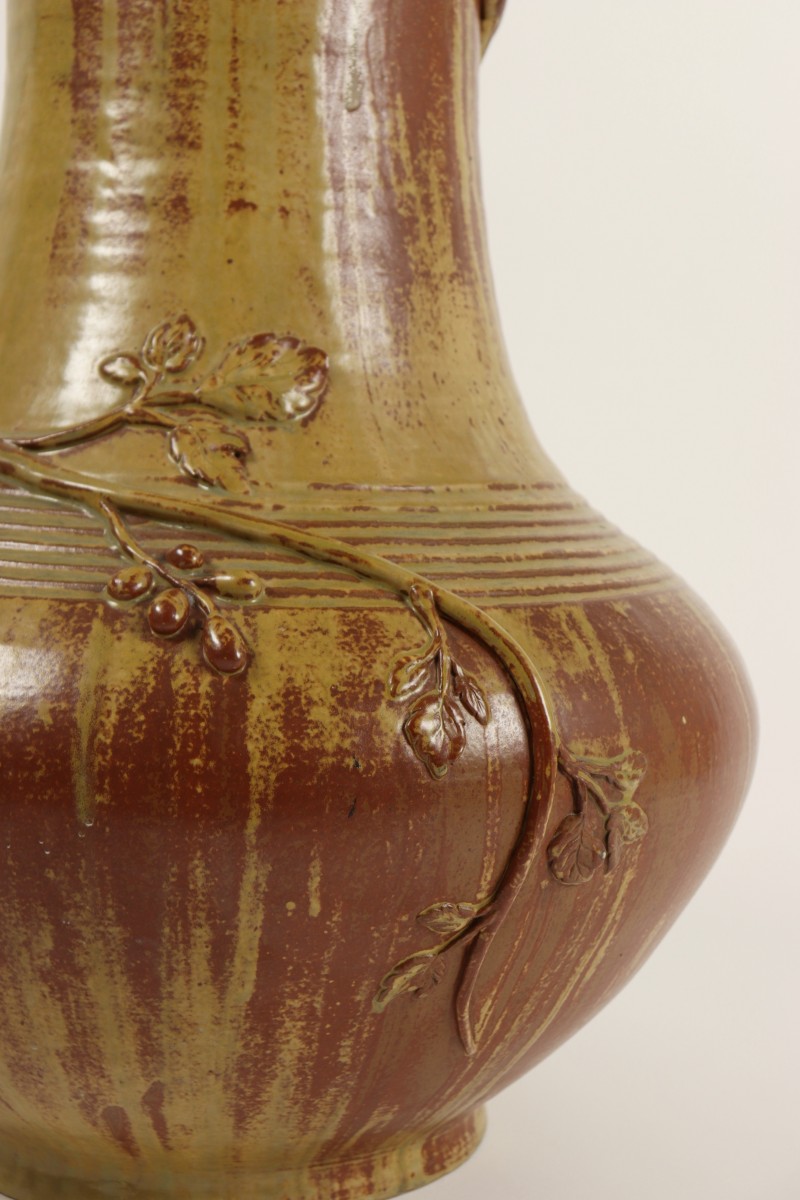
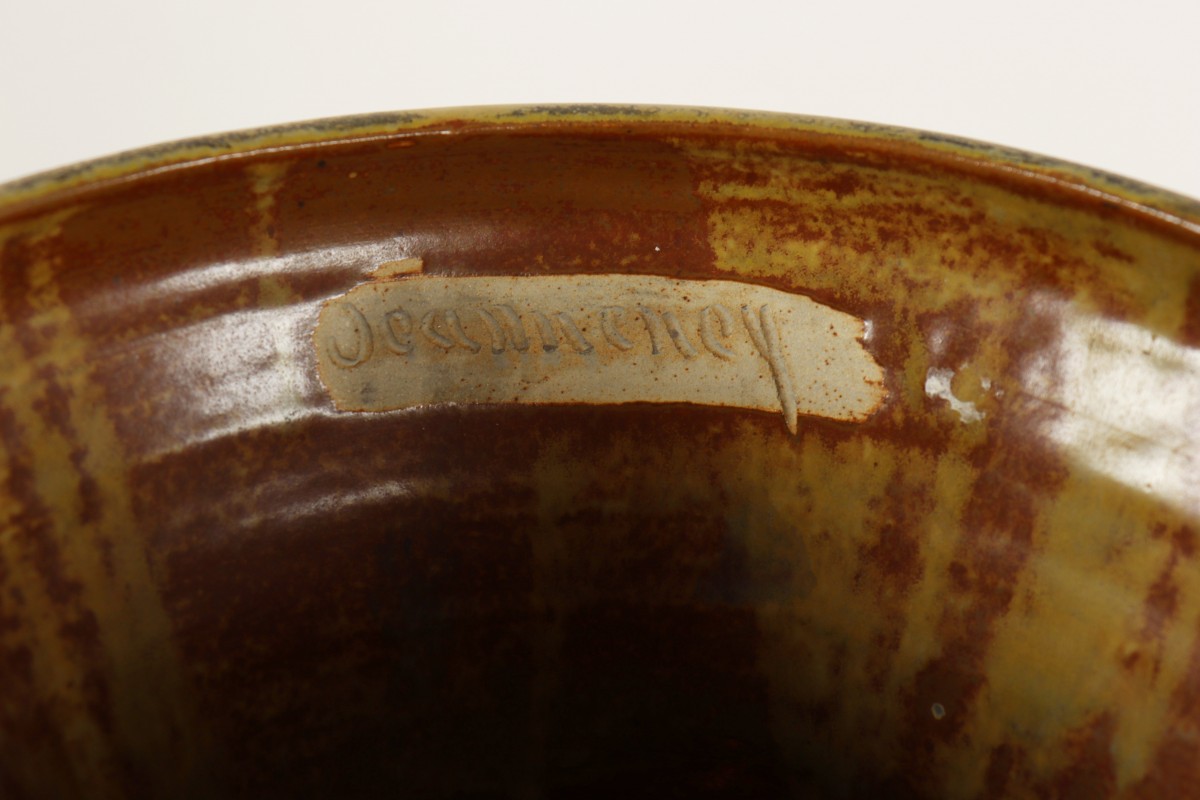
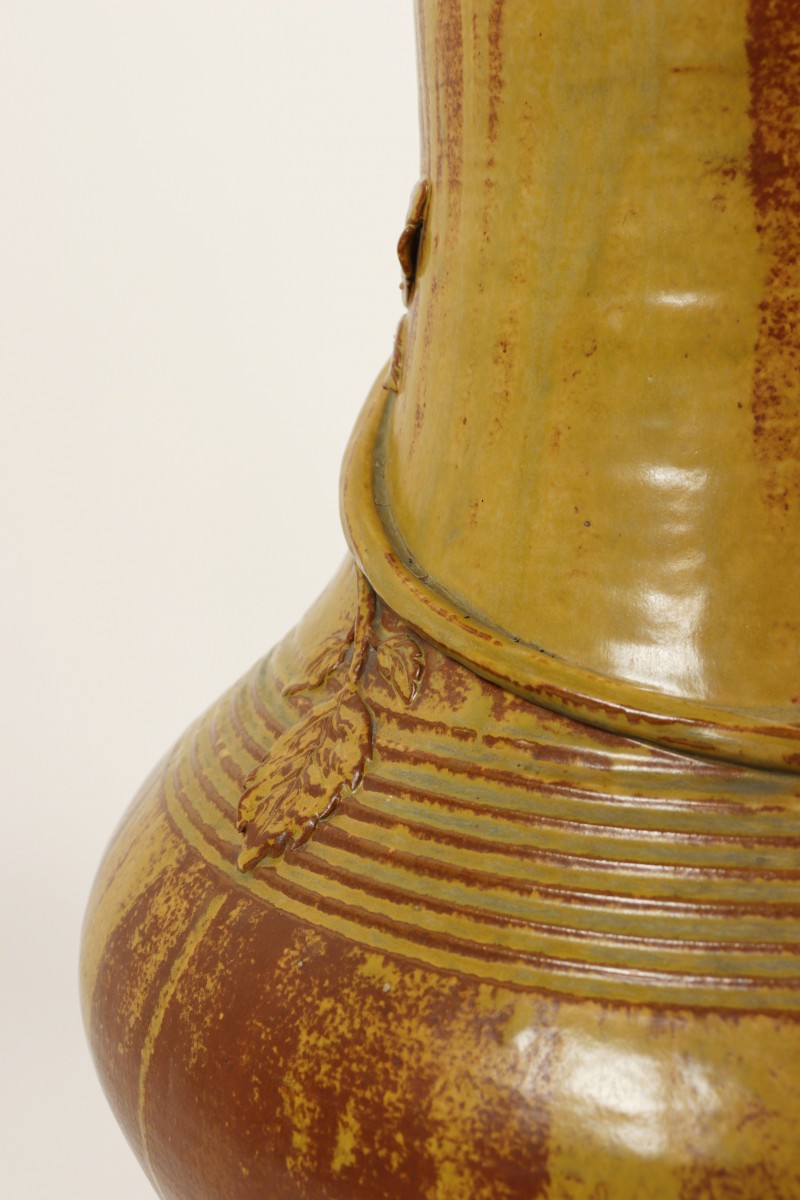
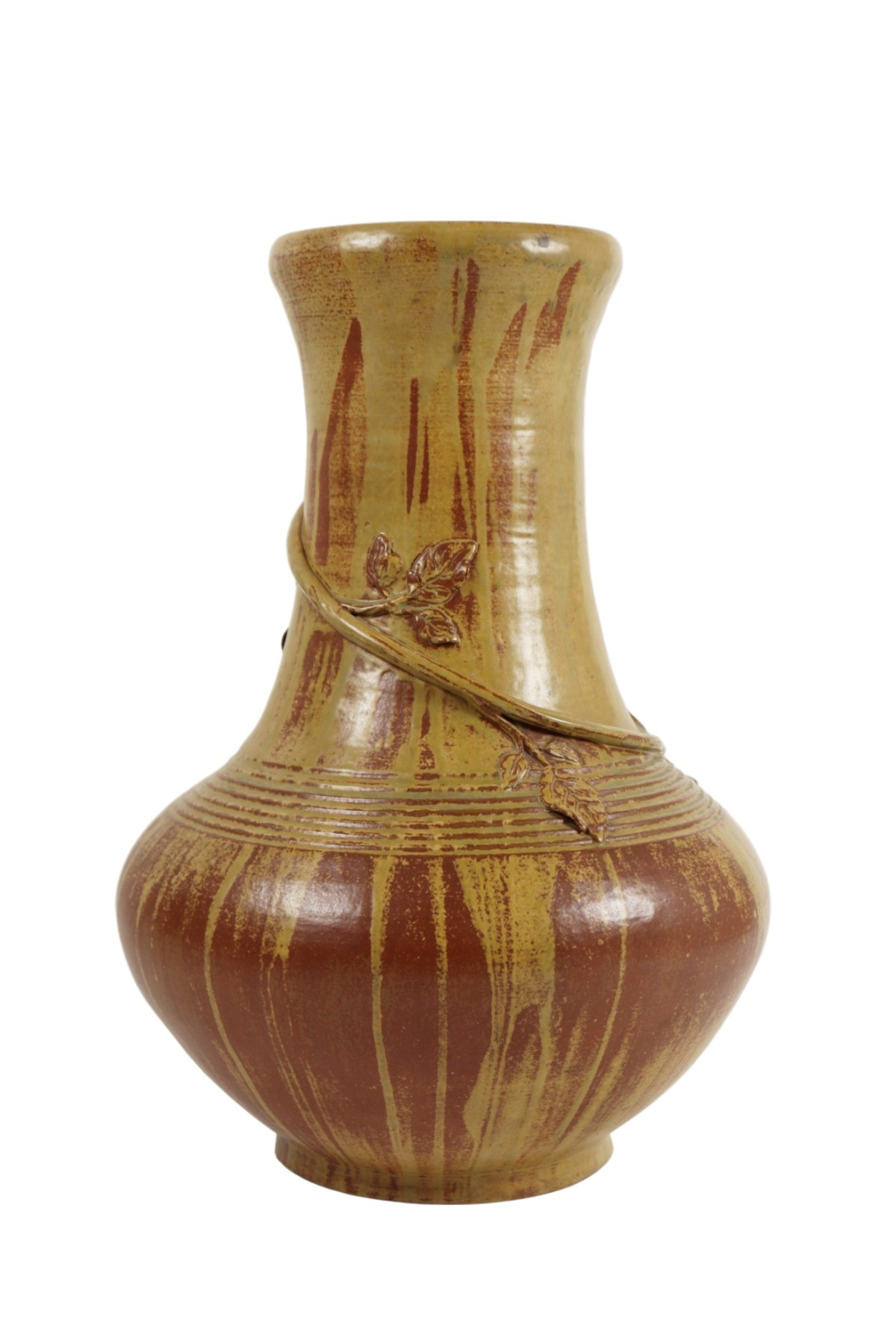
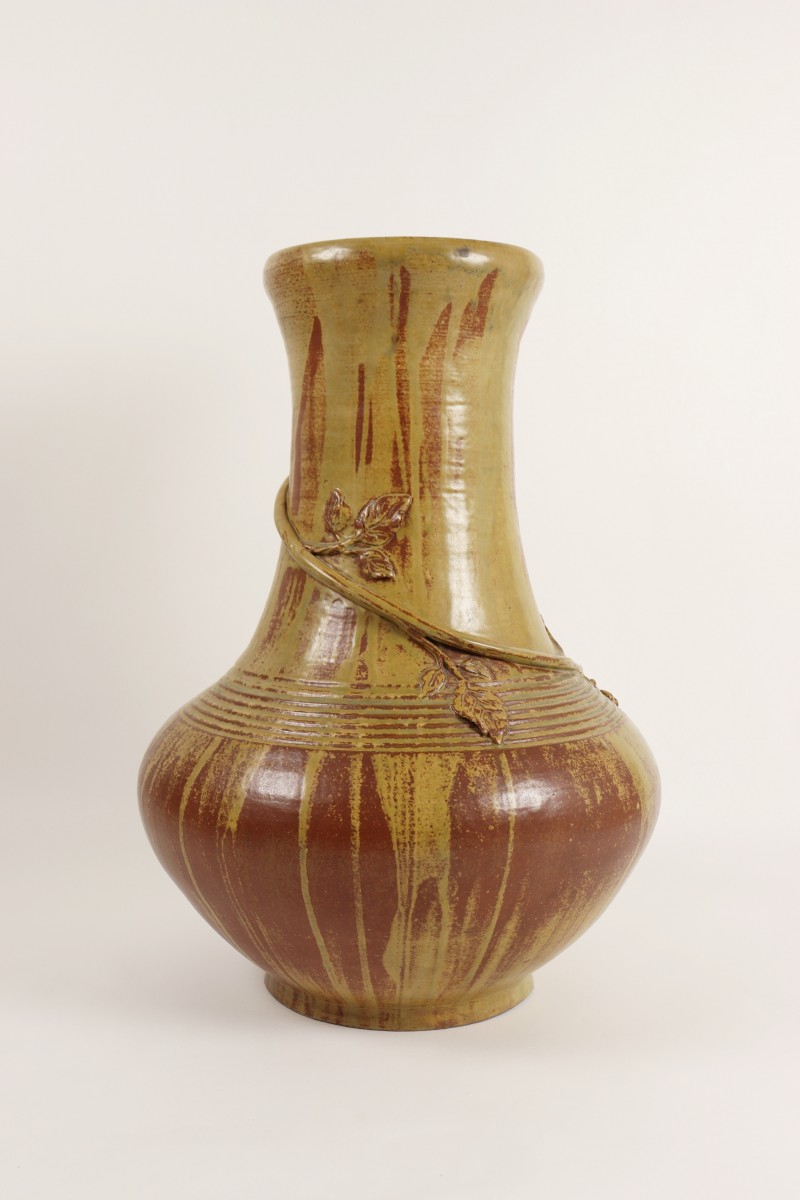
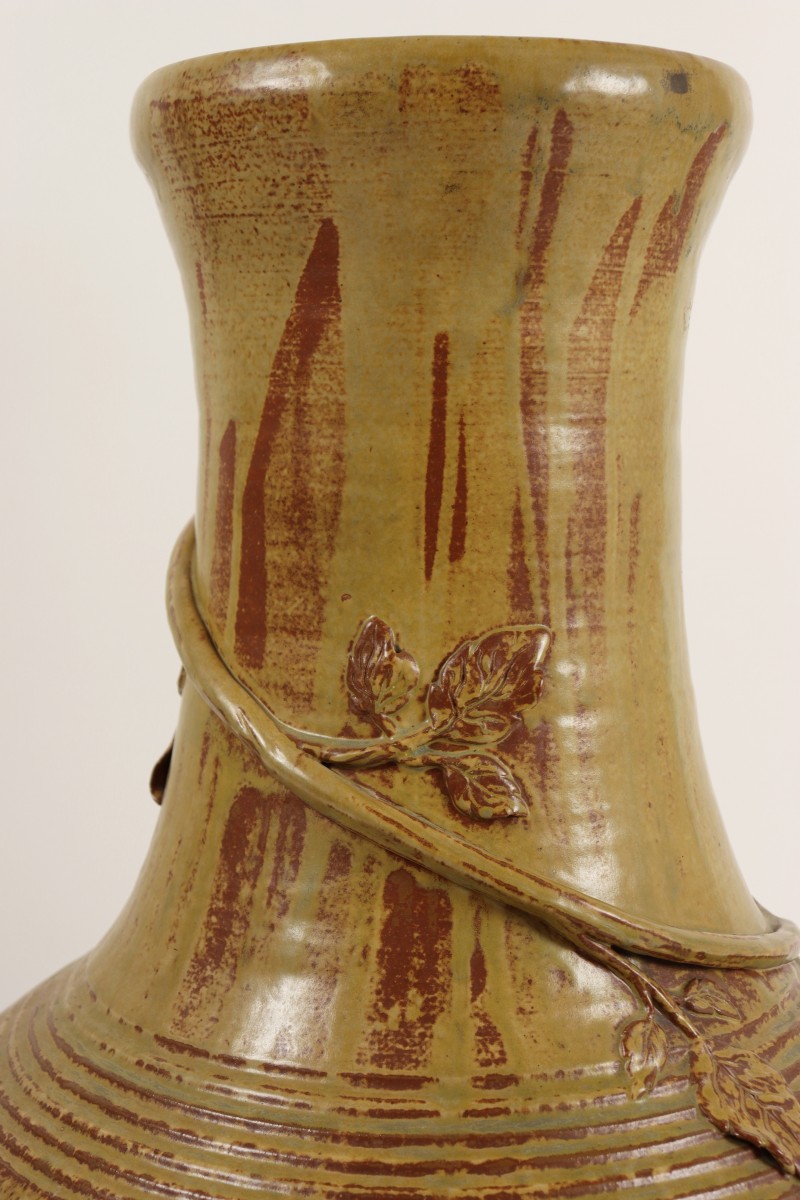
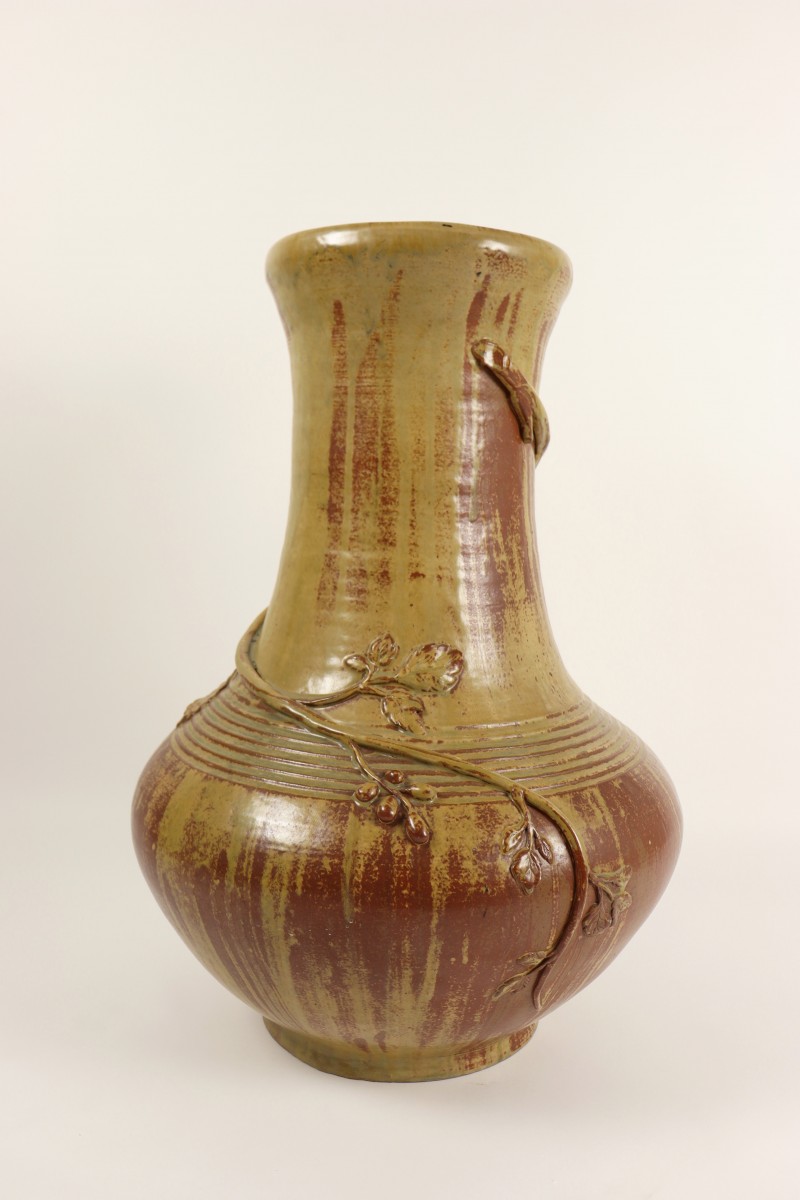
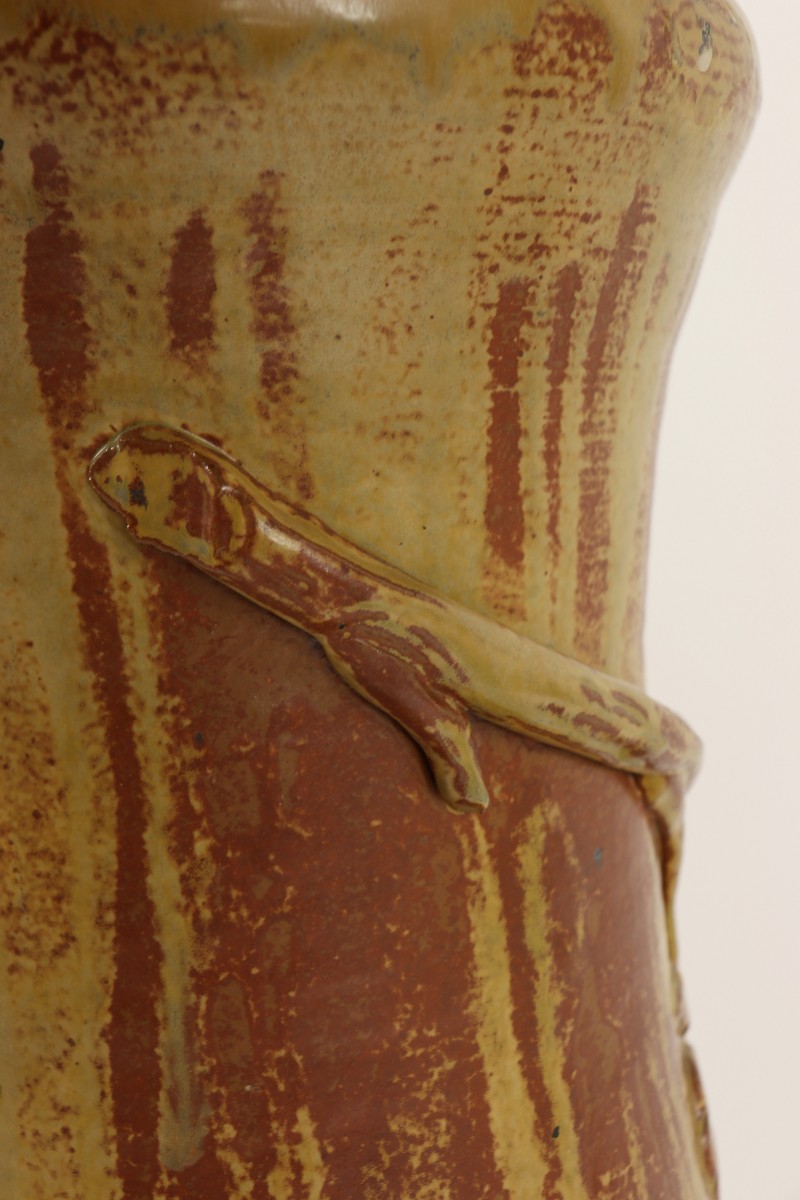
His work, at the crossroads of Japonism, Art Nouveau, and modernity, is perfectly embodied in the vase we are presenting. Monumentality, purity of form and color, and delicate ornamental language come together in this important vase.