Offered by MLD Antiquités

18th and 19th centuries Furniture and Fine Art
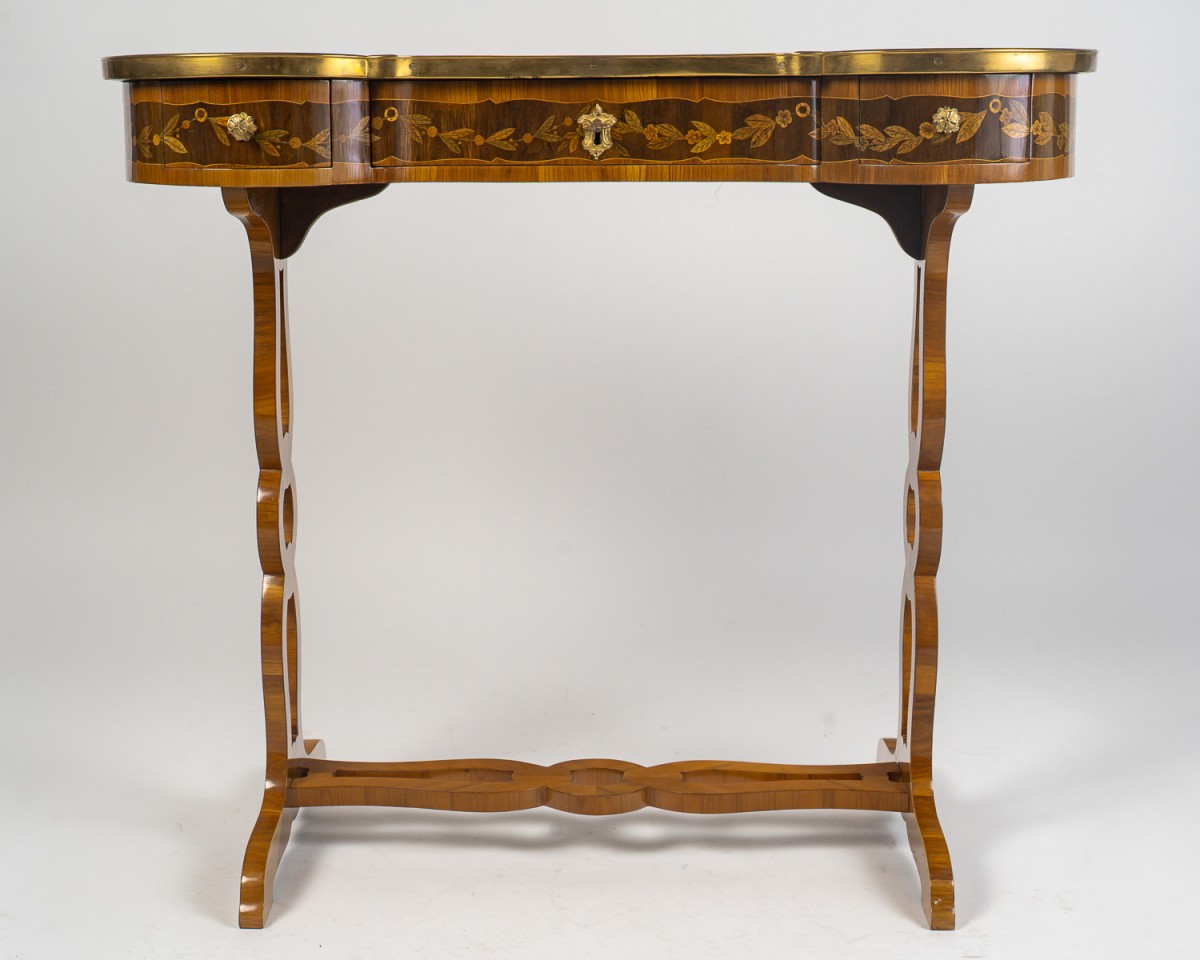
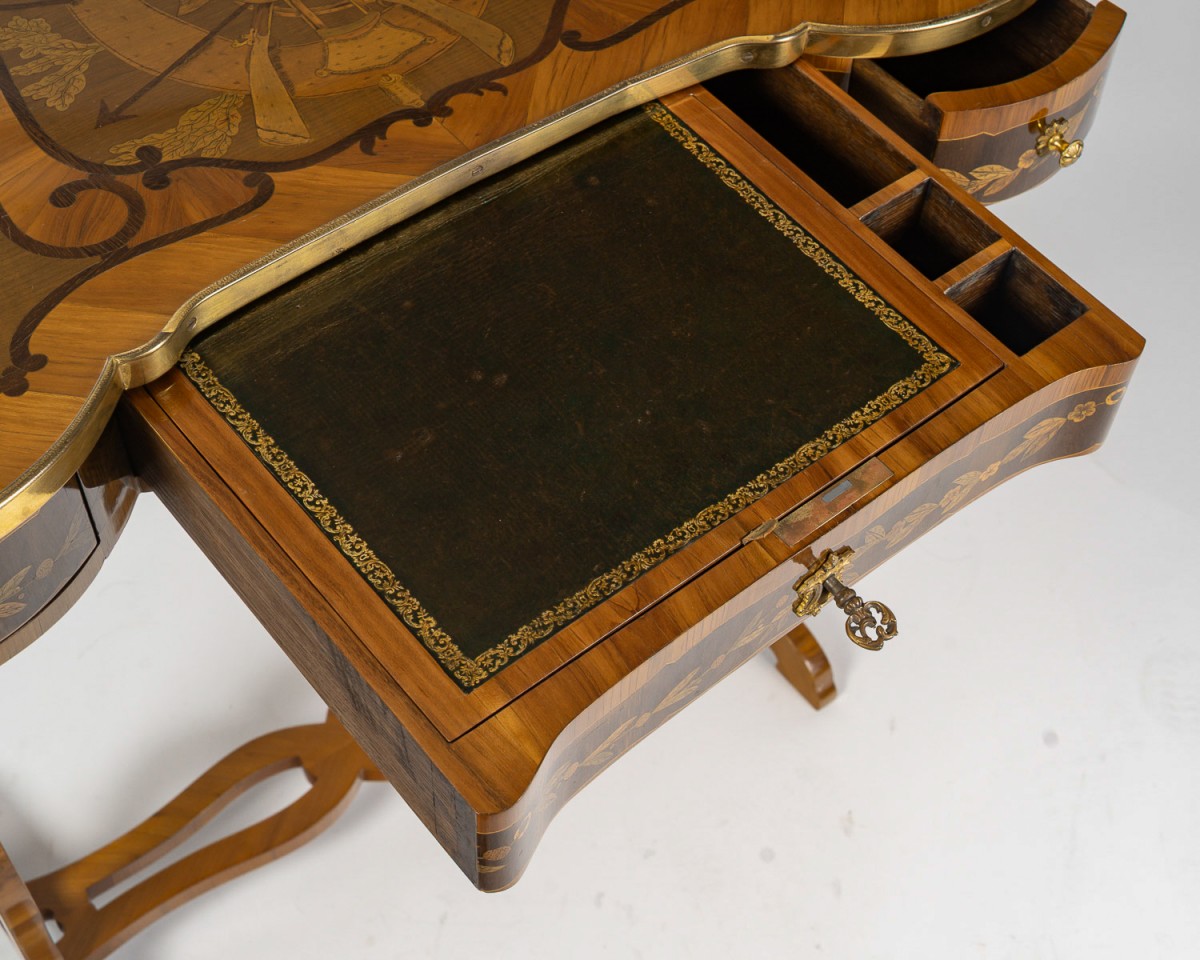
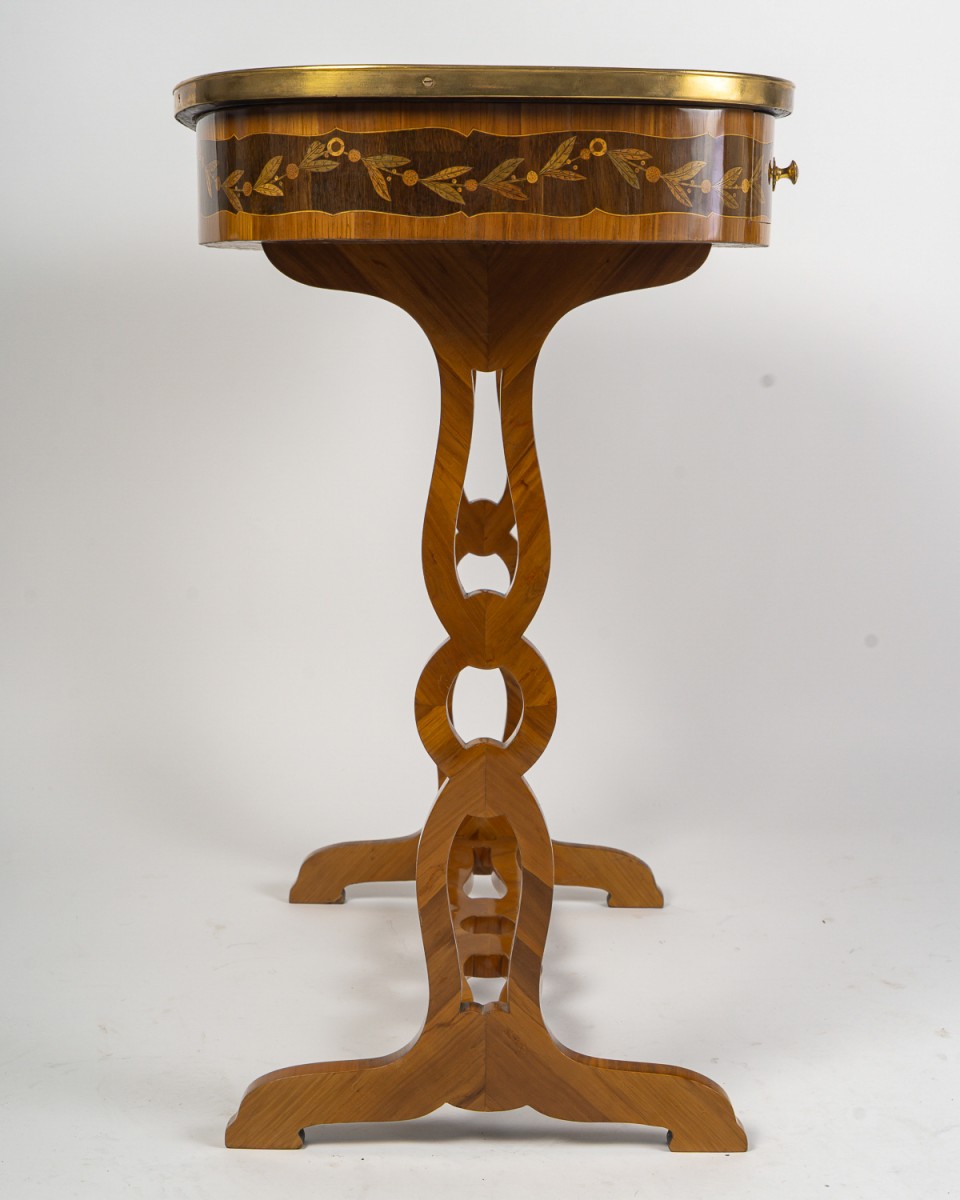
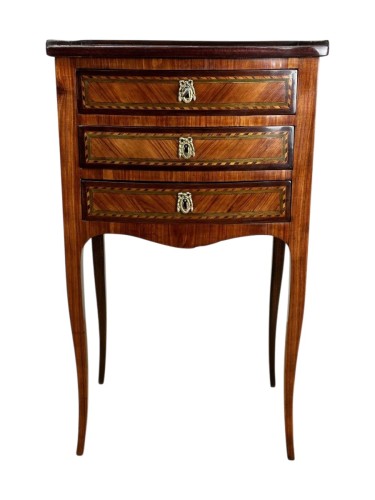
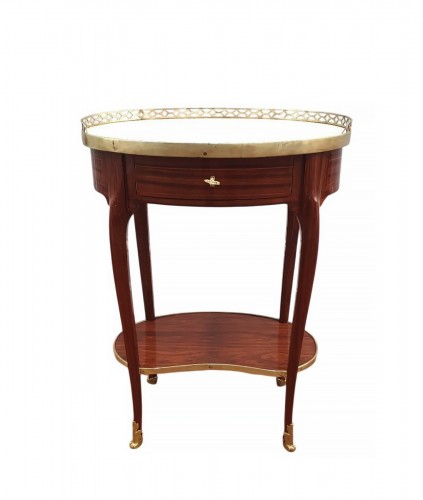
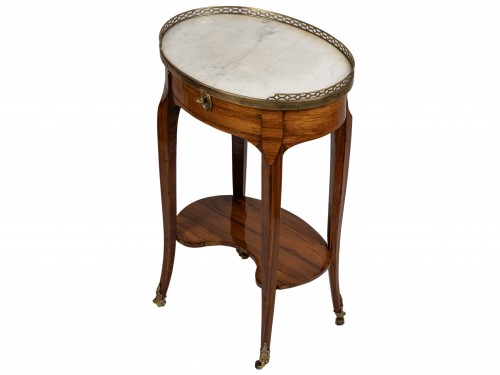
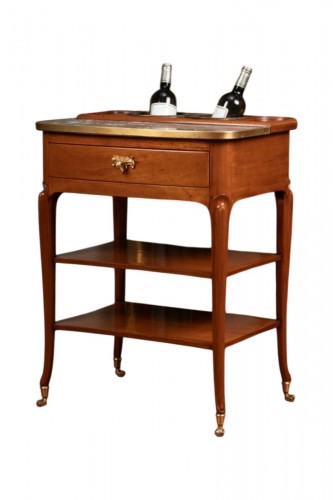
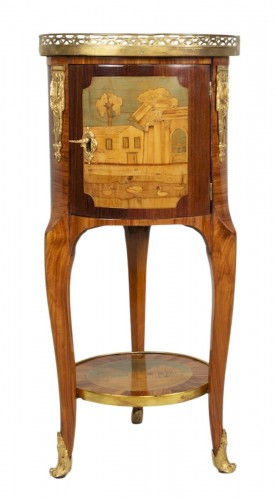
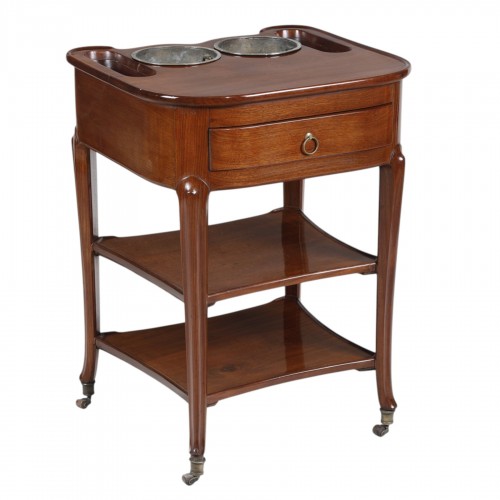
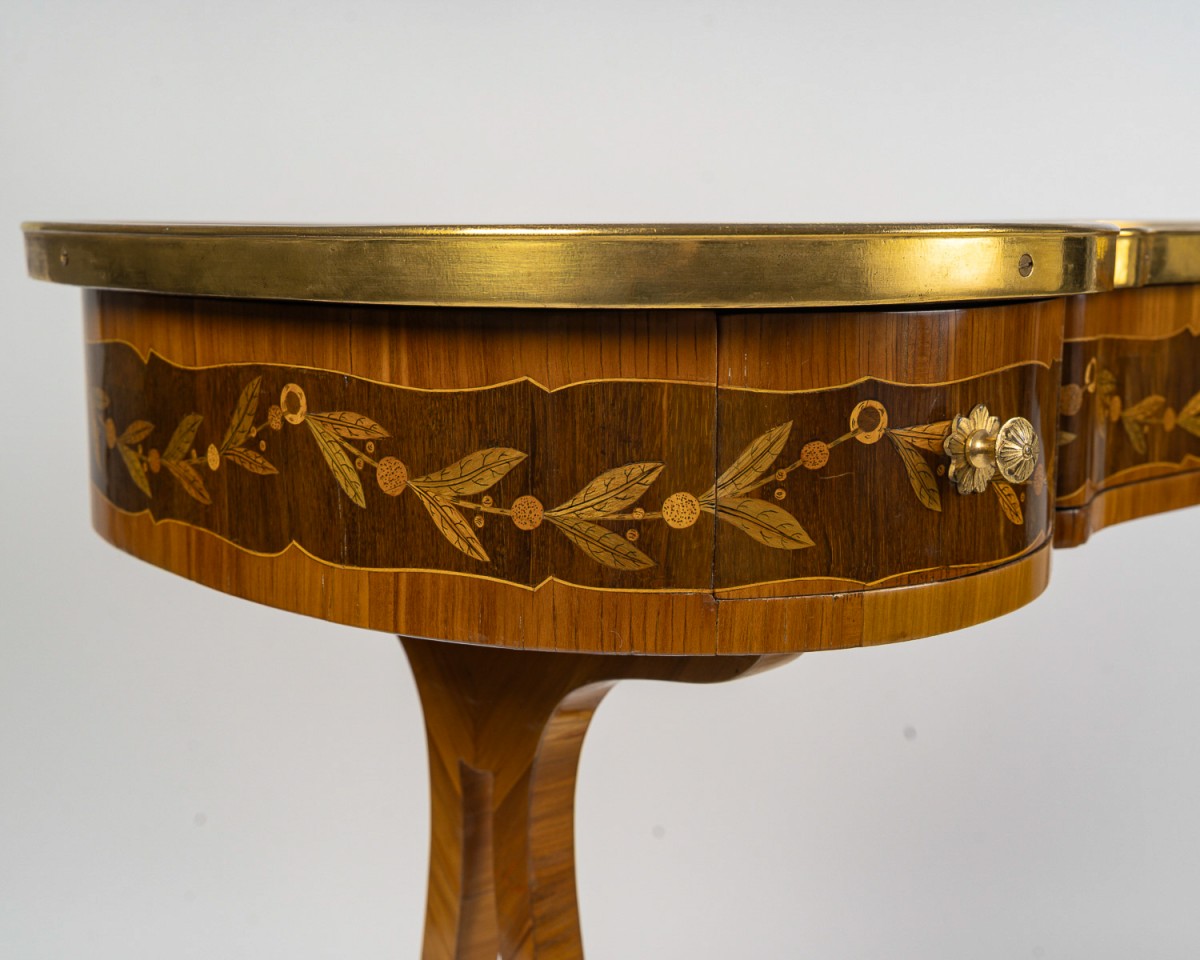
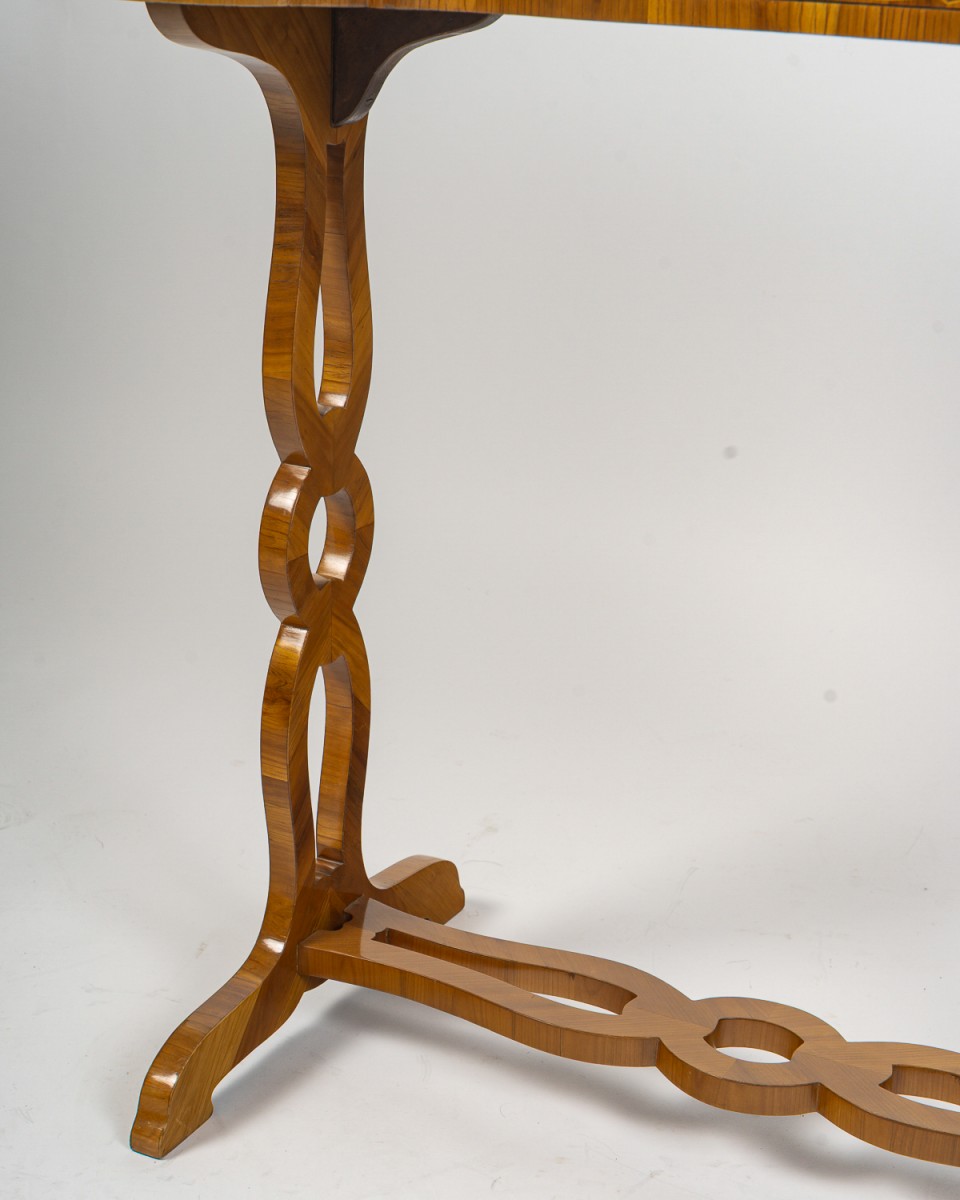
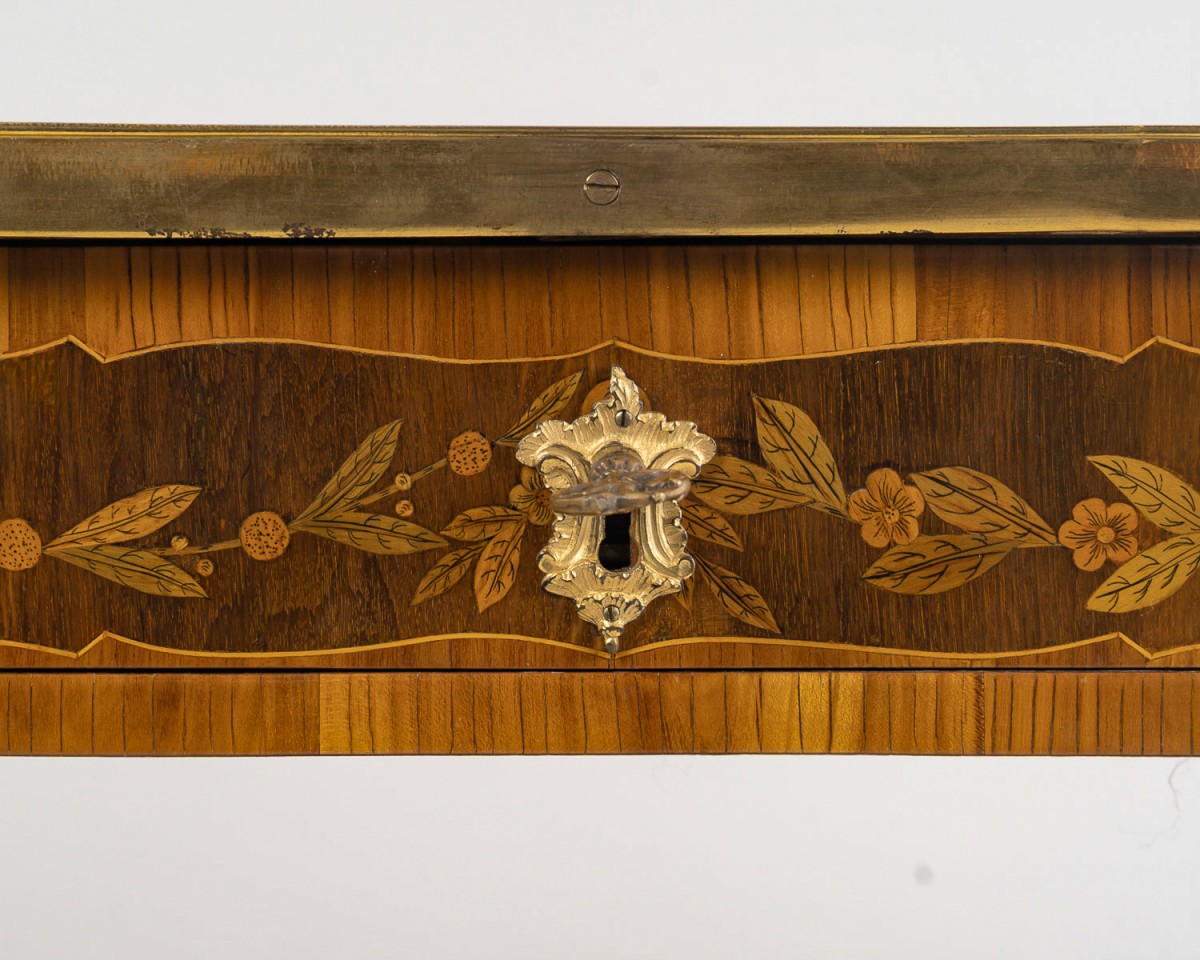
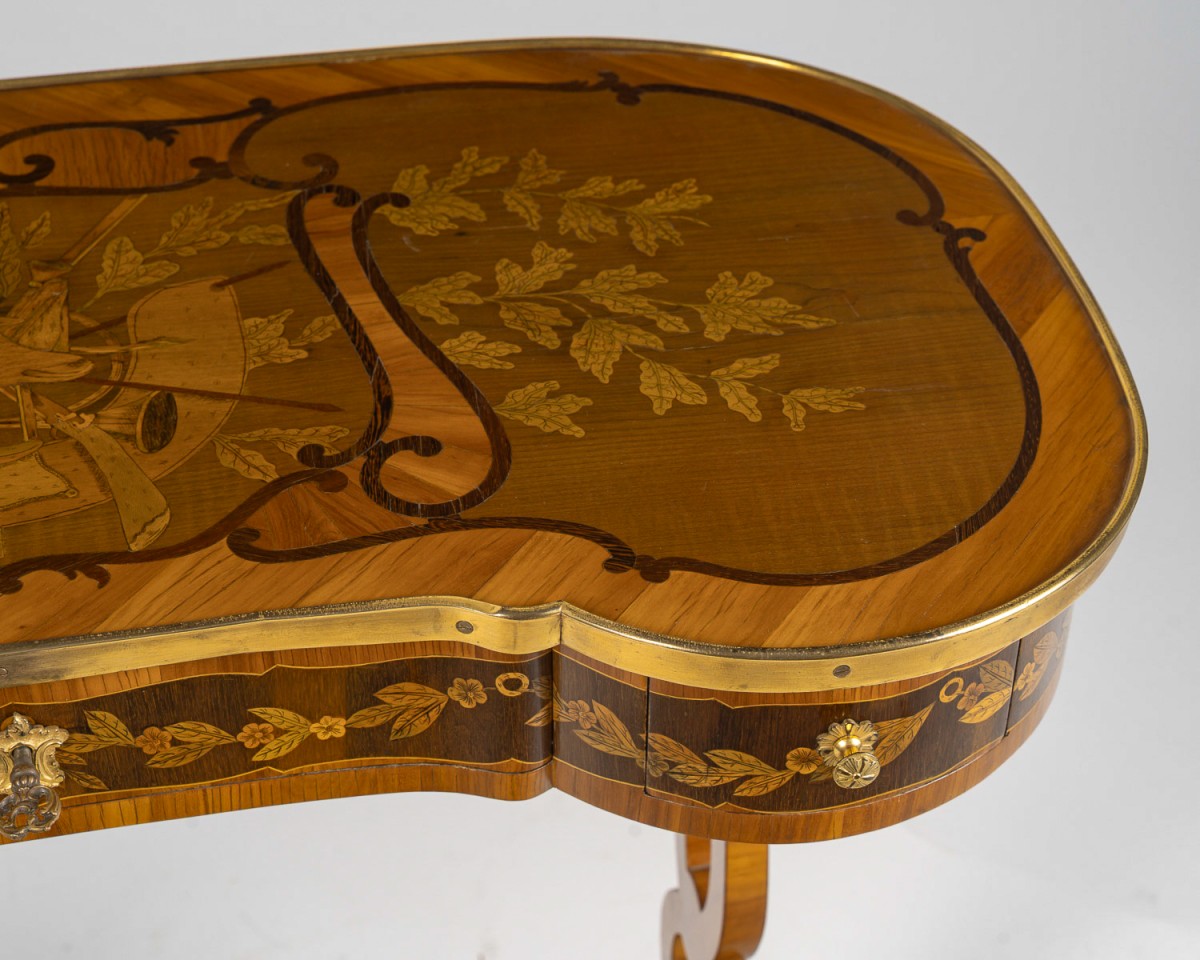
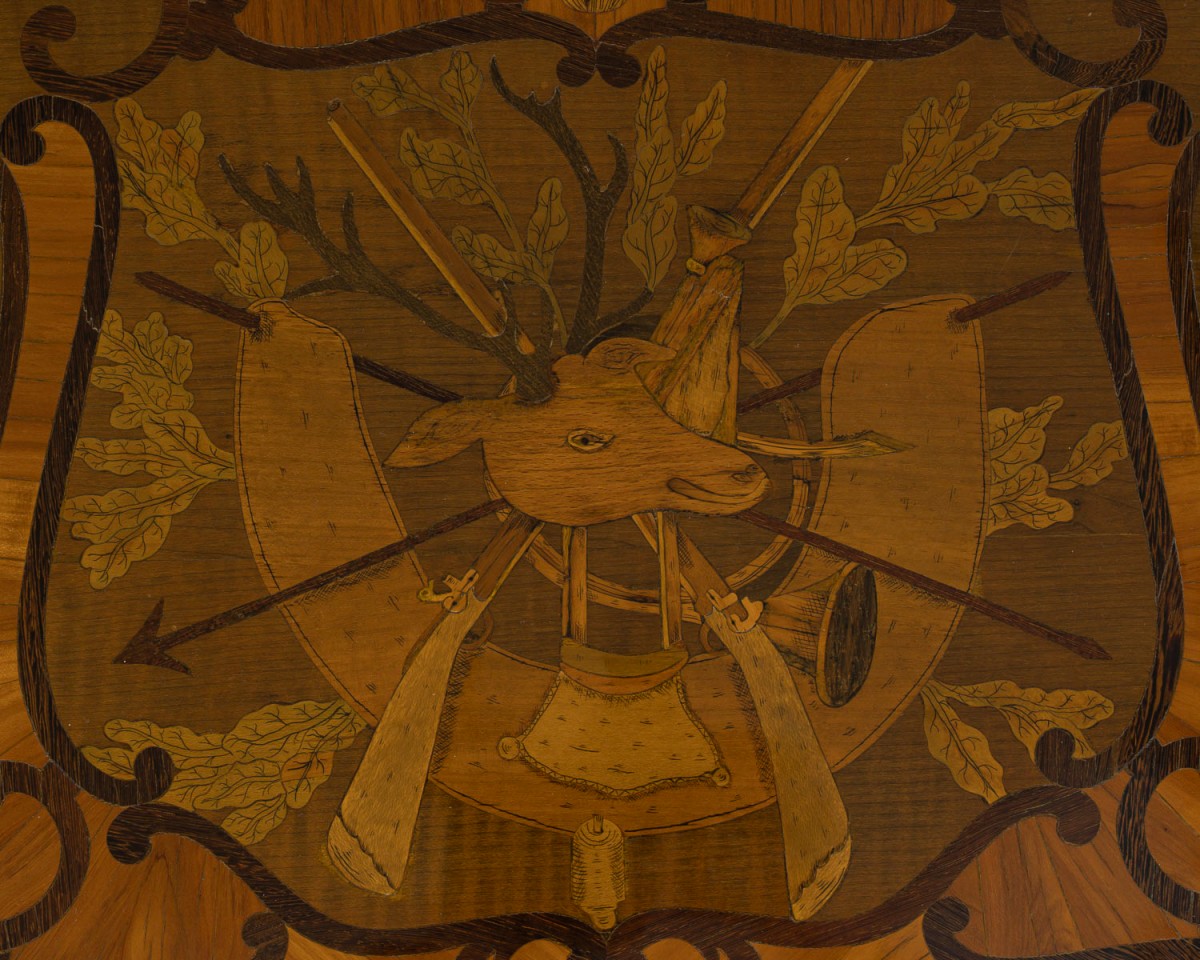
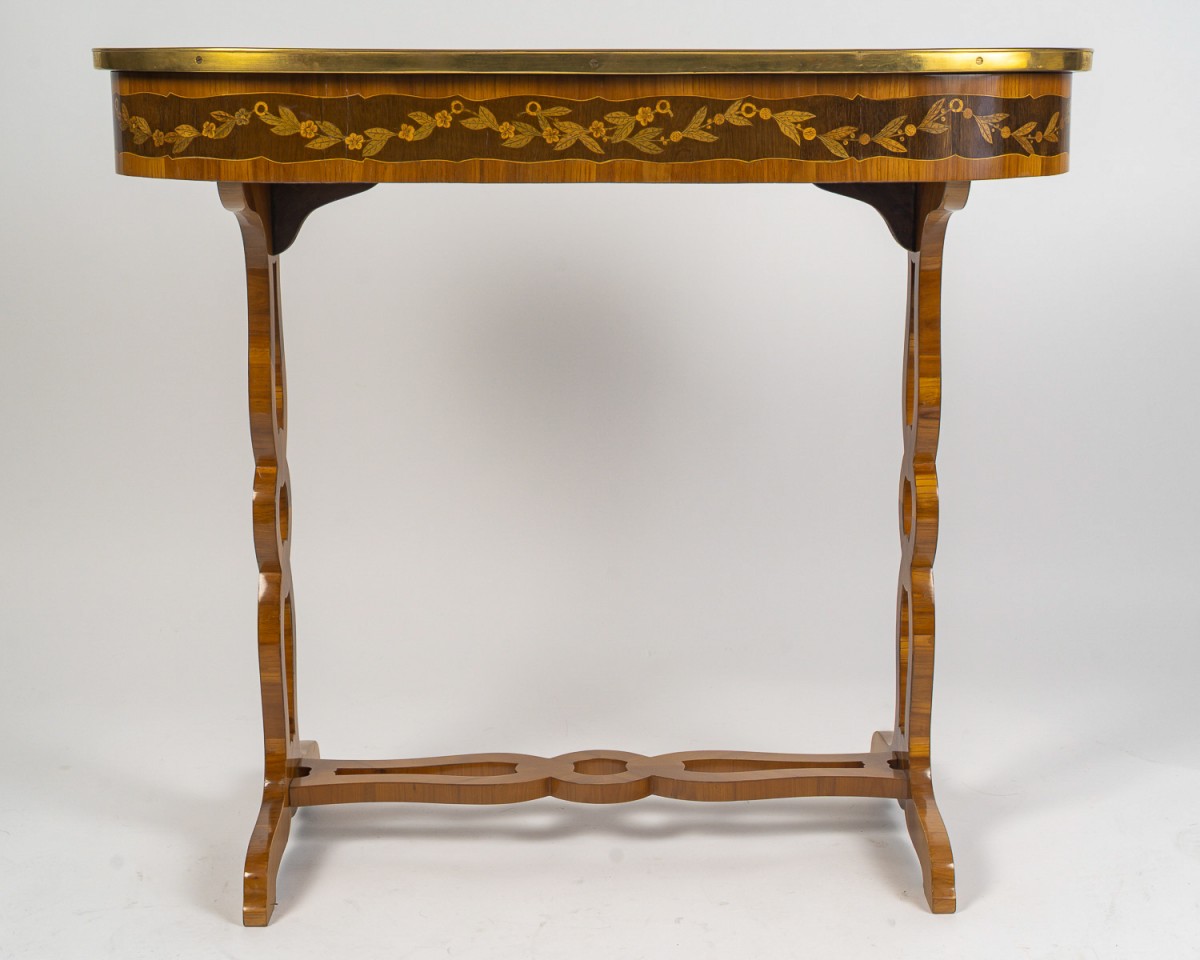
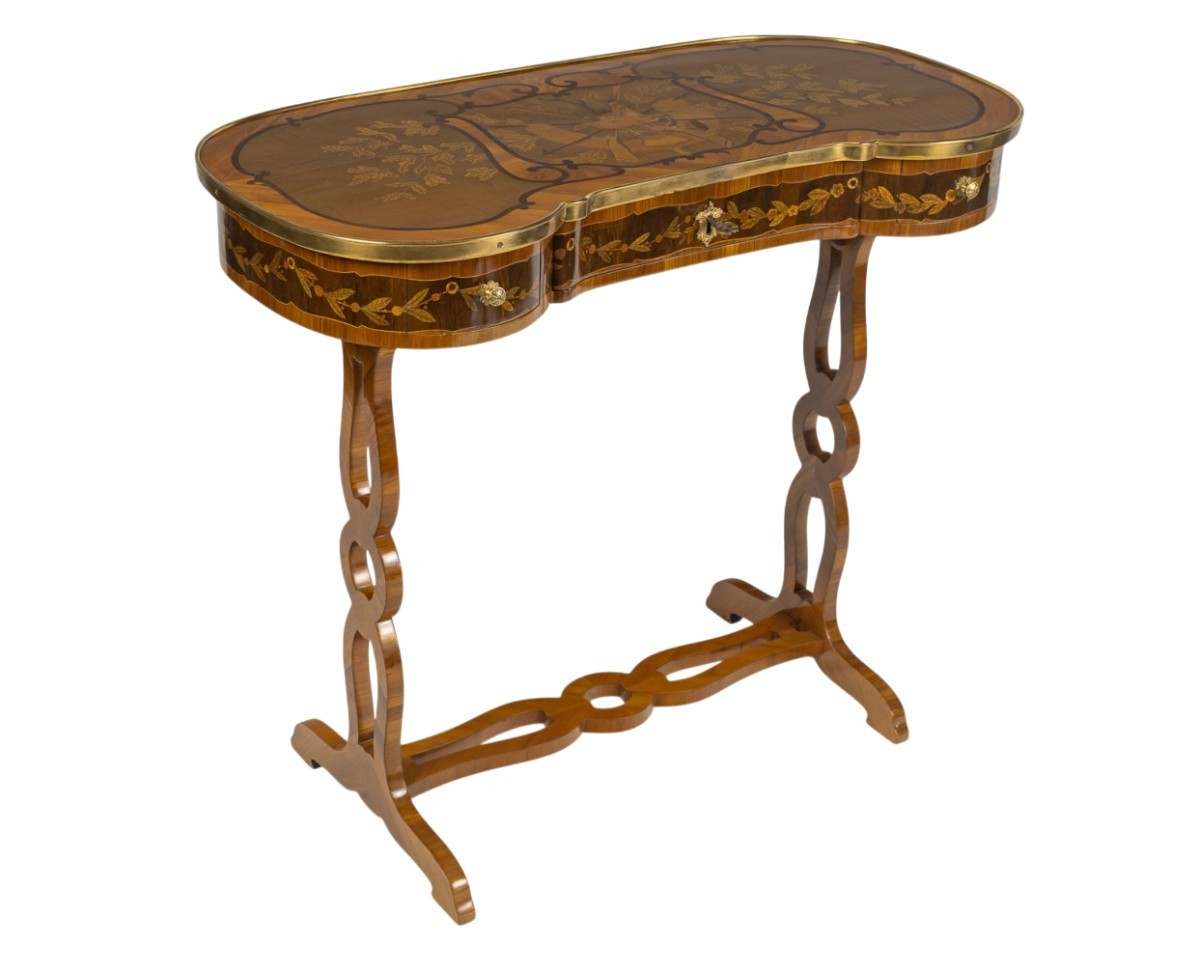
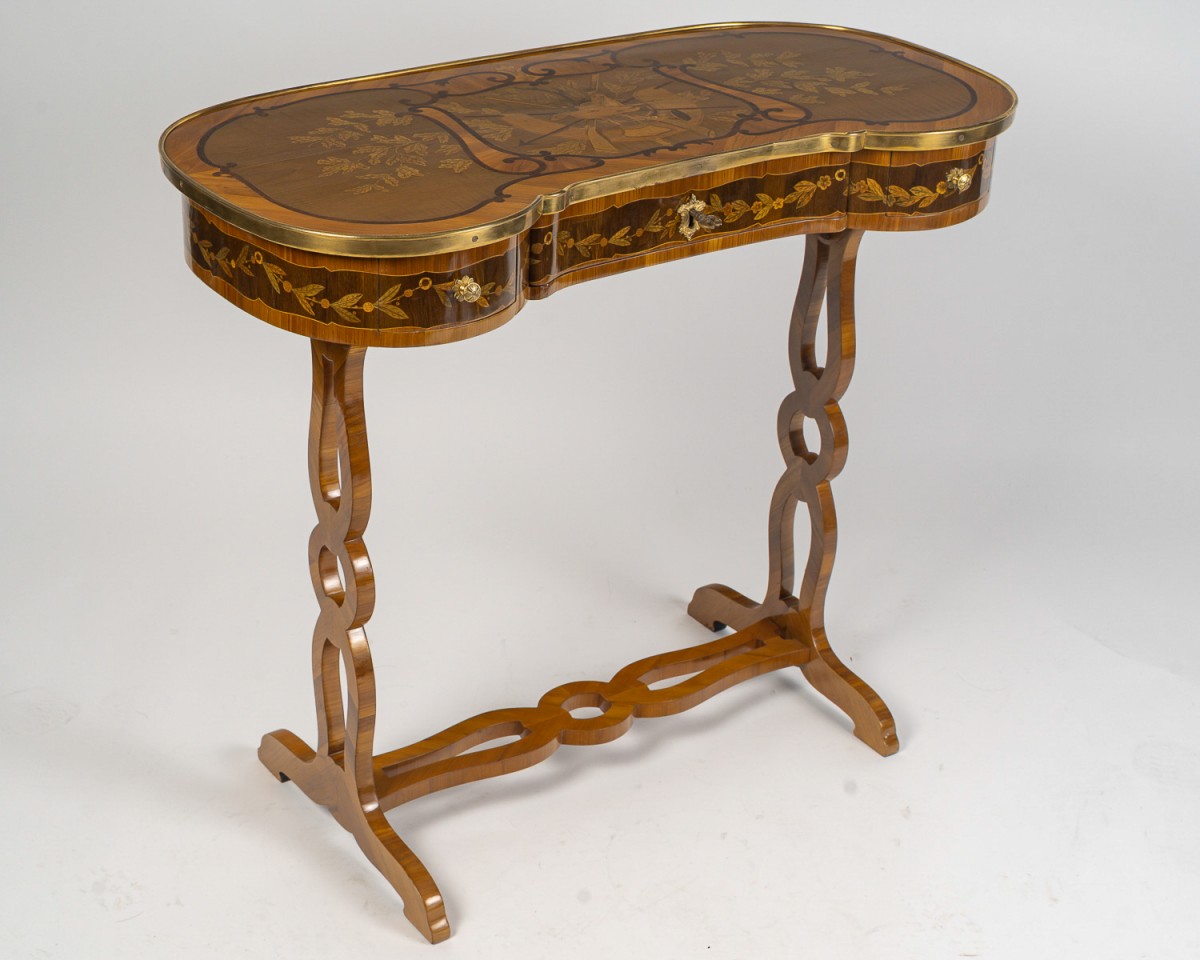
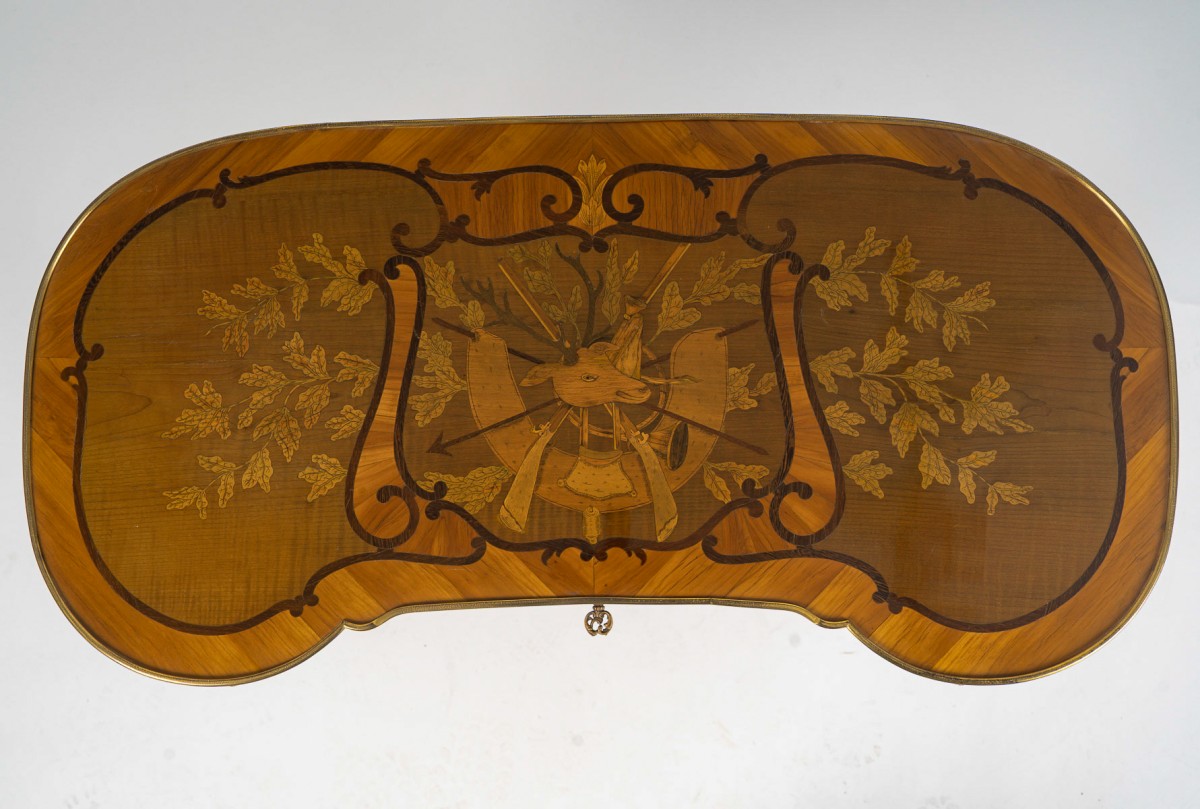
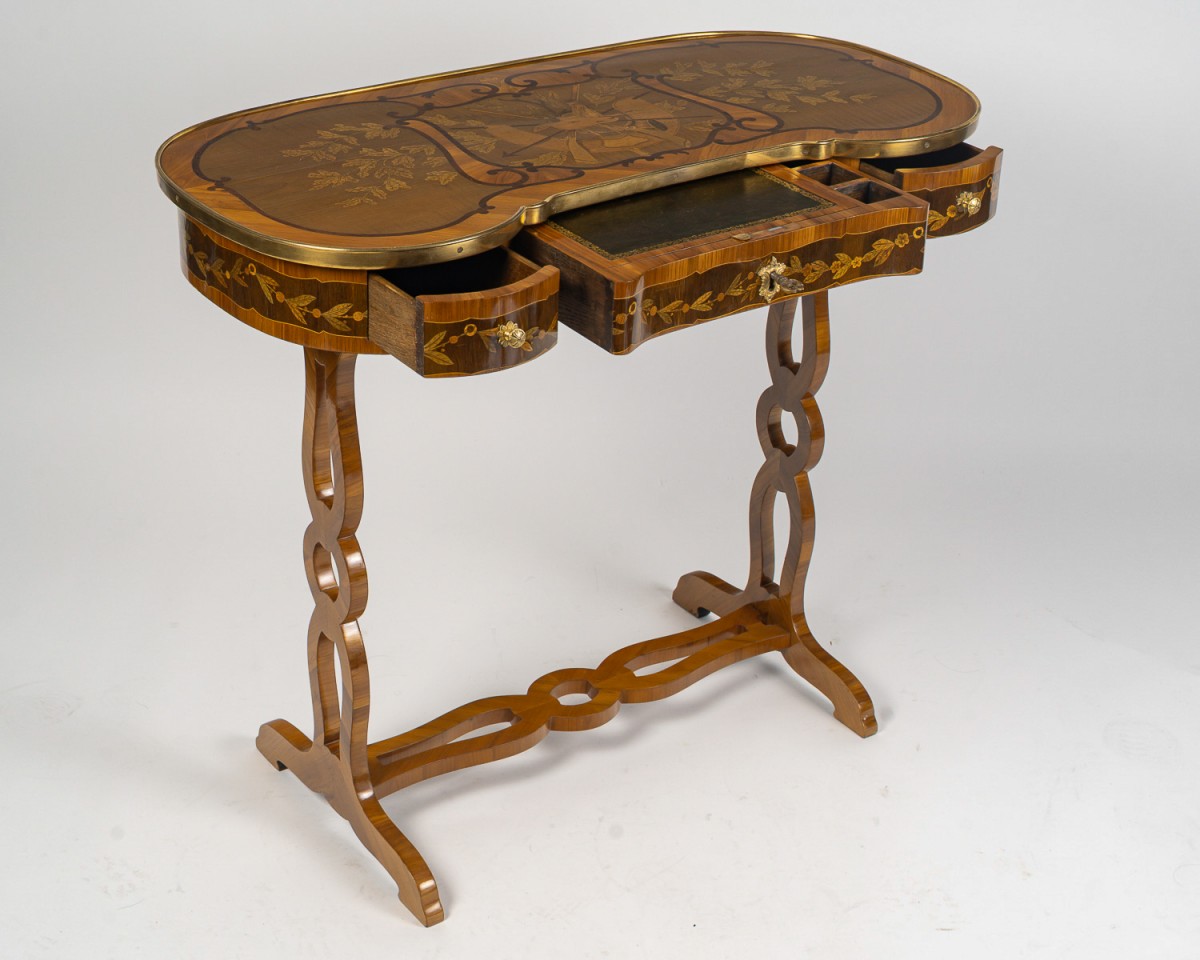
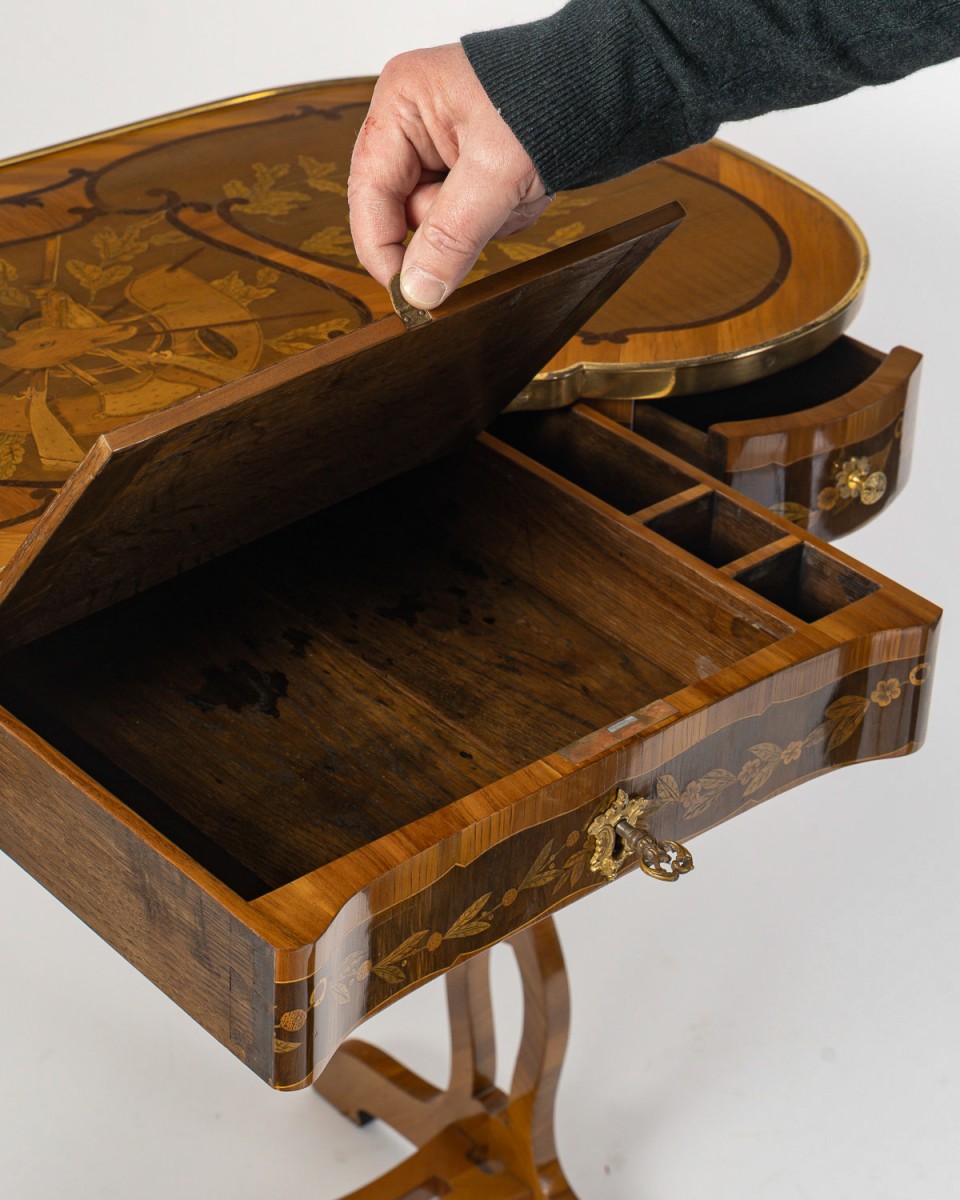
An exceptional curved writing table, its top framed by a gilt-bronze molding and adorned with hunting trophy marquetry of precious woods: cherry, amaranth inlays, and stained boxwood on a sycamore ground. The apron, decorated with a foliate garland of stained boxwood and sycamore on an amaranth ground, features three drawers—one of which serves as a writing compartment lined with gilt-tooled leather. The table stands on pierced supports terminating in scroll feet, joined by a stretcher. The finely cast gilt-bronze mounts complete this distinguished piece.
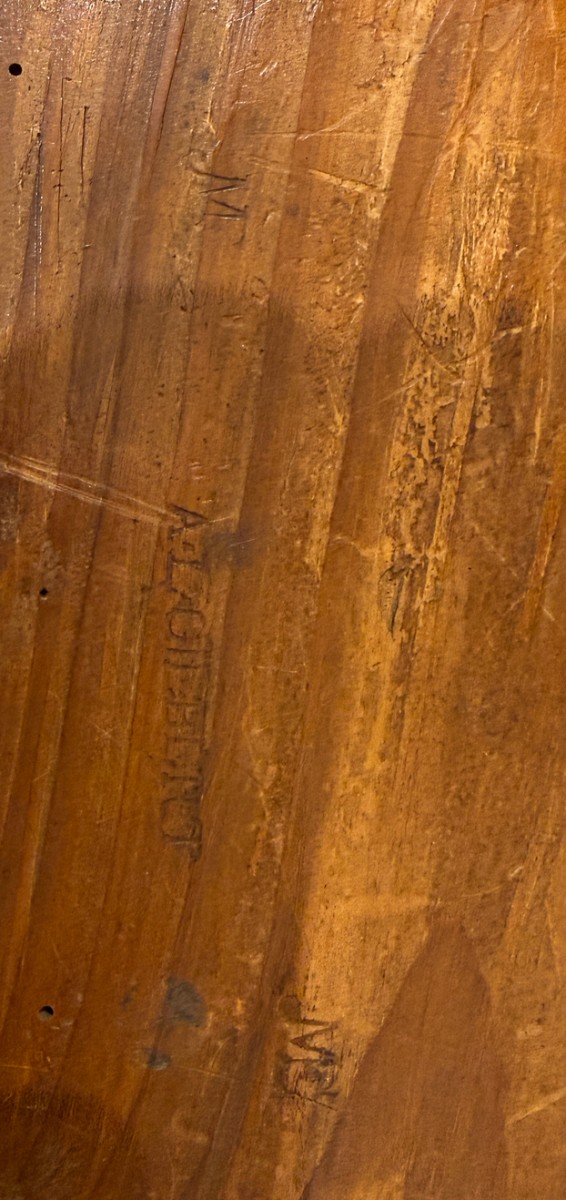
Stamped twice beneath the top A.L Gilbert, this table also bears multiple marks of the Parisian Guild of Cabinetmakers (JME), ensuring its authenticity and quality.
Origin and Dating:
Crafted circa 1775, this table exemplifies the Transition style between Louis XV and Louis XVI (1750–1776). Its elegance and precision reflect the Parisian craftsmanship of the period, showcasing the talent of André-Louis Gilbert, a master cabinetmaker whose work blends tradition with innovation.
Provenance:
From the collection of Comtesse Diane de Castellane.
Dimensions:
Height: 30? in. (78.5 cm)
Width: 35? in. (90.5 cm)
Depth: 17½ in. (44.5 cm)
Condition:
Presented in fine condition of use, retaining all its authenticity and charm.
Biography:
André-Louis Gilbert (1746–1809) – A Master Cabinetmaker Between Tradition and Revolution.
Born in Paris in 1746, André-Louis Gilbert emerged as one of the most prominent figures in 18th-century French cabinetmaking. Trained in the workshop of Noël Malle, he quickly distinguished himself, though a youthful indiscretion briefly forced him into the night watch to avoid prison. Undeterred, he was granted master status in 1774 and established his own workshop on Rue Traversière before relocating to the Faubourg Saint-Antoine, the vibrant heart of Parisian craftsmanship.
Gilbert specialized in creating furniture in the Louis XV, Transition, and Louis XVI styles, renowned for their refined marquetry depicting landscapes, ancient ruins, colonnades, and architectural motifs, often enhanced with mother-of-pearl inlays. His commodes and desks, framed in amaranth and adorned with chased bronzes, are celebrated for their elegance and originality. Though rarely featuring figures, his compositions reveal a keen eye for detail and technical mastery.
The French Revolution marked a turning point in his career. Joining the revolutionary ranks, he participated in the storming of the Bastille in 1789, which led him to temporarily abandon cabinetmaking. After this tumultuous period, he served in the gendarmerie and later the police legion before gradually retiring from the trade.
Today, André-Louis Gilbert’s works are prized for their quality and rarity, embodying the transition from Rococo to Neoclassical aesthetics. His stamped furniture, found in private and public collections, preserves the legacy of a craftsman who harmonized traditional skill with stylistic innovation.