Offered by Stéphane Renard Fine Art
REQUEST INFORMATION

Provenance: Marie Tchelitchew (sister of the artist and wife of Alexis Zaoussailoff), known as Shura, then by family descent; "Les amis de Pavel Tchelitcheff" collection
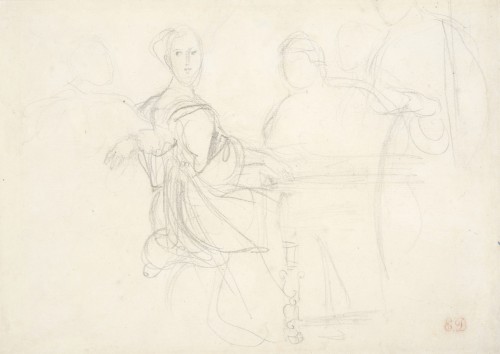
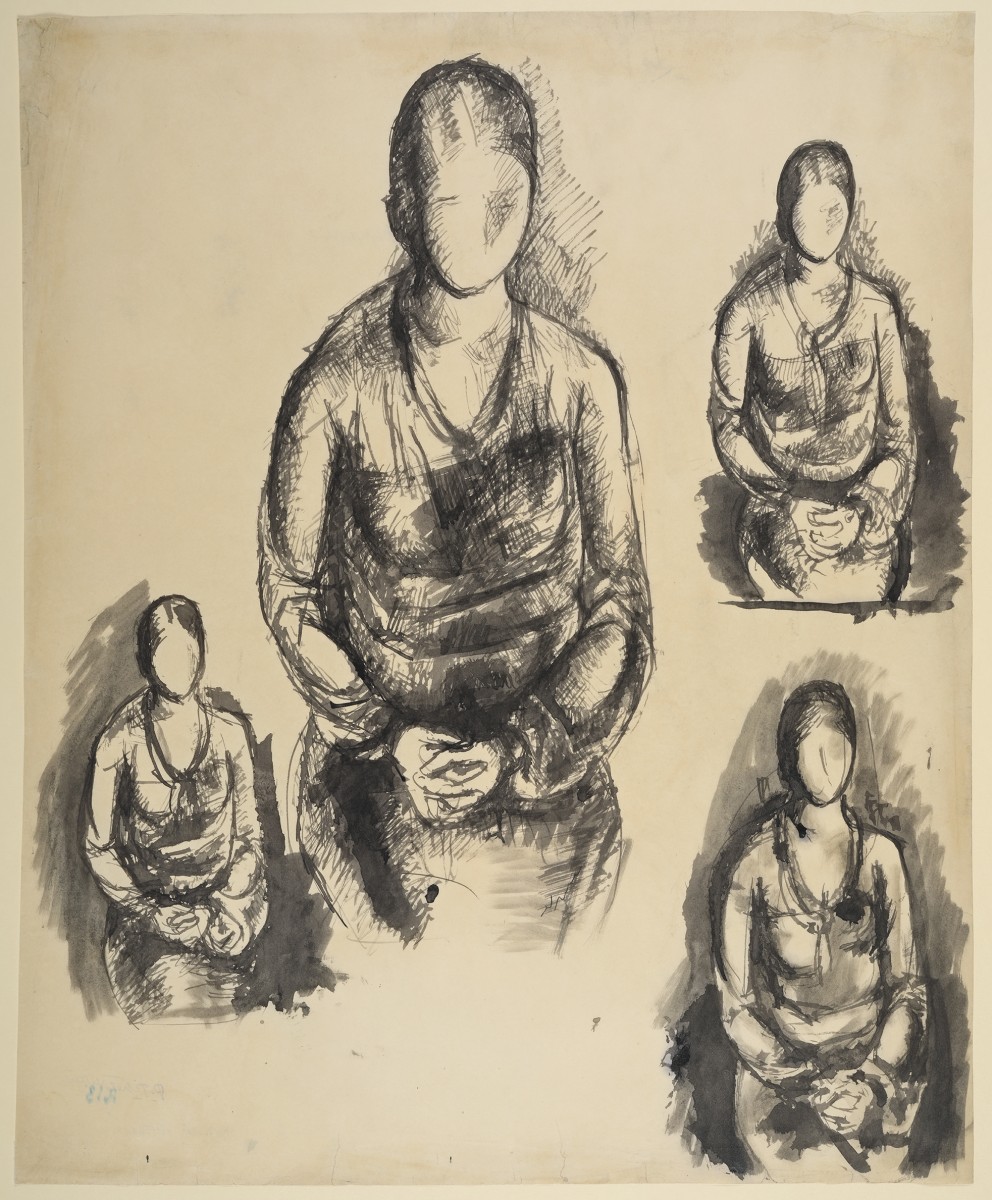
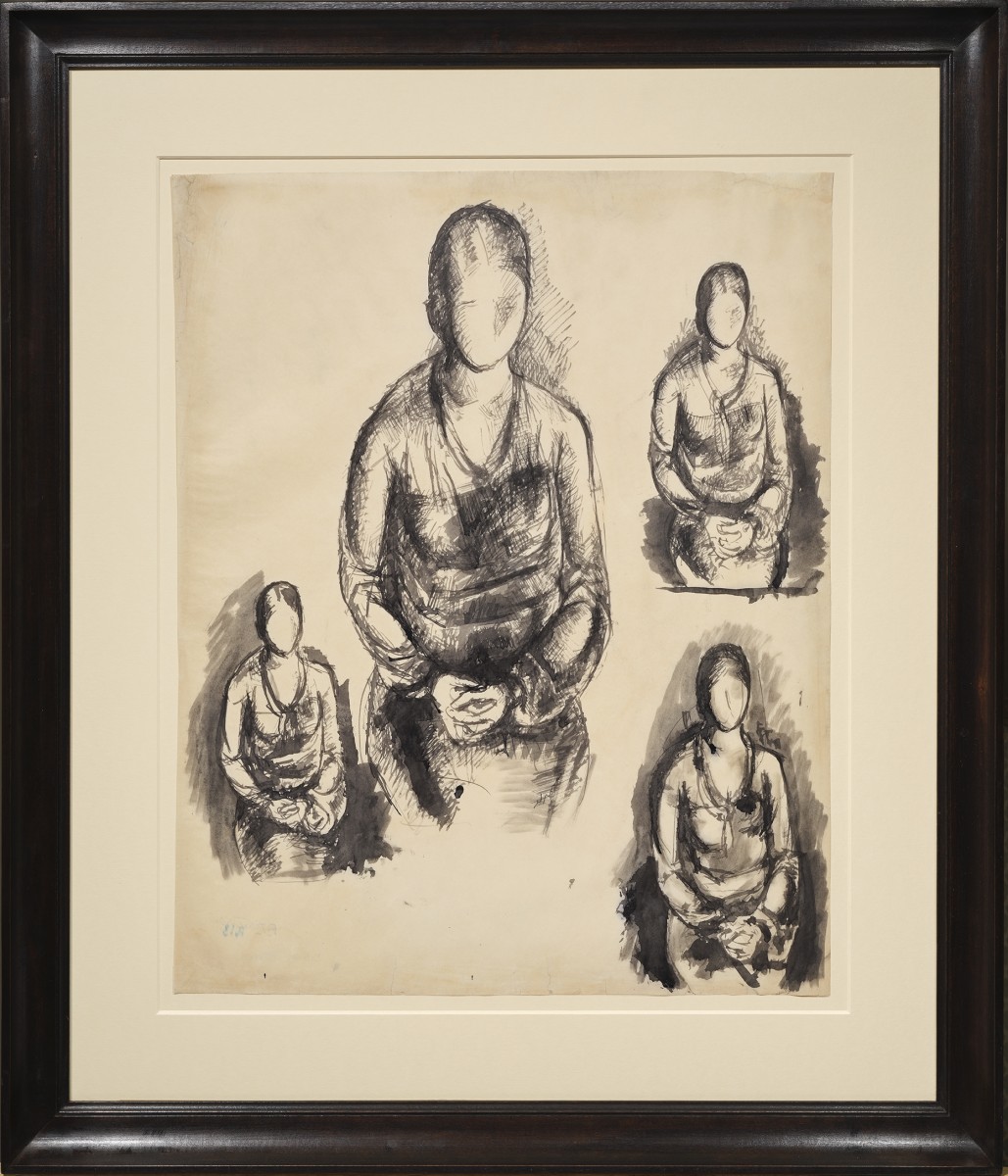
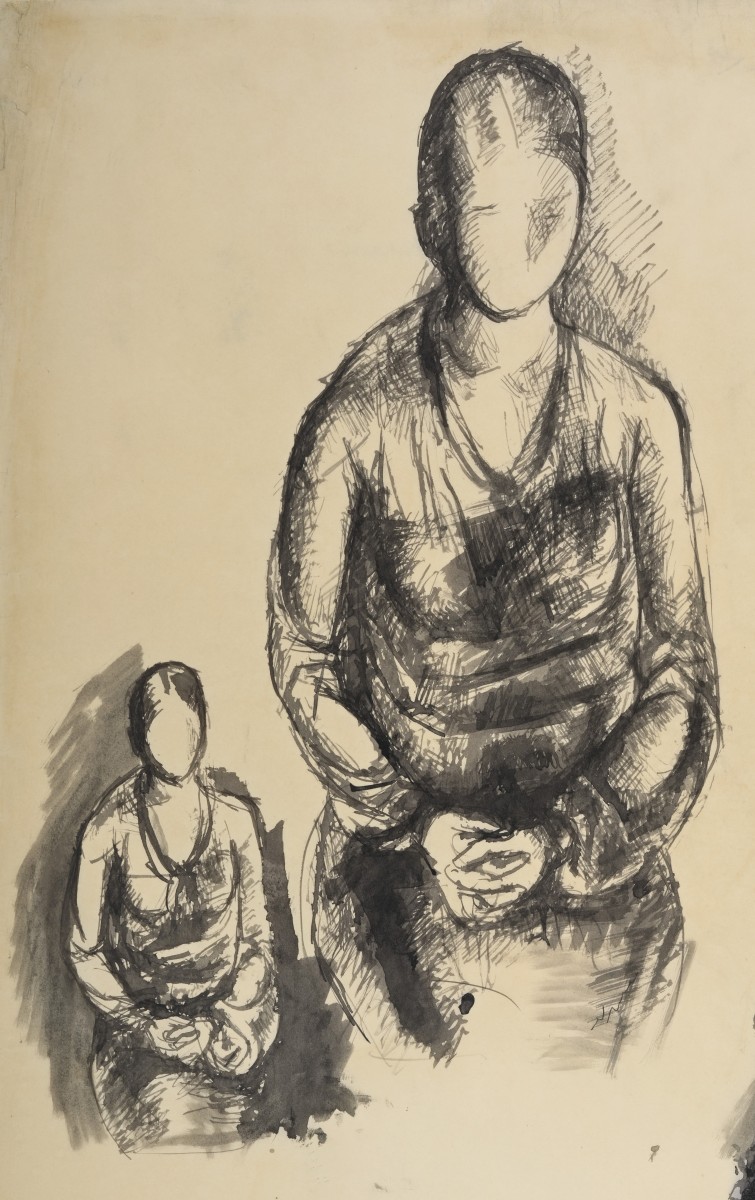
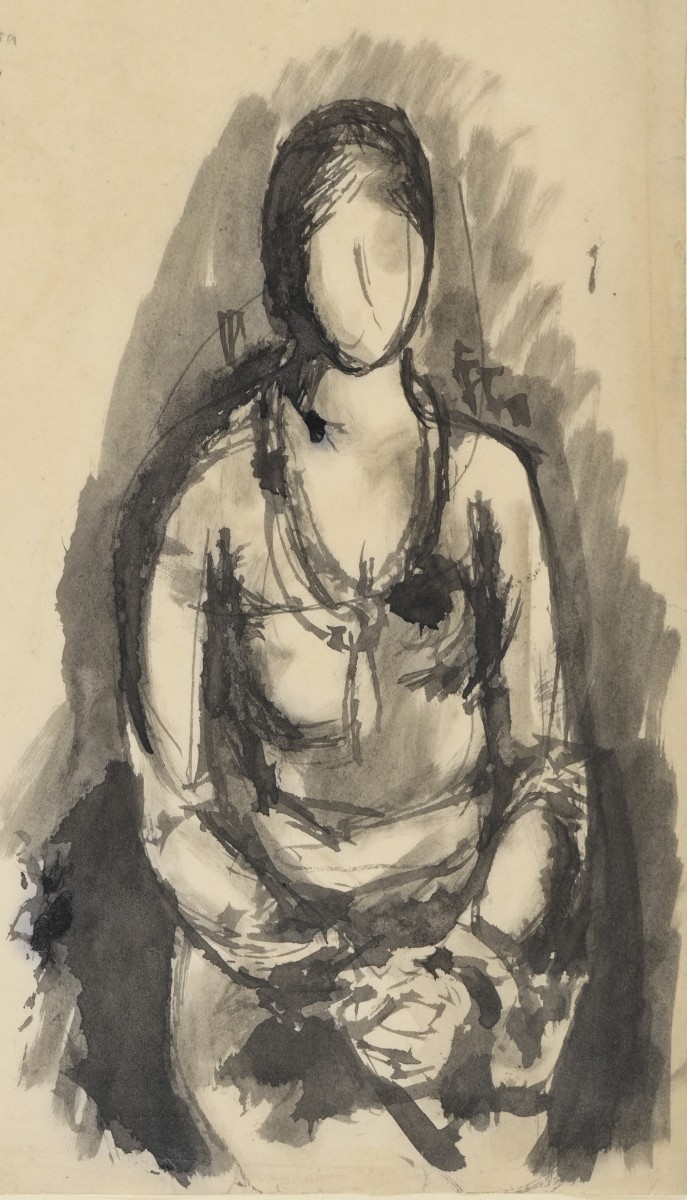
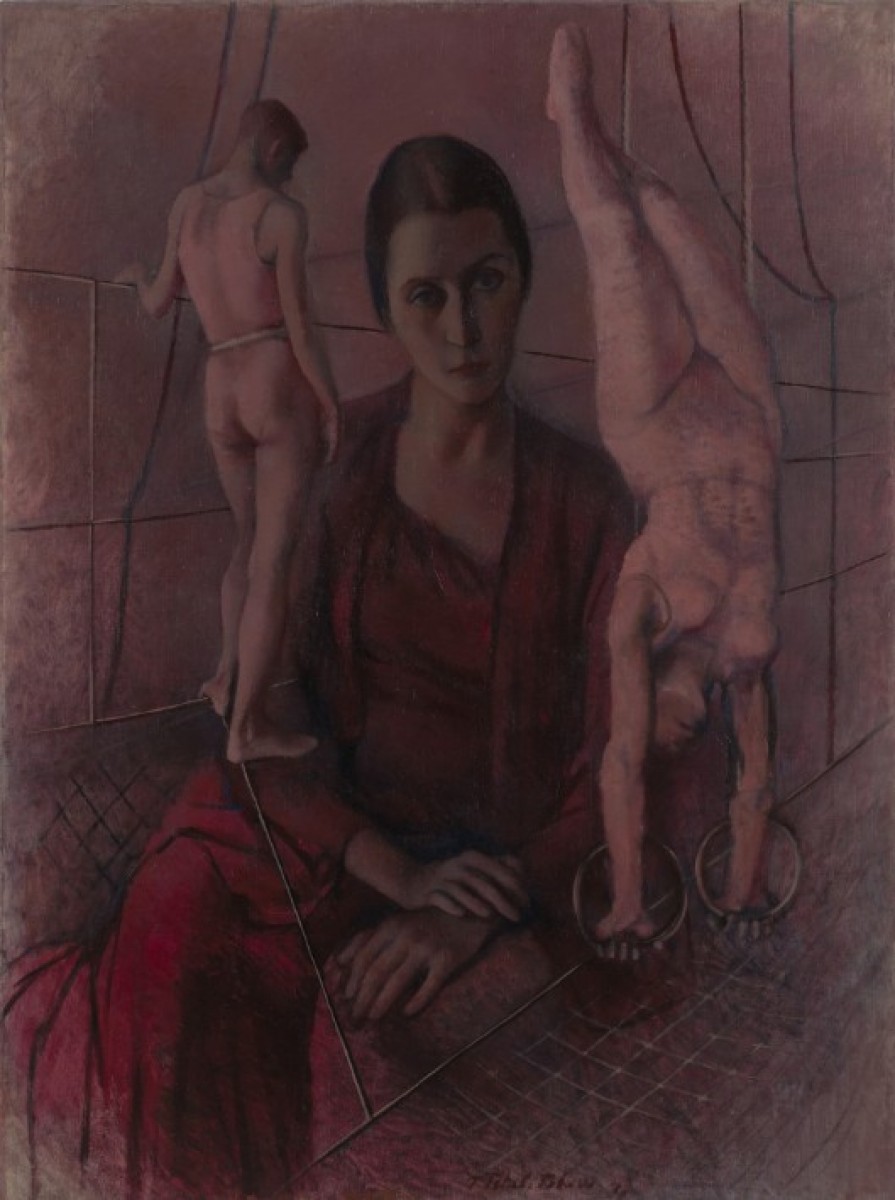
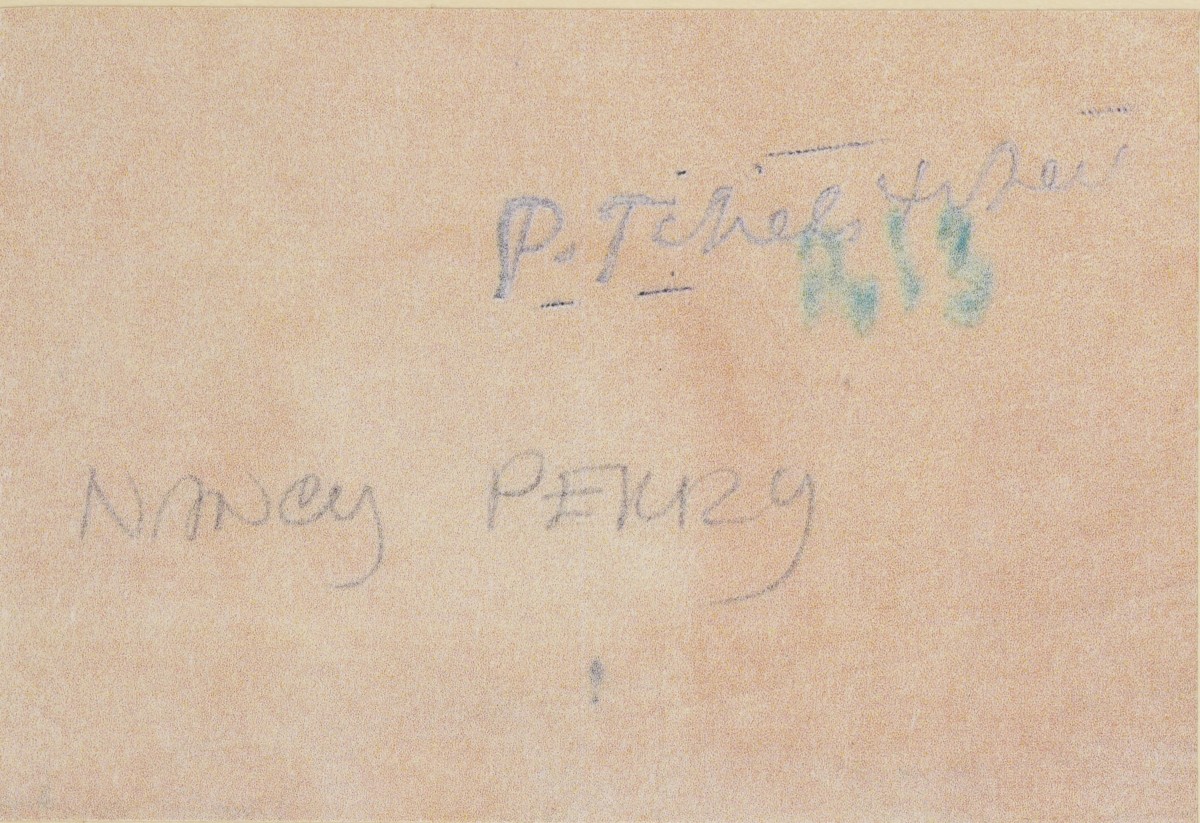
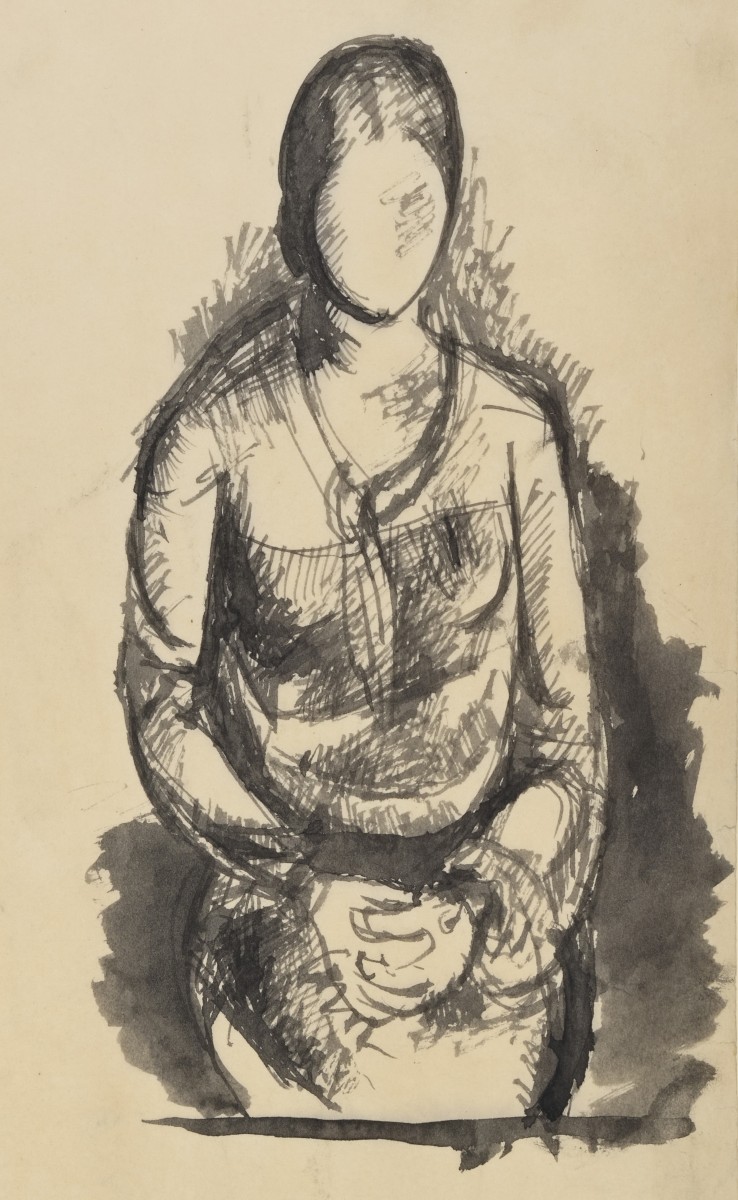
This quadruple study for a portrait of a woman is typical of Tchelitchew's work in the 1930s, when he was greatly inspired by the works of Picasso, which he discovered thanks to Gertrude Stein. Although we have not been able to identify the model with certainty (the inscription Nancy Pemzy (?) does not refer to any known figure in the artist's circle), this study of a faceless woman is very similar to the portraits of Madame Bonjean, the wife of a gallery owner (then associated with Christian Dior) with whom he exhibited in 1928.
1. The wandering and cosmopolitan life of Pavel Tchelitchew
Nothing predestined Pavel Tchelitchew for the life he led. He was born in 1898 in Dubrovka, the family estate located in the Kozelsk district of the Kaluga province, southwest of Moscow, into an aristocratic family dating back to the 13th century. He was the eldest and only son of the second wife of his father, Fyodor Sergeyevich Tchelitchew, a large landowner and mathematics teacher.
During the winter of 1917/1918, the Soviet government expropriated the Tchelitchew family's estate, forcing them to leave for Ukraine. Pavel's artistic career really began in Kiev, where he studied at the Ukrainian State Academy of Fine Arts. But by the end of 1918, the situation had deteriorated, forcing him to flee to Constantinople. From there, he traveled to Sofia, Bulgaria, where he worked for the national opera before moving to Berlin in 1921.
Unconcerned by the Neue Sachlichkeit (New Objectivity), the artistic movement then dominant in Berlin, Tchelitchew continued to work mainly for the theater. It was during his stay in Berlin that he met Allen Tanner, an American pianist from Chicago, who became his partner and shared his life until their breakup in 1933. The economic crisis forced them to leave Berlin in 1923 and settle in Paris.
Their arrival in Paris allowed Pavel to reunite with his sister Shura (who would inherit the contend of his studio, including our drawing, upon his death) in a furnished apartment on Rue Jacob. He had lost touch with her when he left Kiev five years earlier! This Parisian period (which lasted eleven years until his departure for the United States in 1934) was an extremely important period in Tchelitchew's work, as he devoted himself fully to painting and drawing.
After his first exhibition in 1924, Tchelitchew exhibited at the 1925 Salon d'Automne, where Gertrude Stein acquired his Panier de Fraises (Basket of Strawberries). Having met him shortly afterwards, she became one of his most fervent patrons. It was through her collection that Tchelitchew discovered Picasso's works from the Rose Period, which would have a significant influence on his production from 1929 to 1932. 1924 was also the year in which André Breton published his Manifesto of Surrealism, a movement to which Tchelitchew would never adhere but which would have a profound influence on his work.
In 1927, Tchelitchew met Dame Edith Sitwell, an English aristocrat who fell madly in love with him and remained an unconditional admirer throughout her life. In 1928, he exhibited at the Galerie Jacques Bonjean (which was then associated with Christian Dior).
In 1932, Tchelitchew met Charles Henri Ford, a young New York poet for whom he left Allan Tanner in 1933 before moving to the United States with Ford in 1934. Ford remained his partner until his death in 1957.
His stay in America was marked by the creation of two very large paintings: Phenomena, a highly controversial painting from 1936-1938 (now in the Tretyakov Gallery in Moscow), and Hide and Seek, painted in 1940-1942 (now in the MOMA in New York).
Tchelitchew made a new start in 1950, settling near Rome in Italy (first in Grottaferrata, then in Frascati) and developing a new pastel drawing technique in which he sought to give the internal structure of volumes the brilliance of neon lighting. He died in a hospital in Rome in 1957.
2. Four portrait studies influenced by Picasso’s early works
While Tchelitchew was greatly influenced by the work of Pablo Picasso, particularly his Blue and Rose Period paintings discovered thanks to Gertrude Stein, with whom he became friends in 1926, the relationship between the two artists remained extremely ambiguous, with Tchelitchew expressing hostility towards the deconstructive approach to Cubism of the man he nicknamed "Pot-cassé" (Broken Pot) .
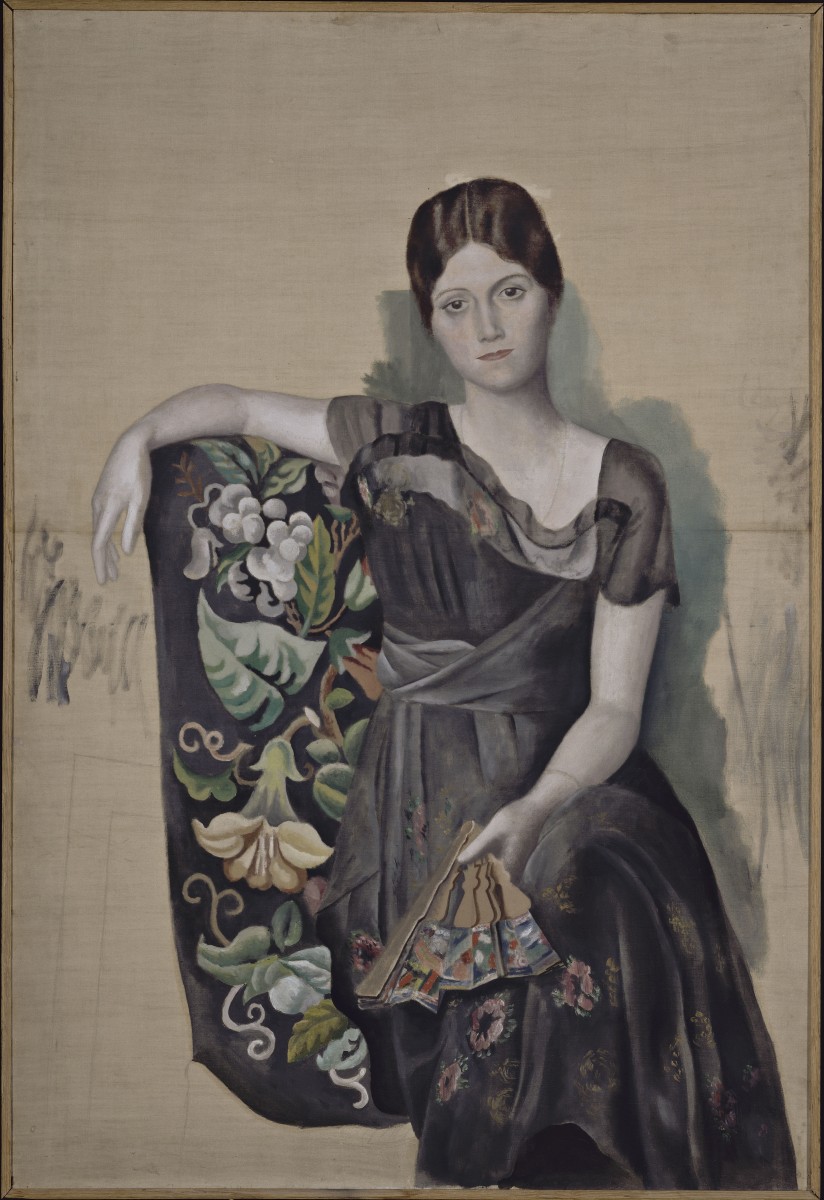
However, we perceive the clear influence of the Catalan master in these studies, as the woman's hairstyle and dress are reminiscent of the 1918 Portrait of Olga in an Armchair (7th picture in the Gallery).
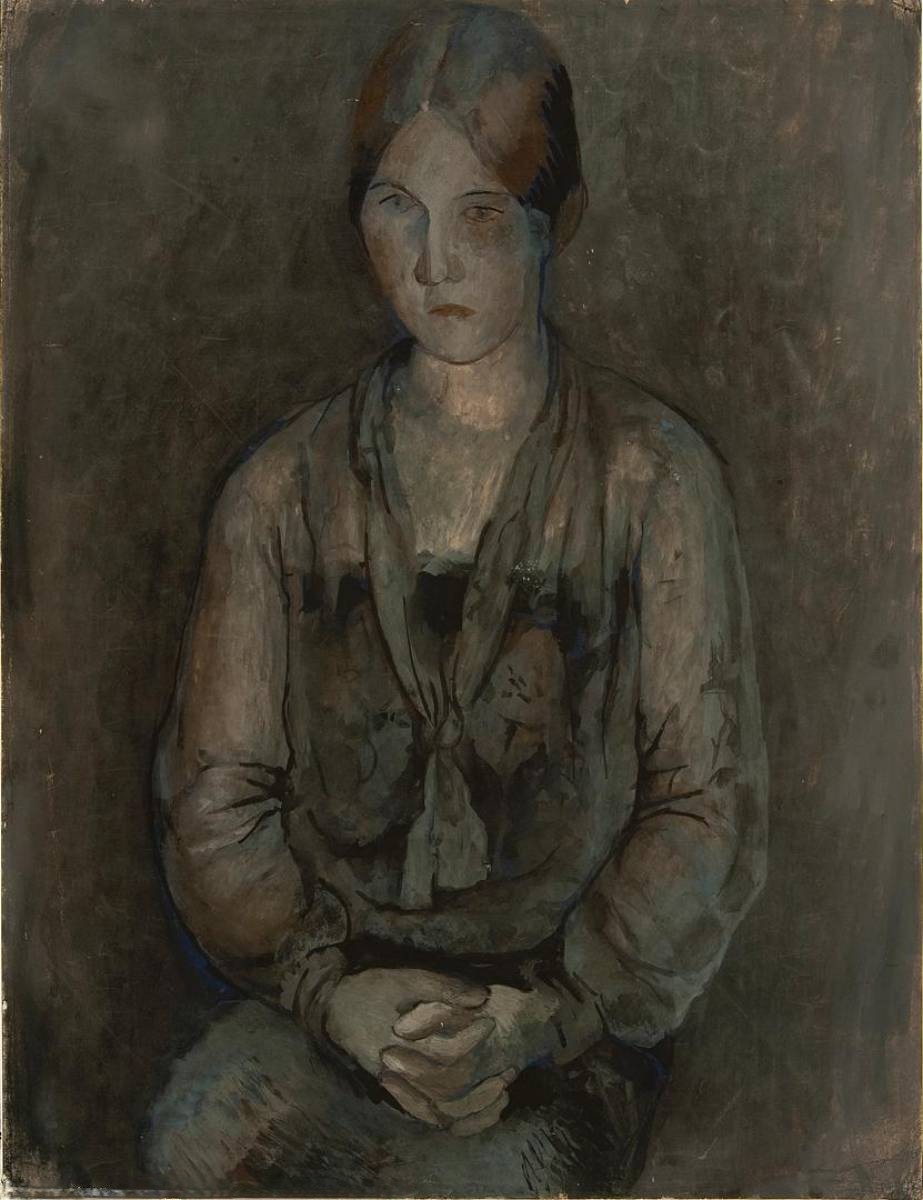
We have not been able to identify with certainty the model whose portrait inspired these four studies, as the inscription on the back, "Nancy Pemzy (?)", does not correspond to any known portrait by Tchelitchew. On the other hand, there are several portraits of Madame Bonjean in which she is depicted in a pose closely related to these studies (8th and 9th pictures of the gallery).
Married on October 21, 1925, to gallery owner Jacques Bonjean (1889–1990), Germaine-Catherine Lipmann was the heiress to the Lip watch manufacture. Jacques Bonjean briefly partnered with Christian Dior (before the latter opened the fashion house that made him famous), with whom he organized several exhibitions of contemporary artists, including artworks by Tchelitchew.
This drawing is presented in a modern blackened wood frame that highlights its monumentality.
Main bibliographical references :
Alexander Kuznetsov - Pavel Tchelitchew – Metamorphoses - Stuttgart 2012
James Thrall Soby – Tchelitchew : paintings, drawings – New York 1942
Delevery information :
The prices indicated are the prices for purchases at the gallery.
Depending on the price of the object, its size and the location of the buyer we are able to offer the best transport solution which will be invoiced separately and carried out under the buyer's responsibility.