Offered by Segoura Fine Art

Painting, furniture and works of art from the 17th, 18th and early 19th century
PAUL BAUDRY
1828–1886
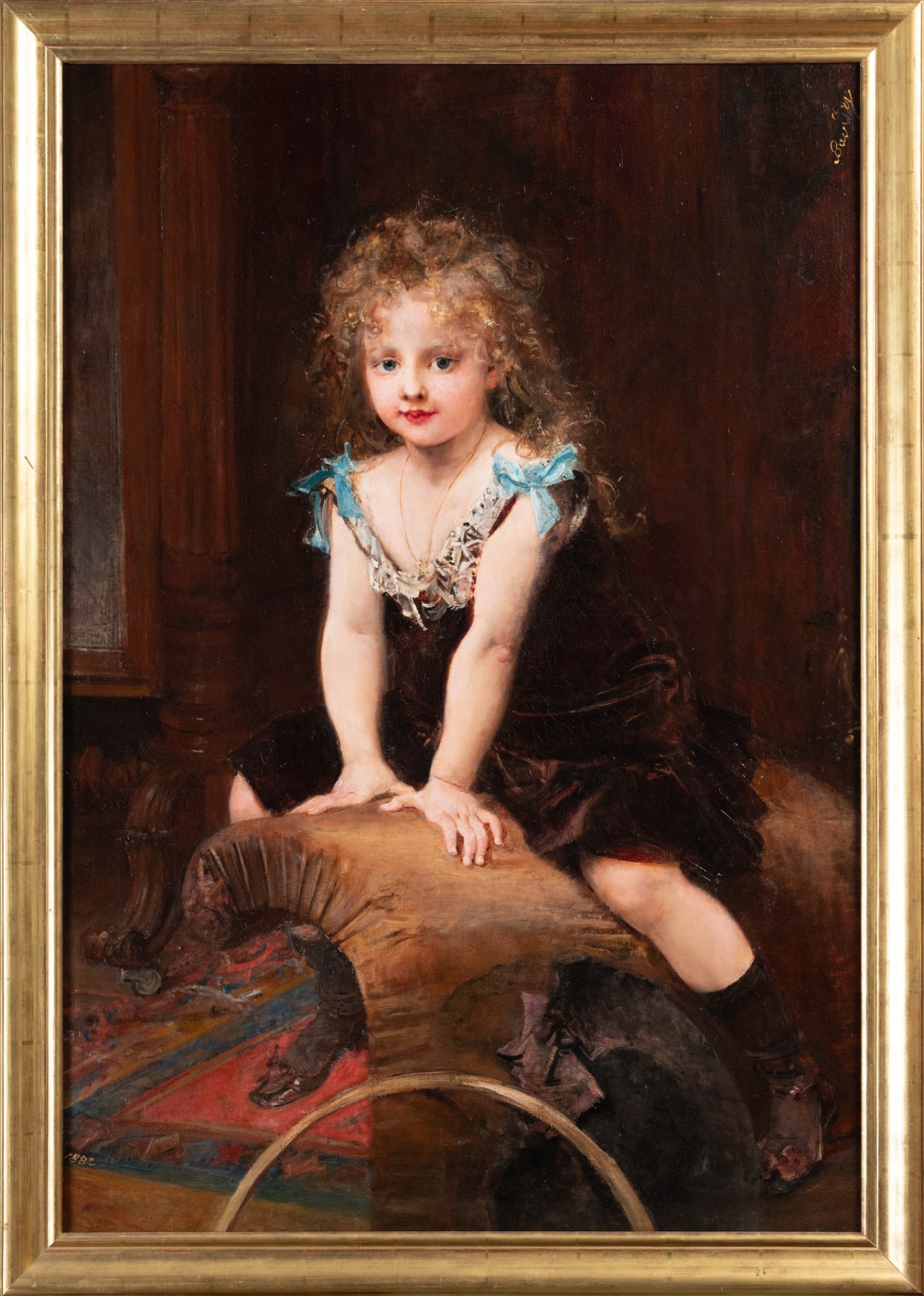
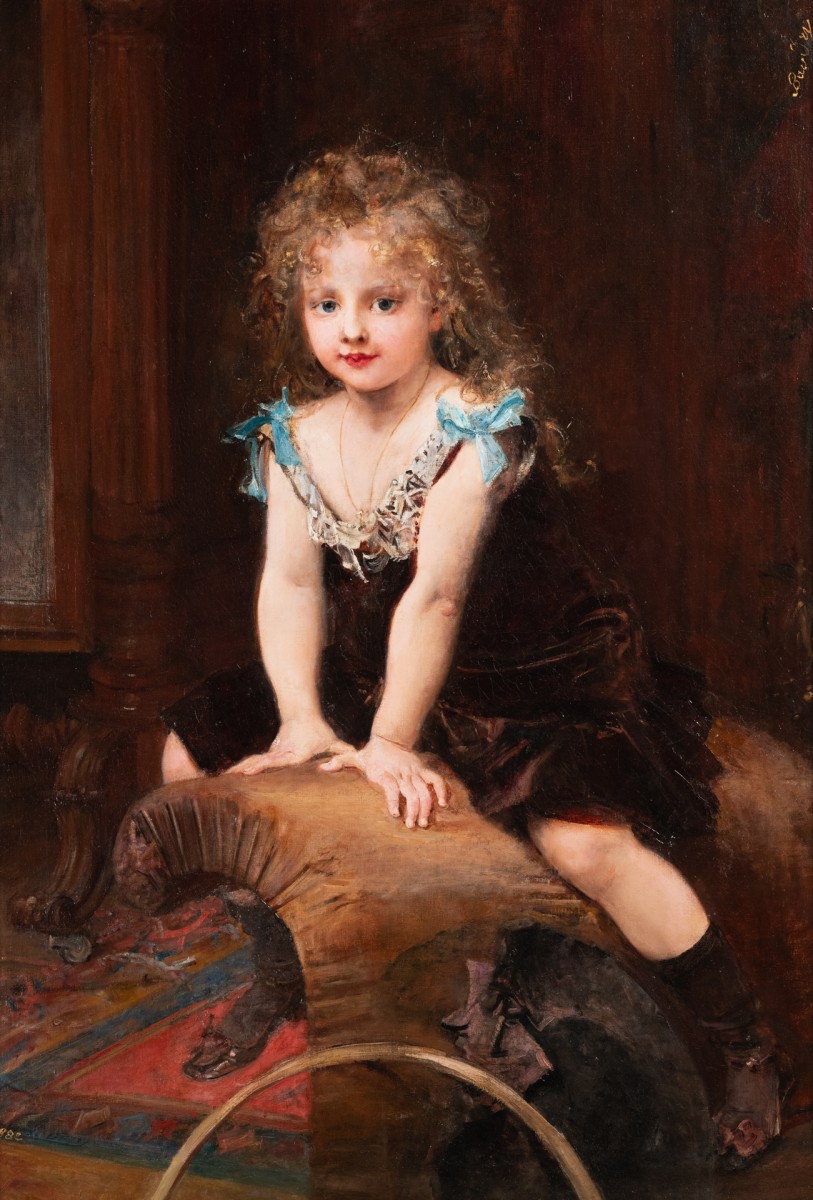
On Horse Back
Portrait of the Young Saint-Alary
Oil on canvas
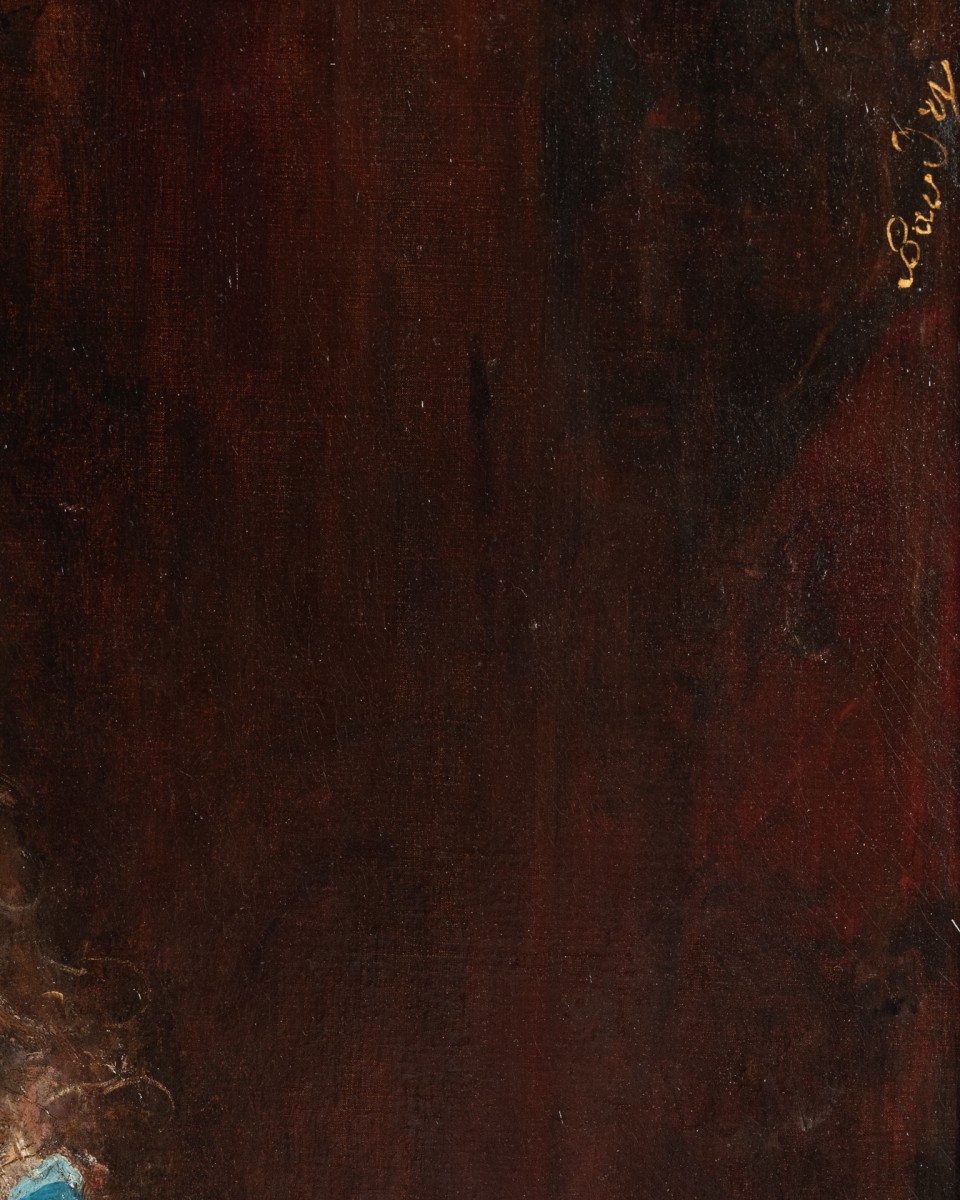
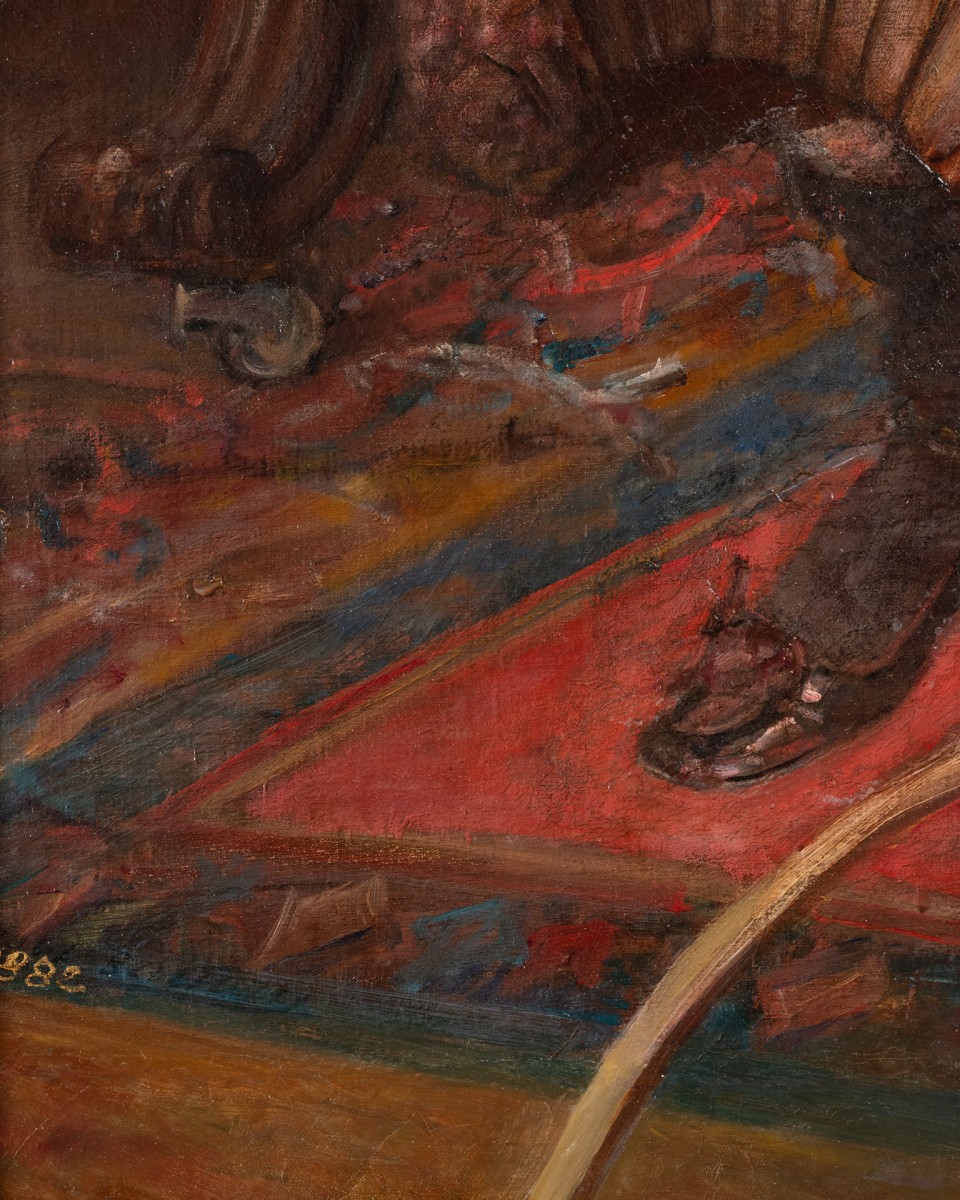
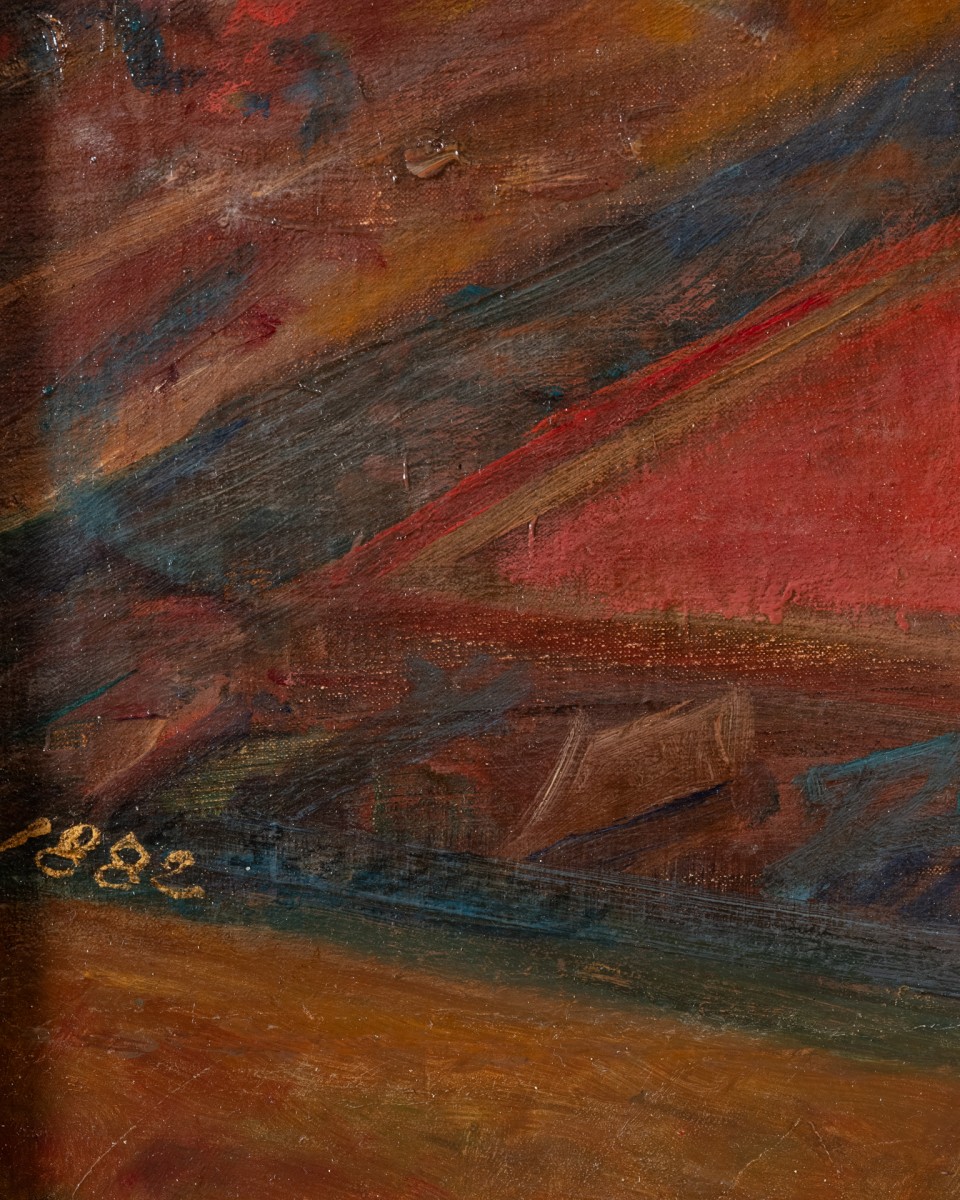
Signed “Baudry” and dated 1882
117 × 80 cm
Exhibition
Paris, Cercle de la rue Volney, 1883
The works of Paul Baudry, a major figure in nineteenth-century French art, are sufficiently sought after on the market to attract the attention of discerning collectors. This portrait of a child represents a significant rediscovery, as its whereabouts had remained unknown since the publication of the Catalogue des œuvres de Paul Baudry, compiled by the sculptor Eugène Guillaume for the artist’s retrospective exhibition of 1886. The tribute paid to Baudry by his fellow artists and friends at the École des Beaux-Arts in Paris established the painter, who died prematurely, as “one of the glories of the French School.”
The portrait of the young Saint-Alary, signed by the artist and dated 1882, is a rare testament to the final years of Paul Baudry’s career, when his reputation was at its height.
In the year this portrait was painted, Baudry completed a spectacular series of decorative works: three painted ceilings for the Vanderbilt family of New York, as well as an overmantel commissioned by the Duc d’Aumale for the Galerie des Cerfs at the Château de Chantilly.
The Parisian public was given the exceptional opportunity to admire these remarkable decorative paintings at the Orangerie des Tuileries. A special structure was designed to display the ceilings and overmantel. Easel paintings, together with sketches for the foyer of the Paris Opera and for the ceiling of the courtroom of the Cour de cassation, completed the exhibition organised by the Union Centrale des Arts Décoratifs.
Baudry’s career was celebrated enthusiastically by contemporary art critics, who noted his remarkable presence on the Parisian artistic scene in 1882:
“1882 marks for Paul Baudry the culmination of a talent in complete command of itself and the beginning of his legacy.”
The Portrait
The portrait of the young Saint-Alary is striking for its freedom and spontaneity.
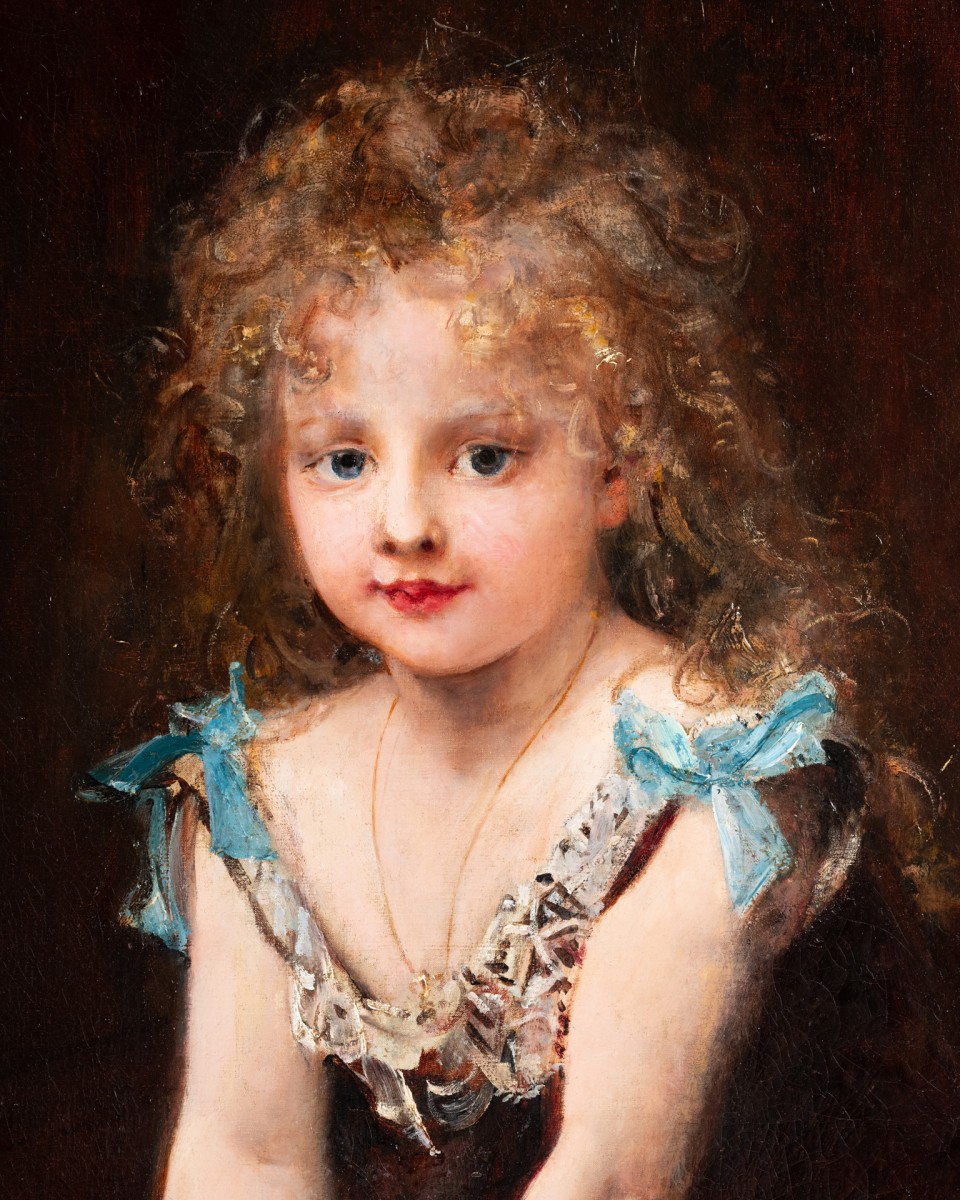
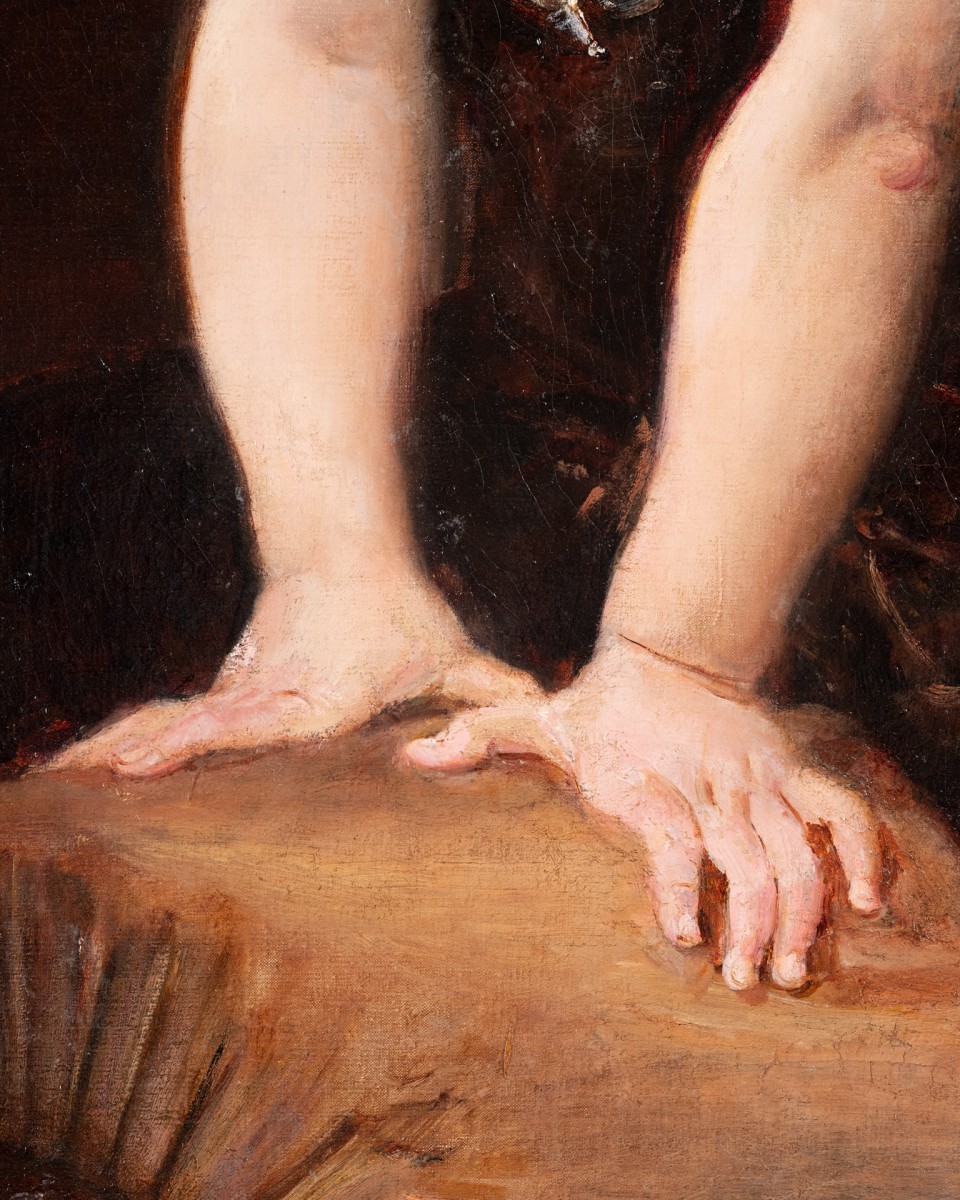
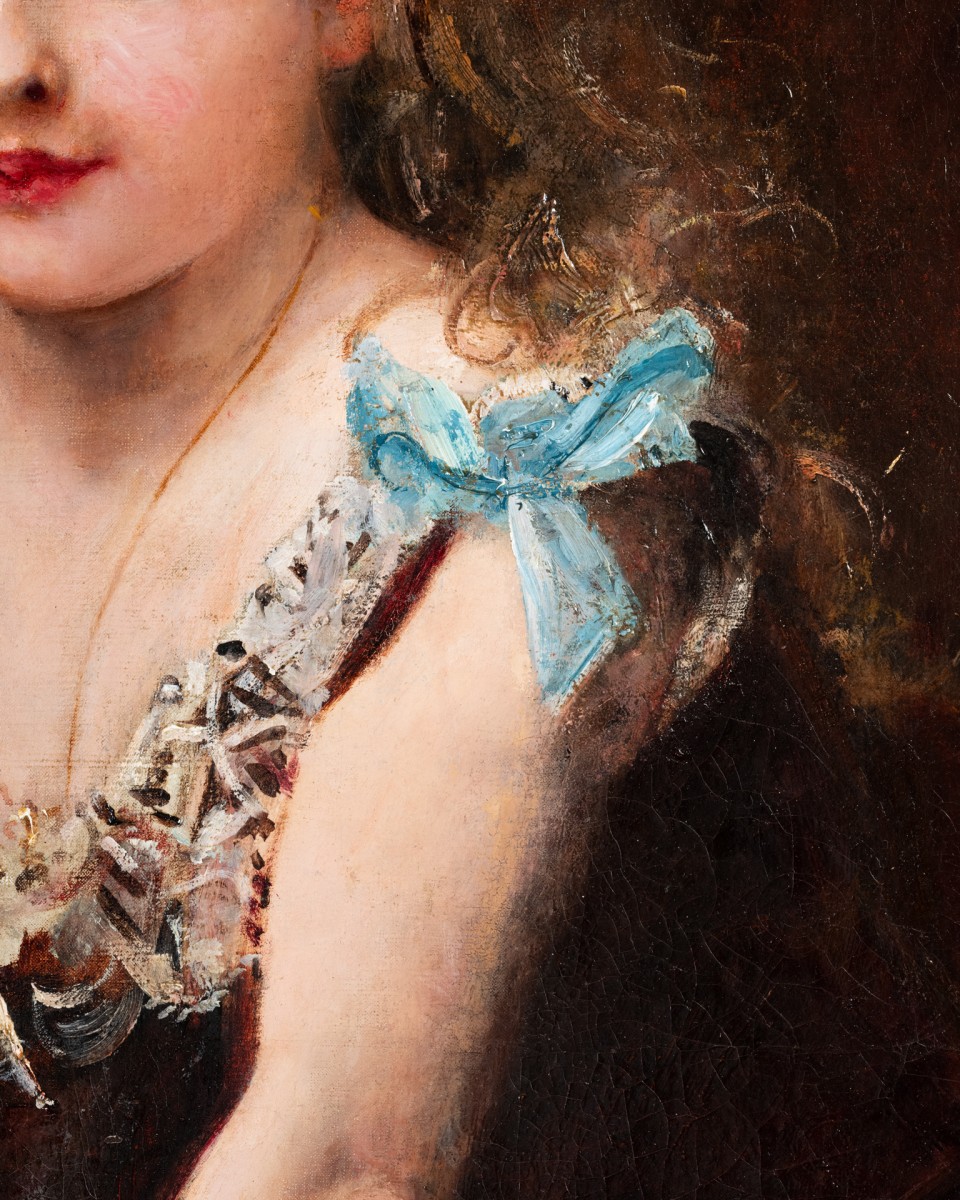
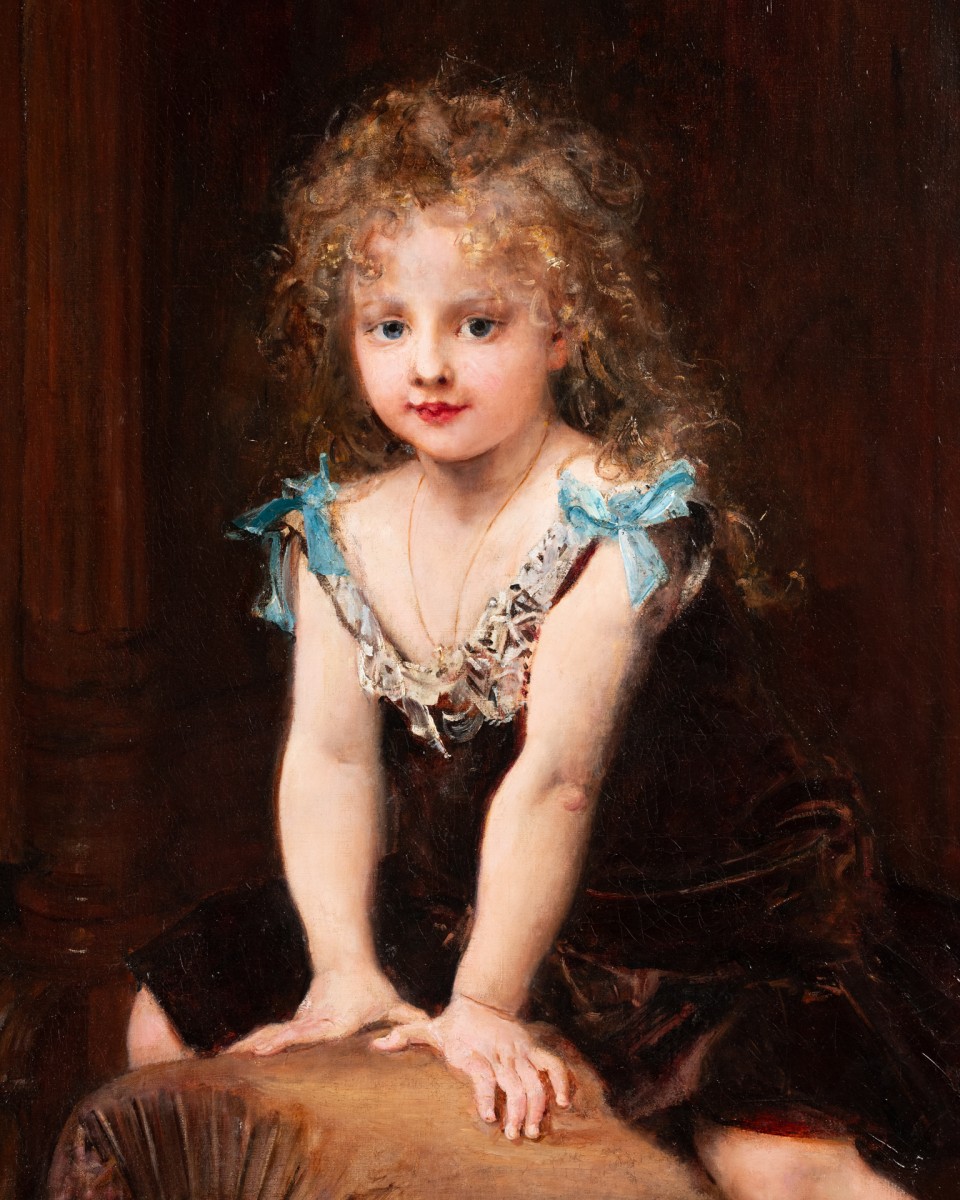
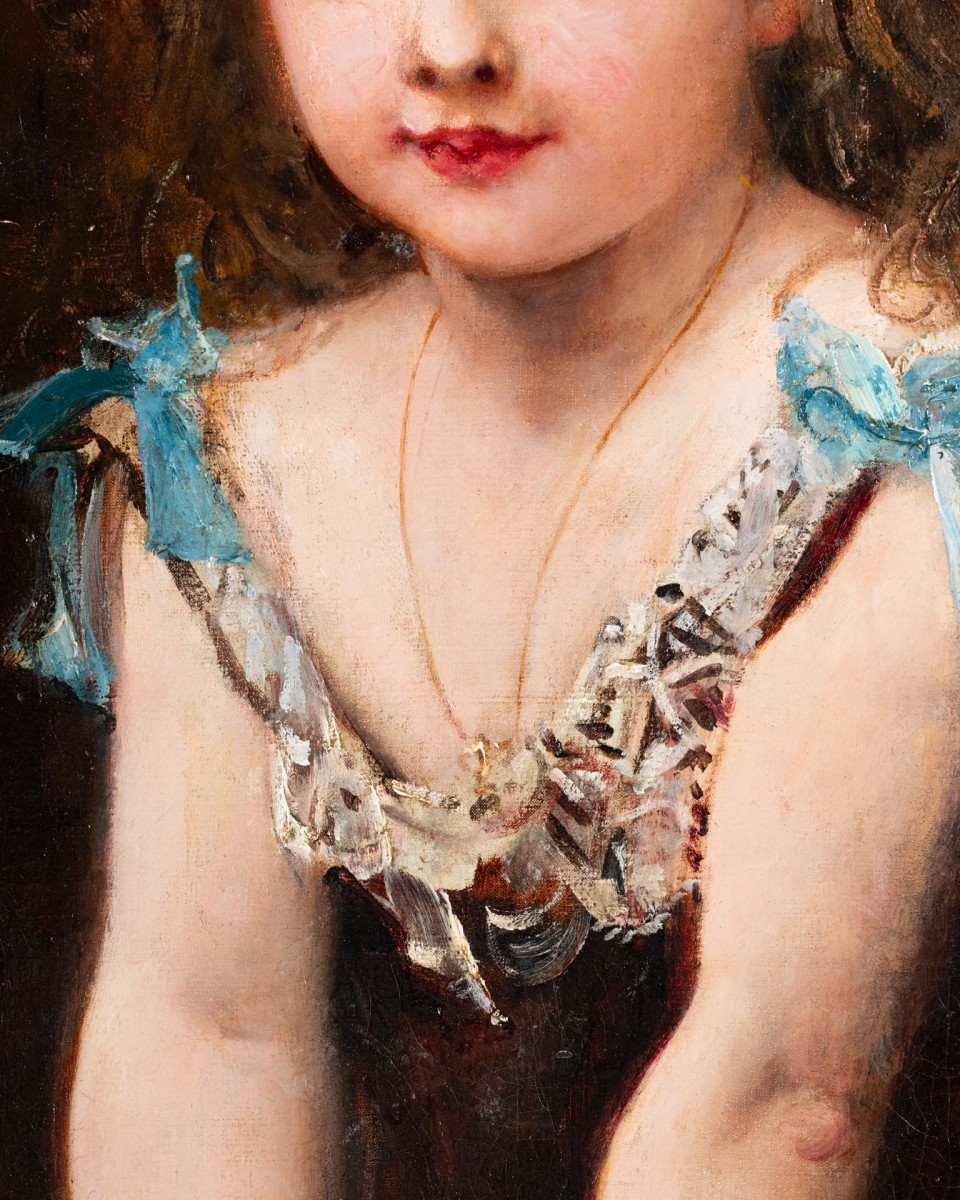
A young boy with long, curly blond hair sits astride the arm of a sofa as though riding a horse. The child smiles, his energetic hands firmly gripping the armrest. He wears a magnificent dark brown summer dress fastened with two turquoise bows.
Both the dress and the long hairstyle were fashionable for young boys during the 1880s. The child’s open neckline reveals a chain, probably holding a medal concealed beneath the lace collar.
The composition is closely framed around the lively young sitter, momentarily interrupted in his games. His abandoned hoop lies at his feet, while his hat has fallen beside him.
This informal pose gives the portrait an extraordinary sense of immediacy. Rather than depicting the child in a conventional formal attitude, Baudry captures a fleeting moment of play, transforming the portrait into a vivid image of childhood.
The 1883 Exhibition
The portrait of the young Saint-Alary was exhibited at the Cercle de la rue Volney in 1883, where it attracted the attention of Charles Ephrussi, the distinguished art critic, collector and admirer of Baudry’s work.
Ephrussi described the painting at length:
“First of all, M. Baudry’s Horse Back: in a room with warmly atmospheric and transparent tones, a five-year-old boy rides astride, his hands resting on the back of a settee upholstered in brown satin, his body turned to the left and leaning forward, boldly looking at the viewer as though saying: ‘Giddy-up!’
His abundant blond hair, tangled in curling locks on the crown of his head and falling in light, silky curls over the nape of his neck — a veritable little lion’s mane — lends his delicate and regular features a piquant originality.
A short brown velvet dress leaves his neck, arms and legs bare. This unexpected yet natural pose of the delightful model provides the subject for the most charming of easel paintings.
The execution is supple and delicate yet spontaneous; the drawing fine and light, free from convention and grandiloquence, with sparkling and spontaneous touches that are lively, accurate and expressive. The painting is direct, fresh and brilliant, irresistibly seductive and harmoniously restrained, delighting and warming the eye from the luminous amber blond tones to the deepest browns, enlivened like joyful accents by the two pale-blue ribbon bows attached to the dress; the whole bathed in a deep and limpid chiaroscuro that reveals the exquisite sensitivity of the master’s eye.”
Engraving and International Dissemination
The composition is also known through an engraving by Eugène-André Champollion (1848–1901).
The engraved version, entitled On Horse Back, after Paul Baudry’s painting, was exhibited at the Salon des Artistes Vivants in 1883. It was subsequently published in the luxurious English-language edition Modern Artists: A Series of Illustrated Biographies.
The Kunsthalle Bremen preserves a large-format impression measuring 417 × 278 mm, printed in London by The British & Foreign Artists’ Association.
The print bears the stamp of the California association of print dealers, providing further evidence of the work’s international circulation and recognition.
On Horse Back is therefore not only a particularly engaging and spontaneous example of Paul Baudry’s portraiture, but also a documented and exhibited work, whose contemporary critical reception and dissemination through engraving testify to the importance it enjoyed during the artist’s lifetime.