Offered by Spectandum
REQUEST INFORMATION

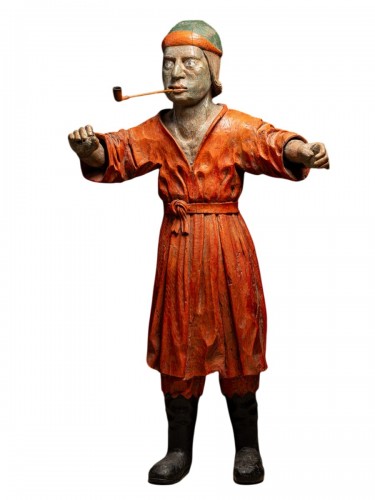
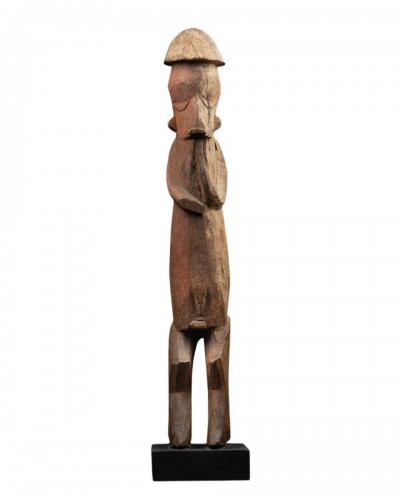
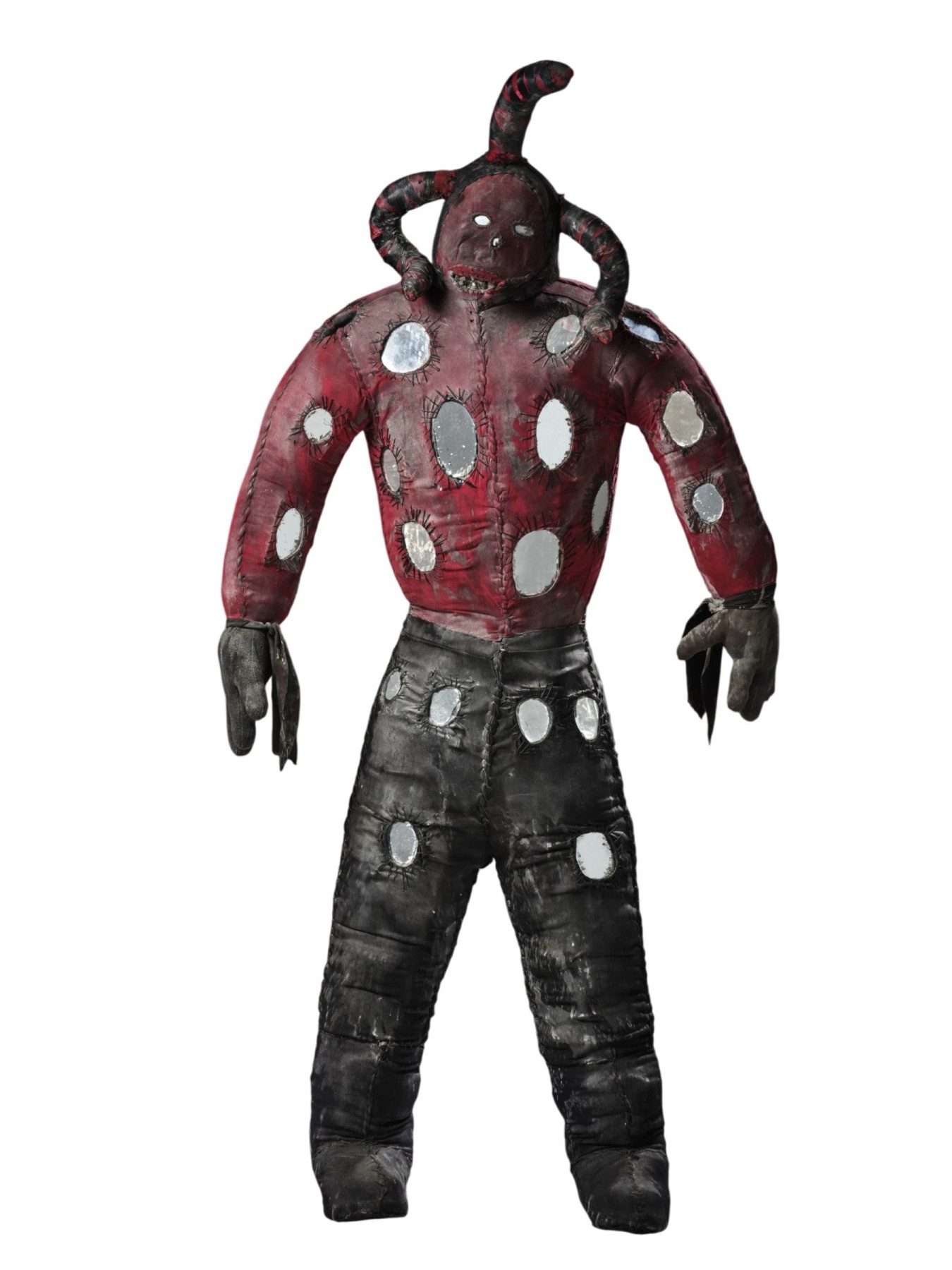
The Bizango life-sized Voodoo Warrior
Bizango is the name given to a secret society in Haiti, as well as to its members. Many of their practices are closely associated with Haitian Voodoo. In recent years, the term has also come to refer to the statues found in the society’s meeting places.
The Bizango society was founded in the early 19th century by enslaved Africans who were fighting for their freedom and independence. Originating from the highlands along the Artibonite River, the Bizango cult is primarily focused on preserving the traditions and values of the Haitian people. The Bizango warriors serve as the guardians of these ideals.
Very little is known about these life-sized warrior figures. They have an aggressive, warlike appearance that often unsettles viewers. The characters they depict are wrapped in padded fabric sewn in the red and black colors of the Bizango society and are covered with fragments of mirrors. Most appear to be limping, swollen, crippled, or amputated. Like battle-hardened fighters, they are equipped with shields, spears, swords, and chains. Some have devil horns; others, like angels, have large wings. While most are standing, a few are seated on chairs or throne-like seats. Some figures clearly display a military hierarchy—ranging from common fighter to captain, general, king, queen, or emperor.
Originally, these warriors were created as symbolic resistance against Napoleon’s army. Over time, they came to embody justice itself, serving as symbols of peace and guardians of social order.