Offered by Antichità Castelbarco

Frans Francken II (Antwerp 1581 – 1642) attributed
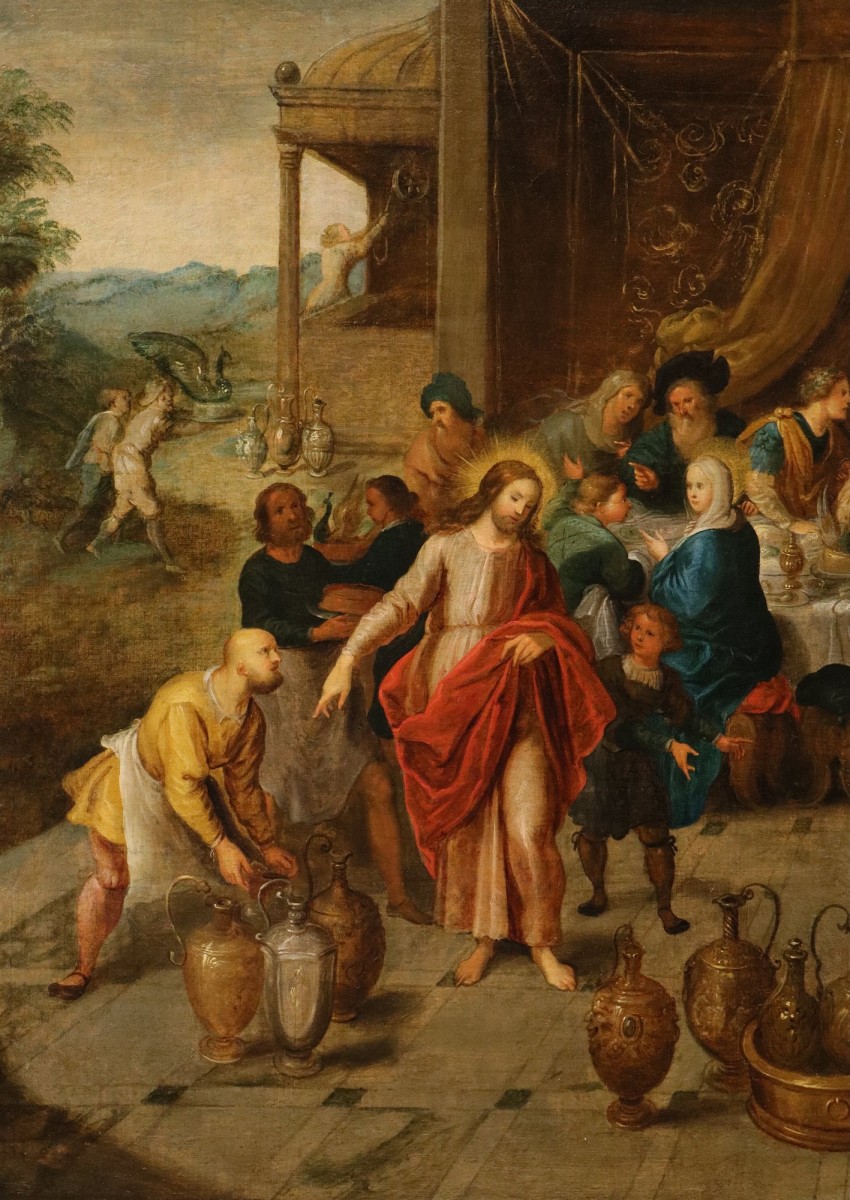
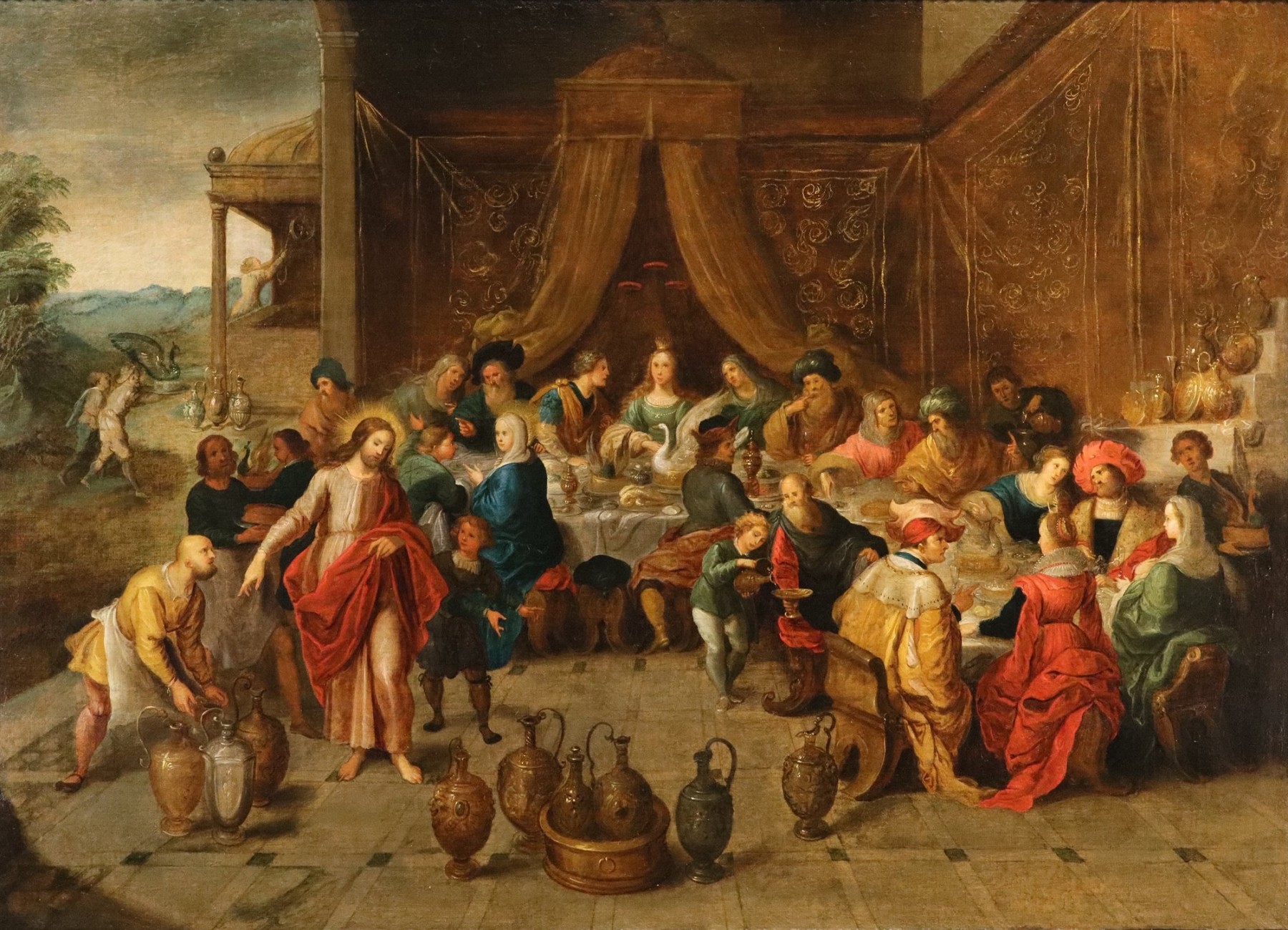
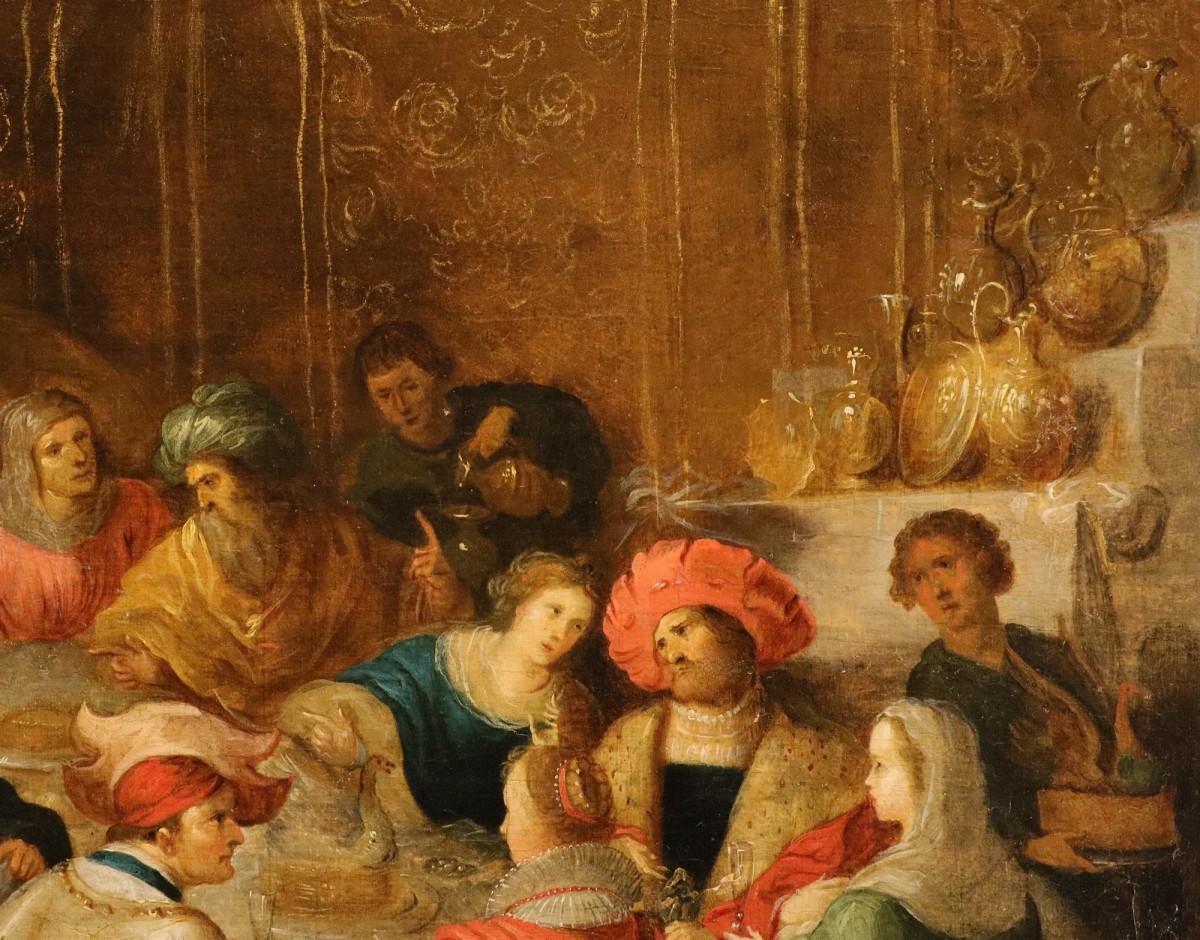
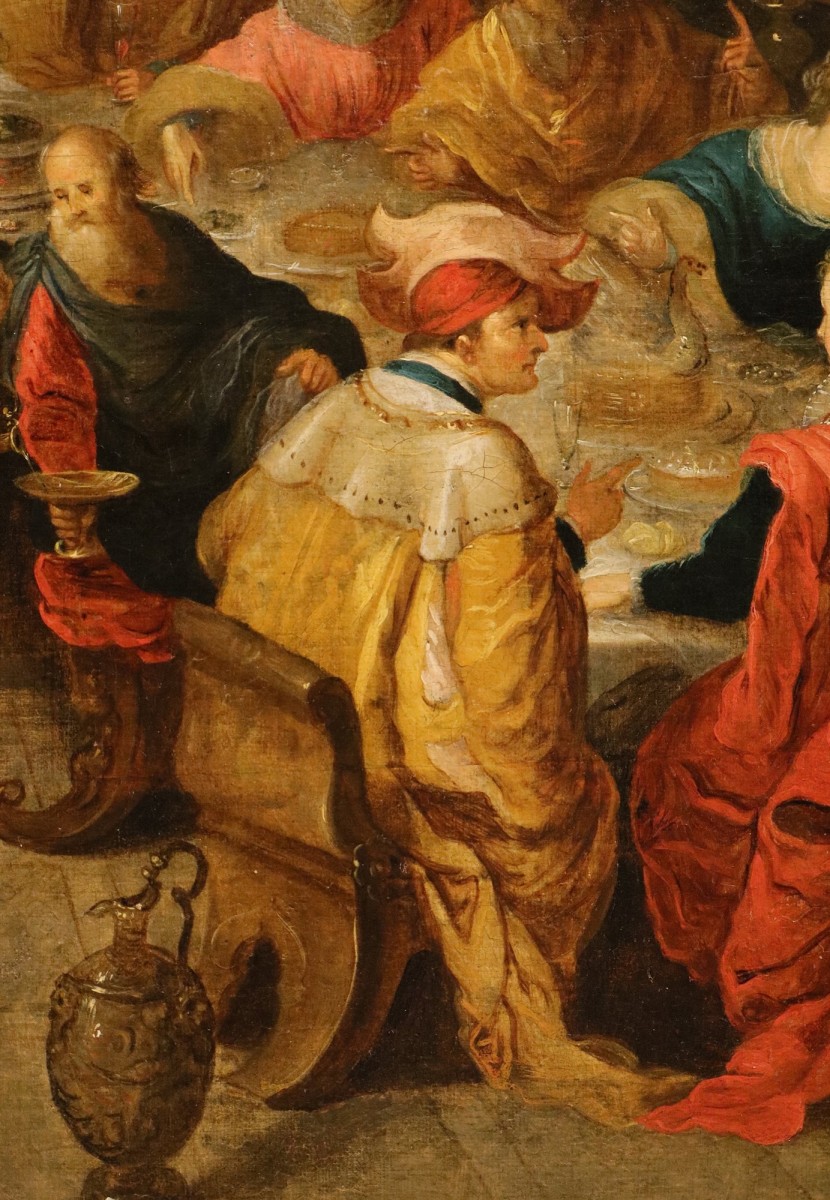
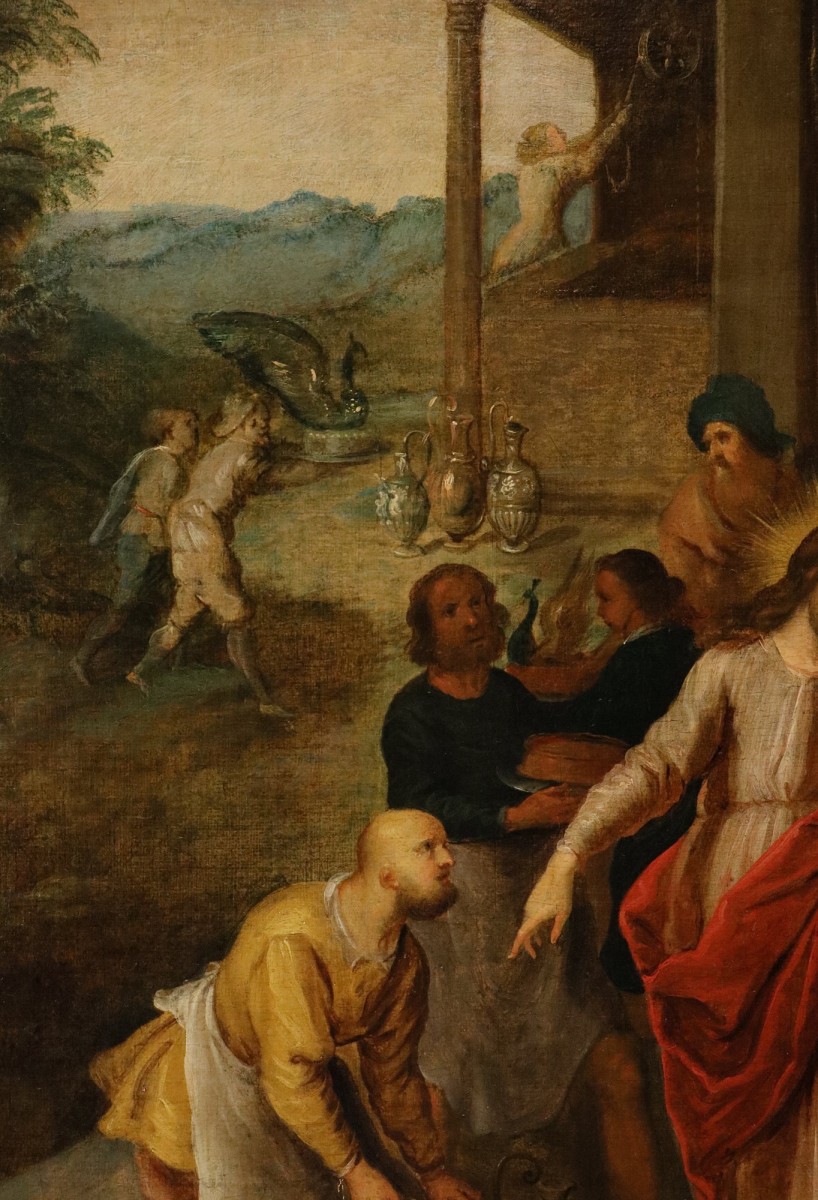
The Wedding at Cana
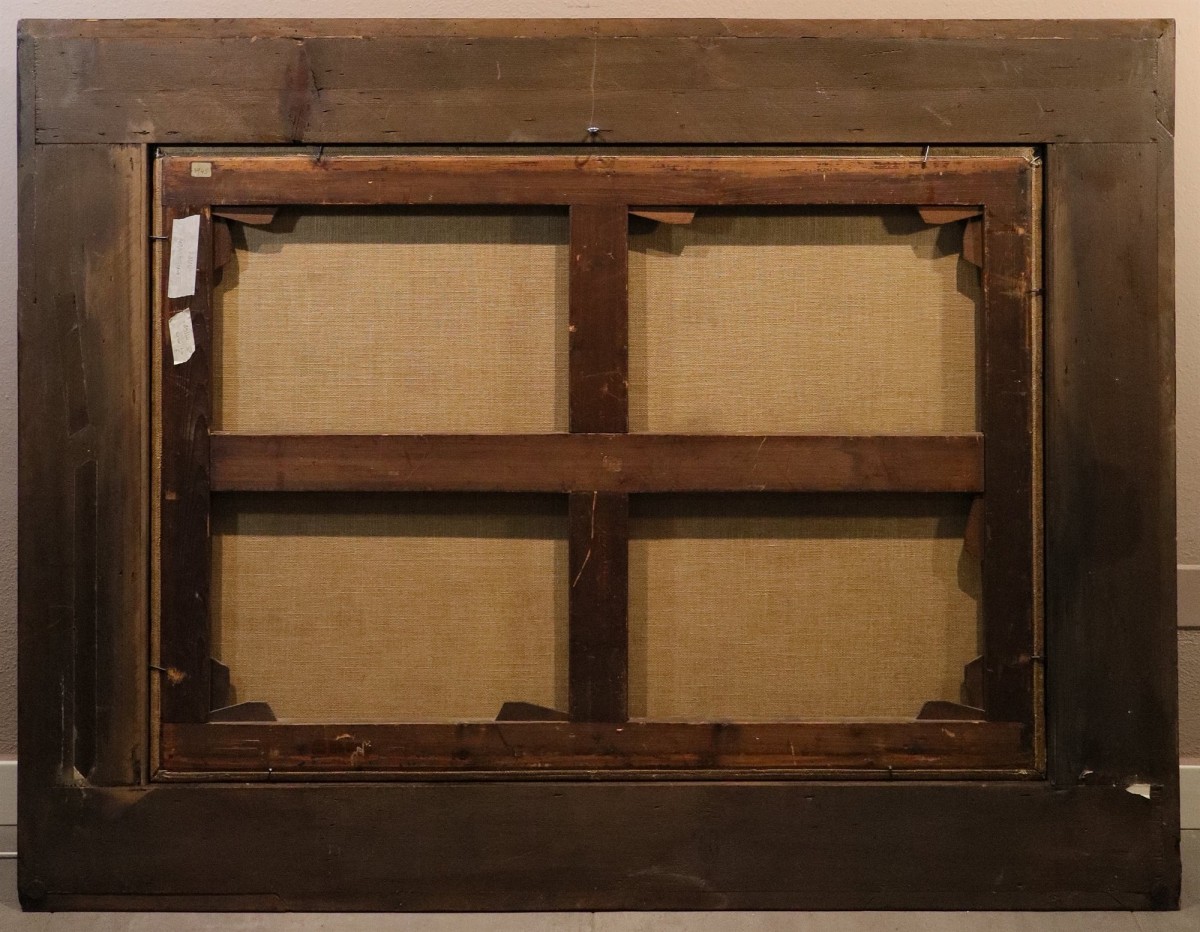
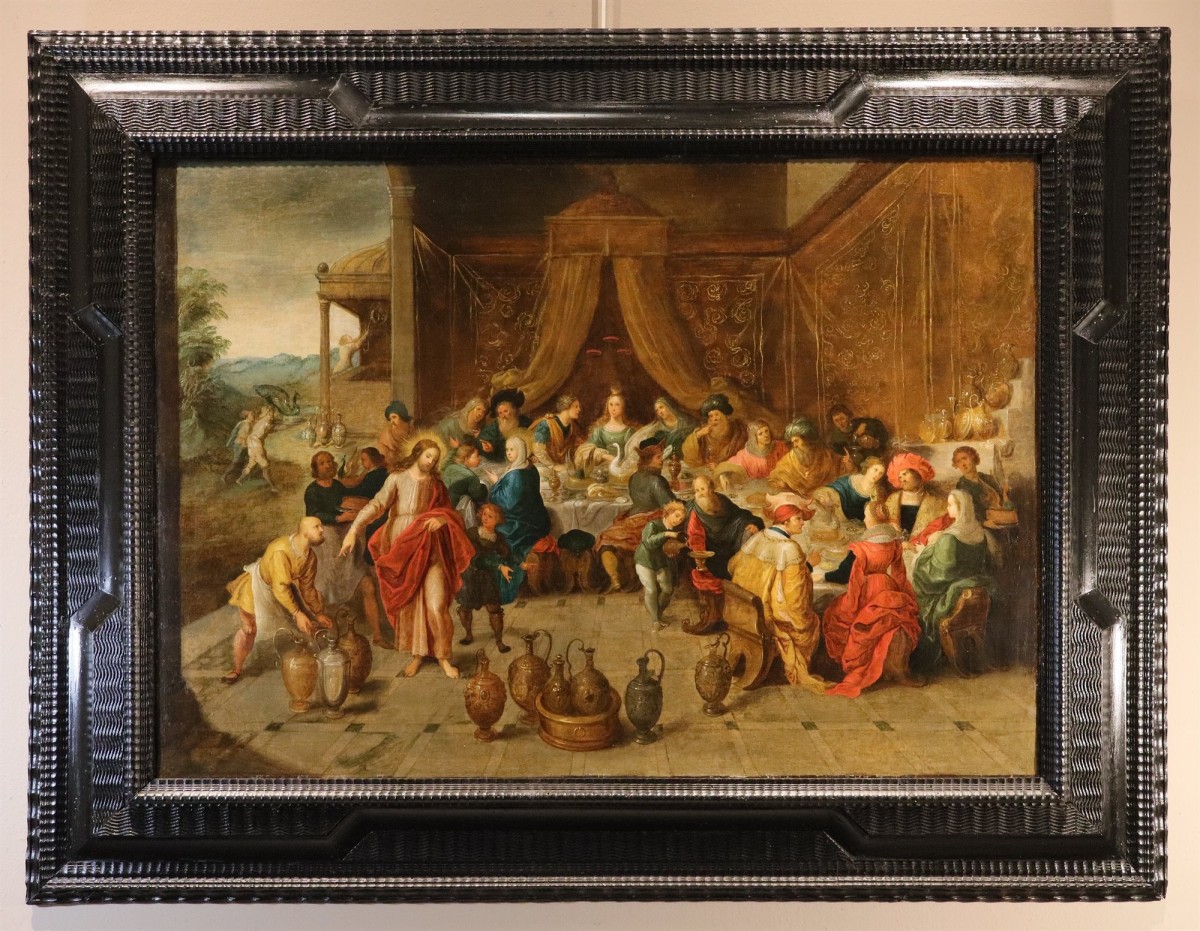
oil on canvas 71 x 100 cm. framed 99 x 129 cm.
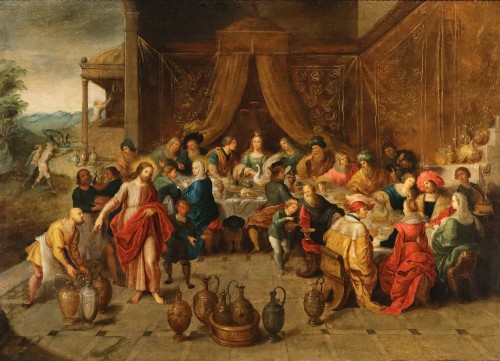
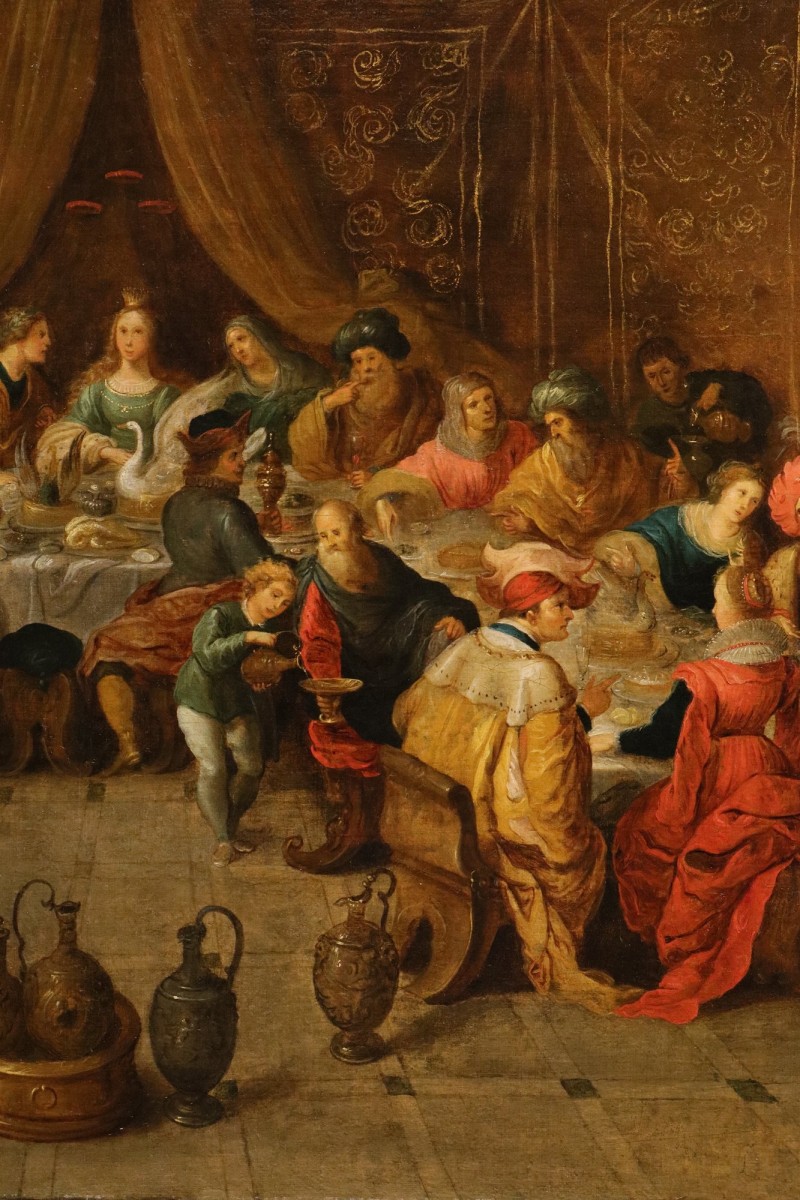
This exquisite painting, depicting a sumptuous banquet set in the hall of a luxurious palace, represents the biblical episode of the Wedding at Cana and is attributed to the Flemish artist Frans Francken II (Antwerp 1581–1642).
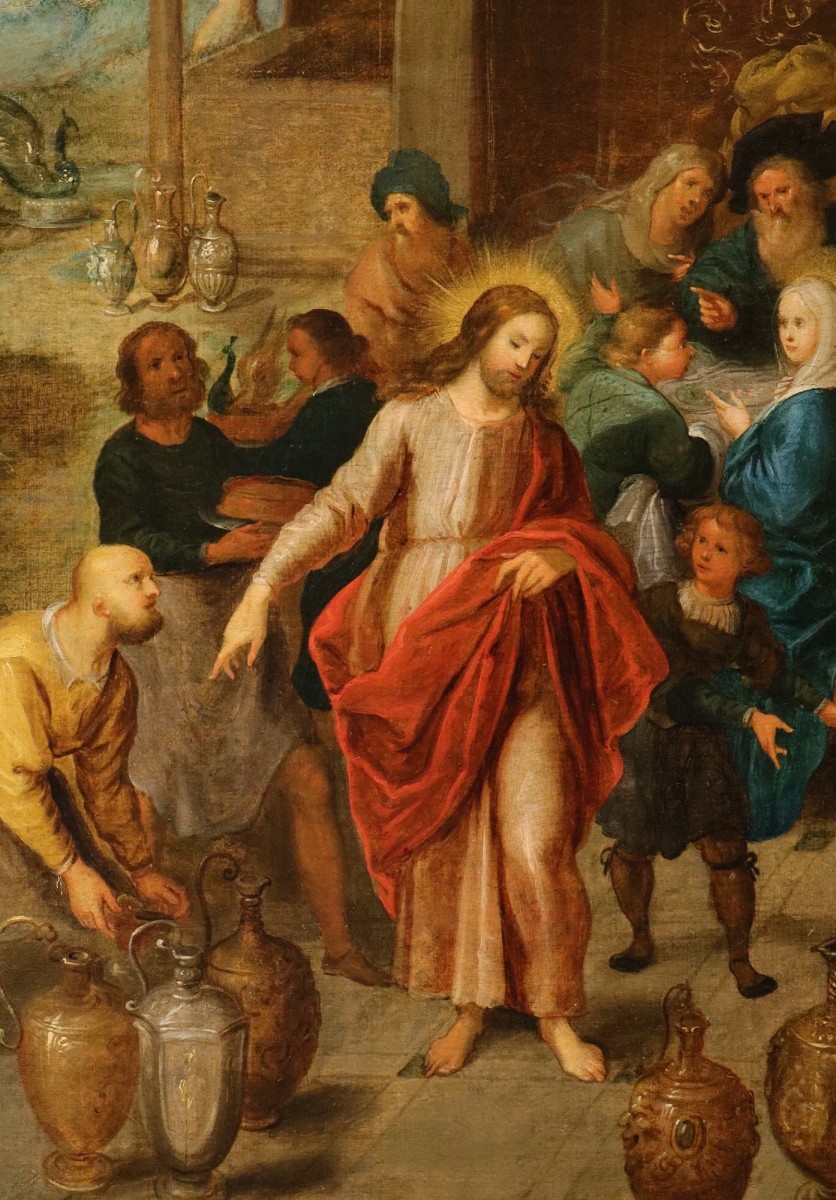
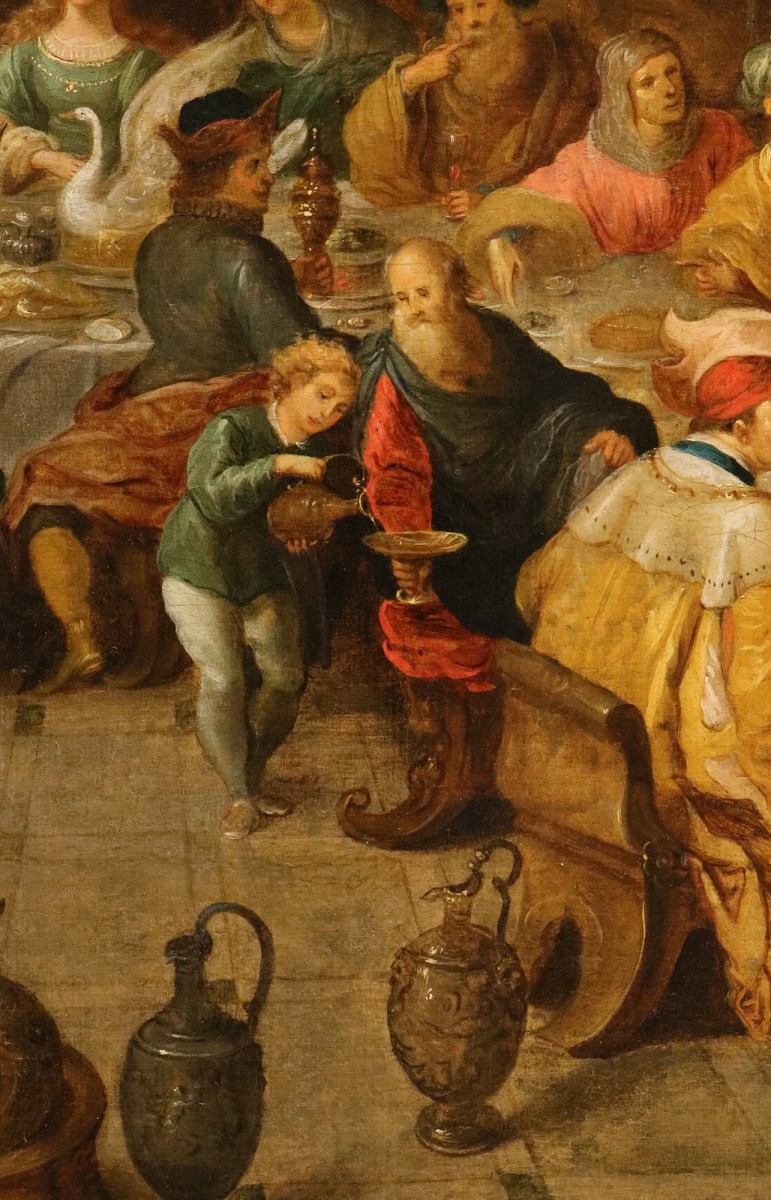
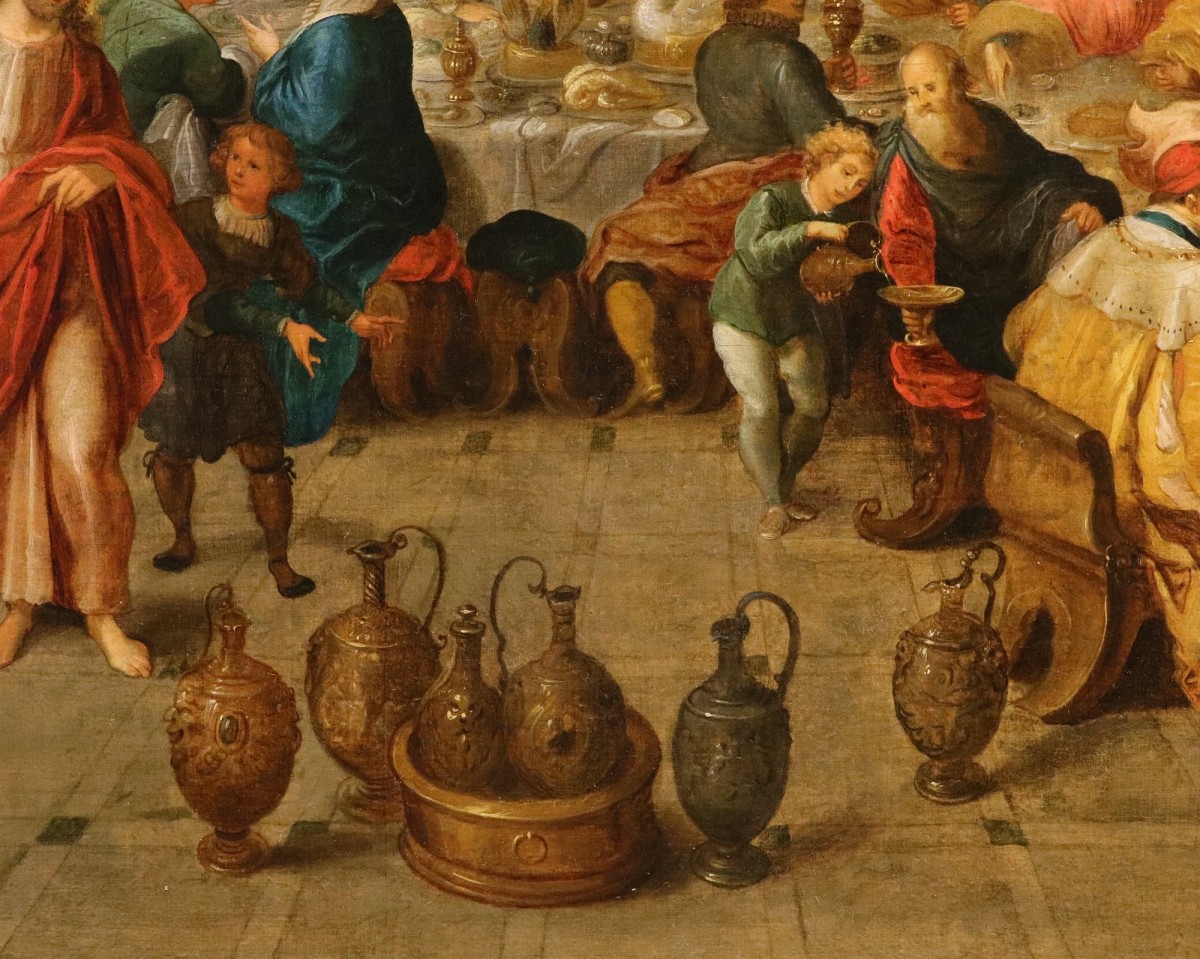
Specifically, the subject depicts Jesus’s first miracle (the turning of water into wine), as recounted in the Gospel of John, which took place during a wedding feast in Cana of Galilee, where he had gone with some disciples and his Mother: at a certain point, when the wine ran out, he had six jars filled with water brought to him and turned it into wine.
In Christian tradition, this first miracle (referred to as a “sign”) holds profound significance, symbolizing the dawn of a new era and the affirmation of the sacredness of marriage.
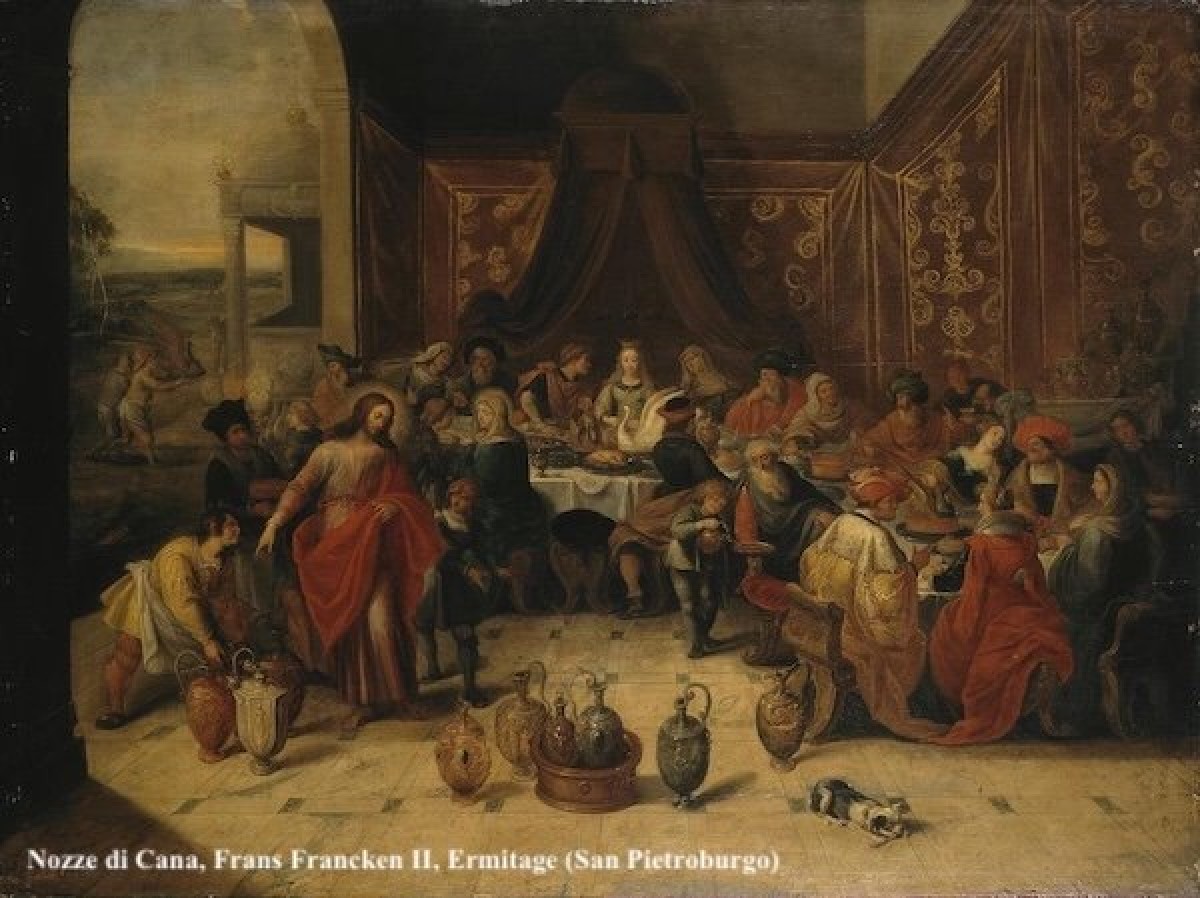
The work is based on the famous painting by Frans Francken the Younger, dating from 1630–1640, and housed at the Hermitage in St. Petersburg : this work enjoyed considerable success and was replicated several times both by the artist himself and by his renowned workshop.
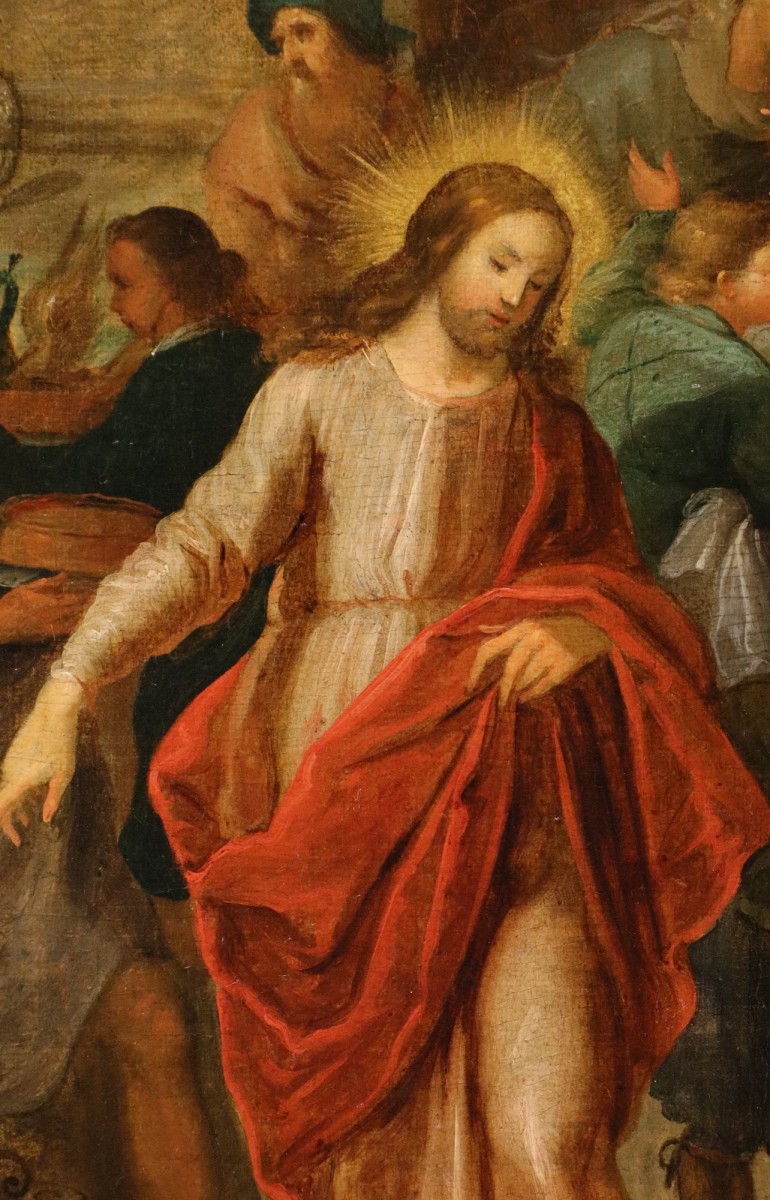
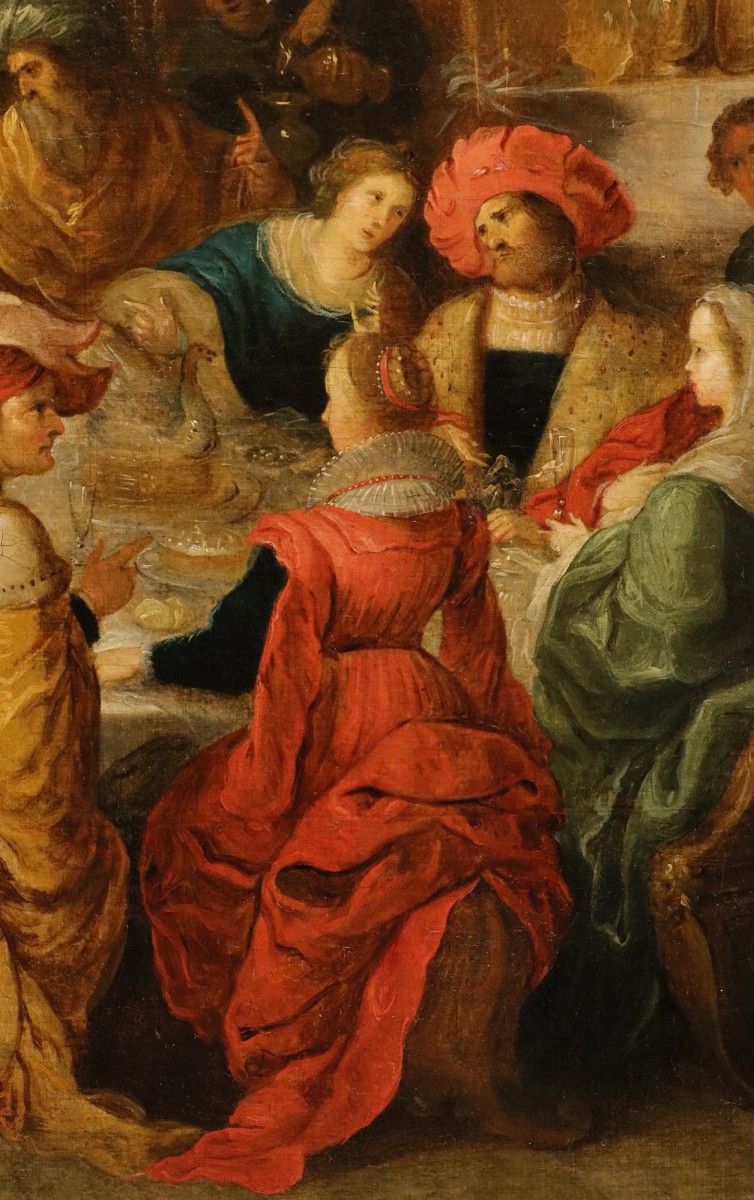
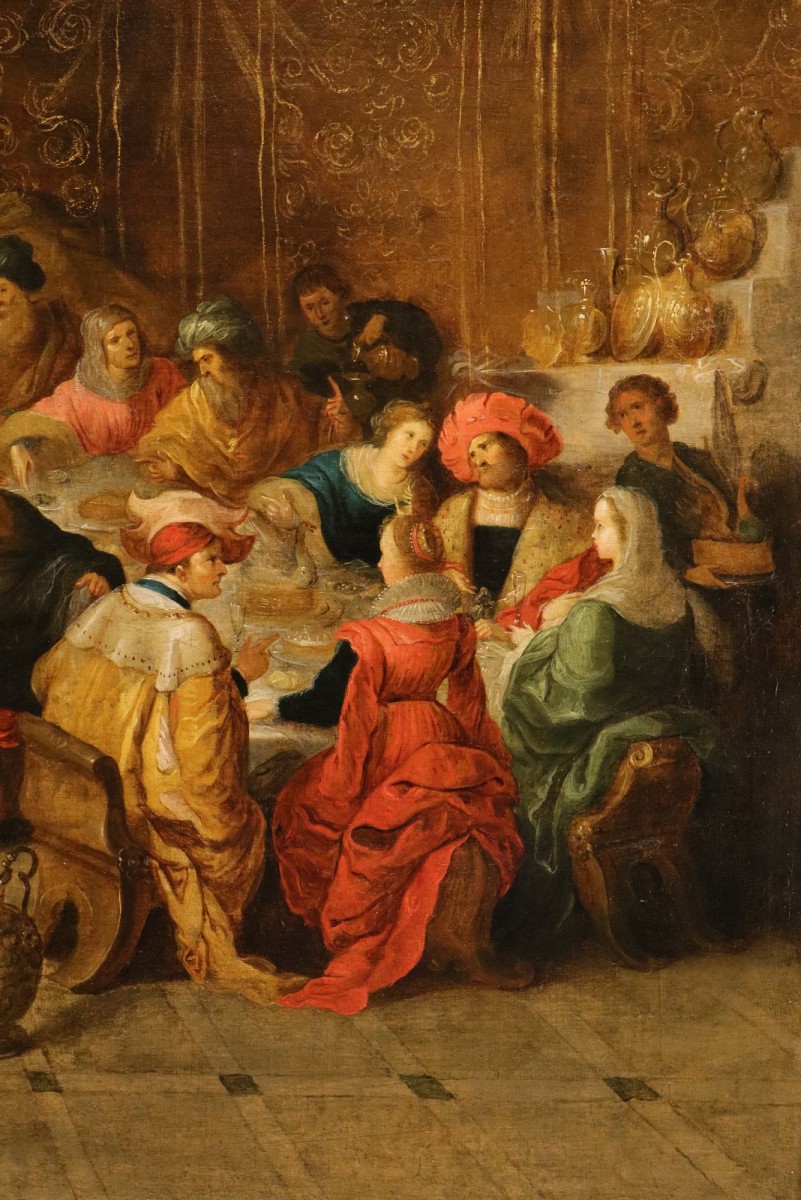
The style is typically Flemish Baroque, characterized by meticulous attention to detail in the clothing, architecture, and expressions of the figures; at the center of the composition is Jesus, depicted in a red robe, surrounded by a multitude of guests and servants within a setting sumptuously decorated with elaborate tapestries and a canopy over the main table.
The episode, which inaugurates the sequence of Christ’s miraculous deeds, is transformed here into a phantasmagoria of colors, illuminated by brilliant light and the use of an extremely vivid palette.
The brilliance of the execution is made possible by the use of warm, bold colors, and the depiction of figures in graceful poses follows the still-Mannerist taste of the era. The painting is superbly decorative, of excellent quality of execution, and distinguished by a luminous design, with lines highlighted by vigorous brushwork and a rather pronounced play of light and shadow.
The work, a fine example of the descriptive richness typical of 17th-century Flemish masters, is attributable in style and compositional choices to Frans Francken II (Antwerp 1581–1642), who loved to depict biblical themes in his works, particularly the great banquets of history (the wedding of Esther and Ahasuerus, Herod’s Banquet, the Banquet of Lazarus…), which offered him the opportunity to give free rein to his strong narrative inclination.
Following in his father’s footsteps, Frans Francken II is considered the true leading figure of the family line, the one who transformed the family workshop into a production center renowned throughout Europe.
It should be added that he was surrounded by capable assistants, often family members, and that his sons continued the business with little deviation from the compositions already extensively explored.
Delevery information :
We take care of and organise the transport of the purchased works, both for Italy and abroad, through professional and insured carriers.
We take great care We personally take care of the packaging, to which we devote a great deal of care: each work is carefully packed, first with arti- cle material, then with a custom-made wooden box.
Should you have the desire to see this or other works in person, we would be happy to welcome you to our gallery in Riva del Garda, Viale Giuseppe Canella 18, we are always open by appointment only.